German Shepherd: A Dog Lover’s Delight and Loyal Companion
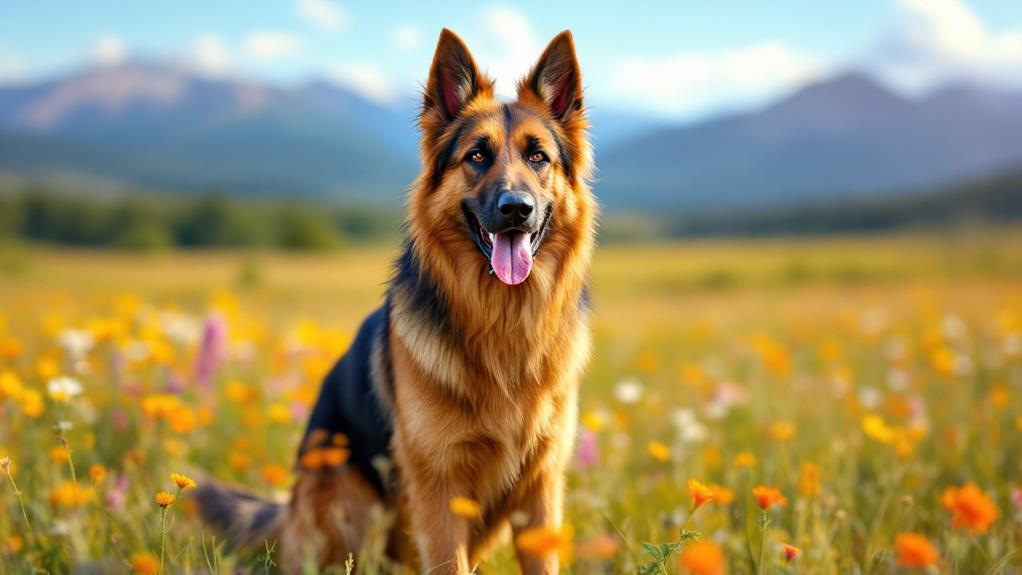
You'll find that German Shepherds are the perfect blend of loyalty, intelligence, and strength, making them a dog lover's delight and a steadfast companion. Originating in Germany, they're renowned for their role in police and military tasks, highlighting their versatility. With their strong build and affectionate nature, they're not only protective but also loving family members. Early training and socialization are vital, as is regular physical and mental stimulation. They have specific nutritional and grooming needs, but their companionship is rewarding. Intrigued by their impressive traits and keen to improve your connection? There's more to uncover about these remarkable dogs.
The German Shepherd Legacy
The legacy of the German Shepherd is a demonstration of its incredible adaptability and enduring appeal. Originating in Germany in the late 19th century, this breed was initially developed for herding and protecting sheep. Max von Stephanitz, the mastermind behind the breed, aimed to create a dog that combined strength, intelligence, and trainability. You've likely observed how these attributes have made the German Shepherd a loyal companion and an icon of noble character.
Over the years, German Shepherds have become renowned for their intelligence, leading them to excel in multiple roles beyond their herding origins. They're not just family pets; their capabilities have been harnessed by police, military, and service sectors worldwide. You've probably seen them in action, regardless of being in a K-9 unit or assisting those with disabilities, showcasing their unmatched adaptability.
Their loyal nature and protective instincts make them a favorite among dog lovers seeking a faithful friend. It's no surprise that German Shepherds consistently rank high in the American Kennel Club's list, currently holding the 4th position. When you choose a German Shepherd, you're embracing a rich legacy of dedication and intelligence that's hard to match.
Defining Characteristics
A German Shepherd's defining characteristics make it a standout breed among dog lovers. With their robust and muscular build, German Shepherds typically weigh between 50-90 pounds. Males stand 24-26 inches tall, while females are slightly shorter at 22-24 inches. This physical presence is matched by their noble character and unmatched loyalty, making them exceptional companions. When you bring a German Shepherd into your home, you gain a loyal companion who will form strong bonds with you and your family.
Recognized for their high intelligence, German Shepherds rank third among dog breeds. This intelligence enables them to learn quickly and excel in numerous roles, from police work to service tasks. Their protective instincts and affectionate nature only add to their appeal, ensuring they're always looking out for your well-being. You'll find their energy levels to be high, so regular physical and mental stimulation is crucial to keep them happy and well-adjusted.
Their double coat, which can be short or long, requires regular grooming to maintain its health. Typical colors like black and tan, sable, and all-black further emphasize their striking appearance. With these characteristics, German Shepherds truly embody loyalty and intelligence.
Training Essentials
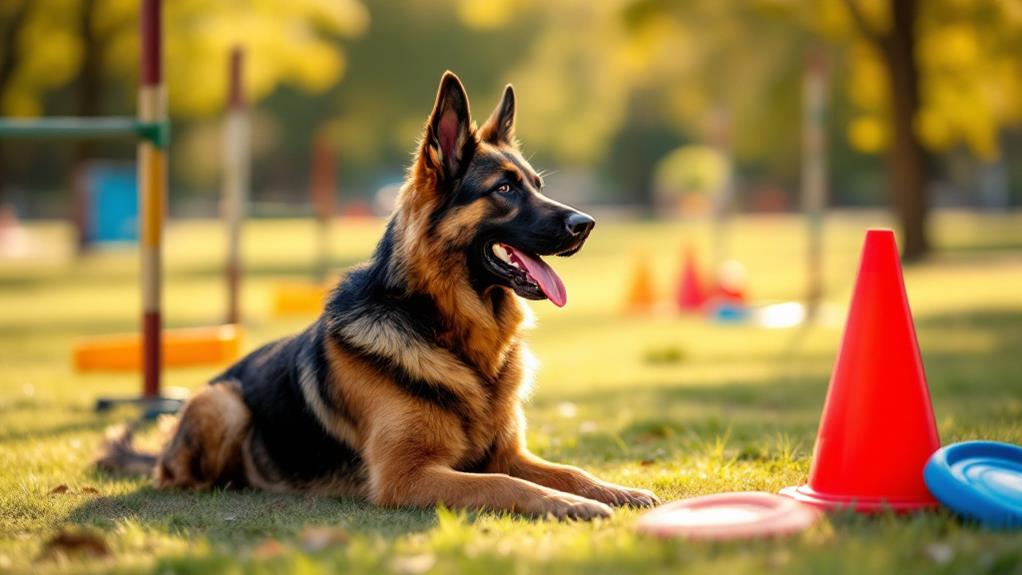
Jump into training your German Shepherd early to harness their high intelligence and enthusiasm to learn. Proper training is significant to steer their eagerness and responsiveness in the right direction. With their keen ability to grasp new commands, you'll find that positive reinforcement works wonders. Rewarding good behavior not only encourages your dog but also strengthens the bond between you two.
Socialization plays a fundamental role in your German Shepherd's training necessities. Expose them to different environments, people, and animals to guarantee they grow into well-adjusted companions. This reduces the chances of developing behavioral issues later.
To make training effective, maintain a well-structured program that includes:
- Clear and consistent commands
- Timely rewards for good behavior
- Sessions in a distraction-free environment
- Regular, varied exercise routines
Exercise complements training by providing both physical and mental stimulation. This is especially significant for high-energy breeds like German Shepherds. Incorporate activities that challenge their mind and body, keeping them engaged and happy. You'll be amazed at the progress they make with a structured approach. Remember, consistency and patience are key to achieving the best results in your training expedition.
Health and Wellness
Training your German Shepherd doesn't just improve their behavior; it lays a strong foundation for their general health and wellness. To guarantee your dog leads a lively life, it's critical to address potential health issues early. German Shepherds are prone to conditions like hip and elbow dysplasia, so don't skip those regular veterinary check-ups. Early detection can make a huge difference in managing these problems.
A balanced diet forms another cornerstone of your dog's health. Opt for high-quality dog food to maintain their energy levels and support muscle development. This not only helps prevent obesity-related issues but also keeps your dog ready for all the adventures you'll share. Don't forget the importance of adequate hydration and a structured feeding schedule, especially after exercise, to support digestive health.
Mental engagement is just as important as physical exercise. Regular training and activities will keep your German Shepherd's mind sharp and can contribute to their longevity, with a lifespan typically ranging from 12 to 14 years. While grooming practices are fundamental for managing their double coat and preventing skin allergies, they also offer a great opportunity for bonding and mental stimulation.
Grooming Practices
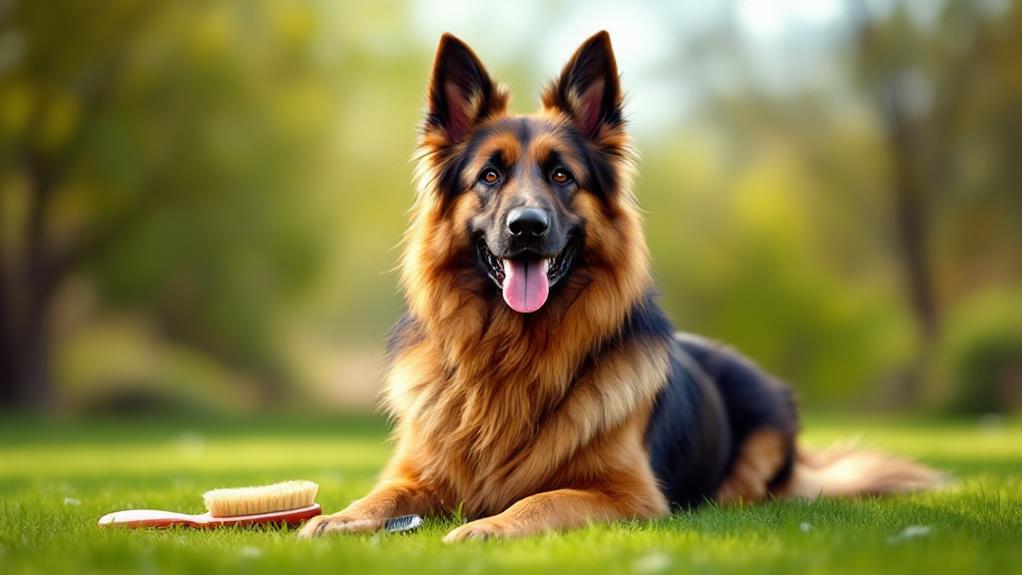
In regard to grooming your German Shepherd, consistency is key to maintaining their general health and happiness. Regular grooming practices not only keep their coat healthy but also provide mental stimulation, which strengthens your bond with your loyal companion. Brushing their double coat is fundamental, especially during shedding seasons. This reduces shedding and keeps their coat looking its best. Aim to brush them several times a week, using tools designed for their coat type.
Bathing is another significant aspect. Use dog-specific shampoo every few months to guarantee their coat remains clean without stripping away natural oils that are important for skin health. Overbathing can damage their coat, so moderation is crucial.
Don't forget about nail trimming and ear cleaning. Trim their nails every 1-2 weeks to avoid discomfort and maintain healthy foot structure. For ear hygiene, use appropriate cleaning solutions to prevent infections.
Here's a handy checklist for your German Shepherd's grooming:
- Brush their coat regularly, especially during shedding seasons.
- Bathe them every few months with a dog-specific shampoo.
- Trim their nails every 1-2 weeks.
- Clean their ears with suitable solutions.
These practices guarantee your German Shepherd stays healthy and happy.
Exercise Requirements
German Shepherds are known for their high energy levels, so they need at least 1 to 2 hours of exercise daily to stay healthy and happy. Meeting their exercise needs is vital for maintaining both their physical and mental health. You can engage them in activities like walking, running, or hiking, which are excellent ways to burn off that excess energy. Playing fetch is another great option that keeps them active while strengthening your bond.
Regular exercise helps keep German Shepherds at a healthy weight and reduces the risk of behavioral issues that can arise from pent-up energy. Without sufficient activity, they might become bored and possibly destructive. Agility training is an excellent way to challenge them physically and mentally, ensuring they remain sharp and well-rounded.
Interactive play is also important. Incorporate puzzle games into their routine to stimulate their minds and complement their physical exercise needs. These games encourage problem-solving and keep them engaged, offering a balanced workout for body and brain. Remember, a well-exercised German Shepherd is not just a content pet but a healthy, loyal companion ready to share life's adventures with you.
Nutritional Needs
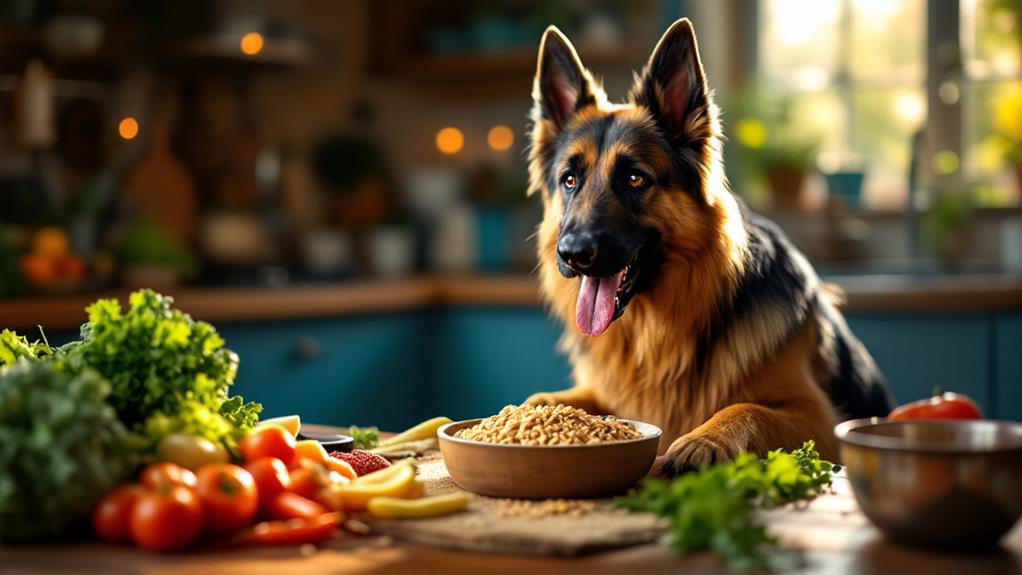
A well-balanced diet is vital for maintaining the health and vigor of German Shepherds. As a German Shepherd owner, you'll want to focus on meeting their specific nutritional needs to keep them strong and energetic. A high-protein diet is fundamental, as it supports muscle development and strength. Aim for protein sources to comprise 20-30% of your dog's daily caloric intake.
In addition to protein, make sure their diet is balanced with moderate fats to maintain energy levels, typically making up 8-15% of daily calories. Carbohydrates are also significant, providing necessary fuel for their active lifestyle. Whole grains and vegetables are excellent choices to include in their meals.
Don't forget about vital vitamins and minerals, which contribute to your German Shepherd's general health and longevity when part of high-quality dog food. To keep your furry friend healthy, consider these tips:
- Regular feeding schedules: Helps maintain digestive health and prevent obesity.
- Monitor weight consistently: Adjust portions as necessary.
- Include a variety of nutrients: Make sure they get everything they need.
- Choose high-quality dog food: It should meet all their nutritional requirements.
Socialization Strategies
One of the most important steps you can take as a German Shepherd owner is ensuring early socialization. Introducing your puppy to different environments, people, and animals between 3 to 14 weeks old is fundamental. This period is when they're most receptive to new experiences, and it sets the foundation for a well-adjusted adult dog. Without early socialization, your German Shepherd might develop behavioral issues such as anxiety or aggression later in life.
Using positive reinforcement during these socialization sessions is key. Reward your puppy with treats, praise, or play whenever they show calmness or curiosity in unfamiliar situations. This approach not only builds their confidence but also strengthens your bond, turning them into a loyal companion. Regularly attending group training classes and arranging playdates with other dogs can provide essential social interaction, helping your German Shepherd learn good manners and adaptability.
Breeding Considerations
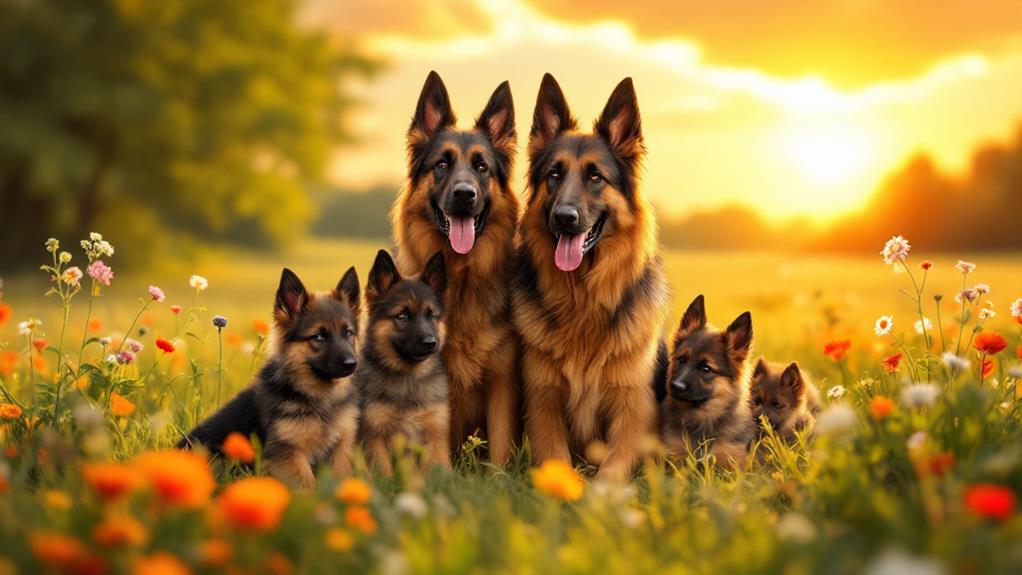
While early socialization lays the groundwork for a well-adjusted German Shepherd, selecting the right breeder is just as important in guaranteeing your dog's lifelong health and temperament. Reputable breeders focus on responsible breeding practices, prioritizing health testing to minimize genetic disorders. You'll want to seek out breeders who value the breed standards and work towards producing healthy, well-tempered dogs. The demand for German Shepherds has unfortunately led to substandard breeding practices. These can result in dogs with health issues and behavioral problems, so thorough research is crucial when choosing a breeder.
When considering a German Shepherd, it's important to understand the difference between working line and show line dogs. Working line German Shepherds are bred for performance and specific tasks, reflecting their trainability and energy levels. Show line dogs, on the other hand, are often bred for appearance, which could influence their behavior.
To guarantee you're making the right choice, keep these tips in mind:
- Avoid discounted puppies; they can lead to costly health issues.
- Choose breeders who offer health guarantees and return policies.
- Look for breeders participating in competitions for validation.
- Research thoroughly to avoid substandard breeding practices.