German Longhaired Pointer: The Versatile and Skilled Hunter
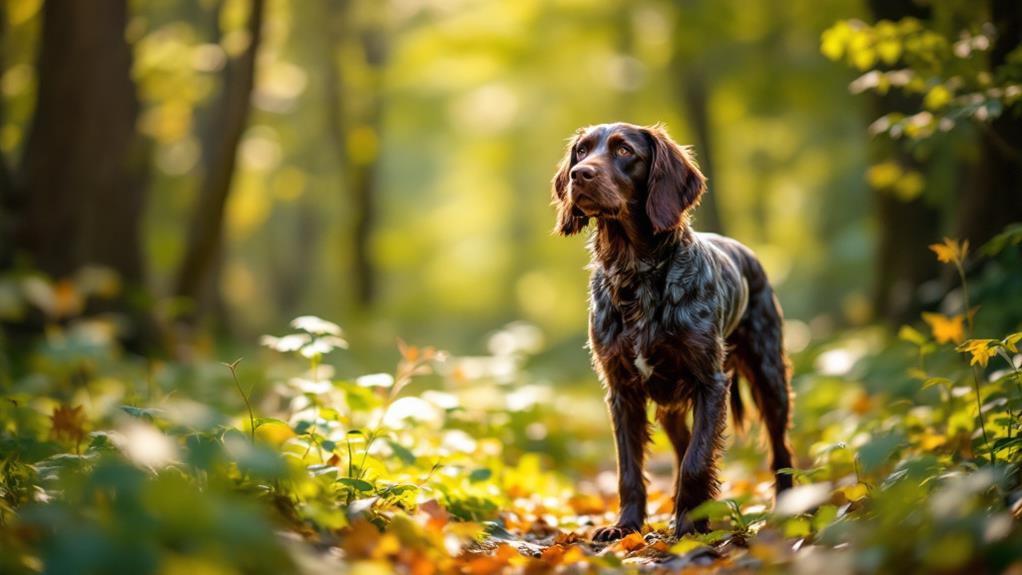
You'll find the German Longhaired Pointer is a versatile and skilled hunter, rooted in the lineage of the Medieval Wachtelhund. Known for its agility and strength, this breed sports a water-resistant double coat and weighs between 55 to 80 pounds. Its sociable and affectionate nature makes it a great family pet, but it does require consistent physical and mental stimulation. Regular grooming, nutritious diet, and daily exercise keep it healthy and happy. With early training and positive reinforcement, these intelligent dogs excel in both hunting and family environments. Investigate further to uncover the full story of this remarkable breed.
Origin and History
In tracing the German Longhaired Pointer's roots, you'll find its lineage stretches back to the Middle Age, with long-coated hunting dogs frequently depicted in art and referenced in Teutonic codes for bird hunting. These early ancestors, including the Medieval Wachtelhund and other long-haired types, were renowned for their exceptional hunting abilities. Specifically bred to excel in bird hunting, these dogs laid the foundation for what would become the German Longhaired Pointer.
As time progressed, the breed evolved through strategic crossbreeding. By incorporating traits from the Deutsch-Langhaar, Large Munsterlander, and Small Munsterlander, breeders aimed to create a versatile utility dog adept in different hunting environments. This adaptability became a hallmark of the German Longhaired Pointer, guaranteeing its place in the annals of hunting dog history.
Despite the introduction of English pointers in Germany and their influence on breeding practices, dedicated breeders staunchly preserved the core characteristics of the German Longhaired Pointer. This commitment was recognized in 1879 at the Hannover exhibition, where the breed was formally acknowledged, with standards that remain unchanged today. This steadfast adherence to historical traits guarantees that the breed continues to thrive in modern times.
Physical Characteristics
The German Longhaired Pointer, a striking presence in any field, stands out with its medium to long, water-resistant double coat, perfectly suited for different hunting conditions. As a medium to large breed, it typically weighs between 55 to 80 pounds and stands 23 to 28 inches tall at the shoulder. This breed's coat not only provides protection against the elements but also improves its hunting capabilities, allowing it to thrive in various weather conditions. The coat colors range from solid brown, chocolate, and roan to multiple combinations, but importantly, black isn't an accepted color in the breed standard.
You'll notice their distinctive furry ears and well-proportioned body, highlighting their muscular build. This contributes greatly to their agility and strength, crucial traits for a skilled hunter. Their physical prowess is evident as they can jump up to 6 feet high, making them exceptional trackers and retrievers. Regardless of traversing dense forests or open fields, their strong, athletic physique guarantees they perform exceptionally well. The German Longhaired Pointer's combination of a robust frame and water-resistant coat makes it a versatile hunting companion, adept at handling the physical demands of the hunt.
Temperament and Behavior

Displaying remarkable intelligence and affection, the German Longhaired Pointer is a delightful companion that fits well into family life. Their temperament is known for being both affectionate and intelligent, making them enthusiastic to please and easy to train. These dogs thrive on human interaction and develop strong bonds with their families. They are sociable by nature, getting along well with both humans and other dogs, which makes them excellent family pets and hunting companions.
However, their need for companionship means they can be prone to separation anxiety. It's essential to guarantee they have plenty of interaction and mental stimulation to prevent them from becoming anxious or bored when left alone. They do best in environments where they are not isolated for long periods.
With moderate barking tendencies, early training and socialization can help manage their vocalizations and prevent any excessive barking. Their playful and energetic disposition requires significant physical and mental activity, so they are best suited for active families or individuals who can provide regular exercise. By understanding their needs and temperament, you can guarantee a happy, fulfilling life for your German Longhaired Pointer.
Health and Care
Caring for a German Longhaired Pointer involves addressing their specific health needs to secure a long, happy life. This breed is susceptible to certain health issues, so regular veterinary check-ups are vital for early detection and management. To effectively care for your furry friend, consider the following:
- Health Monitoring: Keep an eye on signs of hip and elbow dysplasia or ear infections. Early detection through regular vet visits can make a significant difference.
- Exercise Needs: These active dogs require at least 60-90 minutes of daily exercise. Sufficient physical activity helps prevent boredom and associated behavioral problems.
- Grooming: Regular grooming is important. Brush their medium to long, double coat once or twice a week to manage tangles and keep dirt at bay. This also gives you a chance to check for any skin issues.
- Nutrition: A balanced diet is key. Provide high-quality kibble supplemented with lean meats, typically around 2-3 cups daily, to maintain their health and energy levels.
Don't forget about their dental hygiene. Regular teeth brushing can prevent tooth infections, which are common in this breed. By addressing these areas, you'll guarantee your German Longhaired Pointer stays healthy and content.
Training and Exercise Needs
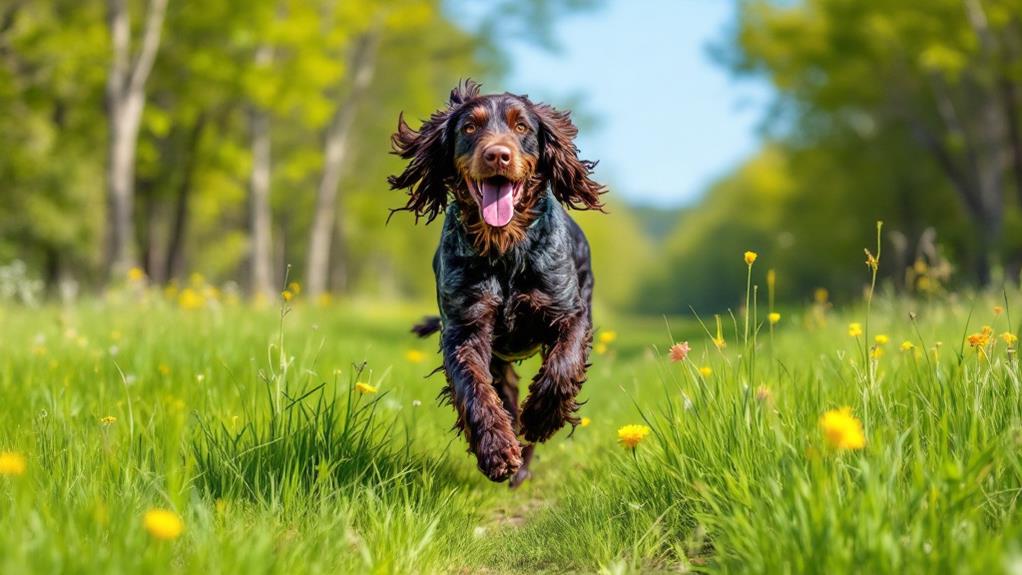
German Longhaired Pointers' boundless energy and intelligence make them both a joy and a challenge to train. To harness their potential, early training is essential. Start with short, engaging sessions to keep their focus sharp. Consistent, positive reinforcement works wonders in helping them grasp new commands and skills. Integrating activities like tracking or retrieving not only taps into their natural instincts but also makes training more enjoyable for both of you.
With their high exercise levels, these dogs need 60-90 minutes of vigorous activity every day. This helps channel their energy and prevents boredom-related behaviors, which can become problematic if left unchecked. Mix up their routine with varied exercises, like long walks, runs, or games of fetch, to keep them physically and mentally stimulated.
Socialization is just as significant. Begin introducing them to diverse environments, people, and other pets from a young stage. This guarantees they grow into well-rounded companions who are comfortable in different situations and settings. By focusing on training and socialization early on, you'll nurture a German Longhaired Pointer that's not only skilled in the field but also a delightful family member.