Fennec Foxes as Pets: Do They Make Good Companions?
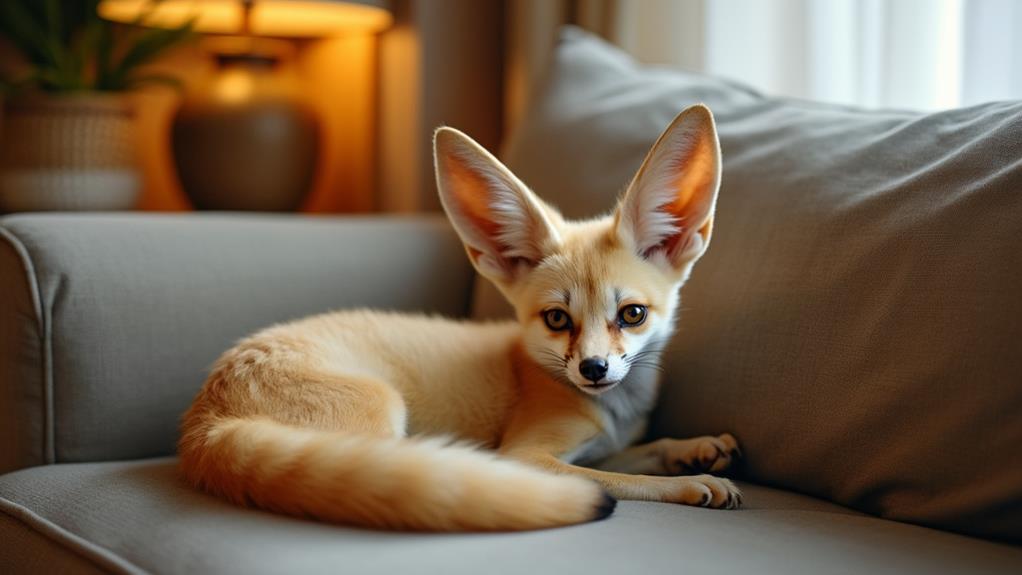
If you're thinking about a fennec fox as a pet, prepare for both enchantment and effort. These small, nocturnal creatures are lively and intelligent, but they demand specific care. You'll need to offer a spacious enclosure that mimics their natural habitat and provide a specialized diet rich in nutrients. They're known for their friendly yet skittish temperament, requiring calm environments and plenty of interaction. Costs are significant, with initial expenses up to $2,500, alongside ongoing care and potential legal considerations. Fennec foxes can make intriguing companions if you're ready to meet their needs and learn their unique lifestyle.
Key Takeaways
- Fennec foxes are intelligent and friendly but require ample exercise and mental stimulation due to their high energy levels.
- Legal restrictions and regulations vary by state, so confirm local laws before considering a fennec fox as a pet.
- They need a specialized diet, including dog/cat food, fresh vegetables, and occasional insects, for proper nutrition and health.
- Fennec foxes require large, secure outdoor enclosures and indoor spaces for exercise, mimicking their natural habitat.
- Regular veterinary care with exotic pet specialists is essential, and costs can be significant over their 11-year lifespan.
Understanding Fennec Foxes
In the domain of understanding fennec foxes, you'll find these fascinating creatures are the smallest of all fox species, typically ranging from 9 to 16 inches long and weighing between 1.5 to 3.5 pounds. As pets, fennecs are exotic companions, offering a blend of playful and intelligent behavior. Their large ears not only make them adorable but also serve practical purposes like thermoregulation and detecting prey, essential for life in their native Sahara desert.
Fennec foxes are nocturnal, meaning they're most active after the sun sets. This might require you to adjust your schedule if you're considering them as pets. Their social structure is quite adaptable, living in family groups of up to 10, which can affect how they interact with other pets and humans. Understanding their behavior is significant, as fennecs can be skittish and prone to biting when frightened.
When it comes to diet, wild fennecs eat insects, birds, small mammals, and plants. As pets, they need a specialized diet, including high-quality dog or cat food and fresh vegetables. Proper care guarantees they thrive in your home, offering a unique and rewarding companionship.
Legal Aspects of Ownership
While understanding the unique needs of fennec foxes is vital for their care, confirming your ownership is lawful is likewise significant. Fennec foxes are subject to numerous legal restrictions across different states. For instance, Minnesota and Nevada have outright bans on their ownership. Before considering bringing a fennec fox into your home, research the ownership laws in your area. Many regions require permits, so it's important to familiarize yourself with local laws to avoid any legal complications.
Ignoring these legal considerations can result in serious consequences, such as fines or the confiscation of your beloved pet. Zoning laws can also affect where you can keep a fennec fox, making it necessary to check local regulations. To comply with ethical breeding standards, verify that you're getting your fennec fox from reputable breeders, as this may also be governed by specific legal standards.
Traits and Behavior
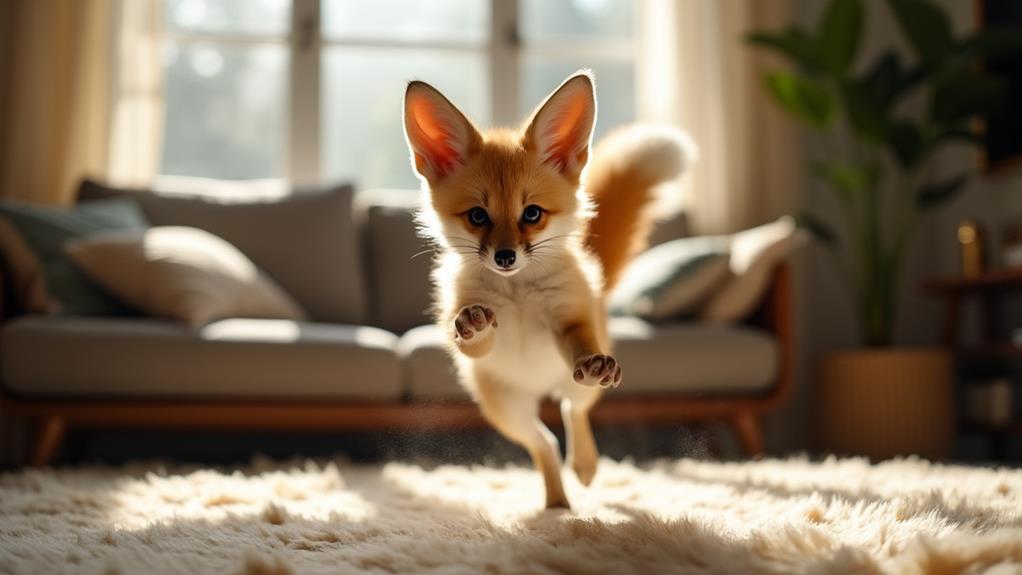
Fennec foxes captivate pet enthusiasts with their intelligence and friendly demeanor, resembling a blend of both cats and dogs in their behaviors. These social animals are known for their engaging nature and can make great companions if you accommodate their needs. As nocturnal animals, fennec foxes are most active at night, so you'll need to adjust to their unique sleep and play schedules. They thrive in environments that cater to their high energy levels, requiring ample exercise and space to roam. This means you'll need to provide them with plenty of opportunities for physical activity and mental stimulation to keep them happy and healthy.
However, fennec foxes can be easily startled by loud noises, which may lead to nervous behavior or even biting when frightened. It's crucial to create a calm and safe environment for them to reduce their stress. While they require interaction and can be affectionate, they also appreciate solitude at times. Fennec foxes aren't ideal for busy owners or those with small living spaces, as their need for attention and room to investigate can be demanding. With the right care, they can be delightful, engaging companions.
Housing Requirements
Creating a suitable living environment for fennec foxes involves careful planning to meet their specific housing needs. When keeping a fennec, you must consider both indoor and outdoor living spaces. A large outdoor enclosure is ideal, ensuring it's secure to prevent digging and climbing, with a minimum height of 5 to 6 feet. Indoor enclosures should provide plenty of space for exercise, and multi-layered setups like ferret cages can be quite effective.
To simulate their natural habitat, incorporate elements like:
- Trees and rocks for climbing and hiding
- Features to mimic their desert environment
- Spaces for food and water
- Areas for rest and relaxation
Ventilation is vital in indoor spaces. Maintaining low humidity and ensuring good airflow will help keep your fennec healthy. Additionally, litter box training is fundamental for indoor cleanliness, and it's best achieved with positive reinforcement.
Dietary Needs
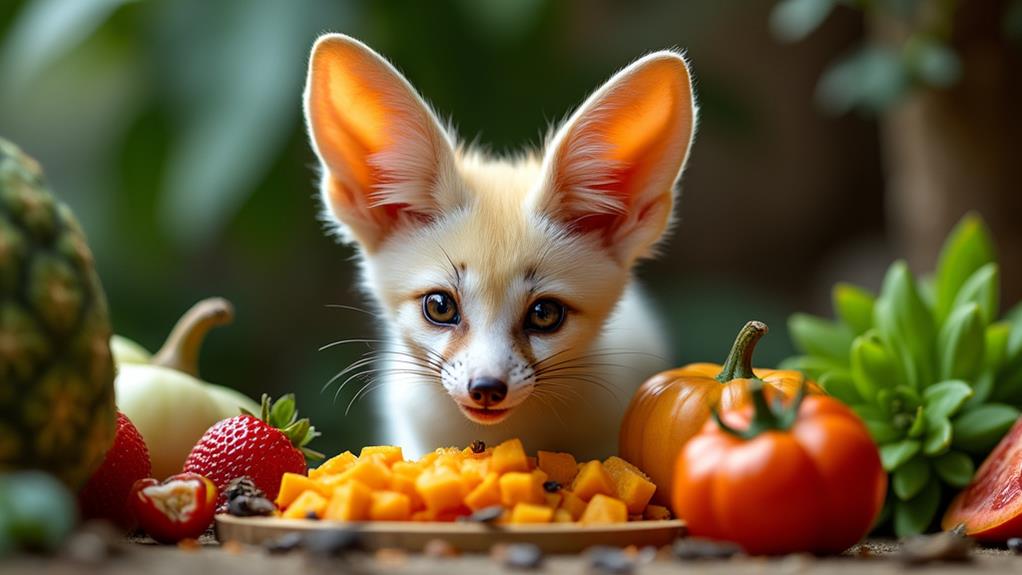
When planning your fennec fox's diet, it's important to understand their omnivorous nature and need for a varied menu. Fennec foxes thrive on a diverse diet that includes high-quality dry dog food, fresh vegetables, and occasional raw chicken. These components guarantee the intake of significant nutrients like taurine, essential for their metabolic health. To meet their dietary needs, treats such as fruits, vegetables, locusts, grasshoppers, mealworms, and eggs can be added to their meals. These not only improve their nutrition but also provide enrichment, keeping your fennec fox engaged and content.
Make certain fresh water is always available. Although these foxes have adapted to low water consumption in the wild, hydration is still necessary for their well-being. Feeding twice daily is advised, following your veterinarian's guidance, to maintain a balanced diet and prevent potential health issues. It's important to consult a veterinarian for tailored dietary advice to guarantee your fennec fox's nutritional needs are met. This proactive approach helps avert health issues and contributes to their general happiness. By understanding and addressing their specific dietary requirements, you'll support your fennec fox's health and longevity.
Veterinary Care
Finding the right veterinary care for your fennec fox can be a challenge, but it's crucial to their health and well-being. Not all vets are equipped to handle the unique needs of fennec foxes, so you'll need to find an exotic companion animal vet or a vet that specializes in exotic pets. These professionals understand the specific health needs and unique health challenges your fennec might face.
Regular veterinary check-ups are vital for monitoring health and catching any potential issues early. During these visits, your vet can discuss a proper vaccination schedule, as fennecs require routine vaccinations similar to dogs.
Here are key aspects to contemplate for your fennec's veterinary care:
- Spaying or neutering fennecs: Recommended to prevent aggressive behaviors and unwanted breeding. Ideally done around 6-8 months of maturity.
- Emergency veterinary services: Access is essential since fennecs might encounter sudden health challenges needing immediate attention.
- Proper vaccination schedule: Crucial to protect against diseases.
- Experienced vet: Confirm your vet has a background in treating exotic pets.
Taking these steps guarantees your fennec fox receives the best care possible, promoting a healthy and happy life.
Costs and Financial Commitment
Owning a fennec fox is a significant financial commitment that requires careful budgeting and planning. The initial purchase cost alone ranges from $2,000 to $2,500, reflecting their exotic nature and specific care needs. If you're considering this unique pet, it's imperative to source your fennec fox from ethical breeders. While they may charge higher prices, they guarantee the animal's welfare, making them a responsible choice.
Beyond the initial purchase, prepare for ongoing expenses. Quality food tailored to their dietary needs is fundamental, and this can add up over time. Veterinary care, including routine check-ups and emergency medical treatments, is another major expense. These ongoing costs can easily exceed several hundred dollars annually.
It's critical to think about the long-term financial commitment. Fennec foxes can live up to 11 years in captivity, meaning you'll need to maintain this investment throughout their lifespan. Factor in not just the annual costs of food, supplies, and veterinary care, but also any unexpected expenses that may arise. By planning carefully and making sure you're financially prepared, you'll be better equipped to provide a stable, healthy environment for your fennec fox.
Training Challenges
Training a fennec fox presents unique challenges that can be intimidating even for experienced pet owners. These intelligent creatures are often resistant to command training, making them difficult to manage. While early socialization is fundamental to developing a bond with your fennec, they generally lack a desire to please, complicating training efforts. Understanding their temperament is vital as you commence on this expedition.
To improve your training experience, consider these points:
- Positive reinforcement training: Use treats rather than verbal praise or punishment, as it's more effective for fennecs.
- Litter training: This is possible with patience and consistent positive reinforcement, but expect accidents due to their instinctual behaviors.
- Vocal animals: Fennecs can be quite noisy, so anticipate vocal expressions as part of their natural behavior.
- Biting behavior: They may exhibit this tendency when frightened or provoked, emphasizing the need for careful handling.
Fennec foxes are indeed fascinating, but they require an owner who can accommodate their unique needs. By focusing on positive reinforcement and understanding their natural instincts, you can navigate the training challenges and build a rewarding relationship with your fennec fox.
Pros and Cons
Deciding to bring a fennec fox into your home is a vital commitment that involves weighing the pros and cons. On the plus side, fennec foxes make good exotic companion animals. Their engaging and intelligent nature offers endless entertainment and companionship, making them an appealing choice over traditional pets. However, they require large amounts of time and effort for socialization and care. Their high energy level means they need ample exercise and a large enclosure, presenting challenges if you have limited space.
Fennec foxes, with their unique appearance and playful behavior, are certainly charming, but they often retain their wild instincts. This can result in frightened or upset fennecs who may become skittish or even bite. They also require a varied diet and need veterinary care, adding to the ongoing expenses beyond the initial cost of $2,000 to $2,500.
Moreover, legal restrictions vary greatly by region, with some areas banning fennec foxes altogether. Before adopting, it's essential to research your local laws thoroughly. Balancing these considerations will help determine if a fennec fox is the right fit for your lifestyle and home.
Ethical Considerations
When considering the ethical landscape of fennec fox ownership, it's important to verify these animals come from reputable breeders or rescue organizations committed to their welfare. Ethical considerations play a significant role in making sure that your exotic pet thrives. Choosing captive-bred fennec foxes is fundamental, as they are generally better suited to domestic life and experience less stress compared to their wild-caught counterparts. Complying with local laws regarding exotic pet ownership isn't just a legal requirement; it's part of responsible pet ownership that helps safeguard these animals' welfare.
To guarantee you're providing the best environment for a fennec fox, you should:
- Source your pet from reputable breeders to support ethical breeding practices.
- Familiarize yourself with local laws to avoid legal issues and promote responsible ownership.
- Commit to providing appropriate care, housing, and socialization to meet their unique needs.
- Ensure access to suitable vet care to maintain their health and well-being.