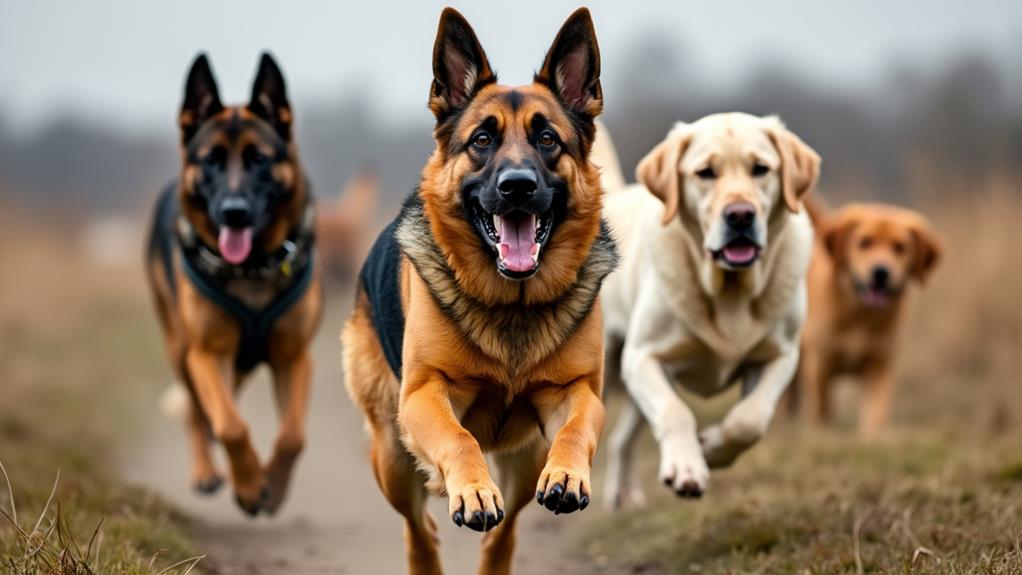
Fascinating Facts About Police Dogs: Heroes on Four Legs
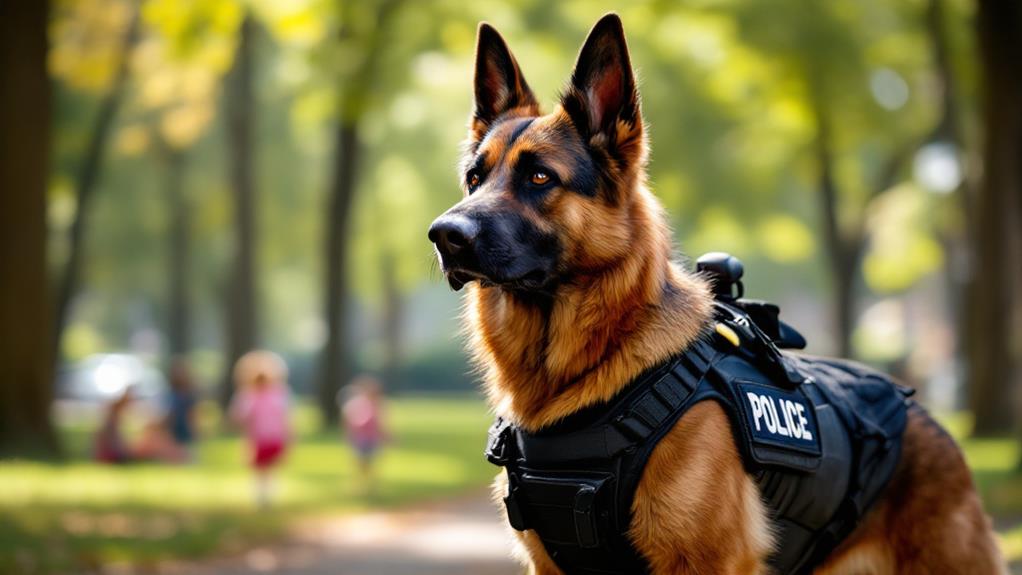
You're about to investigate the fascinating world of police dogs, amazing heroes on four legs with roots dating back to ancient times. From iconic German Shepherds to agile Belgian Malinois, these dogs excel in roles like drug detection and search and rescue. Training sharpens their intelligence and improves the bond with handlers, ensuring teamwork under pressure. You'll find them sniffing out explosives or demonstrating their skills at community events. Their off-duty antics and cleverness keep them engaging companions, while their bravery has earned them recognition over the years. There's much more to uncover about these incredible K9 warriors.
Origins of Police Dogs
The origins of police dogs stretch back to ancient times, showing that humans have long relied on canine companions for protection and assistance. Across centuries, dogs have been a vital part of human societies, performing tasks that range from guarding to hunting. The formal use of police dogs, however, began in the late 19th century. In 1899, Belgian authorities were pioneers, introducing dogs into law enforcement for patrol and tracking purposes. This marked the beginning of a new age, where training dogs became a specialized field.
In the United States, the initial police dog program was launched in New York City in 1907. This initiative laid the groundwork for the development of K-9 units across the country. During World War II, the establishment of the K-9 Corps further advanced the role of dogs in both military and law enforcement contexts, highlighting their invaluable contributions.
German Shepherds, famous for their intelligence and strength, became a preferred breed for these roles. These police dogs undergo rigorous training to guarantee they perform tasks with precision, from sniffing out explosives to tracking suspects. Their unwavering dedication makes them indispensable partners in the field of law enforcement.
Top Breeds for Law Enforcement
In the context of choosing the best breeds for law enforcement, certain dogs stand out for their exceptional abilities and traits. German Shepherds are perhaps the most iconic police dogs, known for their intelligence and versatility. Their strong loyalty makes them ideal for a variety of roles in law enforcement. You'll find them excelling in everything from patrol duties to detecting explosives. Belgian Malinois are another top choice, favored for their agility and high energy. These dogs often outperform others in specialized tasks, thanks to their exceptional trainability and quick responses.
Bloodhounds are renowned for their unmatched sense of smell, making them invaluable as search and rescue dogs. Their ability to track scents over long distances guarantees they're a vital asset in locating missing persons. Rottweilers, with their powerful build and protective instincts, serve both as formidable police dogs and effective guard dogs. They bring strength and intelligence to the field, often deterring criminal activity with their mere presence. While not as commonly seen in general policing, Beagles play a significant role in narcotics enforcement. Their keen noses help them identify specific scents, making them irreplaceable in drug detection tasks.
The Training Process
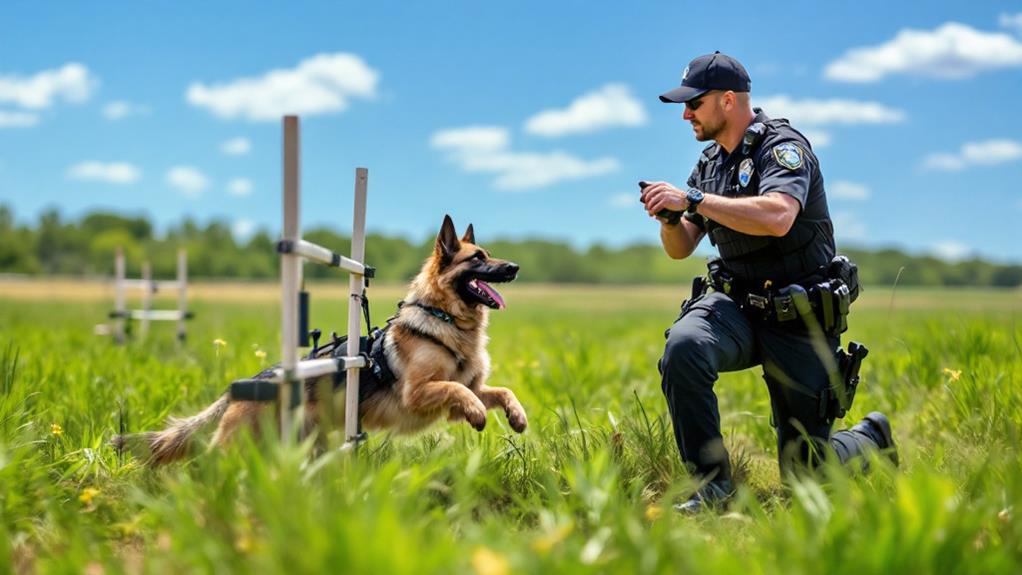
Training police dogs is a careful process that starts with establishing basic obedience. You begin by focusing on foundational skills and discipline, guaranteeing the dog is trained to follow commands promptly. This obedience is vital because it sets the stage for more advanced training. Once the dog has mastered basic commands, you move on to endurance and agility exercises. These assessments improve the dog's physical capabilities, preparing them for the rigorous demands of police work. By developing endurance and agility, you ascertain the dog can confidently handle a range of challenges.
Next, you tailor the training to include specialty tasks that match the needs of law enforcement. This could involve drug detection, tracking, or explosives detection. Each dog is trained for specific roles, honing their skills in these areas to become effective assets in the field. Throughout this entire process, fostering a strong bond between you and the dog is fundamental. This bond boosts teamwork, enabling effective communication and collaboration during operations. In addition, the dogs are trained to navigate urban environments, equipping them to manage the diverse scenarios they'll face on duty. This all-encompassing training guarantees they're ready for action.
Roles in Modern Policing
Often, police dogs, affectionately known as K9s, play vital roles in modern policing by taking on tasks like drug detection, explosives detection, search and rescue, and crowd control during public events. These skilled canines are more than just police dogs; they're integral members of the K9 unit, trained to find humans in distress and improve public safety. Imagine the effectiveness of a K9 unit during a search and rescue operation. Military dogs often set the precedent with their abilities, but police dogs are similarly adept, locating missing persons or tracking suspects with unmatched precision.
In drug detection roles, these dogs use their keen sense of smell to identify illegal substances, making them invaluable in intercepting drug trafficking. Belgian Malinois and German Shepherds, popular choices for K9 units due to their intelligence and work ethic, excel in these tasks. Their dual roles, such as suspect tracking and apprehension, showcase their versatility and significance in modern policing. By collaborating with local law enforcement, K9 units also engage in community events, demonstrating their skills and fostering trust. With advanced training and positive reinforcement, these police dogs consistently prove themselves as heroes on four legs.
Notable Police Dog Stories
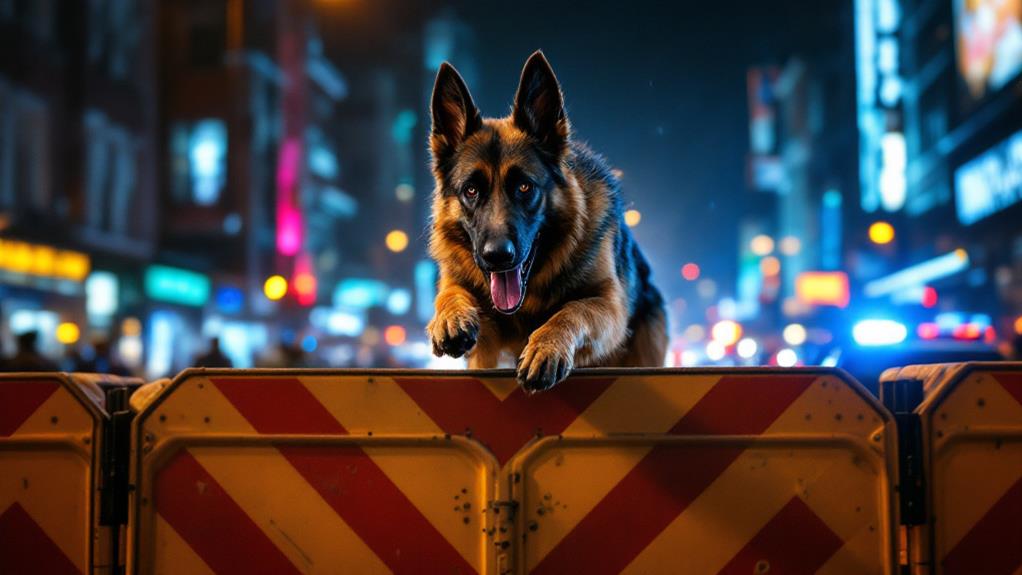
While police dogs often work behind the scenes, their stories of bravery and dedication shine brightly through history. These canine heroes have played crucial roles in search and rescue operations, and their courage has earned them recognition and admiration worldwide. Stubby, a World War I hero dog, participated in 17 battles, saved his unit from a gas attack, and became the primary dog to receive a military rank for his bravery. His legacy paved the way for future military working dogs.
Chips, a mixed-breed who served in World War II, demonstrated immense valor during combat, earning a posthumous Dickin Medal for his heroic actions. Lucca, a Marine Corps explosives detection dog, completed nearly 400 patrols in combat zones, becoming the leading military working dog to receive the Dickin Medal for animal valor in 2016. Their stories remind us of the extraordinary capabilities of these four-legged soldiers.
In civilian life, police dogs like Trakr have made history by finding survivors in critical situations. Trakr, a retired police dog, found the last living victim of the 9/11 attacks, proving how crucial these heroes are during search and rescue missions. Their stories inspire and remind us of their unwavering dedication to duty.
Bond Between Handler and Dog
The remarkable stories of police dogs highlight not only their bravery but also the profound connection they share with their handlers. This bond is central to their success in service, as both dog and handler rely on each other to perform specialized tasks. Handlers often report an intuitive understanding of their dogs' behaviors and cues, which is essential for effective communication during operations. This understanding improves teamwork, allowing them to respond swiftly and efficiently in high-pressure situations.
The relationship between a handler and their dog goes beyond mere duty. Through shared experiences and rigorous training routines, a deep emotional connection forms. This bond makes the partnership incredibly impactful, transforming them into a seamless team. Many handlers feel such a strong attachment that they choose to adopt their dogs upon retirement, ensuring that the connection forged during years of service continues.
Testimonials from handlers frequently highlight how these relationships have influenced their lives positively. They speak of personal growth and a heightened sense of responsibility, all stemming from the unique bond with their canine partners. It's more than just a working relationship—it's a profound partnership that leaves a lasting impression on both handler and dog.
Fun and Quirky Behaviors
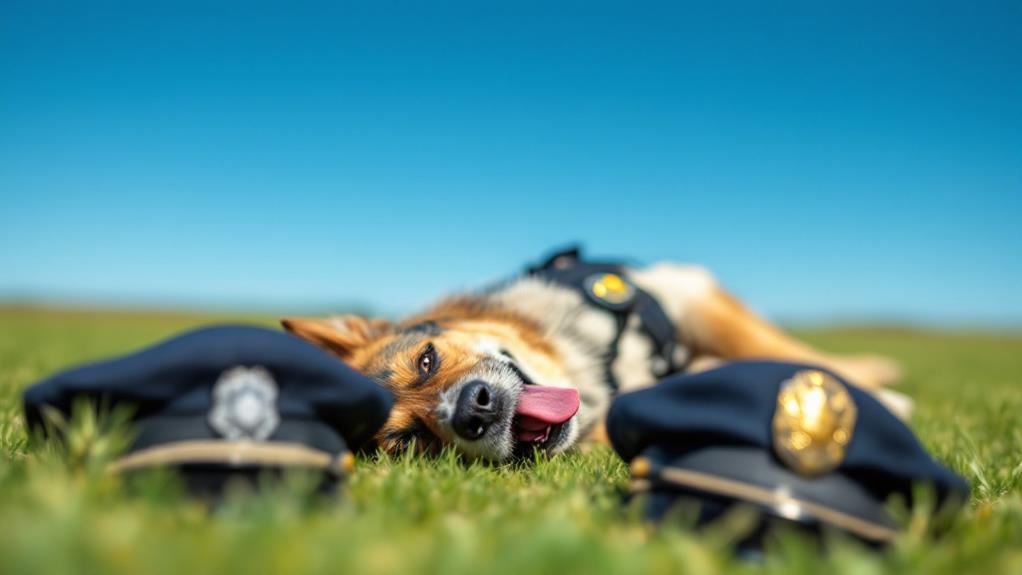
Even police dogs, known for their discipline and exceptional skills, have their moments of lightheartedness and charm. Off-duty, they're not just heroes; they can be incredibly fun and playful. You might catch them experiencing the "zoomies," where they sprint in circles with bursts of energy, embodying pure joy. This behavior is a delightful reminder that these dogs have lively personalities beyond their work duties.
Tail wagging is another quirky behavior you'll notice in police dogs. It's not just a sign of happiness; it can indicate a variety of emotions like excitement, curiosity, or even a touch of anxiety. Their tail movements are a window into their complex emotional world. Observing these nuances helps handlers understand what their K9 partners might be feeling at any given moment.
Police dogs also engage in sniffing competitions, a fun way to improve their training. These activities are not only beneficial but also enjoyable for the dogs, allowing them to showcase their incredible olfactory abilities. Furthermore, their social behaviors shine through when they seek affection from their handlers, enthusiastic for cuddles and playful interactions, reinforcing the strong bonds they've formed.
Off-Duty Adventures
Amidst their rigorous training and work, police dogs relish their off-duty adventures, offering a glimpse into their playful side. When they're not on duty, these incredible K9s love engaging in playful activities like "zoomies," where they run in circles, releasing pent-up energy. It's during these moments that their handlers are encouraged to join in the fun. Playing together strengthens the bond between dog and handler, elevating morale and reinforcing trust.
Off-duty, police dogs often exhibit humorous antics like chasing their tails or diving into games of fetch. These activities not only showcase their playful nature but also serve as a crucial part of their mental well-being. Socializing with other dogs during downtime is another highlight. It helps police dogs improve their social skills and adaptability, making them well-rounded companions both on and off the field.
Their off-duty adventures aren't limited to the backyard. Police dogs frequently enjoy trips to parks or family gatherings, where they can wander, socialize, and simply be dogs. These experiences guarantee they lead balanced lives, staying happy and healthy while remaining ready for their demanding work as our four-legged heroes.
Motivation and Rewards
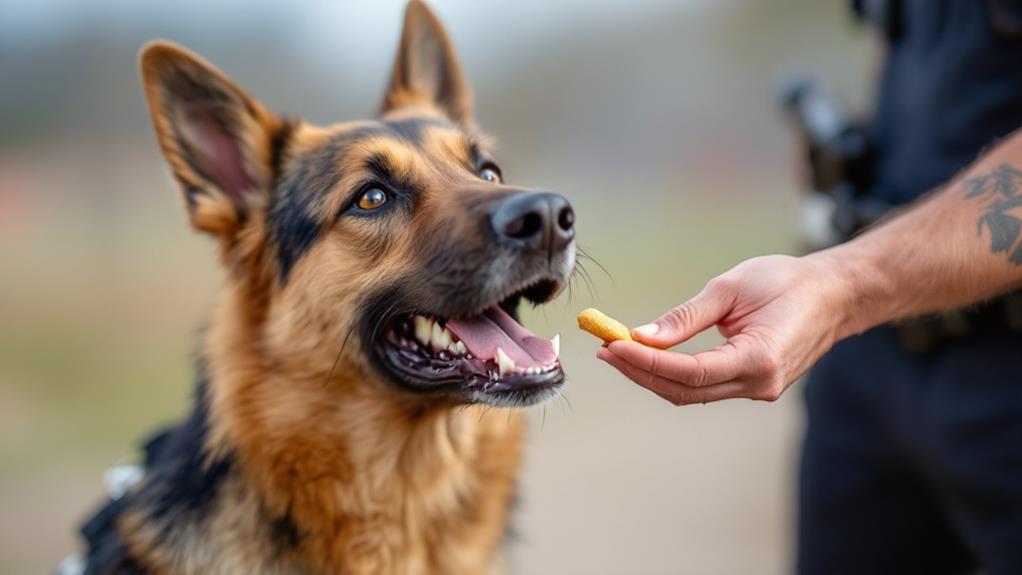
Motivation is the driving force behind a police dog's enthusiasm to learn and perform. K9s are keen learners when motivated by treats and rewards. These incentives are vital to their training, enhancing their performance and maintaining high engagement levels. As a handler, you play a significant role in this process, employing positive reinforcement to strengthen your bond with the dog. Praise and food rewards are tools that guarantee effective training sessions. Dogs are clever and sometimes indulge in playful mischief, pretending not to know a command just to earn extra treats. This behavior highlights their intelligence and passion for work.
Maintaining a rewarding environment is fundamental for keeping your K9 engaged. By integrating treat-based motivation into training, you improve their skill acquisition and enthusiasm to participate in operational duties. Here's how you can visualize this dynamic:
- Praise and Treats: Key tools that reinforce training and foster a strong bond with your dog.
- Playful Training: Sessions filled with fun, where dogs might feign ignorance for extra rewards.
- Engagement and Enthusiasm: A motivated K9 is always ready to learn, thanks to positive reinforcement.
Importance in Public Safety
Police dogs, or K9s, are vital assets in maintaining public safety. You might be surprised at how much they contribute to law enforcement. Their specialized skills allow them to excel in tasks like search and rescue, drug and explosives detection, and suspect apprehension. These abilities make them invaluable for improving the effectiveness of operations. K9s can detect substances and track individuals with a precision that surpasses human capabilities, making them fundamental partners in crime prevention and response.
Training is key to their success. K9s undergo rigorous programs that include basic obedience, agility, and specialized skills tailored to their duties. This preparation guarantees they're ready for any public safety scenario that comes their way. When you see a police dog at a public event, it's not just a comforting presence—it's a powerful deterrent to criminal activity, reinforcing the security of the community.
The teamwork between K9 units and law enforcement personnel is another significant factor. They form strong bonds, which improves collaboration and mission success. These four-legged heroes are more than just animals; they're dedicated partners in keeping communities safe and secure.