Family-Friendly Dogs: Small-to-Medium Breeds for Every Home
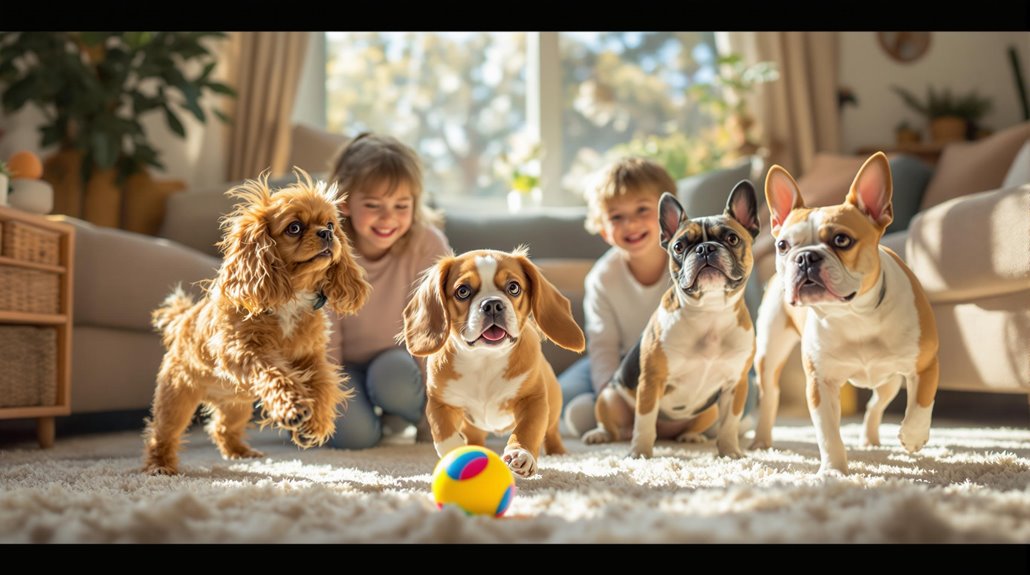
Choosing a family-friendly dog can be easy when you focus on small-to-medium breeds. Consider the French Bulldog or Boston Terrier if you're in an apartment. Need a laid-back companion? Pugs and Shih Tzus have moderate energy needs. Have kids? Beagles and Cavalier King Charles Spaniels offer affectionate, gentle companionship. Don't forget about grooming; Miniature Schnauzers need brushing, while Cavalier King Charles Spaniels require regular baths. Keep an eye on health with routine vet visits, and promote good behavior with positive training. Evaluating these aspects ensures your new furry friend fits seamlessly into your home. For more insights, explore these breed options.
Key Takeaways
- Small breeds like French Bulldogs and Boston Terriers are ideal for families with limited space.
- Energetic breeds such as Beagles require regular exercise to prevent behavioral issues in family settings.
- Labrador Retrievers and Golden Retrievers are gentle with children, making them ideal family companions.
- Regular grooming and dental care are essential for small breeds like Miniature Schnauzers to maintain health.
- Early socialization within the first 16 weeks is crucial for small dogs to reduce anxiety and adapt well.
Choosing the Right Breed
When you're choosing the right breed for your family, it's crucial to consider several factors that will ensure a harmonious match. First, think about the size of the dog in relation to your living space. Small dog breeds like the French Bulldog and Boston Terrier are perfect for apartments or smaller homes. These breeds don't just fit well physically but can also easily integrate into family life due to their adaptable nature.
Another key factor is the breed's energy level. If your family has a more laid-back lifestyle, you'll want to choose the right dog that matches this pace. Breeds such as the Pug and Shih Tzu have moderate exercise needs, making them ideal family pets for those who prefer a less active routine.
Grooming requirements are also something you shouldn't overlook. If you're ready to commit to regular grooming, the Bichon Frise is a delightful choice with its fluffy coat. On the other hand, breeds like the Bulldog require minimal grooming, which might be more convenient for busy families. By carefully considering these aspects, you can ensure that your choice of a family pet enhances your home, bringing joy and companionship to everyone. To further ensure a harmonious family dynamic, consider friendly breeds like Labrador Retrievers and Golden Retrievers, known for their gentle nature with children.
Understanding Temperament
Understanding a dog's temperament is like unlocking the door to a smoother, more harmonious family life. When you choose a dog with a gentle disposition, you're ensuring that your new furry friend will be a wonderful addition to your household. Breeds like Beagles and Cavalier King Charles Spaniels are known for their affectionate nature, making them ideal family companions. Their gentle demeanor ensures they're good with kids, creating a nurturing environment.
Playful breeds like Boston Terriers and French Bulldogs bring energy and sociability into your home. They thrive in family settings, encouraging positive interactions with children and adults alike. Their playful nature can turn ordinary days into joyful adventures, fostering a lively family dynamic.
Intelligent dogs such as Miniature Schnauzers and Papillons not only exhibit friendliness but are also highly trainable. Their alertness makes them excellent companions for active children, easily engaging in games and activities. Incorporating positive reinforcement during their training sessions can strengthen the bond and encourage good behavior.
For families seeking calmness, Bulldogs and Pugs are perfect choices. Their tolerant temperament offers a sense of security, especially for younger kids. Recognizing these unique traits helps you select a dog that complements your family's lifestyle, ensuring a harmonious and loving environment.
Size and Space Needs
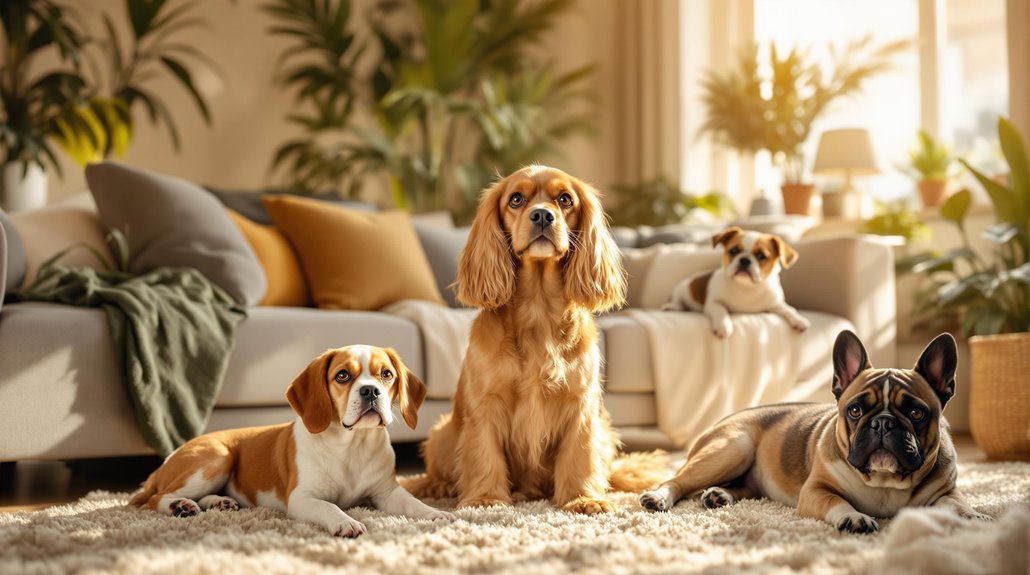
Selecting the right dog breed for your family often hinges on size and space needs. When living in an apartment or a smaller home, opting for small to medium breeds like the Cavalier King Charles Spaniel or Boston Terrier can be ideal for families. Their small size means they adapt easily to confined spaces, requiring less room than their larger counterparts. This makes them a great fit for families with limited space.
Space requirements are a crucial factor when choosing a family dog. Larger breeds may need more room to roam and could inadvertently harm small children during play. In contrast, smaller breeds like Dachshunds and Pugs thrive in urban environments and don't need expansive areas to feel comfortable. This adaptability is perfect for families with modest outdoor space.
Before bringing a furry friend into your home, assess your living environment. Consider how much space you have, and how a dog will fit into your family dynamics. A small to medium breed can comfortably coexist without feeling restricted, making them an ideal choice for many families. Ensuring the breed matches your space needs creates a harmonious environment for everyone. For those considering reptiles instead of canines, it's important to note that Bearded Dragons require a 55-75 gallon tank, which may also impact space considerations.
Energy and Exercise
Choosing the right dog for your family isn't just about space; their energy and exercise needs are equally important. Small to medium breeds vary widely in energy levels and exercise requirements. For instance, Beagles and Boston Terriers boast high energy levels and thrive on regular exercise. Daily walks and playtime are essential to keep them physically fit and mentally stimulated. Without adequate activity, they might become restless or develop behavioral issues.
On the other hand, breeds like the Cavalier King Charles Spaniel and French Bulldog are perfect for families with less active lifestyles. They have lower exercise needs, content with short walks and indoor play. This makes them ideal companions if you're looking for a more laid-back pet. Meanwhile, Pugs and Dachshunds fall somewhere in the middle. They benefit from regular walks and play sessions to manage their energy levels effectively.
The American Cocker Spaniel and its English counterpart enjoy agility and obedience training. These activities not only offer physical exercise but also provide necessary mental stimulation, keeping them engaged and happy. Understanding each breed's specific exercise needs is crucial for ensuring their well-being and a harmonious household. Additionally, the English Cocker Spaniel, with its joyful and adaptable nature, thrives on family interaction and regular exercise, making them a delightful addition to active families.
Grooming and Maintenance
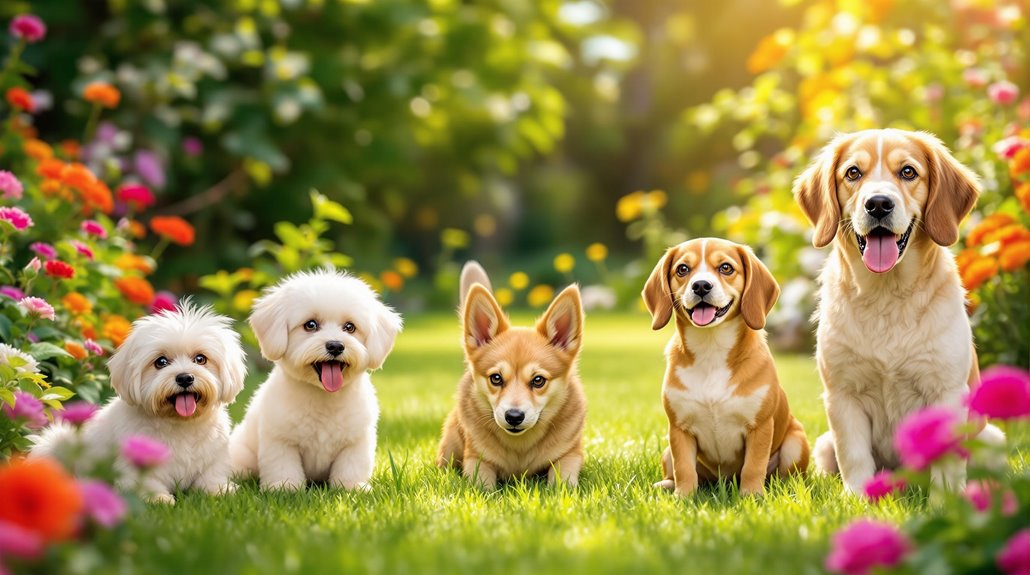
Grooming isn't just about keeping your dog looking good; it's crucial for their overall health and comfort. For small-to-medium breeds like the Miniature Schnauzer and Poodle, regular grooming is essential. You should brush their coats several times a week to prevent matting and tangles. Breeds such as the Cavalier King Charles Spaniel and Shih Tzu require frequent grooming, including baths every 4-6 weeks. Their long fur can easily trap dirt and debris, potentially causing skin irritations if not properly maintained.
It's important to use dematting tools to effectively remove mats from their coats. Don't overlook nail trimming, which is vital for all small breeds. Ideally, you should trim their nails every 2-4 weeks to prevent discomfort and walking issues. Remember, long nails can cause pain and even lead to posture problems. Regular ear cleaning is particularly important for breeds with long ears, like Basset Hounds and Cocker Spaniels. Their ears can trap moisture, leading to infections if not cleaned properly. Consistent dental care is vital for small breeds.
Brush their teeth regularly and provide dental chews to help reduce the risk of dental issues. Their small mouth sizes make them more susceptible to problems like plaque buildup, so maintaining their oral health is key.
Health Considerations
When you adopt a small dog breed, keeping an eye on their health is crucial due to the common issues they face. Dental problems are prevalent because of their smaller mouth sizes, leading to tooth decay if not properly managed. You should brush their teeth regularly and schedule dental check-ups.
Another health issue to watch out for is luxating patella, where the kneecap slips out of place, causing discomfort and mobility issues. This is especially common in toy breeds often chosen for families with small children. Heart issues are more frequent in older small breeds, making regular veterinary check-ups essential. These visits help detect problems early, allowing you to manage them effectively.
Eye conditions like cataracts and progressive retinal atrophy also require regular examinations to catch any developing problems. Although small dogs require less exercise, it's important to ensure they get their daily exercise to prevent obesity, which can lead to diabetes and joint issues.
A balanced diet and monitoring their weight are essential steps you can take to keep them healthy. By staying vigilant and proactive, you'll ensure your small dog remains a lively and loving companion for your family. Regular grooming and dental care contribute to their overall well-being, ensuring that they maintain good health and hygiene.
Training and Socialization
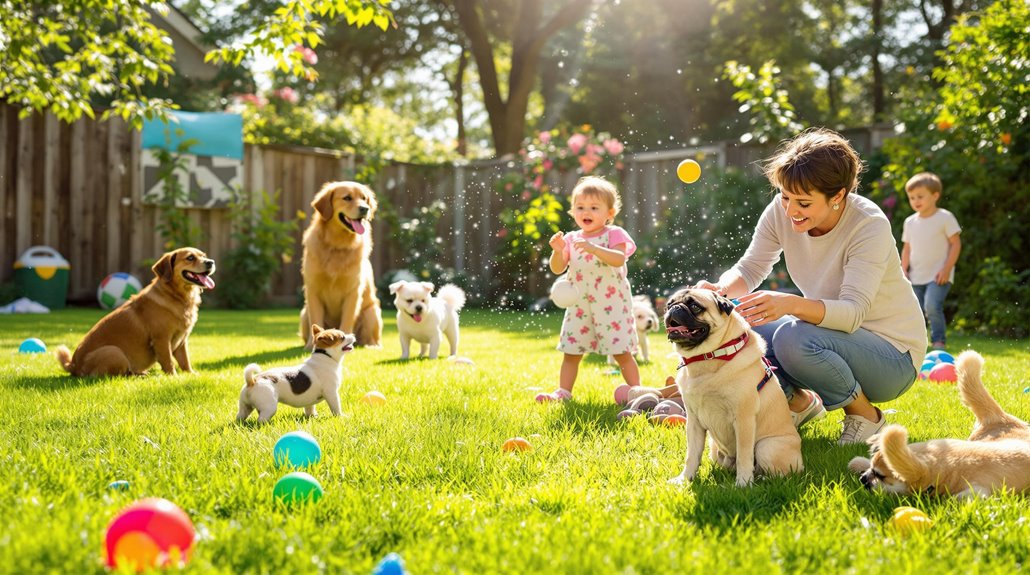
Taking care of your small dog's health sets the foundation for a happy life, but ensuring their well-being goes beyond physical health. Training and socialization play a pivotal role in your dog's development, especially for small-to-medium breeds. Early socialization is crucial; exposing your puppy to various environments, people, and pets during their first 16 weeks helps them develop confidence and adaptability. This exposure reduces anxiety and prevents behavioral issues as they grow, making them perfect companions in families with older children.
Training your small dog requires patience and consistency. Short sessions of 5-10 minutes work best, particularly for breeds like Pugs and Dachshunds, known for their stubborn streak. Use positive reinforcement techniques like treats and praise to encourage good behavior. This not only promotes learning but also strengthens your bond with your furry friend. Modern training techniques, such as clicker training, utilize distinct sounds to improve communication between you and your dog.
Regular training and socialization create well-adjusted dogs that thrive in family settings. They contribute positively to the household dynamic, adapting easily to new situations. With proper training and socialization, your small-to-medium breed dog will be a confident, loving, and integral part of your family, seamlessly fitting into your lifestyle.