Exotic Pets That Are Legal to Own: A Comprehensive Guide
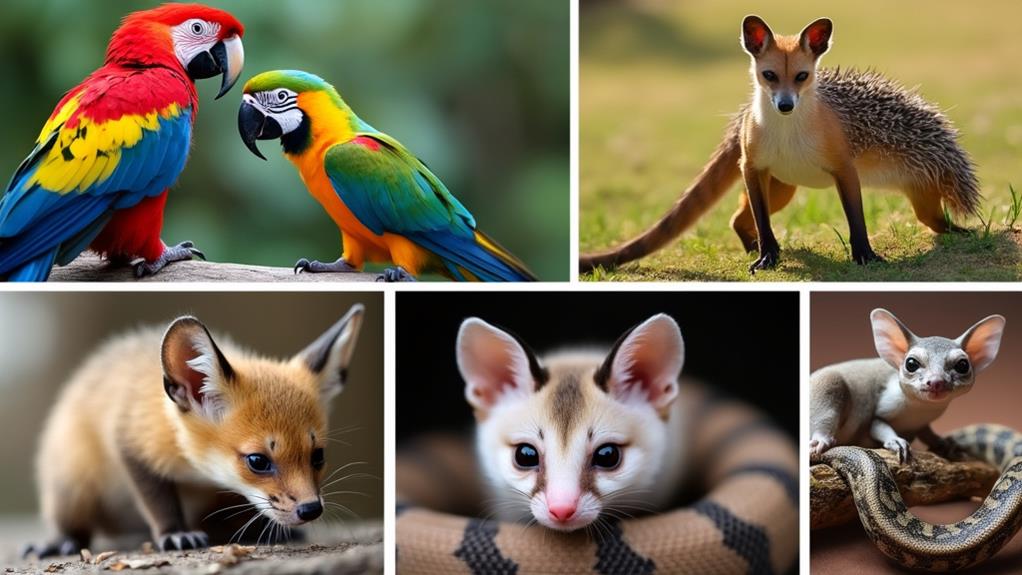
You can legally own different exotic pets, including fennec foxes, Bengal cats, sugar gliders, and guinea pigs. However, you need to verify they're legally permissible in your state and local area, as laws differ widely. Understanding their specialized care needs is essential, as is securing the necessary permits or licenses. Each species may have specific diet, habitat, and social requirements you must meet. Health and safety must be prioritized to prevent zoonotic diseases, requiring hygiene practices and specialized veterinary care. Exploring ethical sourcing options can also support conservation efforts. Uncover more about responsible ownership and potential choices.
Key Takeaways
- Verify state and local laws, as regulations for owning exotic pets can vary significantly across different regions.
- Obtain necessary permits or licenses to ensure compliance with legal requirements for exotic pet ownership.
- Research the specific care needs and potential risks associated with each exotic pet species.
- Source pets responsibly from reputable breeders or rescues to minimize illegal trade and zoonotic disease risks.
- Ensure access to specialized veterinary care for regular health monitoring and disease prevention of exotic pets.
Assessing Exotic Pet Suitability
When it pertains to evaluating exotic pet suitability, it's essential to investigate the specifics of each species. As a potential exotic pet owner, you should understand the suitability rating system, which ranges from 0 (no risk) to 5 (high risk). This system helps you gauge the associated risks of different exotic species. The World Wildlife Fund's Exotic Pet Suitability Guide is an important tool, as it assesses species based on conservation status, health risks, welfare needs, and potential invasiveness. This guide is designed to promote responsible exotic pet ownership and guarantee you're making informed decisions.
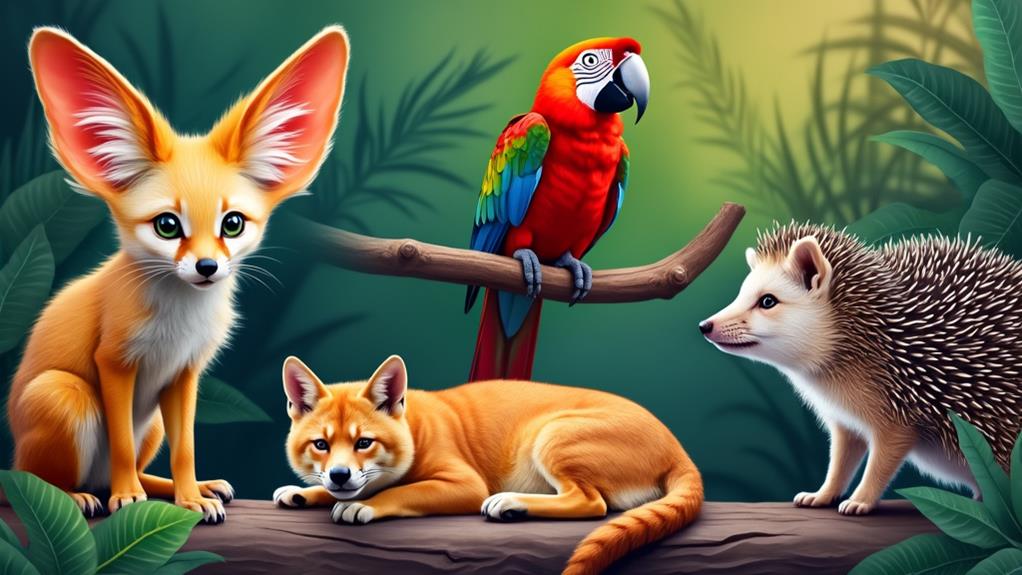
Take fennec foxes, for instance—they're rated as moderate risk due to their specialized care needs and potential for harmful behaviors. Meanwhile, tigers are deemed high risk, indicating they're unsuitable for domestic settings. Before acquiring any exotic pet, thoroughly research the individual risks associated with the animal's origin and your circumstances. It's critical to provide proper veterinary care and suitable habitats while committing to the long-term welfare of your chosen exotic species. By understanding these factors, you can better assess if a particular exotic pet aligns with your capabilities and lifestyle.
Legal Considerations for Ownership
Understanding the risks and responsibilities of exotic pet ownership is just one part of the expedition; legal considerations are likewise significant. In relation to keeping exotic animals, state laws can be a complex maze. Each state has its own regulations, and within those, local laws may contribute further layers of requirements. For instance, the legal status of possessing wild species like fennec and arctic foxes in Texas hinges on county-specific permits, while red and gray foxes are entirely prohibited.
Before you decide on a unique pet, you must research the specific species of wild animals you're interested in. Many states, like Alabama, necessitate a license or permit for the possession of exotic animals, especially for non-native species. It's vital to check if your intended pet falls under such regulations. Local ordinances might impose additional restrictions beyond state laws, so verifying these is fundamental to avoid any legal trouble.
Don't overlook potential grandfather clauses, which may allow you to keep certain animals if they were owned before new laws came into effect. Ensuring compliance with every level of regulation safeguards both you and your exotic pet.
Responsible Pet Ownership Tips

Commitment is key in relation to responsible exotic pet ownership. Before bringing an exotic pet into your home, research its specific care needs, dietary requirements, and potential lifespan. This guarantees you can meet their long-term needs and promote their animal welfare. Verify the legal status of the exotic pet in your state and local area since regulations can vary greatly. Some areas might require permits, so guarantee compliance with local laws.
Responsible pet ownership means sourcing your exotic pet from reputable breeders or rescues. This reduces the risk of zoonotic diseases and supports ethical practices in animal care. Once you have your pet, focus on habitat care. Create an environment that reflects the natural habitat of the species, including appropriate space, enrichment, and environmental conditions to support their well-being.
Health and safety are paramount, and regular veterinary check-ups are essential. Seek a veterinarian who specializes in exotic animals to monitor your pet's health and prevent diseases. By taking these steps, you not only fulfill legal and ethical responsibilities but also guarantee a fulfilling relationship with your exotic pet. Remember, responsible pet ownership benefits both you and your pet.
Health and Safety Concerns
As you welcome the joys of exotic pet ownership, it's important to be aware of the health and safety concerns that accompany these unique companions. Exotic animals can carry zoonotic diseases, which are transmissible to humans. Understanding the health risks associated with specific species and their breeding conditions is significant. Research thoroughly before bringing any exotic pet into your home.
Species selection is critical in minimizing risks. Some exotic pets might have dangerous traits, like large teeth or venom, posing injury risks. Choose species that can safely coexist in your home environment. Proper hygiene practices are another key component in preventing health risks. Regularly clean enclosures and wash your hands after handling your exotic animals to reduce the chances of disease transmission.
Veterinary care is indispensable. Exotic animals require specialized care from vets experienced with their unique needs. Regular check-ups help monitor your pet's health and catch potential issues early. By staying vigilant and informed, you can enjoy the companionship of exotic pets while ensuring both your safety and theirs. Remember, responsible ownership not only benefits your pet but also contributes to a healthy household environment.
Sustainable Pet Sourcing
Regarding exotic pet ownership, sourcing your pet sustainably is vital for both ethical and environmental reasons. Sustainable sourcing involves choosing pets from reputable breeders or legal rescue organizations. These options help mitigate risks to wildlife populations and uphold ethical practices in the pet trade. Opting for captive-bred pets is also significant as they lessen the demand for wild-caught animals, reducing the risks of population declines and habitat destruction.
To confirm you're sourcing legally, look for documentation like breeding certificates, microchips, and rescue tags. These documents verify that your pet has been obtained in compliance with regulations. Organizations like CITES (Convention on International Trade in Endangered Species) offer guidelines to assess the conservation status of species and regulate their trade, promoting sustainable practices.
Here are some key points to keep in mind:
- Choose reputable breeders who follow ethical practices.
- Verify legal sourcing through proper documentation.
- Support legal rescue organizations that protect wildlife.
- Opt for captive-bred pets to help conservation efforts.
- Educate yourself and others to foster responsible pet ownership culture.
Exotic Pet Regulations by State
Understanding the legal landscape is just as essential as sustainable sourcing in relation to exotic pets. Each state has its own set of laws regarding the ownership of exotic animals. For instance, Alabama allows you to possess exotic animals if you have the necessary permits, while Alaska imposes a complete ban. Florida differentiates between types of wildlife; owning Class I Wildlife is prohibited unless you had them before 1980, but you can possess Class II Wildlife with a permit.
In Texas, regulations are even more nuanced, as county-specific rules come into play. Some counties permit fennec foxes and certain canines with permits, but others, like red and gray foxes, are off-limits. Meanwhile, New Jersey imposes strict laws on potentially dangerous species, though licensed zoos and exhibitors can keep them under specific conditions.
It's not just state laws you need to take into account; local ordinances can add layers of complexity. Always check your county or city regulations before diving into the pet trade. This diligence not only guarantees compliance but also supports wildlife conservation efforts by preventing illegal ownership and trade of exotic animals.
Understanding Permits and Licenses

Why are permits and licenses so important regarding owning exotic pets? They guarantee you're complying with state laws and regulations, which are significant for both the safety of the exotic animals and the public. In Texas, for instance, a license is necessary for possessing dangerous wild animals like big cats and primates, with permits issued by the Texas Parks and Wildlife Department. Each state has its own set of regulations, so checking local laws is a must. States like Florida and New Jersey require permits for specific species, emphasizing the necessity of staying informed.
Here's what you need to keep in mind:
- Check State and Local Laws: Regulations vary widely, so always verify what's required in your area.
- Non-Native Species: Permits may be mandatory, with some states offering exemptions for animals owned before certain dates.
- Liability Insurance: While not always required, it's recommended to protect against potential injuries or damages.
- Compliance is Key: Failure to follow permit requirements can lead to fines and animal confiscation.
- Stay Updated: Laws can change, so regular checks guarantee you remain in compliance.
Understanding and obtaining the necessary permits and licenses is critical to avoid legal penalties and guarantee a safe environment for your exotic pet.
Ethical Pet Ownership Practices
In regards to owning exotic pets, embracing ethical practices is vital for the well-being of both the animals and the broader environment. Start by sourcing your exotic pets from reputable breeders or legal sources. This reduces the risk of supporting illegal trade and addresses significant animal welfare concerns. Confirming that these creatures are raised in ethical conditions contributes to responsible ownership.
Understanding the long-term care needs of your exotic pets is imperative. Many species require specialized environments and diets to thrive in captivity. You must commit to meeting the five freedoms: freedom from hunger, discomfort, injury, normal behavior, and fear. These principles are key for maintaining a good quality of life for your pets.
Don't overlook the importance of researching local laws and regulations regarding exotic pet ownership. Compliance with these laws not only protects your pets but also safeguards local ecosystems. It's your responsibility to verify that your pet ownership practices don't harm the environment.
Popular Legal Exotic Pets
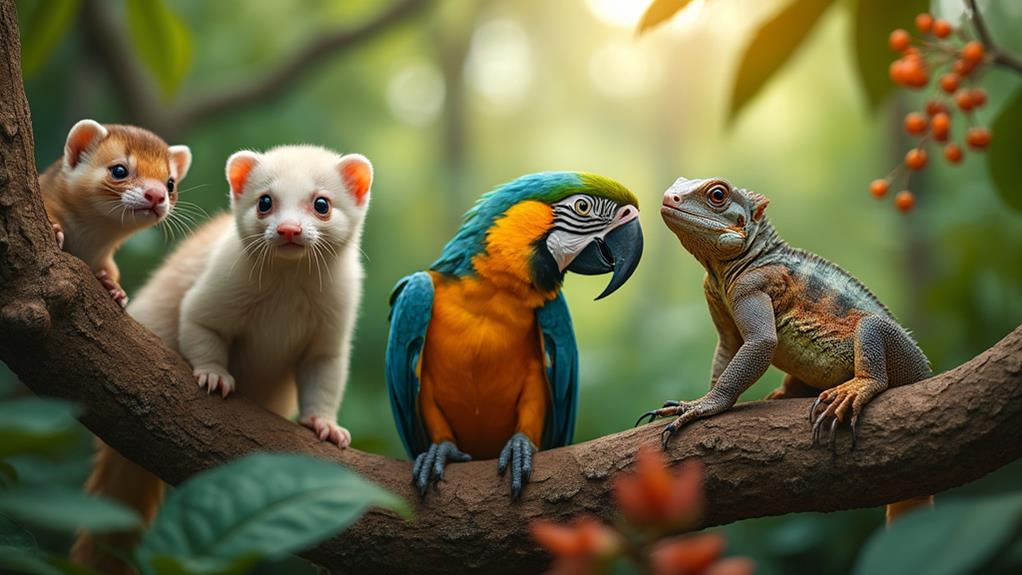
Regarding owning exotic pets, you'll find a variety of species that are both fascinating and legal to keep. These popular exotic pets offer the joy of unique ownership experiences while complying with legal standards. Each species has its own charm and special requirements that make them standout companions.
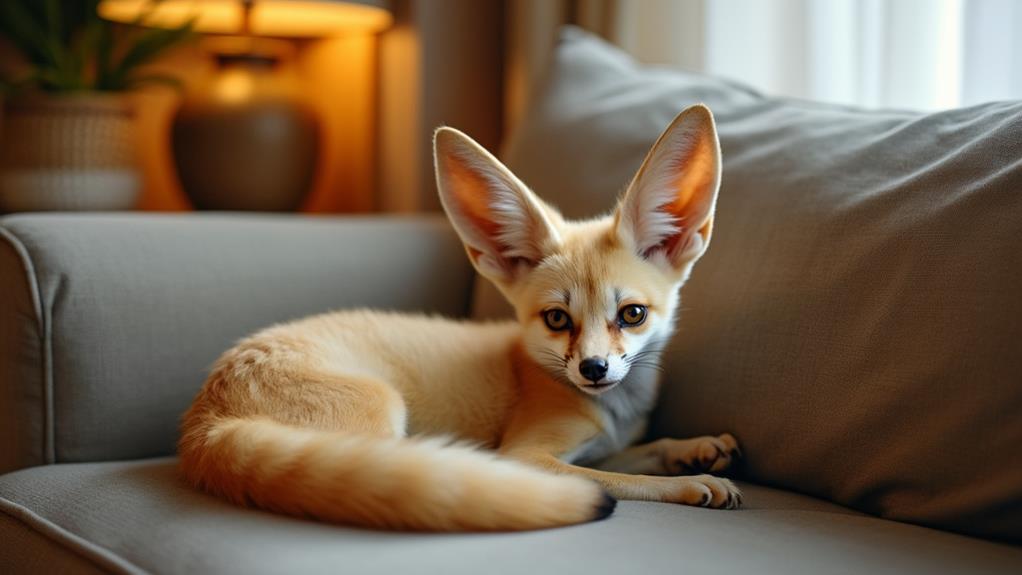
- Fennec Foxes: Known for their large ears and playful nature, these foxes are a moderate risk exotic pet. Ownership depends on local laws, and you might need a permit.
- Bengal Cats: With their striking appearance resembling wild cats, Bengal cats are legal in many states. Always check your local regulations, as permits may be necessary.
- Sugar Gliders: These small, social marsupials are a hit among exotic pet enthusiasts. They require companionship and specific care to flourish.
- Dwarf Hamsters: Legal and commonly kept, these tiny pets are easy to care for and have a short lifespan of 2-3 years, making them a great choice for beginners.
- Guinea Pigs: These gentle pets are legal and loved for their calm demeanor. They require regular care and can live up to 8 years with proper attention.
Selecting a popular exotic pet involves understanding the legal aspects and commitment required for each species.
Exotic Pet Care Essentials
Caring for exotic pets requires a detailed understanding of their specific needs to guarantee they thrive in your home. Each exotic pet has unique habitat, dietary, and social requirements. You'll need to explore research to verify you're meeting these necessities for their well-being and longevity. Their environment should mimic their natural habitat, which might include a specific cage size, enrichment activities, and precise temperature control.
When it comes to veterinary care, not every vet is prepared to treat exotic pets like fennec foxes. Finding a veterinarian who's experienced with your pet's species is fundamental. Regular check-ups, vaccinations, and parasite control are important to prevent zoonotic diseases, which can be passed from animals to humans.
Prior to acquiring any exotic pet, understanding the legal requirements is significant. You'll need to confirm you have the necessary permits to comply with regulations and practice responsible ownership. Animal welfare should always be a priority; this includes providing proper care and maintaining an environment that supports their health and happiness. By meeting these needs, you're not only safeguarding your pet's welfare but also creating a fulfilling experience for both you and your exotic companion.