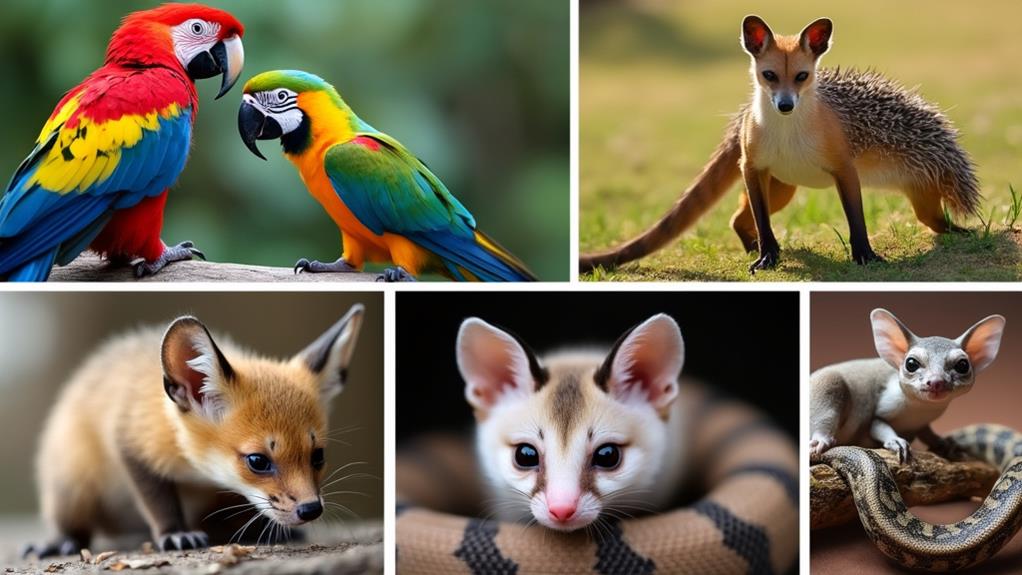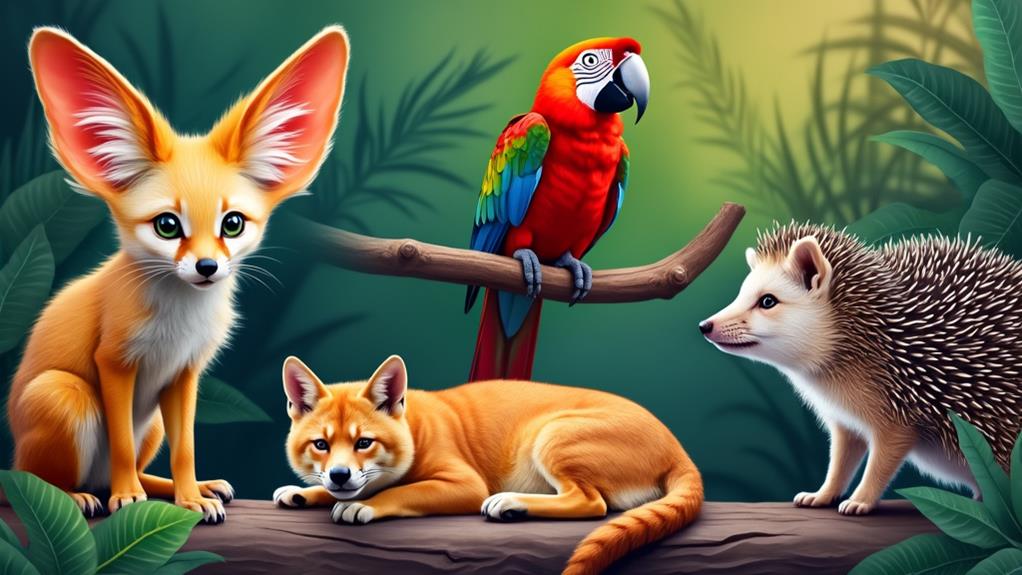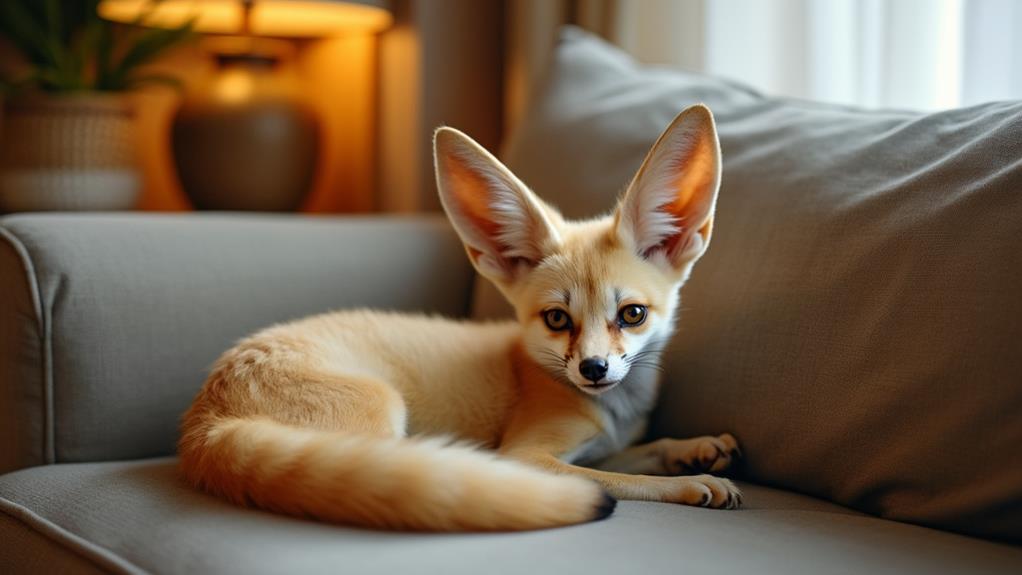
Exotic Pets Around the World: Unique and Unusual Companions
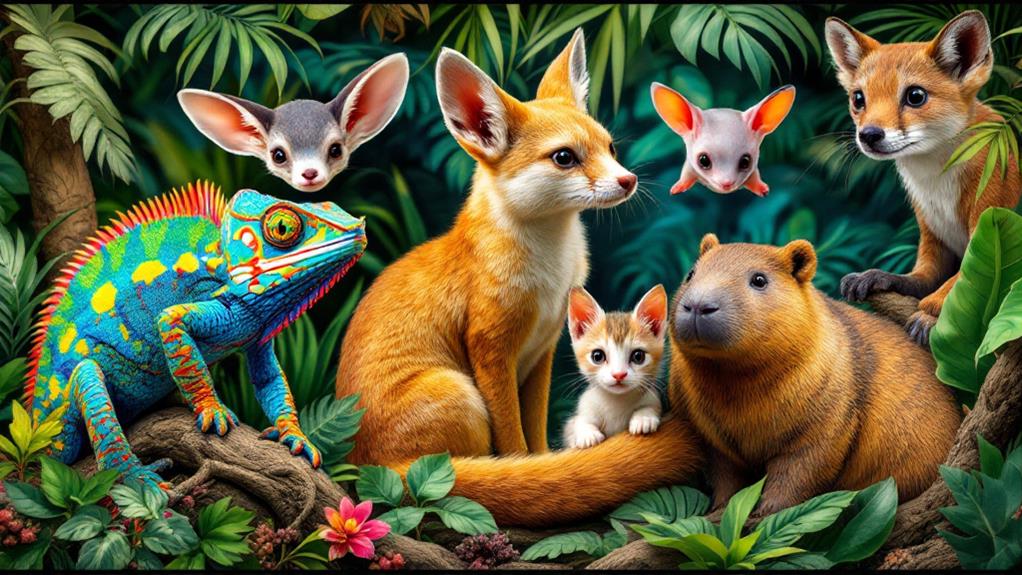
Discover the enchanting domain of exotic pets found worldwide, where unique companions like kinkajous, servals, and toucans bring diverse charm to your life. In Asia, the playful macaques fit cultural admiration for distinct creatures, while Africa's servals embody the local joy for wildlife. Owning these pets offers you educational and emotional benefits but demands understanding of the legal, financial, and time commitments involved. With animals like axolotls and bearded dragons needing specific habitats and care, they promise rewarding relationships. Accept these challenges to experience the extraordinary companionship these unique creatures can provide as you plunge yourself further.
Exotic Pets in Different Cultures
In the domain of exotic pets, cultural influences play a significant role in shaping preferences around the world. When you investigate different cultures, you'll notice that unique animal companions are often chosen based on local traditions and ecological diversity. In Asia, kinkajous and macaques are popular, reflecting a deep cultural appreciation for these distinctive creatures. They aren't just pets; they're part of a rich tapestry of human-animal relationships that have existed for centuries.
Travel to Africa, and you'll find servals and meerkats capturing hearts with their playful and social behaviors. These animals are more than just exotic pets; they're a reflection of the continent's lively wildlife and the joy these creatures bring to their owners. In the Americas, the colorful toucans and curious coatimundis highlight the region's incredible biodiversity, making them prized exotic pets that represent the ecological richness of their habitats.
Meanwhile, in Europe, you'll encounter European ferrets and Eurasian lynxes. These animals, revered for their distinctive traits, embody local traditions and histories. Oceania, with its axolotls and wallabies, showcases a commitment to preserving its unique fauna, embracing these animals as cherished exotic pets.
Advantages of Exotic Companions
Owning exotic pets offers a variety of advantages that extend beyond the typical pet ownership experience. When you bring exotic animals into your life, you gain a unique educational expedition. These pets provide insights into biodiversity and conservation, allowing you to learn about different ecosystems and the animals that inhabit them. With each interaction, you deepen your understanding of the natural world.
Caring for exotic animals often requires specialized knowledge and attention, leading to stronger bonds and emotional connections. As you meet their unique needs, you develop a companionship that's truly fulfilling. These special relationships can enrich your life, offering therapeutic benefits like stress relief and improved mental well-being.
Exotic pets also make fantastic conversation starters. Sharing your experiences and knowledge about these unique companions can strengthen social connections with others who share your interests. It's a great way to advocate for wildlife awareness and environmental issues, promoting responsible ownership and conservation efforts.
Challenges and Responsibilities
Why is owning an exotic pet such a challenging endeavor? Around the world, exotic animals capture the imagination, but their care requires dedication and informed responsibility. The initial hurdle is maneuvering complex legal regulations. Laws differ by region, so you must thoroughly research local requirements before acquiring any unique animal. This legal landscape can be intimidating, but it's crucial for both your pet's welfare and your peace of mind.
Additionally, the specialized care these exotic creatures demand is no small feat. You need to guarantee their diet and habitat closely replicate their natural environment. This might mean sourcing specific foods or creating elaborate enclosures that fit their needs. The financial investment is another critical aspect. Costs can quickly add up, including:
- Specialized diets and habitat setups
- Regular veterinary care specific to exotic species
- Ongoing maintenance and supplies
Time is another investment you can't ignore. Exotic animals often require daily interaction and mental stimulation to thrive. Without it, they can develop behavioral issues. Finally, be mindful of health risks. Exotic pets can carry zoonotic diseases, so regular veterinary check-ups are a must to prevent illness and guarantee their well-being.
Popular Unique Pets
From axolotls to green-cheeked conures, exotic pets captivate animal enthusiasts with their intriguing characteristics and unique care needs. If you're considering an exotic pet, you might be drawn to the fascinating world of axolotls. These unique amphibians can grow up to 18 inches and live for up to 15 years. Hedgehogs, native to Africa, offer a charming option with their solitary nature and insectivorous diet. They require soft bedding and cages similar to those for guinea pigs or rabbits.
For reptile lovers, bearded dragons from Australia are a popular choice. These medium-sized lizards thrive in a 55-75 gallon tank and enjoy a varied diet of insects and leafy greens. Ducks, especially friendly breeds like Pekin, make unique backyard pets. They live around 10 years and need outdoor housing with access to clean water.
Meanwhile, green-cheeked conures, colorful parrots from South America, demand spacious cages and social interaction. They're highly intelligent and thrive with mental stimulation. And let's not forget the capuchin monkey, a popular choice for those seeking a truly unique companion. These intelligent primates require extensive interaction and enrichment to flourish in a home environment.
Caring for Exotic Animals
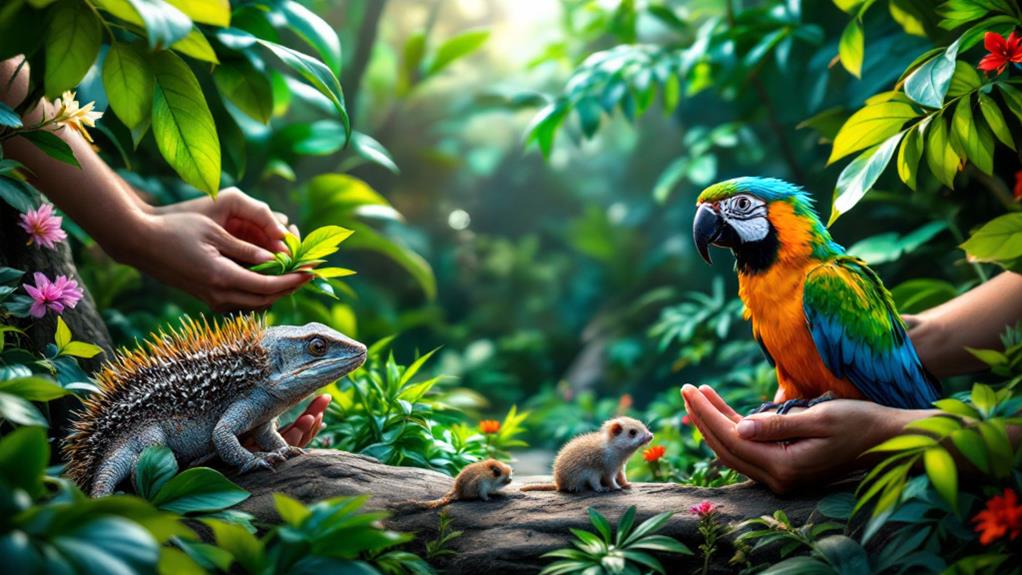
When you're captivated by the allure of exotic pets, understanding their care needs becomes a top priority. These fascinating creatures often require environments that mimic their wild habitats. For instance, axolotls thrive in a 20-40-gallon aquarium, while bearded dragons need a 55-75 gallon tank equipped with climbing structures. Ensuring they have the right habitat is vital for their well-being.
To keep your exotic pet healthy and happy, consider these essentials:
- Dietary Needs: Bearded dragons enjoy a mix of insects, leafy greens, and fruits, while ducks need a diet of commercial pellets and fresh vegetables.
- Socialization: Conures require daily interaction to prevent behavioral issues, whereas ducks should be kept in groups for social fulfillment.
- Veterinary Care: Regular check-ups are essential, with hedgehogs needing dental and parasite care, while conures should be monitored for common parrot illnesses.
Physical activity is another significant aspect of caring for exotic animals. Green-cheeked conures, for example, benefit from spacious cages (at least 24 inches square) and supervised exercise outside of it. Ultimately, a well-cared-for exotic pet can become a cherished companion, providing unique joy and companionship.
Celebrity Exotic Pet Owners
Celebrities often captivate the public with their extravagant lifestyles, and owning exotic pets is no exception. These celebrity exotic pet owners often choose animals that reflect their unique personalities and interests. Take Mike Tyson, for instance, who famously lived with a 550-pound white Bengal tiger named Kenya. The sheer size and presence of such a pet illustrate the allure and complexity involved in exotic pet ownership.
Kirstie Alley's passion for conservation led her to care for 14 lemurs, drawing attention to the plight of endangered species in Madagascar. Her dedication shows how some celebrity exotic pet owners use their platform to raise awareness about significant causes.
On the other hand, Nicolas Cage's ownership of two albino king cobras and a range of other reptiles highlights the more extravagant and controversial side of celebrity exotic pet choices. Such decisions can spark both fascination and debate among fans.
Paris Hilton's kinkajou, Baby Luv, once bit her, emphasizing the potential dangers of owning exotic animals, even for those accustomed to the spotlight. Likewise, Justin Bieber faced legal challenges when his capuchin monkey, OG Mally, was confiscated in Germany, underlining the regulatory risks celebrity exotic pet owners may encounter.
Legal and Ethical Considerations
Understanding the legal and ethical considerations of exotic pet ownership is vital for prospective and current owners. Legal regulations differ drastically around the globe. Some regions require permits, while others ban specific species to protect both wildlife and public safety. In places like the United States, more tigers live in captivity than in the wild, raising significant ethical concerns. Such statistics highlight the significance of understanding the impact of keeping exotic animals as pets.
When considering exotic pet ownership, keep these points in mind:
- Legal compliance: Research your local laws. Some areas prohibit ownership of dangerous species like big cats and primates.
- Ethical responsibility: Consider the welfare of the animal. Critics argue that captivity can lead to health and behavioral issues.
- Community safety: Understand the risks these animals may pose to your household and neighborhood.
Ethical debates often focus on if it's right to keep wild animals as pets. Advocacy groups stress responsible ownership, emphasizing that understanding these legal and ethical implications is vital. Abandonment or neglect not only harms the animal but can also result in legal consequences for the owner. Always prioritize the well-being of the animal and the community when considering an exotic pet.