Essential Safety Precautions to Follow at a Horse Stable
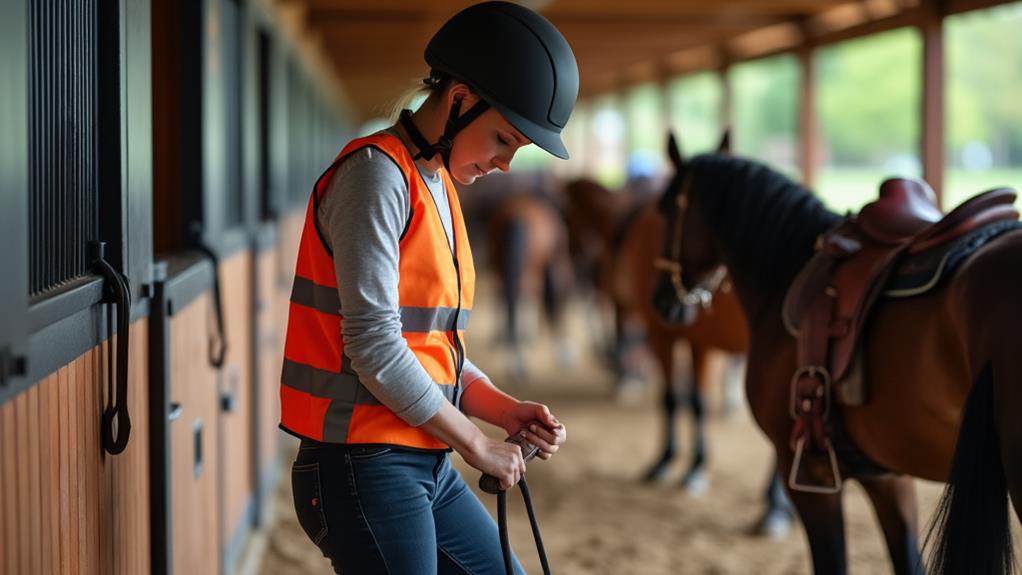
When you're at a horse stable, start by approaching horses from the side, speaking softly to keep them calm. Use a lead rope with a fitted halter, and tie using a quick-release knot. Always wear appropriate safety gear like an ASTM-certified helmet and riding boots. For grooming, stand near their shoulder or hindquarters and secure them with a halter. Verify all equipment is regularly inspected for safety. Establish an emergency plan and keep areas free of hazards, toxic plants, and debris. Maintain secure fencing, and always monitor pasture conditions. There's plenty more to know for a safe stable experience.
Key Takeaways
- Approach horses from the side and speak softly to avoid startling them.
- Wear ASTM-certified helmets and riding boots with hard toes for protection.
- Regularly inspect and maintain fencing to prevent horse escapes.
- Ensure the stable is free from sharp objects and toxic plants.
- Train staff on emergency plans and conduct regular safety drills.
Approaching and Handling Horses
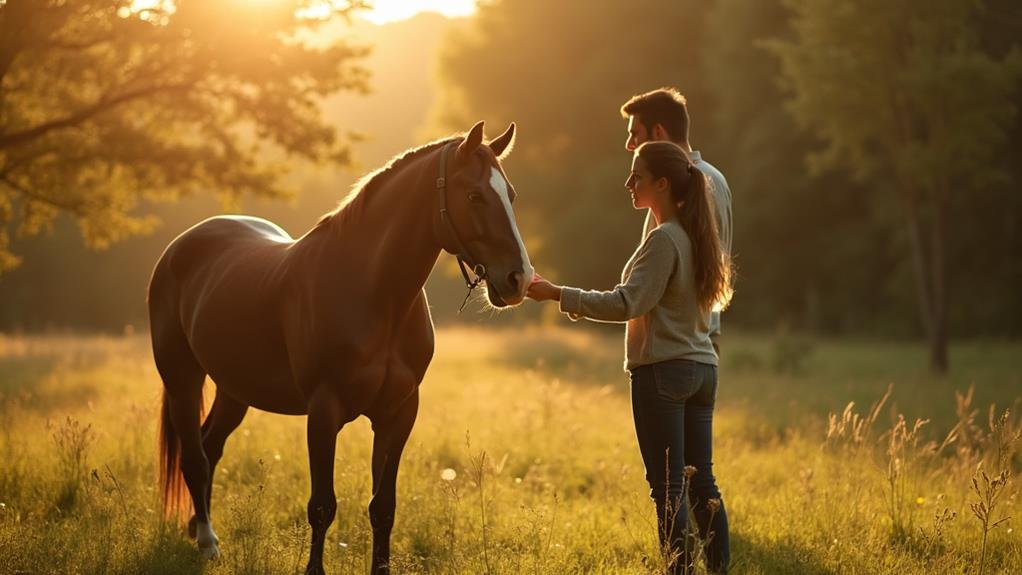
When approaching and handling horses, it's crucial to prioritize safety and establish trust. Start by approaching a horse from the side, avoiding its blind spots, as these animals can't see directly in front or behind them. This simple safety precaution helps prevent startling the horse and reduces the risk of accidents and injuries. As you get closer, speak softly to alert the horse to your presence. Your voice can be a calming influence, helping to set a positive tone for interaction.
Before touching the horse, confirm your initial contact is on the neck or shoulder. This area is less sensitive, allowing the horse to feel more comfortable and understand your intentions. When you're ready to lead the horse, always approach from the left side, also known as the near side. Use a halter and lead rope for secure control, following traditional safety practices that have proven effective over time.
Always be mindful of the horse's body language and feet. Sudden movements from you or the horse can lead to accidents. By observing these precautions and handling techniques, you can create a safer environment for both you and the horse, minimizing potential risks.
Leading and Tying Techniques
Leading and tying techniques are essential for safely managing horses. When leading a horse, always use a lead rope attached to a properly fitted halter. This guarantees you maintain control and adhere to safety standards. Avoid coiling the lead rope around your hand or body, as a sudden pull could result in serious injury. Instead, hold the rope firmly yet loosely enough to maintain flexibility.
When it comes to tying, safety is paramount. Always use a quick-release knot at eye level and within arm's length. This knot allows fast action in emergencies, preventing panic or injury to the horse. Ascertain the area where you tie the horse is free from hazards and distractions. Use solid objects for tying to prevent the horse from escaping.
Maintain a calm demeanor throughout the process. Sudden movements or loud noises can startle a horse, leading to potential accidents. By staying composed, you help keep the horse safe and comfortable.
Grooming and Care Standards
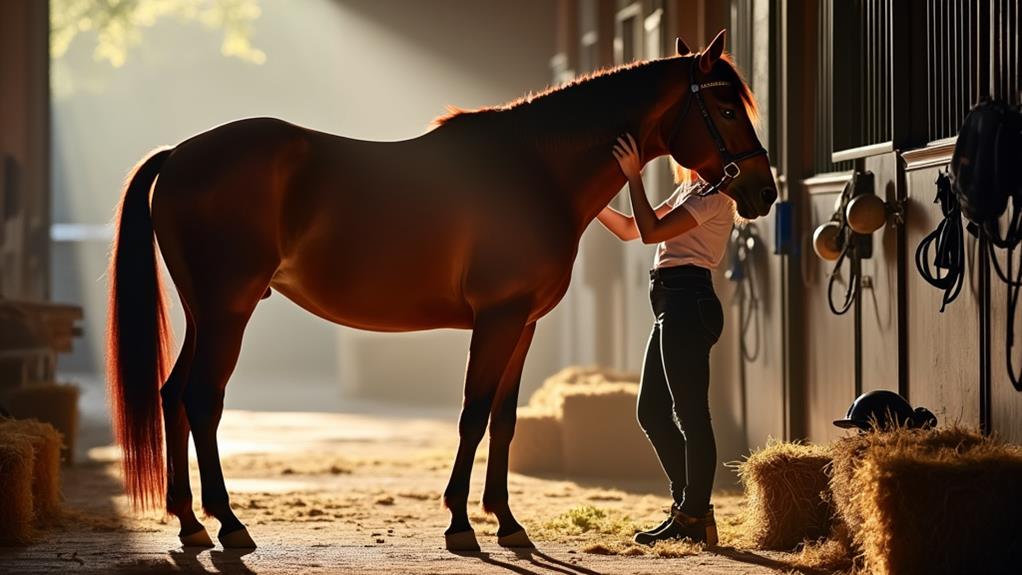
Grooming and care standards are vital for guaranteeing both the safety and well-being of your horse. By adhering to proper grooming techniques, you not only keep your horse clean but also guarantee you're following significant safety rules. Always stand near the horse's shoulder or hindquarters. This position helps you avoid kicks and maintain a safe stance. Secure your horse with a halter and lead rope during grooming to prevent sudden movements that might cause accidents. Never leave your horse unattended while grooming—consistent supervision is key.
When cleaning hooves, remember not to kneel or crouch. Instead, position yourself in a way that allows for a quick escape if needed. This guarantees you can react swiftly to any unexpected behavior. Regular grooming also serves as an opportunity to monitor your horse's condition. Early detection of skin issues, injuries, or signs of illness can prevent more serious problems later.
Keep your grooming area in working order. This means promptly removing manure and dirt to avoid slips, guaranteeing a safe environment for both you and your horse. Following these grooming and care standards not only promotes safety but also improves your horse's health.
Safety Gear Essentials
Proper safety gear is vital for guaranteeing both your safety and your horse's well-being during any equestrian activity. Start with a properly fitted ASTM/SEI certified helmet—it's your best defense against head injuries in the event of falls or accidents. Don't skimp on this fundamental piece of protective equipment; a helmet that's not certified or doesn't fit well won't offer the protection you need.
Next, choose the right footwear. Riding boots with hard toes and heels are necessary. They shield your feet from potential injuries caused by horse hooves or equipment mishaps. Your choice of footwear plays a significant role in maintaining stability and safety while riding.
Safety vests are another piece of protective equipment worth considering, especially during high-risk activities like cross-country jumping. They offer added protection to your torso, reducing injury risk in case of falls.
Regularly inspect all your safety gear, including helmets and stirrups, to confirm they're in good condition and free from damage. Don't forget to tailor your equipment, like gloves and knee pads, to the specific activities you plan to engage in with your horse. Proper maintenance and selection can make all the difference in your equestrian safety.
Riding Safety Tips
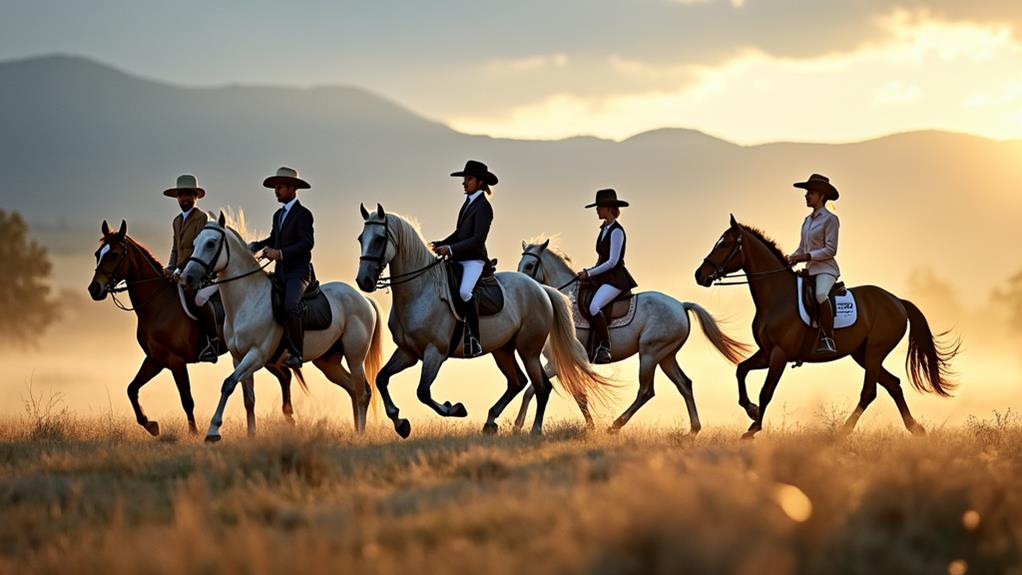
With your safety gear in place, it's essential to focus on riding safety tips that can further protect you and your horse during equestrian activities. Initially and foremost, always wear a properly fitted ASTM-certified helmet. This important piece of safety gear considerably reduces the risk of head injuries if you fall or have an accident while riding.
Before mounting, inspect all tack and equipment. Make sure everything is in good condition and secure to prevent malfunctions during your ride. Confirming your tack is reliable helps maintain control and stability, which is critical for both your safety and your horse's.
While riding, maintain a safe environment by being aware of any potential hazards like uneven ground, obstacles, or other riders and animals nearby. This awareness helps you react promptly to avoid accidents. Also, keep the reins in contact and maintain a secure grip, especially when mounting or dismounting, to guarantee control over your horse.
Emergency Preparedness Strategies
One fundamental aspect of ensuring safety at a horse stable is having a robust emergency preparedness strategy. Start by establishing a clear emergency plan that details evacuation routes and meeting points for both horses and humans. This plan should cover diverse emergencies like fires or severe weather, ensuring everyone knows exactly what to do. It's essential to train all staff and volunteers on how to safely lead and secure horses during panic situations, reducing risks and ensuring a swift evacuation.
Make sure you have a fully stocked primary-aid kit accessible in the stable, containing fundamental items such as bandages, antiseptics, and emergency contact numbers. Keep separate kits for both horses and humans, and check them regularly to replace used or expired items. Regularly conducting drills for emergency scenarios is vital. These drills help everyone become familiar with the procedures, making it easier to respond quickly and effectively when real emergencies arise.
Additionally, install and maintain communication devices like phones or radios in the stable area. These devices are crucial for contacting emergency services promptly in case of an accident or injury. By following these strategies, you can greatly improve the safety and preparedness of your horse stable.
Turnout and Pasture Safety
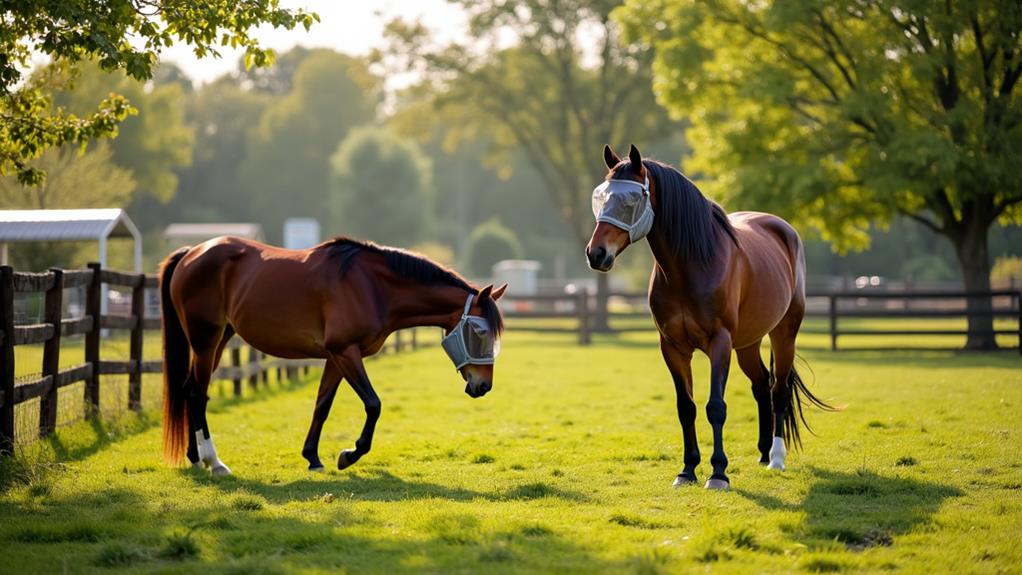
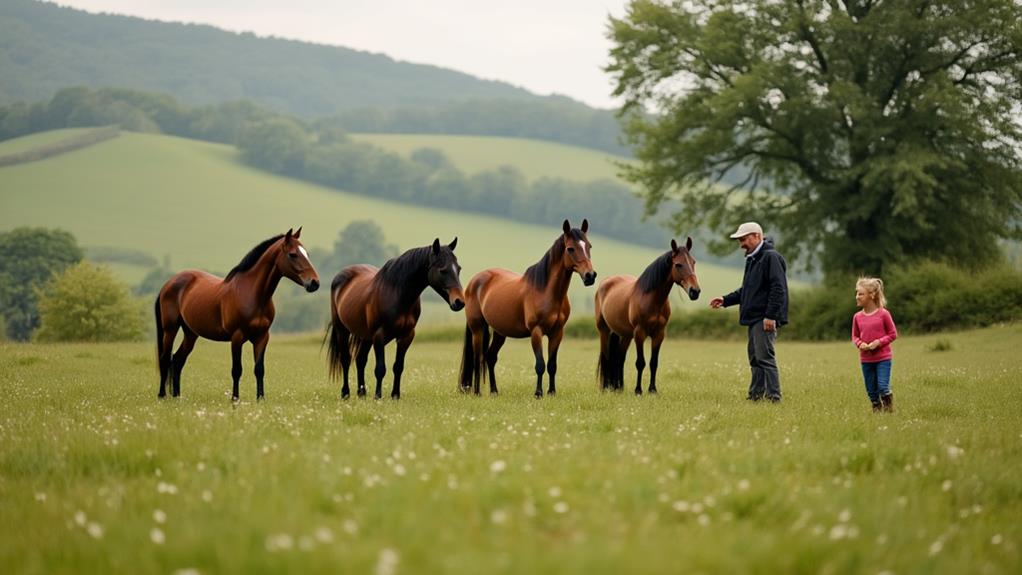
While emergency preparedness guarantees safety during unforeseen events, everyday safety begins with turnout and pasture management. Focusing on turnout and pasture safety guarantees a secure environment for your horses. Start by confirming that the fencing enclosing the turnout areas is sturdy and stands at least 4-6 feet high. This height prevents escape and deters predators, keeping your horses safe in their designated areas.
Regular inspections of the pasture are vital. Be vigilant about removing hazards like sharp objects or toxic plants. Look out for any debris that could injure your horses. It's also important to maintain well-drained footing in the pastures. Ruts and stones can cause slips or injuries, so regular maintenance helps in preventing these risks.
Confirm your horses have access to adequate shade and water in their turnout areas to avoid heat stress, especially during hot weather. Also, monitor the condition of gates. They should be at least 4 feet wide and free of sharp edges to allow safe access.
- Inspect fencing: At least 4-6 feet high.
- Remove hazards: Sharp objects, toxic plants.
- Maintain footing: Well-drained to prevent slips.
- Provide necessities: Adequate shade and water.
- Check gates: 4 feet wide, no sharp edges.
Prioritize these steps to optimize safety in your horse stable.
Related posts