Essential Gear for Your New Puppy: Must-Have Items for Your Furry Friend
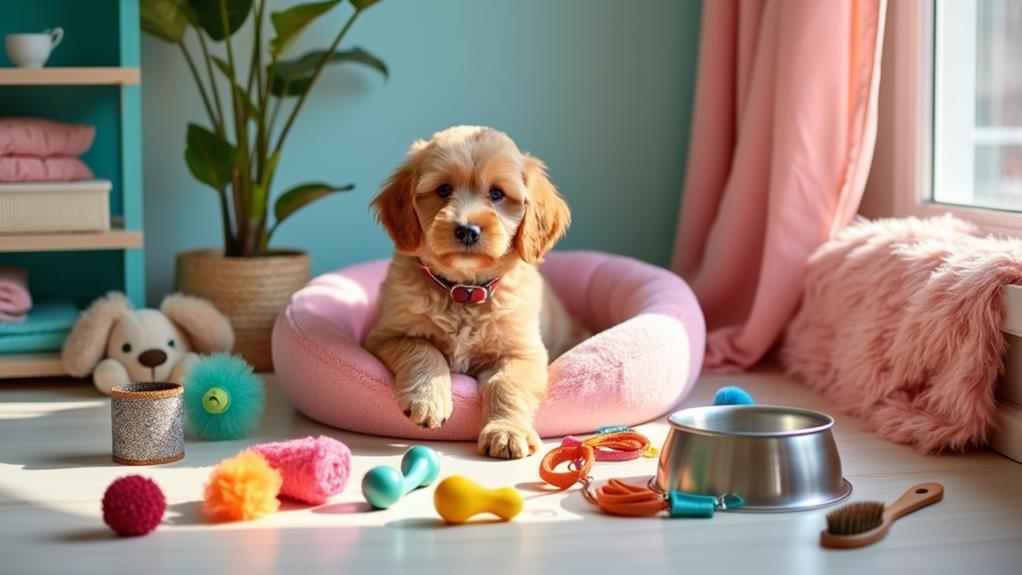
Starting your adventure with a new puppy is thrilling! Make certain you've got the necessities covered for their wellbeing. Pick comfy, easy-to-clean bedding and high-quality food bowls. Ascertain they have access to nutritionally rich puppy food. Safety is key, so puppy-proof your home and consider ID tags and a microchip. For grooming, stock up on coat-specific brushes and safe shampoos. Keep them entertained and teething with durable toys. Training tools such as leashes and clickers can help guide their behavior positively. With these necessities, you're setting your furry friend up for a happy, safe, and enriched life. Uncover more necessities to perfect your setup.
Comfortable Bedding
A good night's sleep is vital for your new puppy's health and development, so investing in comfortable bedding is a must. Puppies need a cozy spot where they can relax and recharge, which plays an important role in shaping their sleep patterns. To give your pup the best start, focus on selecting the right bedding materials. Look for soft, durable fabrics that provide warmth and support. Materials like fleece or cotton are excellent choices due to their softness and breathability.
When choosing bedding, consider your puppy's size and sleeping habits. Some pups prefer to stretch out, while others like to curl up. You might want to opt for a bed with raised edges if your puppy loves to snuggle into corners. Also, verify the bed is easily washable because accidents happen, and cleanliness is key to maintaining a healthy environment for your furry friend.
Keep an eye on your puppy's sleep patterns to confirm they're getting enough rest. If your puppy seems restless or uncomfortable, it might be time to reassess their bedding. Remember, providing the right bedding helps create a safe and inviting space that encourages restful sleep for your growing pup.
Feeding Essentials
Proper nutrition is fundamental for your new puppy's growth and general health. To guarantee your furry friend thrives, you'll need to focus on both puppy nutrition and maintaining a consistent feeding schedule. Start by selecting a high-quality puppy food that's rich in the nutrients they need. Consult with your veterinarian to determine the best type and brand, as puppies have different dietary requirements than adult dogs.
When it comes to feeding necessities, you'll want to invest in a reliable set of food and water bowls. Stainless steel or ceramic bowls are great choices because they're durable and easy to clean. Avoid plastic bowls as they can harbor bacteria. It's vital to establish a feeding schedule that suits your puppy's maturity and breed. Most puppies benefit from three to four small meals a day, gradually shifting to two meals as they grow older.
Monitor your puppy's weight and adjust portion sizes as needed. Overfeeding can lead to obesity, while underfeeding can hinder proper development. Keep an eye out for any signs of dietary issues, like lethargy or digestive problems, and consult your vet if necessary. With the right feeding necessities, your puppy will be on the path to a healthy start.
Safety and Security
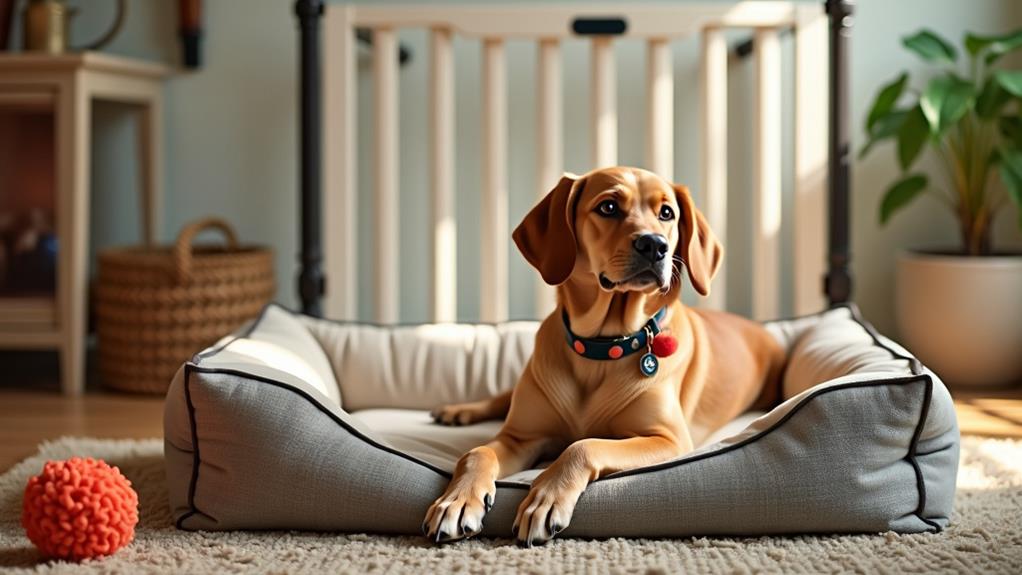
While guaranteeing your puppy's nutritional needs are met, it's just as vital to focus on their safety and security. Bringing a new puppy home requires a bit of preparation to create a safe environment. Start by puppy proofing your home. Much like baby-proofing, you'll need to secure any items that could be hazardous. Keep electrical cords out of reach, store cleaning supplies in locked cabinets, and verify small objects that could be swallowed are off the floor. Consider using baby gates to block off areas where your puppy shouldn't wander.
For safe transportation, invest in a sturdy crate or a pet seat belt for your car. This not only keeps your puppy secure during car rides but also prevents distractions while driving. A crate should be well-ventilated and sized appropriately so your puppy can sit, stand, and turn around comfortably. It's a good idea to gradually acclimate your puppy to the crate, associating it with positive experiences.
Having a dedicated ID tag with up-to-date contact information is fundamental. A microchip provides an extra layer of security, guaranteeing that if your puppy gets lost, there's a greater chance of a happy reunion.
Grooming Supplies
Grooming your new puppy is important for their health and well-being, and having the right supplies makes the process smoother. Start with a quality brush suited to your puppy's coat type. Regular brushing is one of the simplest grooming techniques that helps keep their fur clean and reduces shedding. Don't forget a comb for those stubborn tangles. Depending on your puppy's breed, grooming frequency will vary, so check how often their coat needs attention.
A gentle puppy shampoo is necessary for bath time. Make certain it's formulated for puppies to protect their sensitive skin. Bathing frequency will depend on their activity level and coat type. Nail clippers are another must-have; keeping their nails trimmed prevents discomfort and injury. Aim for a trimming session every few weeks or as needed based on their growth rate.
Ear cleaning supplies are important, too. Puppies often get debris in their ears, so use a vet-recommended cleaner to keep them healthy. Don't ignore dental care—invest in a puppy toothbrush and toothpaste to protect those developing teeth. By maintaining a regular grooming routine, you'll guarantee your puppy stays clean, comfortable, and happy.
Toys and Entertainment
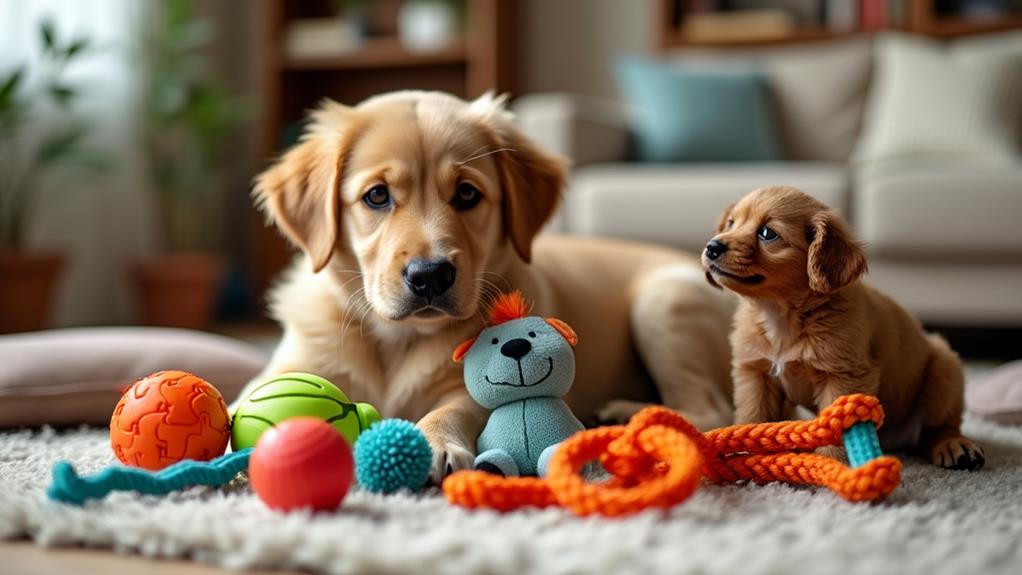
After confirming your puppy is well-groomed, it's time to focus on keeping them entertained and engaged. Puppies are naturally curious and full of energy, so providing them with the right toys is vital for their development. Interactive toys are a fantastic way to keep your furry friend mentally and physically stimulated. These toys often involve elements that move or make noise, capturing your puppy's attention and encouraging them to play independently or with you.
Puzzle games are another excellent enhancement to your puppy's toy collection. These games challenge your puppy's intelligence and problem-solving skills, offering treats or kibble as rewards. Not only do they keep your puppy occupied, but they also help in reducing boredom and preventing destructive behaviors.
When selecting toys, consider your puppy's size and breed to guarantee they're safe and suitable. Durable chew toys are important for teething pups, providing relief and preventing them from gnawing on your furniture. Rotate toys regularly to maintain your puppy's interest and excitement. By offering a variety of toys, you'll keep your puppy happy and engaged, setting a foundation for a well-rounded, content companion.
Training Tools
Training your new puppy is a vital part of their development, and having the right tools can make the process smoother and more effective. You'll want to start with clicker training, a popular method that uses a small device to make a clicking sound, marking the exact moment your puppy does something correctly. This technique helps your puppy understand what behavior is being rewarded, making learning faster and more enjoyable for both of you.
Leash training is another important aspect of your puppy's education. A sturdy, comfortable leash and collar or harness are necessary to guarantee your puppy learns to walk by your side without pulling or lunging. When starting leash training, patience is key. Encourage your puppy with treats and praise to create a positive association with walking on a leash.
Consider these important training tools:
- Clicker: A simple device to mark correct behaviors instantly.
- Leash and Collar/Harness: Important for teaching proper walking manners.
- Training Treats: Small, tasty rewards to motivate and reinforce good behavior.