Dutch Shepherd: The Intelligent and Hardworking Herding Dog
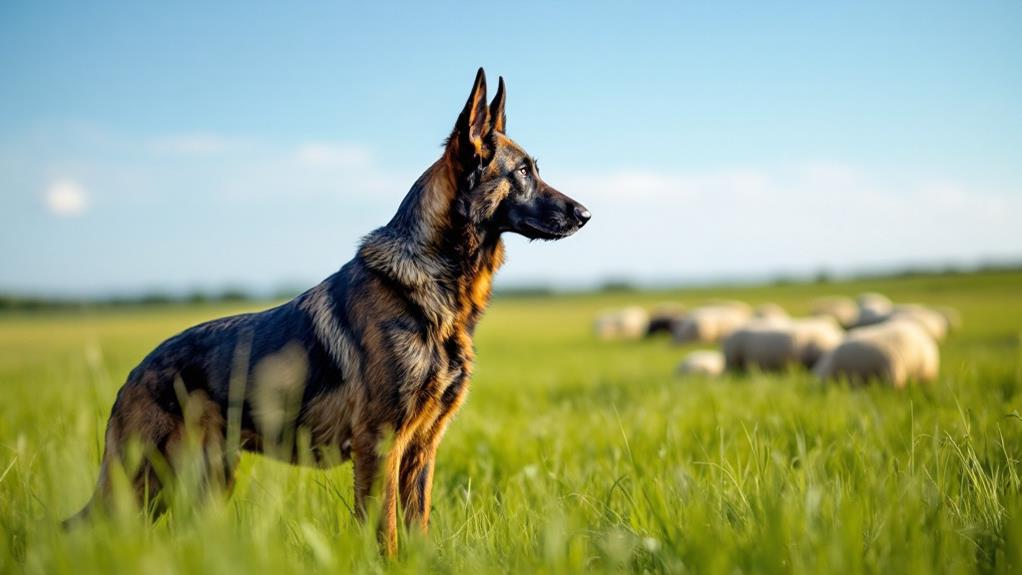
The Dutch Shepherd is an intelligent and hardworking dog, widely recognized for its versatility and dedication to herding and guarding since the 18th century. You'll notice their athletic build and distinctive brindle coat, which is both dense and weather-resistant. They require regular exercise—about 90 minutes to 2 hours daily—to stay happy and healthy. These dogs excel in training with positive reinforcement and benefit from challenging activities like agility and obedience training. Moderate grooming varies by coat type, but their loyalty and independence shine through. Ready to uncover more about this remarkable breed and its unique needs?
Breed Overview
A sense of admiration often accompanies discussions about the Dutch Shepherd, a breed celebrated for its intelligence and versatility. Standing 21 to 25 inches tall and weighing between 42 to 75 pounds, this medium-sized dog is known for its athletic build and high energy levels. Originally bred in the 18th century Netherlands for herding and guarding livestock, the Dutch Shepherd thrives in roles requiring a strong work ethic. This makes it a perfect companion for active families who can match its energy and need for engagement.
Intelligence is one of the breed's defining traits, allowing it to excel in diverse working roles such as police work and search-and-rescue operations. As a herding dog, it's driven to work and needs plenty of physical and mental stimulation. If you're considering a Dutch Shepherd, be prepared for regular exercise and activities that challenge its mind.
When it comes to grooming, the breed's coat can be short, long, or rough, typically with a brindle coloration. It requires moderate grooming to keep it healthy and looking its best. Regular brushing will help manage shedding and maintain the coat's appearance, ensuring your Dutch Shepherd stays in top condition.
Characteristics and Temperament
Moving beyond the breed's general overview, the Dutch Shepherd's characteristics and temperament reveal why it's such a cherished working dog. With an athletic build, standing 21 to 25 inches tall and weighing between 42 to 75 pounds, this medium-sized breed boasts a strong physical presence. Its distinctive brindle coat, ranging from gold to silver, is not just for show; it's dense and weather-resistant, ideal for active dogs that work in diverse conditions.
The Dutch Shepherd is highly intelligent and alert, thriving on mental stimulation. It quickly absorbs new commands and skills, making training a rewarding experience when you use positive reinforcement and engaging activities. However, their intelligence also requires you to consistently provide challenges to prevent boredom.
Their temperament is a blend of loyalty and independence. While they form strong bonds with their families, they're often cautious around strangers, highlighting the importance of early socialization. This helps them develop well-rounded behavior and confidence in different environments.
Dutch Shepherds have high energy levels, demanding around 90 minutes to 2 hours of daily exercise. This keeps them fit and prevents boredom-related behavioral issues, ensuring your loyal companion is both happy and healthy.
Health and Nutrition
Maintaining the health and nutrition of your Dutch Shepherd is fundamental for keeping this energetic breed in top condition. These dogs are generally healthy, but they can be susceptible to health issues like hip and elbow dysplasia, progressive retinal atrophy, and gastric dilatation-volvulus (bloat). It's wise to contemplate pet insurance to manage potential genetic health concerns. A high-quality diet is vital, especially for Dutch Shepherd puppies, to support their growth and maintain energy levels. Make certain their food is rich in proteins from sources like chicken, beef, and fish, and AAFCO approved to guarantee nutritional adequacy.
Portion control is key to preventing obesity, so treats should comprise no more than 10% of daily caloric intake. Regular vet consultations can help tailor the diet to your dog's specific needs. Incorporating nutritional supplements like Omega-3 fatty acids, probiotics, and multivitamins can strengthen your dog's comprehensive health and improve their coat condition. Don't overlook dental care; daily brushing and professional cleanings are essential to preventing dental disease, which can impact their comprehensive health. By paying attention to these aspects, you'll help your Dutch Shepherd thrive and enjoy a lively, active life.
Exercise and Activity Needs
Dutch Shepherds are consistently high-energy dogs that need plenty of exercise and activity to stay healthy and happy. These dynamic dogs require a minimum of 90 minutes to 2 hours of exercise daily to meet their energy needs and maintain general fitness. It's vital to combine both physical exercise and mental stimulation to keep them engaged and content. Daily walks are a necessity, but they should be supplemented with structured activities like running, hiking, or playing fetch. These activities help prevent boredom and the development of destructive behaviors.
Incorporating engaging activities such as agility training, obedience exercises, and herding tasks is important. These activities not only provide the mental stimulation that Dutch Shepherds crave but also channel their natural instincts in a positive way. Furthermore, swimming and visits to dog parks can offer fresh avenues for exercise and socialization, perfectly catering to their active nature.
Failing to provide sufficient exercise can lead to anxiety and behavioral issues, underscoring the significance of consistent physical and mental activities. By ensuring your Dutch Shepherd gets the right amount of activity, you'll help them lead a balanced, healthy life free from stress-related problems.
Training and Socialization
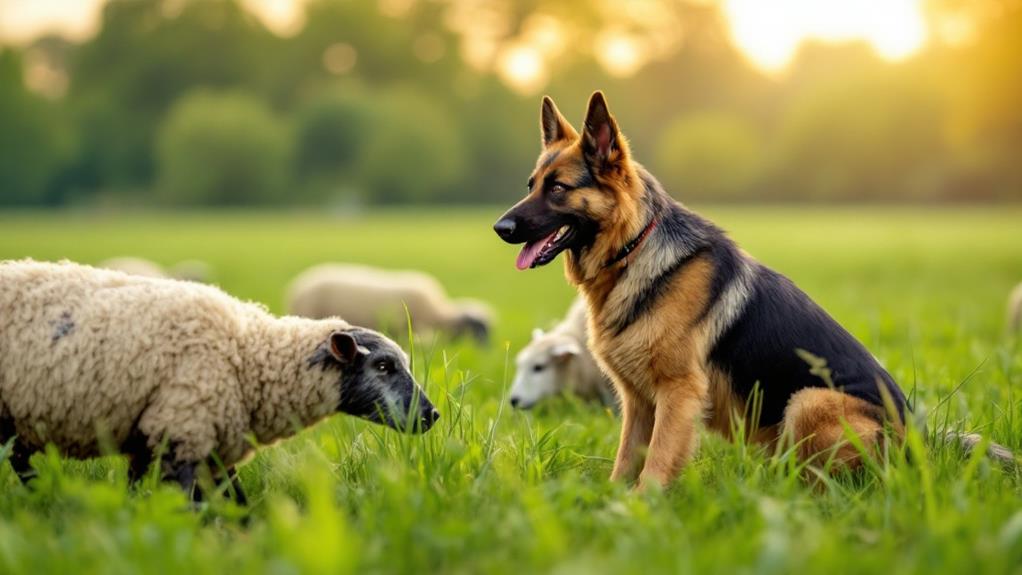
Training and socializing your Dutch Shepherd early is crucial for developing a well-rounded and confident companion. These intelligent dogs benefit greatly from early socialization, which helps them become comfortable around strangers and other pets. Start their training at an early stage to establish good behavior patterns and prepare them for different roles, including participation in dog sports or obedience training.
Utilize positive reinforcement techniques to manage their behavior effectively. Dutch Shepherds respond well to rewards-based methods, which improve their responsiveness and strengthen the bond between you. Consistent training is key, so make sure to incorporate structured routines into their daily life. This consistency helps your Dutch Shepherd understand expectations and thrive in an active family environment.
Mental stimulation is just as significant as physical exercise for these hardworking dogs. Engaging in activities like agility and obedience training prevents boredom-induced behaviors such as digging or excessive barking. Dutch Shepherds have an innate desire to work and learn, so providing them with challenging tasks keeps them mentally sharp and satisfied. By starting early and maintaining a consistent approach, you'll foster a well-adjusted, obedient, and happy Dutch Shepherd.
Grooming Requirements
In relation to grooming your Dutch Shepherd, you'll find that their needs are moderate but important for keeping them healthy and comfortable. Dutch Shepherds' grooming needs vary based on their coat types. Long-haired Dutch Shepherds require weekly attention, as regular brushing helps manage shedding seasons and maintains coat health. Short-haired dogs, on the other hand, need only occasional brushing. If your Dutch Shepherd sports a rough coat, anticipate monthly grooming sessions and hand-stripping twice a year to preserve their coat texture.
While baths should be reserved for when your dog is visibly dirty or smelly, don't overlook other grooming requirements. Over-bathing can strip necessary oils from their coat, so it's best to be conservative. Regular ear cleaning is critical to prevent infections. Use veterinarian-approved cleaners and keep an eye out for any redness or wax buildup.
Dental care is another key aspect of grooming. Dutch Shepherds benefit greatly from daily tooth brushing, which helps prevent dental disease. You should also arrange for professional cleanings as needed. By staying on top of these grooming tasks, you'll guarantee your Dutch Shepherd remains not only visually appealing but also in excellent health.
Common Health Issues
Maintaining your Dutch Shepherd's coat is just one part of their thorough care routine, but understanding their potential health issues is just as vital. As a Dutch Shepherd dog owner, it's key to be aware of genetic conditions that may affect your pet's quality of life. Hip dysplasia is a common concern, which, if not managed, can lead to discomfort and arthritis. Regular vet check-ups can help monitor this condition and maintain your dog's mobility.
Eye check-ups are similarly significant, as progressive retinal atrophy (PRA) is a hereditary issue that can lead to vision loss in Dutch Shepherds. Catching this early can help manage the condition effectively. Furthermore, be vigilant about gastric dilatation-volvulus, commonly known as bloat, a life-threatening situation that requires immediate veterinary attention.
Degenerative myelopathy (DM) is another genetic concern that affects mobility, sometimes leading to paralysis. Consider genetic testing to identify these risks early on. Ensuring your Dutch Shepherd has a balanced diet is vital in preventing these health issues and promoting longevity. By staying informed and proactive, you can help your Dutch Shepherd dog live a healthy and happy life.
Adoption and Breeding Tips
Initiating the voyage to adopt or breed a Dutch Shepherd requires a blend of patience and diligence. If adoption is your path, investigate local shelters and rescue organizations. Although Dutch Shepherds are rare, these places occasionally have them available for adoption. A proactive search is vital due to their scarcity compared to more common Shepherd breeds in the U.S.
If you're considering breeding, focus on reputable Dutch Shepherd breeders. Look for those who are members of recognized breed clubs like the Nederlandse Herdershonden Club. These breeders adhere to ethical practices and breed standards, guaranteeing the health and well-being of each Dutch Shepherd puppy. It's important to verify that breeders perform health screenings and emphasize early training and socialization. These steps help puppies grow into well-adjusted adults.
For both adoption and breeding, confirm that early training and socialization are prioritized. This will greatly impact the temperament and adaptability of your Dutch Shepherd. By choosing a breeder who values these aspects, you're setting your future companion up for success. With careful planning and a keen eye for reputable sources, you'll find the perfect Dutch Shepherd to join your family.
Living Environment Considerations
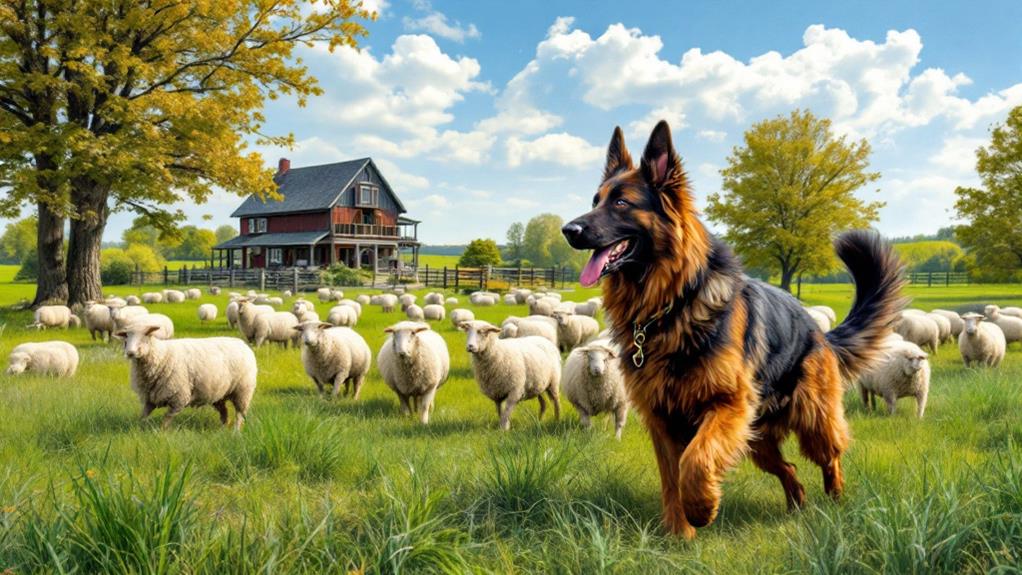
When considering the ideal living environment for a Dutch Shepherd, it's essential to recognize their adaptability and energy needs. Although they can adapt to apartment living, they require regular exercise and mental stimulation to prevent boredom and unwanted behavior. As a highly trainable dog, a Dutch Shepherd thrives in active households that can provide the necessary engagement and activity level.
You'll need to guarantee they have access to secure outdoor space where they can run and play. Aim for at least 90 minutes to 2 hours of exercise daily to keep them healthy and happy. Family dogs like the Dutch Shepherd benefit immensely from interaction and won't do well with long periods of solitude. They need a structured routine and clear boundaries to help manage their high energy levels.
Keep in mind their alert nature; they might bark at unfamiliar sounds or individuals, so consider noise levels and sociability when choosing a living space. With the right environment, a Dutch Shepherd can be a loyal and energetic companion. By meeting their exercise and mental stimulation needs, you'll guarantee they remain a well-adjusted and happy member of your family.