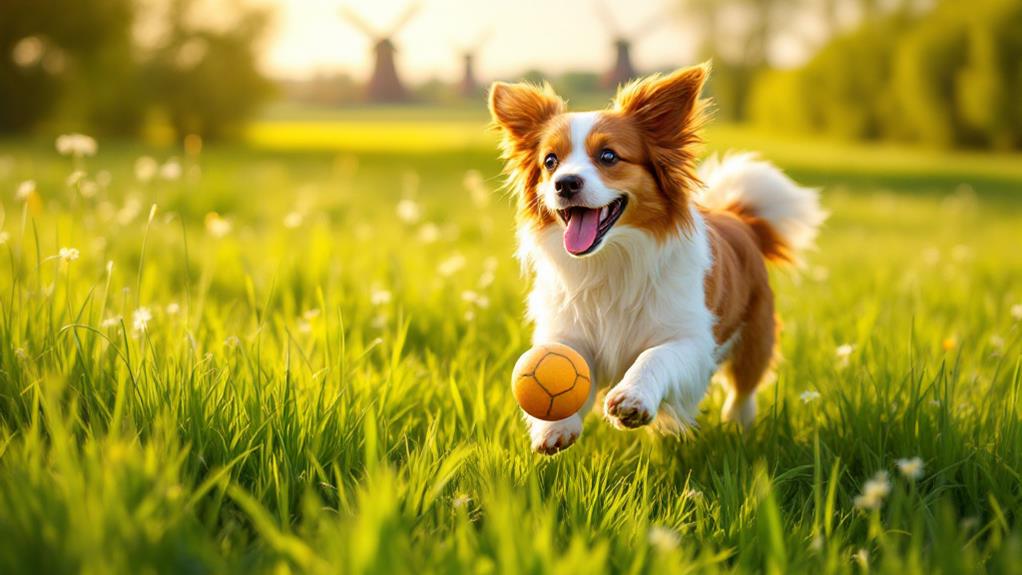
Drever: The Friendly and Athletic Hound Dog
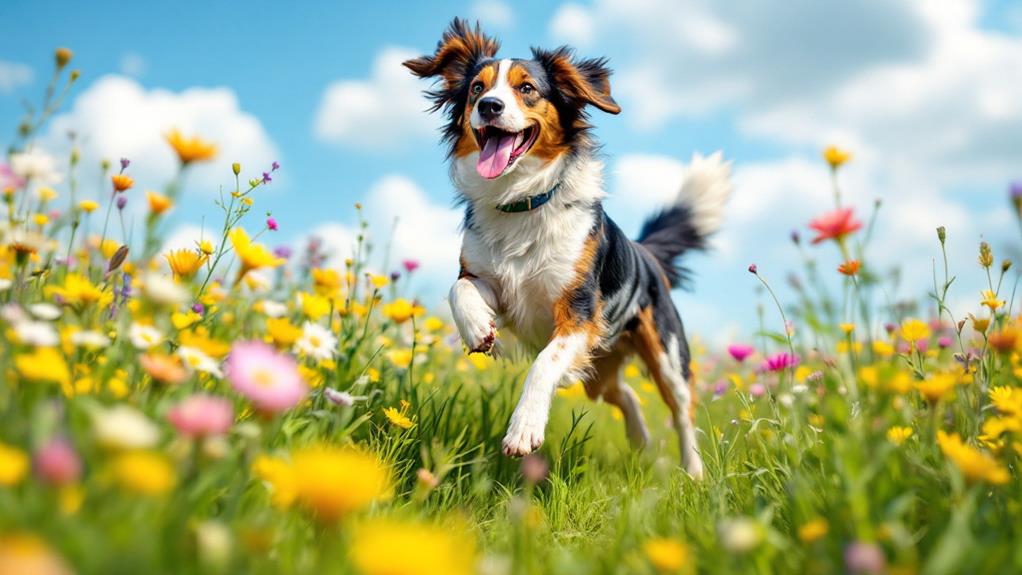
Meet the Drever, a delightful hound dog known for its friendly personality and athletic prowess. This stout breed, originally from Sweden, pairs well with active families due to its need for daily exercise and its endearing, sociable nature. Weighing 35-40 pounds and standing 12-15 inches tall, Drevers thrive on companionship and group activities. They're alert yet playful, making them excellent pets for households with children and other dogs. However, their strong prey drive means cautious interactions with smaller animals are necessary. If you're curious about their grooming needs and training tips, there's much more to uncover.
Drever Breed Overview
The Drever is a sturdy hound breed that hails from Sweden, where it was developed specifically for hunting. Standing between 12 to 15 inches tall and weighing around 35 to 40 pounds, this robust Swedish breed was officially recognized in 1953. Known for its short, dense coat, the Drever comes in a range of colors like tri-color, red and white, and fawn and white. With an impressive life expectancy of around 15 years, Drevers make excellent family dogs due to their affectionate and playful nature.
You'll find that Drevers are not just great hunters but also wonderful companions for families. They love being part of group activities and thrive on daily exercise. Regardless of whether it's walking, hiking, or engaging in canine sports, these dogs need an outlet for their high energy levels. To get the best out of a Drever, invest in proper training and socialization from a young period. This guarantees they grow into well-mannered adults, perfectly suited for family life. Their enthusiastic-to-please attitude makes training easier and helps them fit seamlessly into your household. By understanding their needs, you'll enjoy a loyal and lively companion.
Temperament and Behavior
Regarding temperament and behavior, Drevers are known for their affectionate and playful nature. This loyal breed makes a great family pet, thanks to its sweet disposition and friendly demeanor. They're sociable dogs, thriving in group settings where they can showcase their proud and confident carriage. You'll find that Drevers are generally friendly towards other pets and people, making them excellent companions in a multi-pet household.
When it comes to training, early intervention is key. Although Drevers are even-tempered, they can exhibit stubbornness if not properly guided. Starting training early helps manage this trait and improves their natural hunting instincts, making them more adaptable and obedient. Consistent training sessions will help reinforce their good behavior, ensuring they fit seamlessly into family life.
Drevers also have an alert disposition, which makes them good watchdogs. While they're not known for strong guarding instincts, they're likely to bark to alert you to any unfamiliar presence. This vocal behavior serves as an effective warning without aggression. In general, Drevers are a loyal breed that brings joy and companionship to any household, thanks to their delightful blend of temperament and behavior.
Health and Care
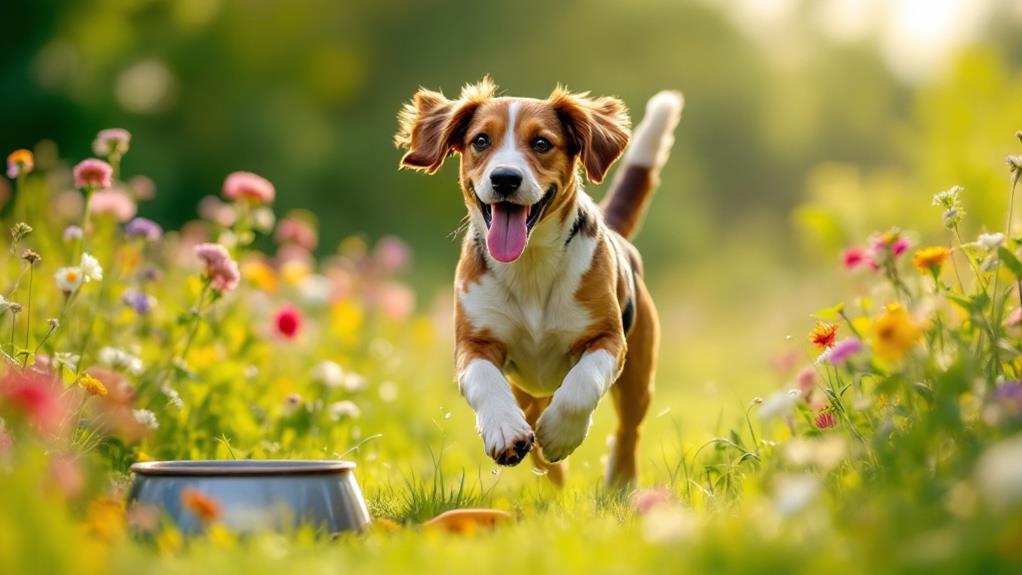
When caring for a Drever, you'll need to focus on providing high-quality dog food that fits their stage of life and activity level to keep them healthy and energetic. Monitoring their daily portions, typically 2-3 cups of kibble, is significant to prevent obesity. Drevers are active hounds, so they require plenty of exercise—at least an hour each day. Walking, hiking, or participating in canine sports can help maintain their physical and mental health.
Regular grooming is fundamental for your Drever. Weekly brushing helps manage shedding, while occasional baths keep their coat in top condition. Don't overlook routine dental hygiene to prevent oral issues. Health checks at the vet are important, too, as Drevers may be prone to conditions like intervertebral disc disease and otitis externa. These visits facilitate early detection and management of any potential health problems.
Incorporating consistent training into their routine is beneficial. While the focus here is on health and care, keep in mind that a well-exercised and groomed Drever is more receptive to training. By addressing these aspects, you'll guarantee your Drever remains healthy, happy, and ready for the adventures ahead.
Training Tips
Training a Drever can be both rewarding and challenging, given their energetic and sometimes stubborn nature. To effectively manage their behavior, establish structured routines and boundaries right from the start. Early socialization is key, so expose your Drever to different environments and situations to guarantee they develop into a well-adjusted adult. Use training techniques that incorporate positive reinforcement, like treats and praise, as these can greatly improve their learning experience and help overcome their stubborn streak.
Focus on consistent obedience training by teaching basic commands such as sit, stay, come, and leave it. This builds a strong foundation and helps your Drever understand household rules. Leash training is also essential to guarantee calm walks in communal areas. Drevers are energetic and will need proper guidance to safely navigate their surroundings, so practice patience and reward them for calm behavior on the leash.
Remember that regular exercise is imperative to keep their energy levels in check, which will support their training progress. By combining these strategies, you'll foster a well-behaved Drever who's both a joy to train and a great companion.
Exercise Needs
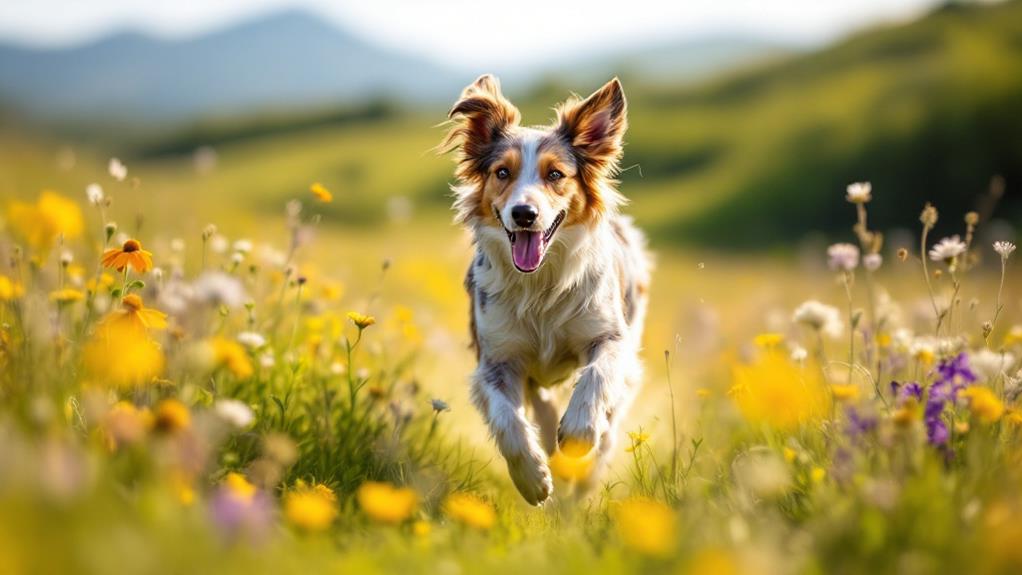
As you begin your journey with a Drever, guaranteeing they get enough exercise is crucial to their well-being. These dogs have high energy levels, requiring a minimum of one hour of daily exercise to maintain both their physical and mental health. Fulfilling their exercise needs helps ward off behavioral issues that can arise from pent-up energy and boredom.
Drevers thrive when engaged in activities like walking, hiking, and participating in canine sports. Their stamina makes them perfect companions for agility and lure coursing. These activities not only challenge them physically but also provide mental stimulation, keeping them happy and well-adjusted. Regular exercise is essential, and engaging in these activities strengthens the bond between you and your Drever.
Group activities are particularly enjoyable for Drevers, given their background as hunting dogs. Their energy levels are comparable to other breeds known for their endurance, so don't hesitate to incorporate varied and stimulating exercises into their routine. By addressing their exercise needs, you guarantee your Drever remains a friendly and athletic companion, ready to set out on countless adventures with you. Prioritizing their daily exercise sets the foundation for a fulfilling life together.
Nutritional Guidelines
Proper nutrition plays a vital role in keeping your Drever healthy and energetic. To guarantee your Drever thrives, follow these nutritional guidelines. Initially, choose high-quality dog food tailored to their maturity, size, and activity level. Drevers are active dogs with hunting instincts, and a balanced diet is essential for supporting their overall well-being. Recommended daily portions typically range from 2 to 3 cups, but you'll need to adjust based on individual needs and energy expenditure.
Secondly, be vigilant about monitoring your Drever's food intake. This breed is prone to obesity if overfed, which can lead to numerous health issues. Regularly assess their weight and adjust portions as necessary. Establish a consistent feeding schedule and avoid giving excessive treats or table scraps that can contribute to weight gain.
Lastly, consult your veterinarian for personalized dietary guidance. They can address any specific health concerns or nutritional needs your Drever might have. Regular vet check-ups will guarantee your dog maintains a healthy weight and receives the proper nutrients.
- High-Quality Dog Food: Tailored to maturity, size, and activity level.
- Monitor Food Intake: Prevent obesity with consistent portions.
- Veterinary Guidance: Seek advice for tailored dietary needs.
Make sure fresh water is always available to keep your Drever hydrated and ready for action.
Grooming Requirements
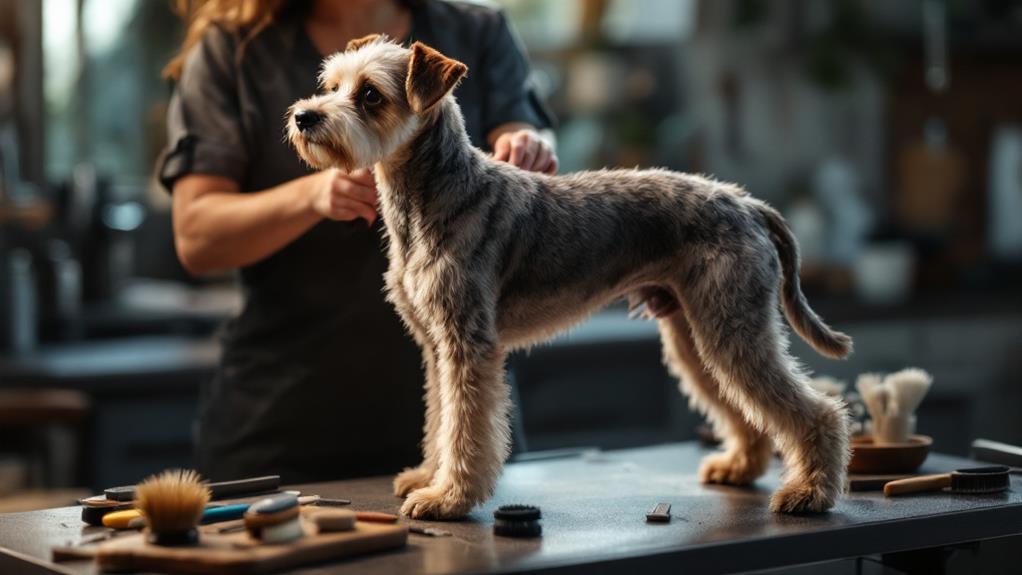
In regards to grooming your Drever, you'll find that their short, coarse coat requires minimal maintenance. Weekly brushing is generally sufficient to manage shedding and keep their coat looking its best. During seasonal shedding, you might notice an increase in loose fur, so a bit more attention will be needed to keep your Drever comfortable and your home tidy.
Occasional baths are necessary to maintain the coat's condition, guaranteeing it remains clean and healthy. Just be sure not to overdo it, as too much bathing can strip the natural oils from their coat. Regular nail trimming is essential to prevent discomfort and potential health issues related to overgrown nails. You should also make ear cleaning a routine part of your grooming process to ward off infections.
Don't overlook dental hygiene, as it's important for your Drever's general health. Regular tooth brushing will help prevent tartar buildup and maintain oral health. By keeping up with these grooming tasks, you'll make certain that your Drever not only looks great but also feels great. A little consistent effort goes a long way in maintaining their well-being and happiness.
Drever History
The Drever's history is a tale of evolution and adaptation. Originally derived from the Westphalian Dachsbracke, this remarkable breed found new purpose when it was imported to Sweden around 1910. With a sharp focus on hunting, the Drever quickly became a staple breed in Sweden, known for its exceptional ability to track deer and small game. Its short legs were particularly advantageous in traversing the country's challenging terrains, making it a favored choice among hunters.
The Drever's expedition to official recognition began with its unique attributes. In 1953, Sweden acknowledged the Drever as a distinct breed, cementing its role in the nation's hunting culture. Over time, this breed in Sweden evolved beyond its primary purpose of hunting, adapting to become a beloved family pet. Its friendly and adaptable nature made it a popular choice for those seeking both a hunting partner and a loyal companion.
Today, though the Drever remains popular in Sweden and nearby regions, it's still relatively rare in the United States. However, those who seek it appreciate its skills and companionship. Here's a summary of the Drever's historical expedition:
- Originated from Westphalian Dachsbracke
- Recognized in Sweden in 1953
- Evolved to a family pet
Living With Other Pets
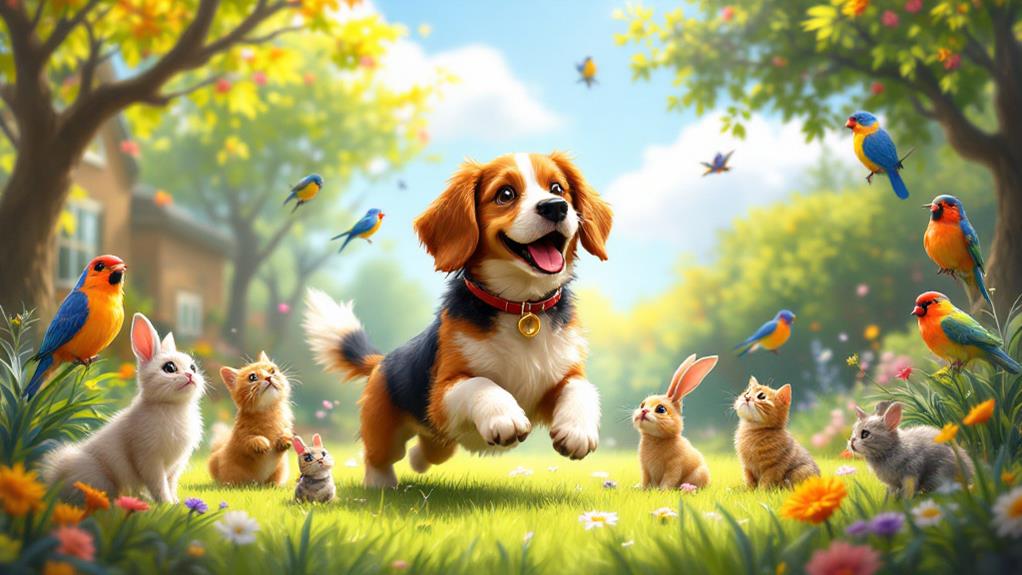
In terms of living with other pets, Drevers typically exhibit a friendly temperament that makes them compatible with most dog breeds and household pets. When you properly socialize them from a young period, Drevers can get along wonderfully with other animals. However, their strong prey drive, a remnant of their hunting background, means you should be cautious when introducing them to smaller pets like cats or rabbits. They might view these smaller animals as potential game.
Early and consistent socialization is vital to guarantee your Drever develops well-rounded behaviors. This helps reduce any tendencies towards aggression or stubbornness with other pets. Regular playdates and supervised meetings allow your Drever to build positive connections, fostering a harmonious living environment. Furthermore, it's important to monitor interactions closely, as their energetic and playful nature might overwhelm more timid pets.
Genetic Health Concerns
In regard to Drevers, understanding their genetic health concerns is vital to guaranteeing a happy, healthy life. This breed, with its low body and long back, is particularly prone to intervertebral disc disease (IVDD). IVDD can lead to disc herniation, which greatly impacts mobility and general well-being. Here are some important steps you can take to manage your Drever's genetic health:
- Genetic Testing: It's wise to take into account genetic testing for chondrodystrophy (CDDY). This test can identify carriers and help you make informed breeding choices, reducing the prevalence of IVDD in future generations.
- Regular Veterinary Check-ups: Drevers are also susceptible to otitis externa and entropion. Regular health monitoring will help detect these issues early. A proactive approach guarantees your Drever remains healthy and happy throughout their life.
- Weight Management: Maintaining a healthy weight is fundamental. Obesity can exacerbate genetic predispositions like IVDD, compounding health concerns. A balanced diet and regular exercise will help your Drever maintain peak health.