
Dogue De Bordeaux: the Courageous and Loyal French Mastiff
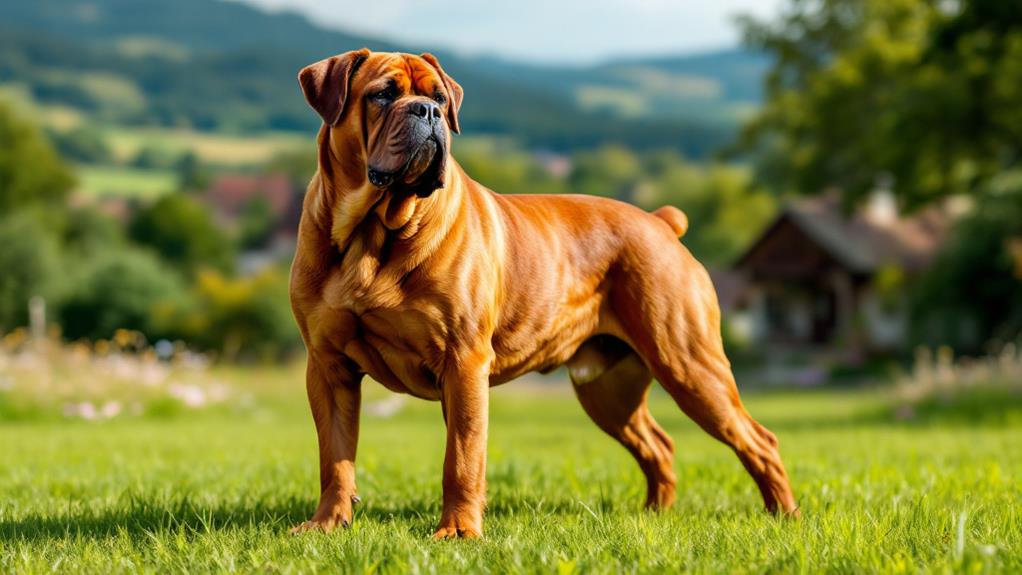
You're exploring the fascinating Dogue De Bordeaux, a breed dating back to the 1200s in France. Known for their courage, these loyal French Mastiffs were originally bred for guarding and hunting. With a muscular build, they weigh up to 150 pounds and stand tall at 23 to 27 inches. Their massive heads and affectionate nature make them irresistible companions, although their strong guarding instincts need early socialization and training. They're prone to health challenges, like hip dysplasia, but proper care guarantees a happy life. To reveal more about adopting and caring for these majestic dogs, there's plenty to uncover.
Breed History and Origins
The Dogue de Bordeaux, also known as the Mastiff of Bordeaux, is a storied breed with roots stretching back to the 1200s in France. As one of the most ancient dog breeds, its history reflects its versatility and strength. Initially, these French Mastiffs were tasked with guarding, hunting, and herding, roles that showcased their courage and adaptability. References to their protective nature and utility appear as early as the 1300s, affirming their historical significance in French culture.
The breed's official recognition began in 1863 during a Paris exhibition, where the name "Dogue de Bordeaux" was initially used. This marked their rising popularity in France, reflecting their esteemed status among dog enthusiasts. However, the breed's expedition was not without challenges. During World War II, the Dogue de Bordeaux faced near extinction, with only four breeding dogs left by 1946. This dramatically hindered recovery efforts, making preservation a priority for enthusiasts.
In a significant milestone, the Dogue de Bordeaux gained international recognition in 2008 when the American Kennel Club included them in the Working Group. This acknowledgment highlighted the breed's enduring legacy and resilience, cementing its place in canine history.
Key Characteristics
Boasting a powerful and muscular build, the Dogue de Bordeaux stands as a striking presence with its weight ranging from 99 to 150 pounds and height between 23 to 27 inches at the shoulder. This breed's massive head and short, soft coat, which comes in shades from fawn to mahogany, make it easily recognizable. Often, you'll see a black or white mask adding to its distinctive look.
Known for its loyalty and affectionate nature, the Dogue de Bordeaux forms strong bonds with its family. However, this same devotion means they have strong guarding instincts. That's why socialization and training are vital from a young period. Introduce them carefully to small children and other pets to guarantee a harmonious household.
Despite their loving demeanor, potential owners should be aware of certain breed characteristics. The Dogue de Bordeaux is prone to health issues like hip dysplasia and heart conditions. Their notable drooling can also be a challenge, alongside their high nutritional needs. Understanding these aspects helps in preparing for the commitment this breed requires. Ultimately, if you're ready for the responsibility, the Dogue de Bordeaux's unwavering loyalty and companionship are truly rewarding.
Health and Wellness

Addressing the health and wellness of your Dogue de Bordeaux is imperative, given their relatively short lifespan of 5 to 8 years. They are prone to several common health issues like hip dysplasia, heart diseases such as dilated cardiomyopathy, and gastric dilation/volvulus (bloat). To guarantee your Dogue de Bordeaux remains healthy, prioritizing regular vet check-ups is essential. These visits can catch potential health problems early, considerably impacting their quality of life and longevity.
Due to their brachycephalic nature, Dogue de Bordeaux dogs are prone to overheating and breathing issues. It's significant to avoid intense exercise in hot weather to prevent respiratory distress. A balanced diet plays a crucial role in maintaining their health, contributing to muscle strength and reducing the risk of obesity-related issues.
Grooming requirements shouldn't be overlooked; regular brushing helps manage shedding, while routine cleaning of their skin folds prevents infections. Consistent dental care is also necessary to avoid oral health problems, which can affect their general well-being. By focusing on these aspects, you can help your Dogue de Bordeaux live a healthier and happier life.
Training and Socialization
In regard to training and socialization, your Dogue de Bordeaux will benefit immensely from consistent and early efforts. This breed's strong guarding instincts mean you need to manage its behavior from a young period to prevent aggression toward other animals and strangers. Early socialization is key; introduce your dog gradually to different environments, people, and pets. This exposure helps develop a well-rounded temperament and encourages adaptability.
When it comes to training, patience is vital. The Dogue de Bordeaux can be stubborn, so employ a firm yet gentle approach. Positive reinforcement—rewarding good behavior with treats or praise—will encourage cooperation and build trust. Obedience training is fundamental; teaching basic commands like sit, stay, and come improves communication and strengthens your bond with your dog.
To keep your Dogue de Bordeaux mentally stimulated, engage in activities like agility, scent work, or trick training. These not only provide mental stimulation but also reinforce the importance of training and socialization. Remember, patient training and consistent efforts will help your Dogue de Bordeaux become a well-behaved and loyal companion, ready to integrate smoothly into your family and social circles.
Adoption and Purchase Options

Exploration of adoption and purchase options for a Dogue de Bordeaux requires careful consideration due to its rarity in both the U.S. and France. This means adoption opportunities through a Dogue de Bordeaux Rescue are uncommon but worth exploring if you're committed to giving one a home. If you're leaning toward purchasing a puppy, you'll want to look into reputable breeders. Prices generally range from $1,400 to $2,500, though show-quality puppies can cost up to $5,000.
To ascertain you're dealing with ethical breeders, consider consulting the Dogue de Bordeaux Society of America Breeder Listing Service. They can guide you to breeders who adhere to high standards. But before you make any decisions, extensive research is critical. Talk to veterinarians, breeders, and even current owners to understand the breed's needs and personality.
Your lifestyle should align with the Dogue de Bordeaux's requirements, as they're known for their loyalty and courage but also need proper care and attention. By doing your homework, you can guarantee a great match and a happy, healthy life for your new companion.