Dog Hot Spots: Causes, Symptoms, and How to Treat Them
You might notice your dog scratching excessively, revealing red, swollen skin—these could be hot spots. They're often caused by allergies, fleas, or poor grooming, leading to bacterial infections beneath the fur. Symptoms include hair loss, fluid oozing, and a foul odor from the inflamed area. To treat them, clip the fur around the spot, clean it with a chlorhexidine solution, and consider anti-inflammatory medications. Regular grooming and flea prevention can help avoid future issues. Understanding these factors will equip you to manage and prevent hot spots effectively, helping your furry friend stay comfortable and healthy.
Understanding Dog Hot Spots
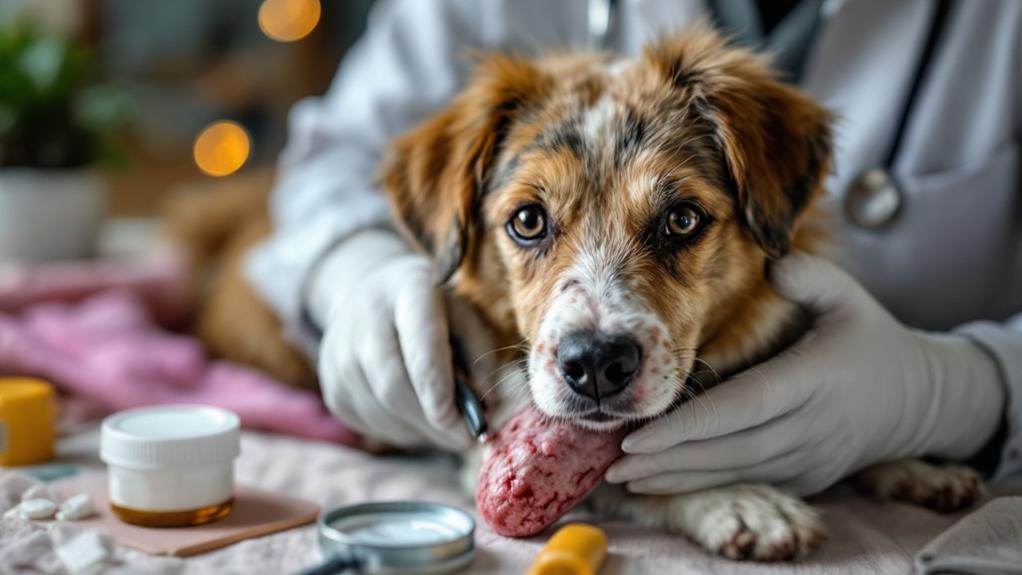
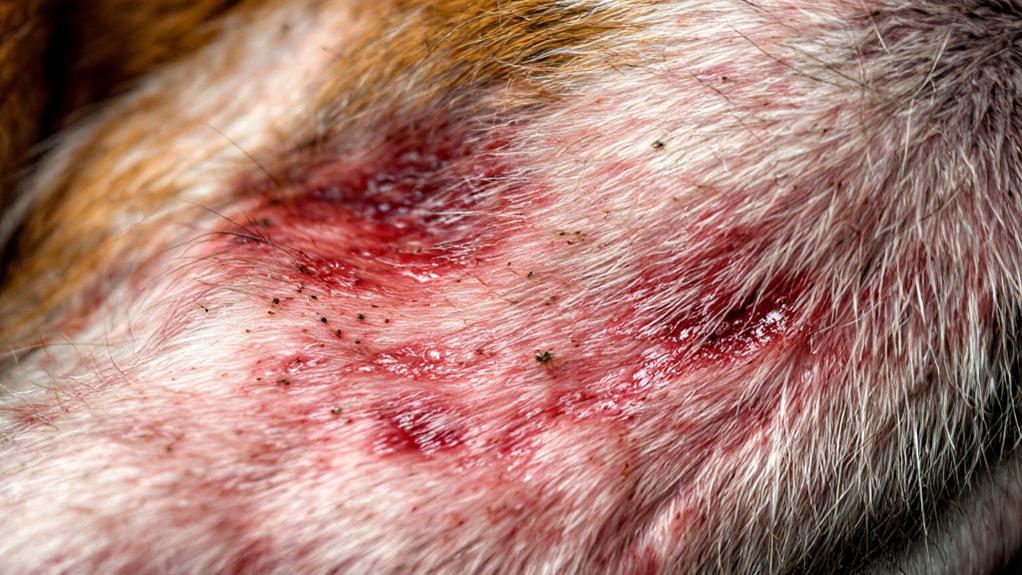
Dog hot spots, or pyotraumatic dermatitis, are a common skin issue that can cause your pet significant discomfort. These inflamed skin lesions develop rapidly, often resulting in painful, itchy areas on your dog's body. Bacterial infections, frequently from Staphylococcus pseudintermedius, are often present, compounding the problem. You might find these lesions on the head, legs, hips, or areas with dense or matted fur, which can make early detection challenging.
Several factors contribute to the development of dog hot spots. Environmental elements like humidity and moisture create the perfect conditions for these lesions to flourish. Moreover, underlying conditions such as allergies, ear infections, and poor grooming habits can exacerbate the issue. It's crucial to evaluate these contributors to prevent future outbreaks effectively.
Treatment for dog hot spots involves practical steps. You'll need to clip the fur around the affected area to allow air circulation and easier cleaning. Using antiseptic solutions will help clean the lesions, while anti-inflammatory medications can reduce your dog's discomfort and promote healing. By understanding these factors, you can take proactive steps in prevention, ensuring your pet's skin remains healthy and irritation-free.
Recognizing Symptoms
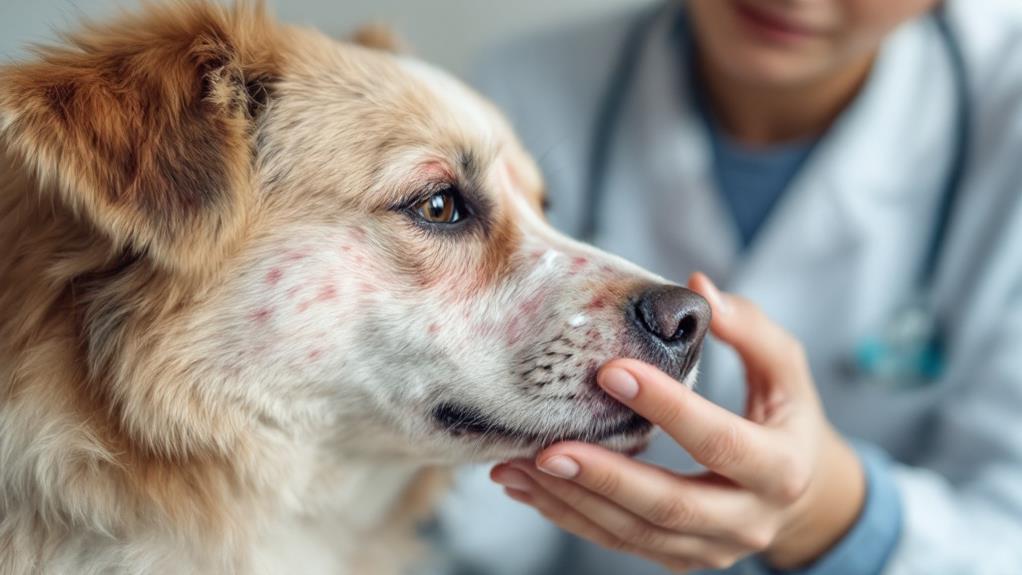
Recognizing the symptoms of dog hot spots early can greatly ease your pet's discomfort and speed up recovery. These hot spots often appear as red, swollen, and inflamed lesions on your dog's skin. You'll notice hair loss around the affected area, which can be a clear sign something's amiss. Your dog might engage in excessive licking, scratching, or biting at the site, indicating discomfort and irritation. This behavior could lead to further inflammation and even an underlying infection if left unchecked.
The affected area may ooze fluid or pus, and it often feels warm to the touch. You might also detect an unpleasant odor emanating from the site. Hot spots frequently occur on the head, legs, and hips but can surface anywhere, especially under matted fur. Pay attention to any behavioral changes in your dog, such as increased agitation or restlessness, as these may stem from the pain and itching associated with hot spots.
Identifying Causes
Many factors can contribute to the development of hot spots in dogs, and understanding them is essential to prevention. One significant underlying cause is allergies. Regardless of whether it's flea or food allergies, they lead to itching, prompting your dog to scratch or lick excessively, causing skin conditions like hot spots. External parasites such as fleas, mites, and ticks are another common culprit. These pests cause discomfort, pushing your dog to destructive grooming behaviors that can damage the skin.
Behavioral issues also play a role in hot spot development. Dogs dealing with anxiety or boredom may resort to repetitive licking or scratching, which can worsen skin conditions. It's vital to address these behavioral issues to prevent hot spots. Furthermore, poor grooming practices can contribute to hot spot formation. Infrequent brushing or bathing may lead to matting and moisture retention, creating a perfect environment for hot spots.
Understanding these causes helps you create an effective treatment plan for your dog. By addressing allergies, eliminating external parasites, improving grooming routines, and tackling behavioral issues, you can reduce the risk of hot spots and guarantee your furry friend stays comfortable and healthy.
Effective Treatment Options
To effectively treat hot spots in dogs, you should start by clipping the fur around the affected area. This step is vital as it allows the skin lesions to dry and helps the healing process. After clipping, clean the hot spot with a chlorhexidine solution. This helps eliminate bacteria and prepares the skin for further treatment.
To manage itching and inflammation, anti-inflammatory medications such as prednisone or Apoquel are often prescribed. These medications help reduce discomfort, allowing the skin to heal more efficiently. If your dog's hot spots have developed a secondary infection, systemic antibiotics may be necessary. These antibiotics treat conditions like folliculitis and prevent further complications.
Using an Elizabethan collar, or E-collar, is important during the healing process. It prevents your dog from licking or scratching the hot spot, which can exacerbate the inflammation and slow down recovery. By following these steps, you guarantee an effective treatment for your dog's hot spots, promoting faster healing and reducing the risk of further skin issues. Always consult your veterinarian for the best treatment plan tailored to your dog's specific needs.
Grooming and Hygiene

Grooming plays an important role in maintaining your dog's skin health and preventing hot spots. Regular grooming helps remove loose fur and debris, reducing the risk of moisture buildup that can lead to these painful lesions. Start by consistently brushing your dog. This not only eliminates dirt and tangles but also distributes natural oils throughout the coat, promoting healthier skin. When your dog experiences hot spots, clipping hair around the affected area is essential. This allows the skin to dry and heal more effectively, minimizing further irritation.
Bathing your dog with a moisturizing shampoo can also be advantageous. It helps maintain skin hydration, reducing the chances of dryness and irritation that might cause hot spots. Choose a gentle shampoo to soothe your dog's skin and keep it well-nourished. Furthermore, don't overlook routine ear cleaning. This practice is important as it helps prevent ear infections. Such infections can cause your dog to scratch excessively, potentially leading to hot spot development on the head or neck.
Prevention Strategies
Maintaining your dog's skin health through grooming and hygiene is just the beginning of preventing hot spots. Regular grooming and bathing are essential to keeping your dog's skin clean and preventing moisture buildup, which can lead to hot spots. It's important to implement a consistent flea prevention program since fleas are a common trigger. Monitoring your dog for underlying allergies or skin conditions can greatly reduce the risk of recurring hot spots. Addressing these issues promptly will help maintain your dog's overall skin health.
In addition to physical care, mental stimulation and daily exercise play important roles. Providing interactive toys and engaging activities can help alleviate boredom, which often leads to excessive licking or scratching. These behaviors can exacerbate skin issues and contribute to the development of hot spots. Ensuring your dog is dry after swimming or bathing is another key step, as leftover moisture can worsen skin irritations.
Lastly, don't overlook the significance of the treatment of skin infections. If you notice any signs of infection, seek veterinary care immediately to prevent hot spots from becoming a more serious problem. By focusing on these strategies, you'll help keep your dog's skin healthy and free from hot spots.