Does Daily Brushing Reduce Cat Shedding? Tips for Managing Fur
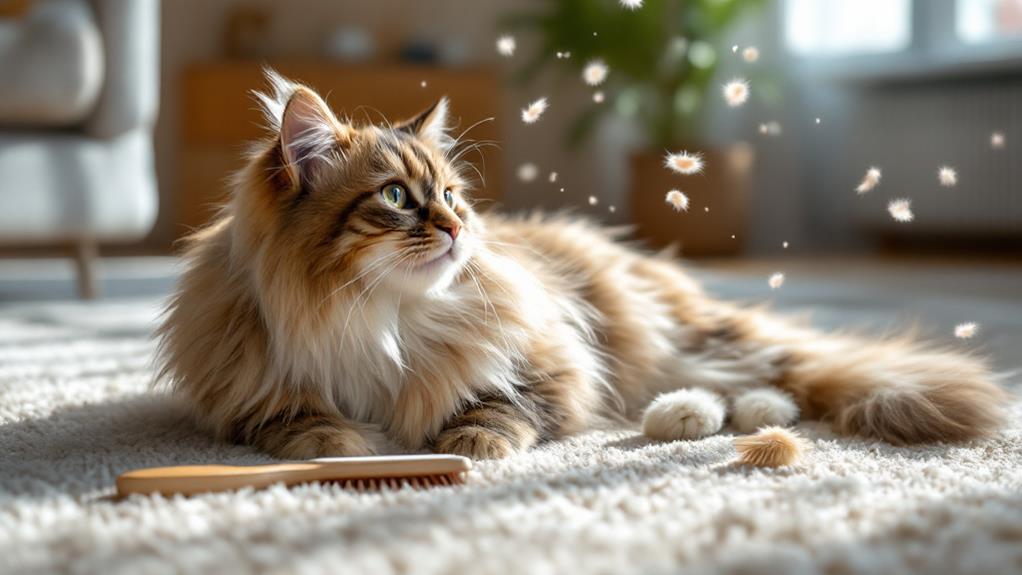
Daily brushing greatly reduces cat shedding by removing loose fur before it spreads around your home. It keeps your cat's coat smooth, tangle-free, and helps prevent mats. By brushing regularly, you reduce hairballs and promote healthy skin. Choose the right brush for your cat's fur type; slicker brushes suit long-haired cats, while short-haired cats benefit from bristle brushes. Consistency enhances results, and incorporating positive reinforcement makes the experience pleasant for your cat. A balanced diet rich in protein and omega fatty acids also supports coat health. Uncover more techniques and tips for managing your cat's shedding efficiently.
Understanding Cat Shedding
Understanding cat shedding is vital for every cat owner. Cats naturally shed to remove dead fur and maintain skin health. However, the amount and frequency of shedding can vary based on breed and environmental factors. Long-haired breeds like Maine Coons and Persians tend to shed more than their short-haired counterparts due to their dense fur, requiring more attention to grooming. By brushing your cat regularly, you can reduce your cat's shedding and manage your cat's fur more effectively.
Seasonal changes also play an important role in cat shedding. Cats often shed more in the spring and fall as they adapt to changing temperatures. During these times, you may notice an increase in loose fur around your home. To help control this, guarantee your cat has a balanced diet rich in protein and necessary fatty acids, which supports skin and coat health.
Stress and anxiety can also exacerbate shedding, so maintaining a calm environment is key. By understanding cat shedding and taking proactive steps, like regular grooming and providing a nourishing diet, you can greatly reduce your cat's shedding and keep its coat healthy and manageable.
Benefits of Daily Brushing
Daily brushing offers numerous benefits for both you and your cat. By incorporating this simple yet effective routine, you can greatly reduce cat shedding and manage the amount of loose fur around your home. This means less time spent cleaning up and more time enjoying a tidy space. Regular grooming sessions help maintain a smooth, tangle-free coat, which is crucial for preventing mats and skin issues that can cause discomfort to your feline friend.
Moreover, when you brush your cat daily, you're not just keeping their coat in top condition; you're also promoting healthy skin. This routine allows you to spot any potential skin conditions, parasites, or health problems early on, ensuring you can address them promptly with your vet. This proactive approach helps keep your cat happy and healthy.
Daily grooming sessions also strengthen the bond between you and your cat. This shared time creates a positive experience, enhancing their general well-being. For cat owners, especially those with long-haired breeds, daily brushing can markedly reduce hairball occurrences by removing loose fur before it's ingested. No matter your cat's fur type, daily brushing is a win-win for both of you.
Choosing the Right Brush
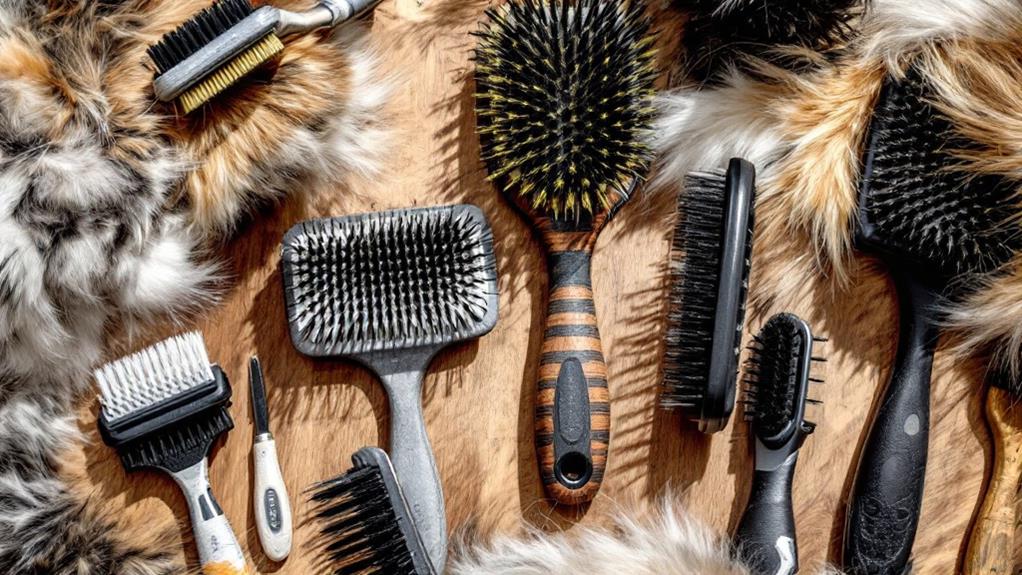
Choosing the right brush is vital for managing your cat's shedding effectively. Start by considering your cat's coat type. For long-haired breeds, slicker brushes are your best friend. They're designed to reach through the lush fur, detangling and removing loose hair. If you have a short-haired cat, bristle brushes are more suitable. They help maintain a sleek coat and stimulate skin oils for a healthy shine.
Deshedding tools, like the popular Furminator, work wonders during peak shedding seasons. They're especially effective at removing loose hair from both long-haired and short-haired cats. If your cat isn't a fan of traditional brushes, grooming gloves might be the perfect solution. These gloves allow you to pet your cat while removing excess fur gently, doubling as a massage that many cats adore.
Cats with sensitive skin require a gentler approach. Soft-bristle brushes are ideal since they prevent irritation while still keeping your cat's coat in check. Remember, regularly cleaning and maintaining your grooming tools is important. It guarantees they remain effective and hygienic, contributing to your cat's overall coat health. By choosing the right brush, you're on your way to a cleaner home and a happier cat.
Effective Brushing Techniques
Once you've got the right brush in hand, mastering effective brushing techniques can make all the difference in managing your cat's shedding. To start, verify you're using the appropriate grooming tools tailored for your cat's fur type—slicker brushes for long-haired cats and rubber brushes for short-haired ones. This choice not only makes cat grooming more comfortable but also improves the removal of loose fur, greatly helping to reduce cat shedding around your home.
Brushing in the direction of hair growth is vital. This method minimizes discomfort for your cat and distributes natural oils throughout their fur, promoting a healthier coat. It's also important to establish a consistent grooming routine; regular sessions help your cat get used to the process, making it more effective over time.
Incorporate positive reinforcement to make grooming a pleasant experience for your cat. Use treats or verbal praise during brushing sessions to create a positive association with the activity. This strategy encourages your cat to look forward to grooming, which ultimately aids in reducing shedding.
- Use the right grooming tools for your cat's fur type
- Brush in the direction of hair growth
- Incorporate positive reinforcement with treats
Managing Long-Haired Cats
Tackling the challenge of managing long-haired cats like Maine Coons and Persians requires a dedicated approach to grooming. Daily brushing is vital to prevent matting and manage shedding. By removing loose fur with a slicker brush or a wide-toothed comb designed for long-haired breeds, you can keep your home fur-free. These grooming sessions help reduce the amount of hair that ends up on your furniture and floors.
Beyond managing shedding, regular grooming promotes healthier skin by distributing natural oils throughout your cat's coat, giving it a beautiful shine. This consistent grooming routine also plays an important role in reducing hairballs. Long-haired cats tend to ingest more hair during their own grooming habits, leading to frequent hairballs. By brushing them daily, you greatly cut down on the amount of hair they swallow.
Incorporating grooming into your routine not only benefits your cat's physical health but also strengthens your bond. These sessions can become a calming experience, offering both you and your cat a moment of relaxation and connection. So, make daily brushing a priority and enjoy the positive effects it brings to both your cat's appearance and your shared relationship.
Nutritional Impact on Shedding
A significant factor in managing cat shedding is providing a high-quality, protein-rich diet that supports healthy skin and coat. When you focus on a nutritionally balanced cat food, you're not just feeding your feline friend; you're also helping manage shedding. Fundamental nutrients like taurine and vitamin A contribute to overall coat health, minimizing excessive fur loss. Omega-3 fatty acids, often found in fish oil supplements, play a key role too. They promote skin health, resulting in a shinier coat and reduced shedding.
Poor nutrition, on the other hand, can be a culprit for your cat's dry skin and increased shedding. Low-quality cat food lacking necessary fatty acids and vitamins might lead to these issues. By ensuring your cat's diet is rich in these fundamental nutrients, you're taking a proactive step in grooming and caring for your pet.
Here's how you can manage shedding through nutrition:
- Choose balanced cat food with fundamental nutrients.
- Incorporate omega-3 fatty acids for improved coat condition.
- Regularly consult a veterinarian for dietary adjustments.
Always remember, a proper diet is key to keeping your cat's coat healthy and managing shedding efficiently.
Supplements for Coat Health
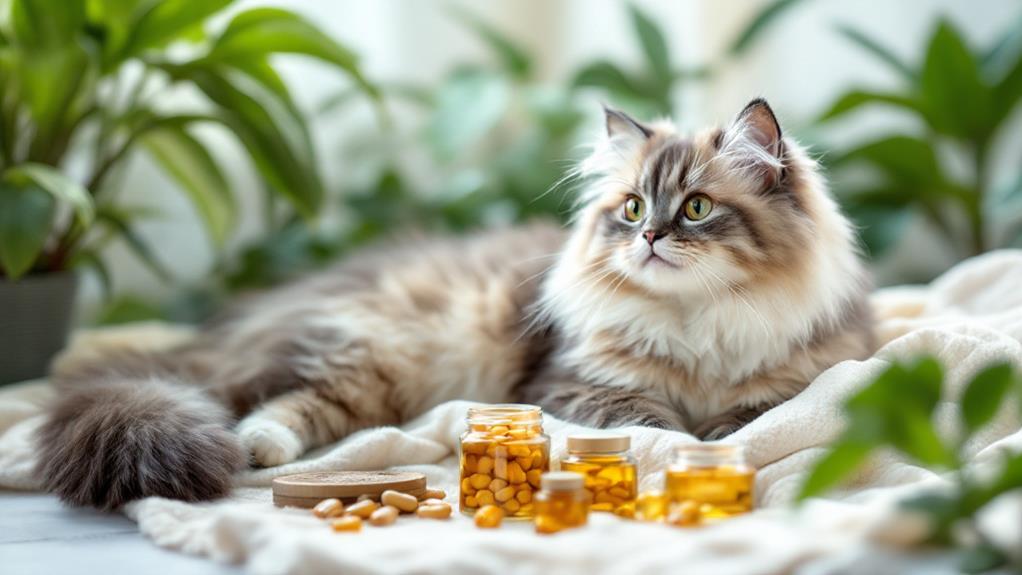
When you're looking to improve your cat's coat health, supplements can play a significant role. Omega fatty acids, particularly Omega-3 and Omega-6, are crucial for promoting skin health. Found in fish oil supplements, these fatty acids help keep your cat's skin hydrated and elastic, which in turn supports a shiny coat and reduces shedding. Incorporating biotin, a B-vitamin, to your cat's diet can also strengthen healthy fur growth and minimize excessive shedding.
In addition to biotin and omega fatty acids, consider probiotics. Regular use of probiotics improves gut health, leading to better nutrient absorption. When your cat absorbs nutrients more efficiently, their skin and coat conditions improve, further reducing shedding. A well-balanced diet supplemented with vital vitamins and minerals like zinc and vitamin E can also contribute to a healthier, shinier coat and less fur loss.
Before introducing any new supplements, always consult a veterinarian. They can help confirm these additions are safe and suitable for your cat's specific health needs. Your vet's guidance will provide the best path to achieving peak coat health and minimizing shedding, keeping your feline friend looking and feeling their best.
Environmental Factors and Shedding
Your cat's shedding is influenced by multiple environmental factors, impacting both indoor and outdoor felines differently. Indoor cats usually shed consistently because of the artificial lighting and temperature control in your home. These factors can disrupt their natural shedding cycles. Outdoor cats, on the other hand, shed more in response to natural seasonal changes, with longer days in spring prompting increased fur loss due to photoperiod changes.
To better manage shedding, consider these environmental factors:
- Photoperiod: Longer daylight exposure can trigger shedding cycles. Adjust lighting where possible to mimic natural light patterns.
- Humidity: Maintaining ideal humidity levels can keep your cat's skin from becoming too dry, potentially reducing fur loss and promoting a healthier coat.
- Environmental stressors: Changes in household dynamics or disruptions can cause anxiety in cats, leading to excessive shedding. Keeping a stable and calm environment can help reduce this stress.
In addition to these factors, regular grooming is essential. It helps control shedding by removing loose fur before it becomes a problem in your home. Also, using an air purifier can reduce airborne allergens and fur, benefiting both your cat's health and your living space.
Home Cleaning Tips

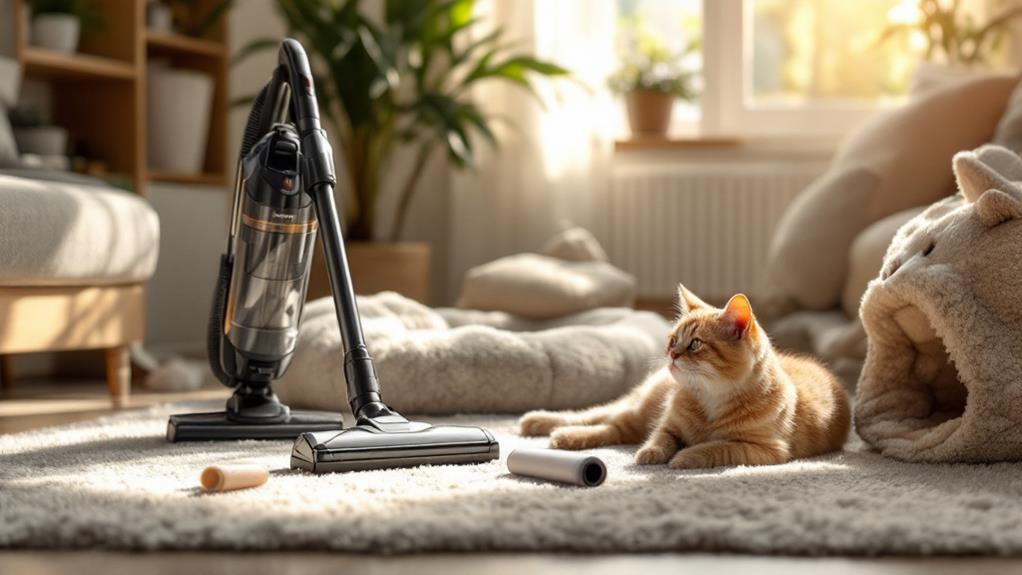
Tackling cat fur in your home doesn't have to be an intimidating task. When your cat sheds, managing the loose hair is essential to maintaining a clean and comfortable environment. Regular vacuuming is your best friend, especially with a vacuum designed for pet hair. It effectively reduces fur accumulation on carpets and furniture. If you want to make your life even easier, smart vacuums can automate this process, keeping your floors fur-free without much effort.
Don't overlook the power of lint rollers. They're perfect for quickly removing pet hair from clothing and upholstery, ensuring you leave the house fur-free. For surfaces like hardwood or tile, a simple squeegee can do wonders by gathering loose fur, making it easy to sweep away.
Consider investing in pet-friendly furniture covers. They protect your couches and chairs from fur buildup, simplifying the cleaning process and extending the lifespan of your furniture. Remember, these cleaning tips not only help in managing fur but also in creating a more pleasant home environment for both you and your pets. With these strategies, you can keep your home tidy despite how much your cat sheds.
When to Consult a Vet
After implementing effective home cleaning strategies, it's important to recognize when your cat's shedding might need professional attention. If you notice a sudden increase in shedding, it may signal underlying health issues such as allergies or hormonal imbalances. In such cases, it's important to consult a veterinarian to guarantee your cat's well-being. Furthermore, excessive shedding accompanied by bald patches, skin irritation, or rashes could indicate skin infections or parasites that require veterinary intervention.
Keep an eye on their grooming behavior. If your cat is either grooming excessively or not at all, it might be a sign of discomfort or health issues needing a professional's advice. Persistent dandruff alongside increased shedding could point to skin health problems. Consulting a vet can lead to effective management strategies.
Regular veterinary check-ups play an important role in:
- Identifying nutritional deficiencies that may cause poor coat health.
- Addressing skin health problems to reduce dandruff and excessive shedding.
- Evaluating your cat's general health to prevent future shedding issues.