Do Monkeys Make Good Pets? What You Need to Know Before Adopting One
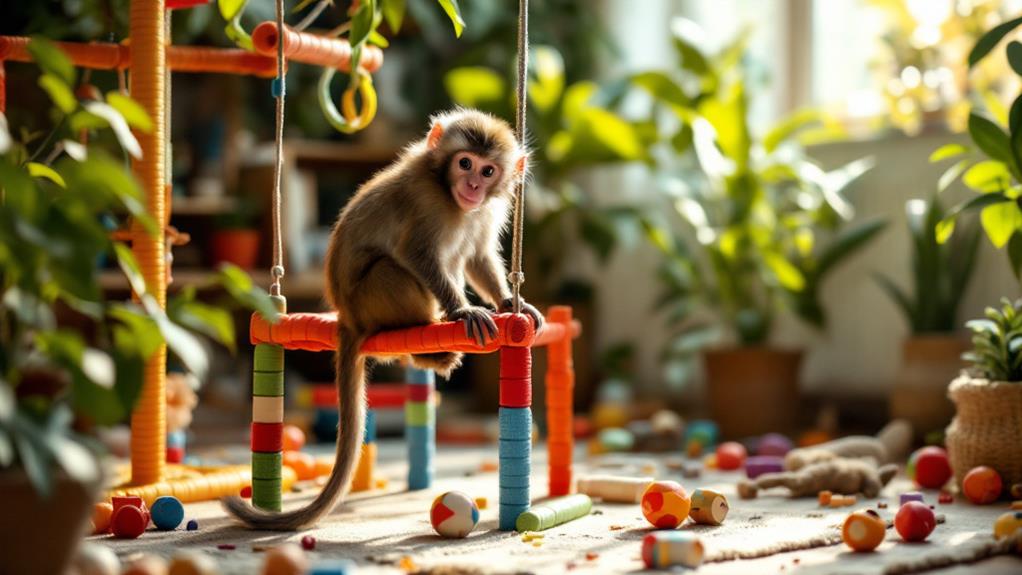
Monkeys aren't typical pets; they demand a lot of care and understanding. You'll face a maze of legal and financial hurdles, with some places outright banning them and costs reaching thousands. Monkeys need constant social interaction, or they may become aggressive. Their habitats must be safe and engaging, maintaining proper temperatures and including climbing and foraging features. Health risks, including zoonotic diseases, require specialized veterinary care, which isn't always easy to find. Understanding their communication and emotions is essential for your safety and their well-being. Uncover more about this complex commitment and if it's right for you.
Legal and Financial Implications
When considering a monkey as a pet, it's crucial to understand the legal and financial implications involved. Getting a pet monkey isn't as straightforward as you might think. To begin with, you need to navigate the complex legal landscape. Some states outright prohibit monkey ownership, while others require permits and proof of proper enclosure to guarantee the monkey's welfare. Ignoring these regulations can lead to hefty fines or even having your pet confiscated.
Financially, the initial purchase costs are significant. Smaller species like capuchins might cost around $7,000, but if you're thinking about a larger species like a chimpanzee, you could be looking at over $70,000. And that's just the beginning. Monkeys have a life expectancy ranging from 20 to 40 years, so the ongoing financial commitment can be massive. Monthly expenses add up quickly with costs for food, specialized diets, veterinary care, and necessary supplies.
Before getting a pet monkey, confirm you're prepared for these long-term commitments. It's not just about the upfront costs; you're investing in a lifetime of care. Taking time to research thoroughly can prevent future headaches and guarantee a happy, healthy life for your monkey.
Social and Behavioral Needs
Owning a monkey demands your attention to its social and behavioral needs, as these animals thrive on interaction. Monkeys are highly social creatures that require constant engagement with either their species or humans. If left isolated, they can develop severe behavioral issues. You'll need to dedicate time to understanding their complex social structures, as insufficient socialization can lead to attention-seeking behaviors like vocalizations or aggression.
Monkeys are known for experiencing mood swings similar to humans, influenced by different factors. It's vital to recognize their emotional states to maintain a harmonious relationship. Miscommunication can lead to safety risks, so learning their unique sounds and mannerisms becomes fundamental. Introducing new toys can be an effective way to stimulate their minds and satisfy their curiosity, keeping them engaged and happy.
Failure to meet a monkey's social and emotional needs can result in behavioral problems, necessitating a substantial time investment from you. You'll need to be prepared to interact daily, ensuring they feel secure and understood. By investing in their social well-being, including providing new toys, you'll help create a fulfilling environment, reducing the likelihood of behavioral issues.
Habitat and Living Conditions
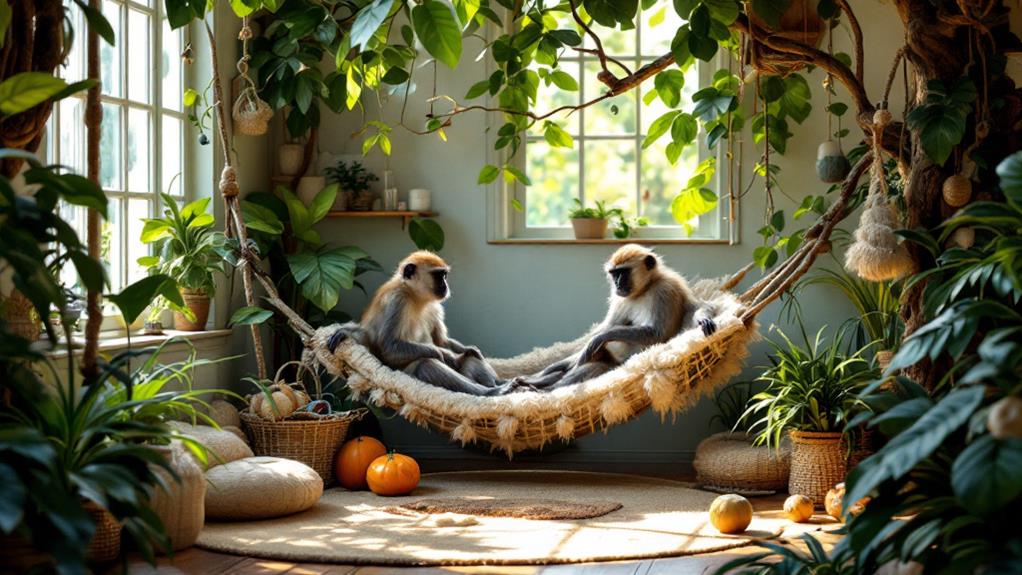
To guarantee a monkey's social and behavioral needs are met, creating an appropriate habitat is just as significant. An ideal enclosure design should be spacious, secure, and tailored specifically for the monkey species you're considering. Monkeys require at least 30 square feet to roam, climb, and investigate. This space allows them to express their natural behaviors, which a typical home cannot provide. The enclosure must be escape-proof and safeguard against household hazards like cords and chemicals.
Temperature control is another vital aspect of maintaining a suitable environment. Since monkeys thrive in warm climates, keep the enclosure's temperature above 75°F all year round. This requirement might lead to higher heating and cooling costs, so be prepared for that commitment.
Furthermore, providing a natural diet and climbing structures is essential. Monkeys flourish in environments that mimic their natural habitats—be it rainforests or savannahs. They need access to branches, ropes, and enrichment activities to engage their curious nature. A diet rich in fruits, vegetables, and other natural foods supports their health and well-being. Customizing the enclosure to fit the specific species' needs will guarantee the monkey remains physically and mentally healthy.
Health Risks and Expert Insights
Given the potential health risks, keeping a monkey as a pet poses significant challenges that shouldn't be underestimated. One of the primary concerns is disease transmission. Monkeys can carry zoonotic infections, which can easily spread to you and your family. These health risks are not only dangerous but can also lead to severe consequences if not carefully managed.
Furthermore, the demands of proper veterinary care cannot be overlooked. Many primates require specialized medical attention that's not readily available. Without access to appropriate veterinary care, your monkey's health can deteriorate, resulting in complications that are both costly and distressing.
Owning a monkey is a lifelong commitment, requiring your dedication to meeting both their physical and emotional needs. Here are three key points to reflect upon:
- Social Needs: Monkeys thrive in social groups, and the stress of isolation can adversely affect their health and behavior.
- Behavioral Issues: Failing to meet their complex needs can lead to severe behavioral problems, making them difficult to handle.
- Extensive Preparation: Experts stress the importance of being thoroughly prepared before taking on such a demanding pet.
It's essential to evaluate these factors carefully before deciding to bring a monkey into your home.
Communication and Emotional Understanding
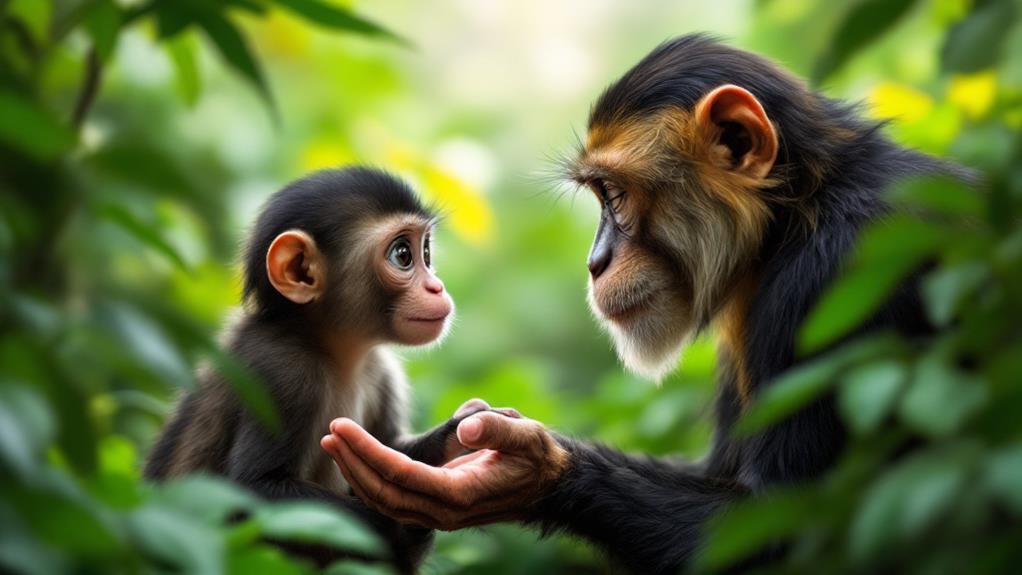
While considering the health risks and challenges of owning a monkey, understanding their communication and emotional needs becomes equally significant. Monkeys interact through complex vocalization patterns and behaviors that you'll need to learn, much like deciphering a toddler's communication cues. Unlike dogs or cats, monkeys don't grasp basic commands, making emotional comprehension essential to effective communication. Misreading their signals can lead to safety risks for both you and the monkey.
Monkeys are highly emotional creatures, experiencing mood swings influenced by their surroundings. It's vital to stay attuned to their emotional cues to provide proper care. Recognizing when a monkey feels stressed, anxious, or content requires attentiveness and patience. Paying close attention to their subtle signals can make a meaningful difference in their well-being and safety.
Building a strong bond with a monkey demands a substantial time investment. You'll need to understand their vocalizations and behavioral nuances, which can be quite complex and variable. Employing bonding techniques that respect their natural communication style will foster trust and companionship. Remember, successful communication with a monkey involves ongoing education and a deep commitment to understanding their unique world.