Diseases You Can Catch From Your Pet: Important Health Facts for Pet Owners
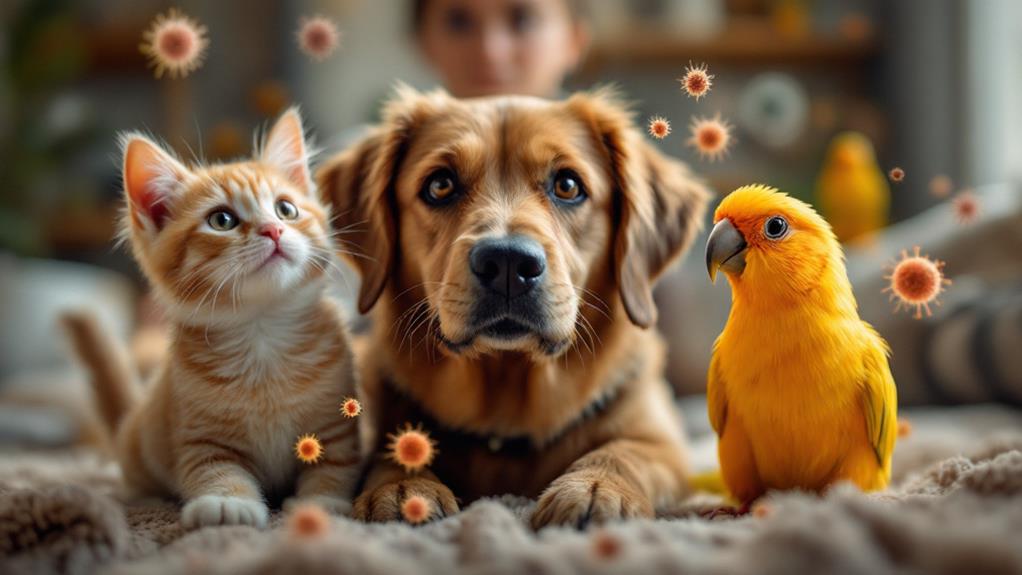
You might not realize it, but your pets can transmit diseases like Campylobacteriosis, Salmonella, and Leptospirosis. These often spread through close contact or contaminated surfaces. For rabies, a bite or scratch is the main concern, so vaccination is vital. Remember, young children, seniors, and those with weakened immune systems face higher risks. Practicing good hygiene, keeping up with vaccinations, and regular vet visits are key prevention steps. After outdoor activities, don't forget to check your pets for ticks too. These simple strategies can protect both you and your furry friends. There's more to learn on keeping everyone healthy.
Common Zoonotic Diseases
Regarding your furry friends, it's imperative to be aware of the common zoonotic diseases that can jump from pets to humans. As a pet owner, understanding these diseases and taking preventive measures is significant for your health and the well-being of your family. Dogs, in particular, are known carriers of several pathogens. Campylobacteriosis is a notable example, causing gastrointestinal symptoms like diarrhea and abdominal pain. This disease often spreads through close contact with infected animals. Salmonella is another concern, typically contracted through contaminated surfaces or food.
Regular health check-ups with a veterinarian are crucial. They help guarantee your pets are up-to-date on vaccinations and reduce the risk of transmitting diseases like rabies and leptospirosis. Although rare in the U.S., leptospirosis can occur through contact with contaminated water or soil. Children, seniors, and immunocompromised individuals are especially vulnerable to these diseases, making hygiene practices even more significant.
Transmission and Risk Factors
In relation to zoonotic diseases, understanding how they're transmitted and recognizing the associated risk factors is essential. Pet diseases can easily jump from animals to people through close contact, contaminated surfaces, and exposure to saliva, feces, or bites. Young children, seniors, pregnant individuals, and those with weakened immune systems are at higher risk for these infections. For instance, tick-borne illnesses from dogs are a growing concern, with about 20% of pet owners reporting confirmed cases. This highlights the significance of tick prevention measures to protect the health of their owners.
Common bacterial infections, such as Campylobacter and Salmonella, can spread from dogs to humans, leading to unpleasant symptoms like diarrhea and vomiting. Good hygiene practices are your primary line of defense. Washing your hands after handling pets and avoiding direct contact with their waste considerably reduces the risk of zoonotic infections. Regular veterinary visits guarantee your pets are up to date on vaccinations, further minimizing transmission risks. Ultimately, being aware of these factors and proactively managing them helps maintain the health of both animals and people, safeguarding against the spread of pet diseases.
Recognizing Symptoms

With regard to recognizing symptoms of zoonotic diseases, early detection is key to preventing serious health complications. Being aware of the symptoms can help protect you and your family from diseases transmitted by pets. Many zoonotic diseases start with common symptoms like fever and diarrhea, which can be easy to overlook. However, these symptoms often signal an infection that could become more severe if left untreated.
Keep an eye out for the following:
- Fever and diarrhea: Particularly concerning if they come after contact with your pets or contaminated surfaces, as they may indicate infections like Campylobacter or Salmonella impacting the gastrointestinal tract.
- Rabies symptoms: Fever, confusion, and hydrophobia can arise after potential exposure, and require immediate medical attention.
- Capnocytophaga canimorsus: If you notice fever or sepsis-like symptoms after a dog bite, especially if you have a weakened immune system, seek medical advice immediately.
- Gastroenteritis: Abdominal cramps, fever, and diarrhea can develop 2-5 days after exposure, signaling possible infection.
- Mild flu-like symptoms: These can mask diseases like Leptospirosis, so consider recent exposure to infected animals or environments.
Recognizing these symptoms early allows for prompt action and treatment, minimizing health risks.
Prevention and Safety Tips
Spotting symptoms early is important, but taking proactive steps can help prevent zoonotic diseases from affecting you and your family in the first place. Start by practicing good hygiene: wash your hands thoroughly with soap and warm water after handling your pet, their food, or cleaning their litter box. This simple act reduces the risk of zoonotic infections greatly. Also, avoid letting pets lick your face, especially near your mouth, nose, or eyes, since dog saliva can carry harmful germs.
Regular checkups for your pet are necessary. Make sure both you and your pet are up-to-date on vaccinations to prevent the spread of diseases like rabies and leptospirosis. After outdoor activities, inspect your pet for ticks. Promptly remove any ticks to lessen the risk of tick-borne illnesses like Lyme disease.
Supervision and hygiene during pet interactions are important, particularly for children. Educate them about safe practices, reinforcing the importance of handwashing and not allowing pets to lick their faces. Teaching children these health facts can protect them from potential zoonotic diseases. By following these prevention and safety tips, you can enjoy a healthier relationship with your pets and guarantee your family's well-being.
Veterinary Care and Resources
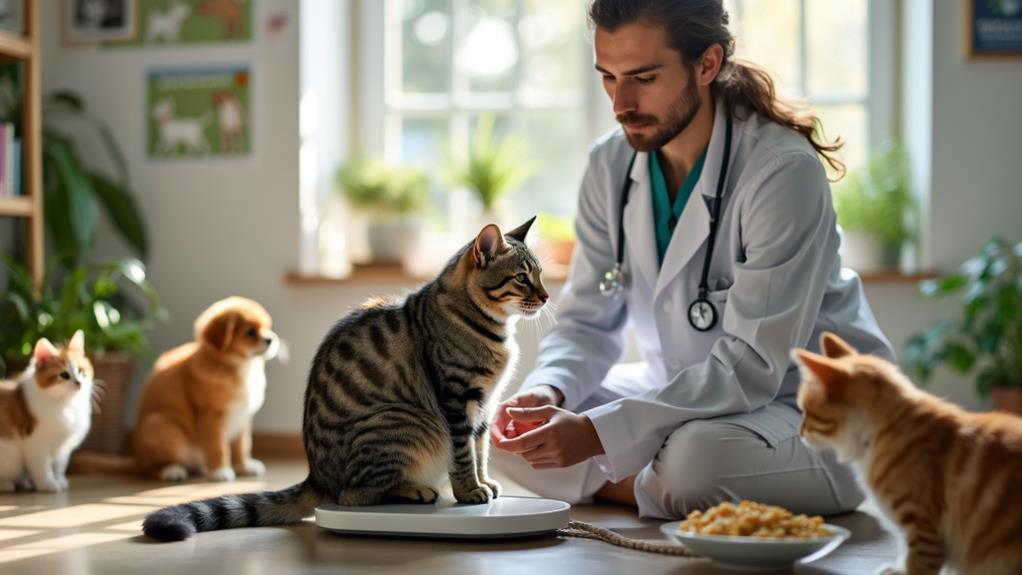
How can regular veterinary care protect you and your pet from zoonotic diseases? It's crucial for maintaining pet health and guaranteeing owner safety. Regular veterinary check-ups allow for early detection and prevention of zoonotic diseases. By keeping your pet's vaccinations up to date, you shield both your pet and yourself from diseases like rabies, parvovirus, and leptospirosis. Establishing a relationship with a trusted veterinarian guarantees you receive the best guidance on zoonotic risks and tailored preventive care.
Here's what you can do:
- Schedule routine veterinary check-ups: Early detection of health issues can prevent disease spread.
- Keep up with vaccinations: Protect against transmissible diseases to humans.
- Engage in regular parasite testing: Identify any hidden threats early on.
- Implement flea and tick control measures: Mitigate risks associated with these pests.
- Stay informed with reliable veterinary resources: Understand disease trends and preventive measures.
Access to reliable veterinary resources, like local animal clinics and online databases, helps you stay informed about disease trends. Regular parasite testing and flea and tick control further reduce the zoonotic infection risks. With these measures, you're not just caring for your pet but also safeguarding your own safety.