Different Types of Veterinarian Specialties Explained

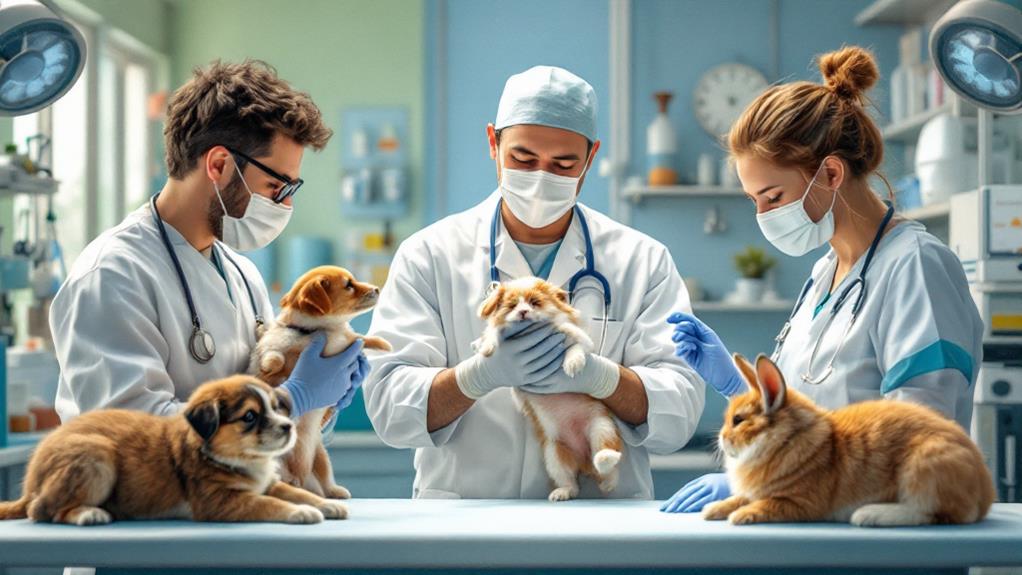
In veterinary medicine, you'll find specialists dedicated to diverse complexities like emergency care, internal medicine, and behavioral medicine. Emergency veterinarians handle life-threatening situations, while internal medicine experts focus on complex organ-related diseases. Behavioral specialists work on the psychological challenges animals face, aiming to strengthen the human-animal bond. Anesthesia specialists guarantee surgical safety, and pharmacologists tailor medication dosages. Animal welfare experts advocate for ethical treatment, and zoological medicine specialists care for non-domestic species. Each specialty requires advanced training beyond the DVM degree, with rigorous residencies and exams. Uncovering the depth of these specialties reveals a world of impactful animal care.
Key Takeaways
- The AVMA recognizes 22 distinct veterinary specialties, offering advanced care beyond general veterinary practice.
- Emergency and critical care specialists provide immediate, life-saving interventions for animals in acute medical distress.
- Anesthesia specialists ensure safe, tailored anesthesia plans during surgical procedures, focusing on comfort and safety.
- Behavioral medicine specialists address animals' psychological needs, improving the human-animal bond through modification techniques and medication.
- Clinical pharmacologists focus on safe medication management, minimizing adverse drug interactions through precise dosing and research.
Understanding Veterinary Specialties
Exploring veterinary specialties immerses a window into the diverse and intricate world of animal healthcare. With the American Veterinary Medical Association (AVMA) recognizing 22 distinct specialties, you're introduced to a field where dedication and expertise meet animal welfare needs. Veterinary specialists undergo advanced training, often spending 6-8 years in internships and residency programs after obtaining their Doctor of Veterinary Medicine (DVM) degree. This rigorous path guarantees that Board-certified veterinary specialists are equipped to tackle complex cases.
Specialists in areas like internal medicine, emergency and critical care, and surgical procedures play a vital role in advancing animal health. They bring their expertise to the forefront, offering tailored solutions for specific medical challenges. Regardless of managing intricate cases of internal medicine or performing life-saving surgical procedures, these specialists are essential in enhancing animal welfare.
In this evolving landscape, you'll find over 16,500 veterinarians holding diplomate status, signifying their commitment and proficiency within AVMA-recognized veterinary specialty organizations. This trend towards super-specialization mirrors developments in human medicine, emphasizing the increasing demand for expert knowledge. By exploring these specialties, you're contributing to a future where animal health care reaches new heights.
Role of Anesthesia Specialists
Anesthesia specialists play an significant role in veterinary medicine, ensuring animals remain safe and comfortable during surgical procedures. As a pet owner, you might not realize the complexity involved in administering and monitoring anesthesia, but these professionals are fundamental to your pet's well-being. They begin their path with a Doctor of Veterinary Medicine (DVM) degree, then undergo extensive supplementary training, including a residency program. This preparation is capped off by passing a rigorous certification examination.
Board-certified veterinary anesthesiologists are recognized by the American College of Veterinary Anesthesia and Analgesia, establishing a high standard of excellence. These specialists use advanced pain relief techniques and continuously assess animal vitals, reducing risks during surgery. They don't work alone; they collaborate with surgeons and primary care veterinarians to design individualized anesthesia plans, tailored to meet the specific needs of each animal.
Monitoring anesthesia is a huge part of their job, ensuring that your pet's safety and comfort are prioritized at every stage. Anesthesia specialists' expertise means that even the most complex cases are approached with precision and care, offering peace of mind to both veterinarians and pet owners alike.
Insights Into Animal Welfare
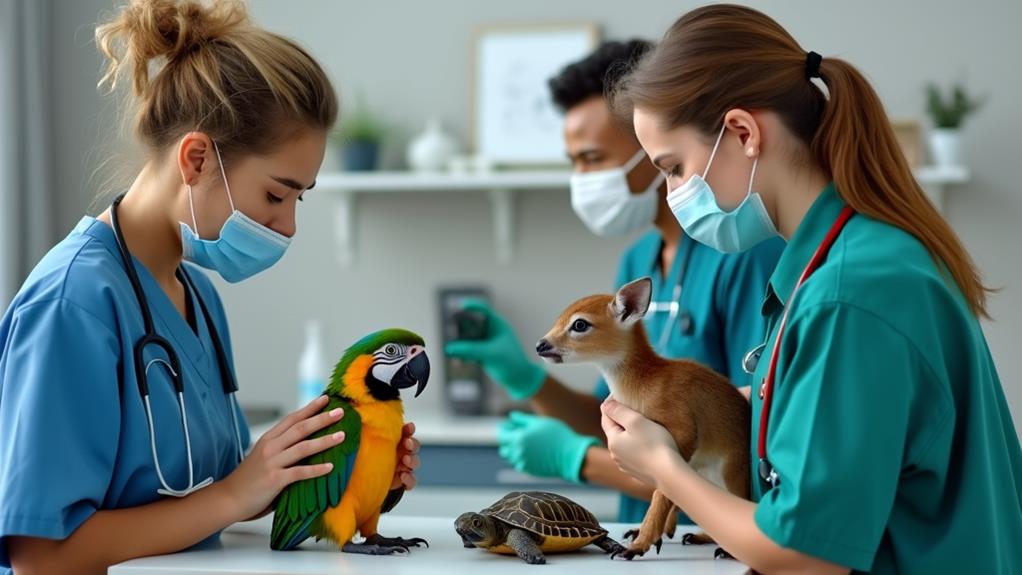
In the vast field of veterinary medicine, animal welfare specialists are fundamental in ensuring that animals receive ethical and humane treatment across diverse settings. They focus on balancing scientific knowledge with ethical considerations to promote humane practices. These specialists play a pivotal role in advocacy efforts, working on policy development to improve animal welfare standards and influencing regulations that govern animal care and use.
Animal welfare specialists are committed to educating veterinarians and the public about the importance of compassionate care. They emphasize the physical well-being, mental, and emotional well-being of animals, ensuring proper housing, nutrition, and socialization. These professionals often collaborate with other veterinary experts to tackle complex issues like animal abuse and neglect, aiming for ethical treatment in both domestic and wild populations.
Here are some key aspects of their work:
- Scientific knowledge: They apply scientific insights to promote animal welfare.
- Ethical treatment: Ensuring humane practices are consistently applied.
- Advocacy efforts: Influencing policy to improve animal welfare standards.
- Collaborate: Working with others to address animal abuse and neglect.
Behavioral Medicine Explained
While animal welfare specialists work to guarantee humane treatment, behavioral medicine specialists focus on understanding and addressing the psychological challenges animals face. When you own a pet, behavioral issues can be a significant concern, impacting both your life and your pet's well-being. These specialists are skilled in diagnosing and treating intricate behavioral problems, often using a combination of behavioral modification techniques and, when necessary, medications.
In behavioral medicine, the goal is to improve the human-animal bond by addressing issues that can arise during pet ownership. Treatment plans typically begin with a thorough assessment of your pet's environment, history, and interactions. By understanding these factors, specialists can tailor effective solutions for your pet's specific needs. It's not just about treating the animal; it requires collaboration with you, the pet owner, to educate and guide you in managing and modifying your pet's behavior effectively.
To become a specialist in this field, one must pursue further training beyond the Doctor of Veterinary Medicine (DVM) degree, often including internships and residencies in veterinary behavior. This advanced training equips specialists with the skills needed to address behavioral challenges effectively, ensuring a harmonious environment for both pets and their owners.
Essentials of Clinical Pharmacology

Understanding the fundamentals of clinical pharmacology is essential for guaranteeing the safe and effective use of medications in animals. As a clinical pharmacologist, you're responsible for determining the appropriate dosages and minimizing adverse drug interactions. You play a key role in developing treatment protocols tailored to each animal's unique needs. By considering factors such as species, life stage, weight, and existing health conditions, you guarantee that every animal receives the best possible care.
Your expertise in pharmacokinetics and pharmacodynamics allows you to understand how drugs move through an animal's body and how they affect biological systems. This knowledge is fundamental when creating effective drug therapies and improving existing ones. Moreover, your advanced training, often involving a residency program and rigorous examinations, prepares you for board certification in this specialty.
Clinical pharmacologists also contribute greatly to veterinary medicine by participating in research to identify new medications and treatment strategies. Some responsibilities you might engage in include:
- Developing treatment protocols for specific health conditions.
- Conducting research to find groundbreaking drug therapies.
- Collaborating with veterinarians to adjust medications based on pharmacokinetics.
- Educating pet owners about the effects and safe use of prescribed medications.
Your work guarantees that animals receive the safest and most effective care possible.
Focus on Emergency Care
As a clinical pharmacologist guarantees the safe use of medications, emergency and vital care veterinarians face the urgent challenge of providing immediate medical attention to animals in life-threatening situations. These professionals are essential in handling acute medical emergencies, using advanced diagnostic skills to quickly assess and stabilize patients. You'll find that veterinarians in this specialty often work under immense pressure, dealing with trauma cases, respiratory distress, and other significant conditions.
To become an emergency care specialist, veterinarians complete a residency program in emergency and vital care after earning their Doctor of Veterinary Medicine (DVM) degree. This intensive training equips them with the knowledge and expertise to manage complex situations effectively. They typically practice in specialty animal hospitals, which are fully equipped with advanced medical technology like monitoring systems, surgical facilities, and intensive care units. Such facilities enable them to deliver continuous care around the clock, even outside regular office hours.
The demand for these veterinarians is particularly high due to the unpredictability of emergencies. Their role is indispensable in ensuring that animals receive timely and effective care, thereby increasing their chances of recovery from life-threatening conditions. This specialty truly exemplifies dedication and expertise in veterinary medicine.
Internal Medicine Challenges
Navigating through the intricacies of internal medicine in veterinary practice requires a deep understanding of numerous organ systems and their complex interactions. As a vet specializing in internal medicine, you face the intimidating task of diagnosing and treating complex diseases in animals. This often involves managing chronic illnesses and interpreting advanced diagnostic tests. You know the significance of creating individualized treatment plans tailored to each animal's unique health challenges.
To become an expert in this field, you need board certification and potentially supplementary training in subspecialties like cardiology, neurology, or oncology. Your role often involves collaborating with primary care veterinarians to provide specialized care, especially for cases with intricate health problems.
Staying current in your field is a constant challenge. Continuous education is essential to keep up with the latest research and treatment modalities, making certain you can address the evolving challenges in animal health care effectively. Here are some key responsibilities and challenges:
- Diagnosing complex diseases that require a thorough approach.
- Developing individualized treatment plans to address unique health issues.
- Interpreting advanced diagnostic tests to uncover underlying health problems.
- Collaborating with primary care veterinarians to provide improved care.
Your dedication to these challenges guarantees better outcomes for your patients.
Exploring Zoological Medicine
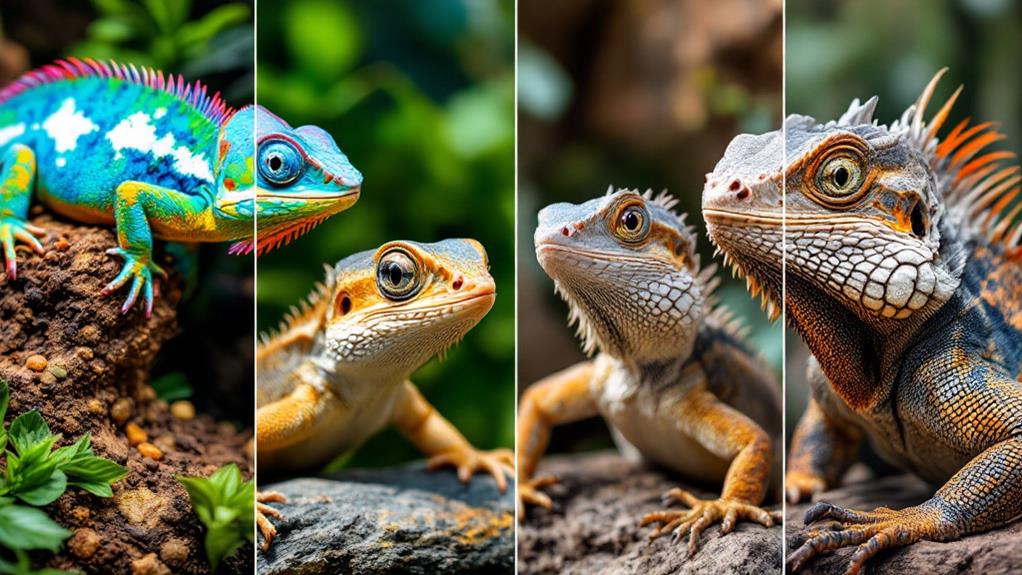
Investigate the fascinating world of zoological medicine, where veterinarians dedicate their expertise to the health and well-being of non-domestic animals. This specialty focuses on the unique medical and behavioral needs of animals in zoos and wildlife settings. Your role in zoological medicine involves addressing the health management of a wide range of species, from reptiles to large mammals. Conservation efforts are a big part of this field, as you work to protect endangered species and educate the public about the importance of wildlife preservation.
In zoological medicine, you adapt your practices to cater to the specific health requirements of exotic animals. This might require using specialized equipment designed for larger or more exotic species. You'll perform numerous procedures, including health assessments, surgeries, and vaccinations, guaranteeing each animal receives the care it needs. Collaboration is key in this field. Working alongside conservation organizations and wildlife agencies, you help guarantee the welfare of animals in both controlled and natural environments.