Danish-Swedish Farmdog: The Small and Versatile Show Dog
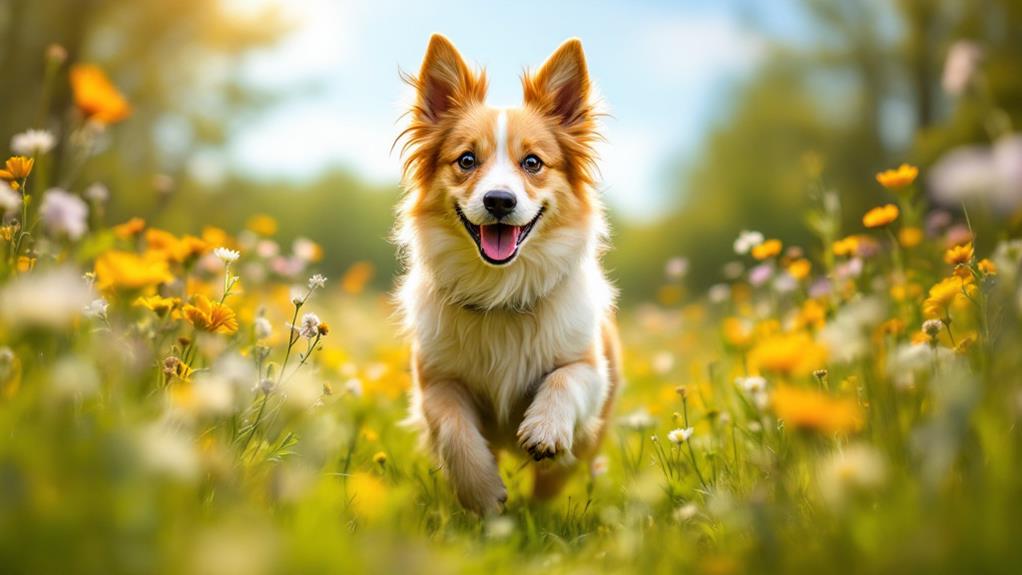
If you're looking for a small and versatile show dog, the Danish-Swedish Farmdog might just be the perfect fit. Originating from Denmark and Southern Sweden, this compact breed is known for its agility and friendly demeanor. With a slightly rectangular build, smooth coat, and varied ear styles, they're both athletic and adorable. Their friendly and playful nature makes them excellent family companions, and they excel in activities like agility and obedience. Keeping them healthy is straightforward with regular exercise and a balanced diet. This breed's history and role in canine sports offer plenty more to uncover.
Breed Origins and History
The Danish-Swedish Farmdog, frequently known for its versatility, has a rich history rooted in the small farms of Denmark and Southern Sweden. Originally called the Danish Pinscher, this breed was developed as a reliable working dog, excelling in vermin control and herding tasks. Its ability to adapt to diverse farm duties made it invaluable, as you might imagine, for farmers seeking an all-around helper. Despite its utility, the breed faced near extinction by the late 20th century.
In 1987, dedicated efforts by kennel clubs in Denmark and Sweden revived the Danish-Swedish Farmdog, ensuring its survival and continued contribution to farm life. These clubs recognized the breed's potential and worked diligently to promote its versatility and preserve its lineage. The Farmdog's recognition by kennel clubs came in phases, with crucial acknowledgments in 1987, 2008, and 2011, securing its place in the canine community.
Beyond its traditional roles, this breed has shown its adaptability through participation in multiple canine sports, showcasing its athleticism and outgoing nature. Regardless of for herding or participating in dog sports, the Danish-Swedish Farmdog remains a symbol of resilience and utility.
Physical Traits and Appearance
When observing a Danish-Swedish Farmdog, you'll notice its compact, slightly rectangular build that combines strength and agility. This small breed stands at 13.5-14.5 inches for males and 12.5-14 inches for females. Its athletic structure is highlighted by a well-defined forechest and deep rib cage, ensuring peak agility and performance. The short, smooth coat is mainly white with possible patches of black, brown, yellow, or tan. This type of coat requires minimal grooming thanks to its low-shedding nature.
You'll be captivated by their triangular heads and the friendly expression that radiates from their dark, rounded eyes. The ears can either be rose or button style, adding to their alert and engaging appearance. Their tails, which can range from long to naturally bobtailed, are often carried straight with a slight curve, enhancing their unique look.
The Danish-Swedish Farmdog's physical traits not only make it a strikingly handsome dog but also contribute to its versatility. Regardless of if they're showcasing their agility in the ring or enjoying playtime outdoors, these small, compact dogs are truly a perfect blend of form and function.
Temperament and Personality
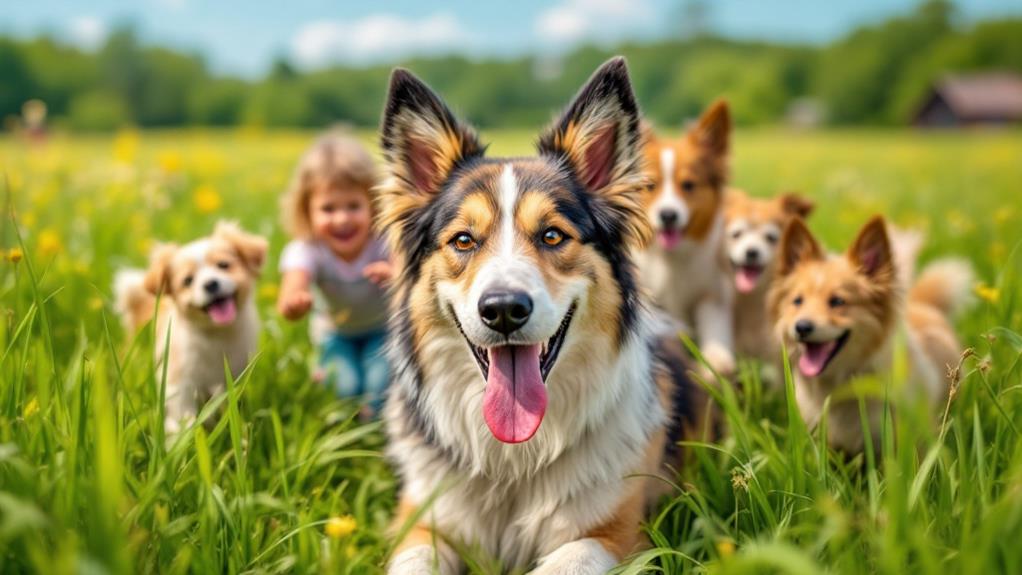
Beyond their striking physical attributes, Danish-Swedish Farmdogs truly shine in their temperament and personality. Known for their friendly temperament, these dogs make excellent companions for both families and individuals. They're incredibly people-oriented and thrive in an affectionate family environment. Their enthusiasm to please makes them a joy to have around, as they actively seek out social interaction and companionship.
These dogs possess a playful nature, often displaying a rambunctious energy that keeps everyone entertained. However, this lively spirit requires regular exercise and mental stimulation. Without it, they might resort to destructive behavior to vent their boredom. Regardless of a long walk, a game of fetch, or some agility training, keeping them active is vital.
Despite their tenacious hunting instincts, which make them adept at catching vermin, Danish-Swedish Farmdogs have a remarkable ability to relax when the activity ends. This "off switch" is one of their endearing traits, allowing them to shift smoothly from playtime to downtime. To guarantee they become well-rounded and well-behaved, proper training and early socialization are fundamental. These efforts help develop their full potential, making them a delightful enhancement to any household.
Training and Activities
For those looking to train a Danish-Swedish Farmdog, you'll find they excel in a range of dog sports, like agility and obedience. Their versatility shines through in activities such as Flyball and Lure Coursing, where their athleticism truly stands out. In terms of training, focus on using positive reinforcement techniques. This intelligent breed is keen to please, making consistent, reward-based methods highly effective. By using treats or praise, you'll encourage their enthusiasm and guarantee successful learning experiences.
Engaging in activities like Nose Work is great for their mental stimulation. This exercise mimics search and rescue techniques, tapping into their strong scent detection abilities and keeping them mentally sharp. Early socialization is essential, too—expose them to different environments to develop a well-rounded temperament and prevent potential behavioral issues. This will help them adapt to various situations with ease.
Participation in competitive sports not only strengthens your bond with your Danish-Swedish Farmdog but also supports their physical fitness and mental well-being. By regularly involving them in these activities, you provide an outlet for their energy and contribute to their general happiness. With the right approach, you'll nurture a confident, well-adjusted companion.
Health and Care Needs
While engaging your Danish-Swedish Farmdog in diverse activities supports their mental and physical fitness, it's also significant to pay attention to their health and care needs. Regular veterinary check-ups play a vital role in monitoring your dog's health and ensuring their longevity, given their life expectancy of 11-13 years. Keep an eye out for common issues like hip dysplasia. Managing their exercise and weight is key to maintaining ideal joint health, so make sure they get daily exercise to stay fit and mentally stimulated.
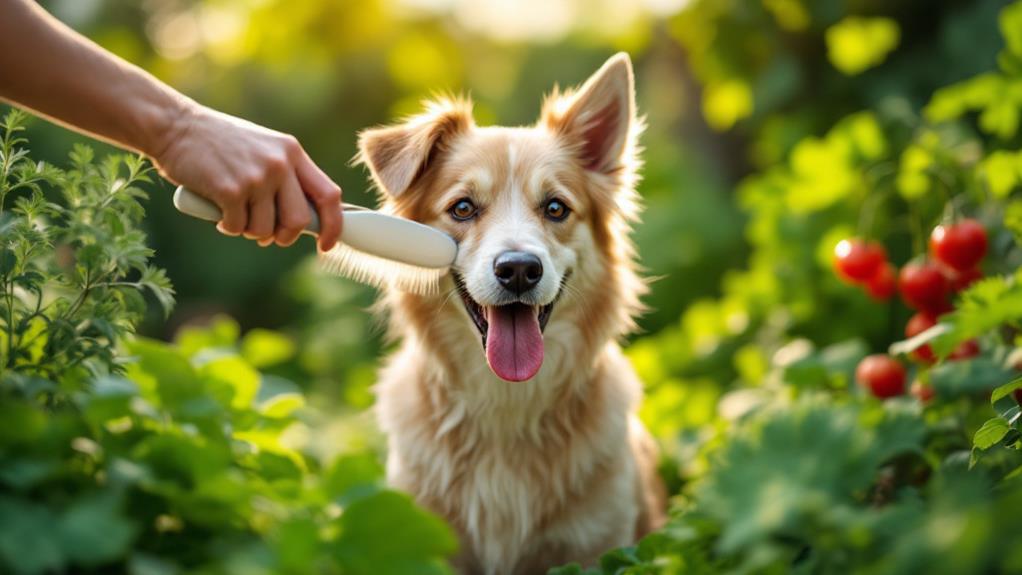
A balanced diet designed for small breeds is fundamental. Monitor their caloric intake to prevent obesity, as excess weight can exacerbate joint issues. Remember, treats should make up no more than 10% of their daily calories. Minimal grooming is needed, thanks to their short, smooth coat, but don't skip occasional brushing to get rid of loose hair. Regular nail trimming and dental care are also significant for their general health.