Curly-Coated Retriever: The Intelligent and Athletic Sporting Dog
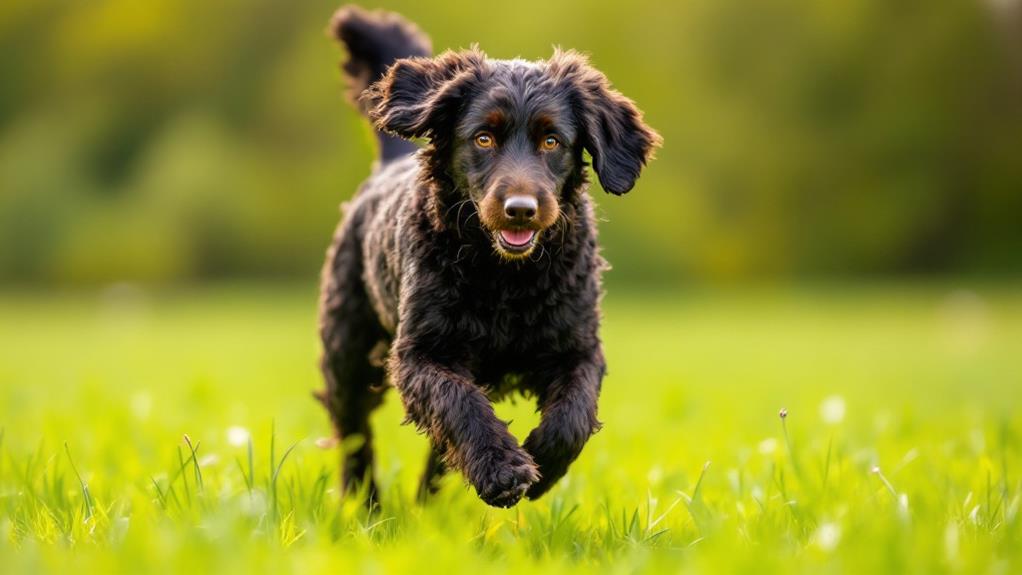
You're looking at the Curly-Coated Retriever, a breed renowned for its intelligence and athleticism. This dog has a storied history dating back to 18th century England, developed from breeds like the Irish Water Spaniel and Poodle. Its distinctive, curly coat isn't just for show; it's superbly water-resistant, making this retriever a skilled swimmer. Known for loyalty and an independent spirit, they're affectionate but also appreciate their space. They thrive on mental and physical challenges, making them perfect for active families. Plunge further into this breed's traits and uncover why it's both rare and remarkable.
Origin and History
The Curly-Coated Retriever is one of the oldest retriever breeds, with its origins dating back to the late 18th century in England. This breed was developed from a mix of water dogs, including the Old English Water Dog, Irish Water Spaniel, and Standard Poodle. It was primarily bred for retrieving game both on land and in water, a task it excels at due to its natural affinity for swimming. You can trace its historical significance through written accounts from as early as 1803 and its depiction in British artwork spanning over 300 years.
Distinctive Coat Features
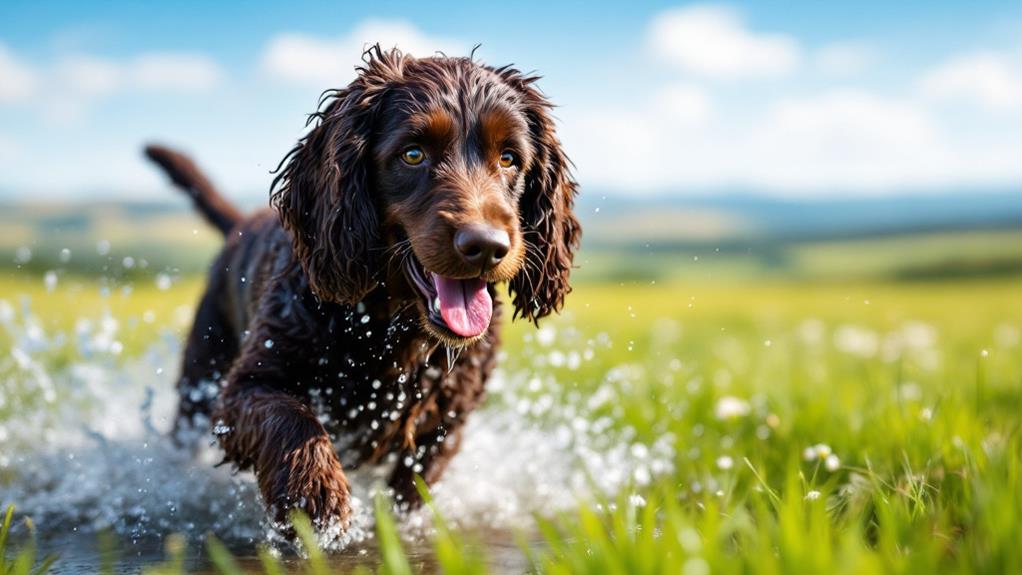
Among the many characteristics that set the Curly-Coated Retriever apart, its distinctive coat features prominently. This breed boasts a dense coat of small, tight curls that serve a practical purpose. The tight curls offer exceptional water resistance, making the Curly-Coated Retriever perfectly suited for retrieving tasks in wet environments. The coat's singular texture, lying close to the skin, is essential for protection against harsh weather, ensuring your retriever can perform in different conditions.
You'll notice that the coat is solid black or liver, colors that are a hallmark of the breed's striking appearance. Notably, the only straight hair you'll find is on the face and front of the legs, a design that improves the dog's functional capabilities. This distinctive coat doesn't just look good; it's a key feature that contributes to the breed's effectiveness in the field.
When it comes to grooming, you'll find that it requires minimal effort. The natural structure of the Curly-Coated Retriever's coat minimizes tangling and matting, so light brushing is generally sufficient for managing shedding. This minimal grooming routine is another benefit of owning such a distinctively equipped sporting dog.
Grooming Essentials
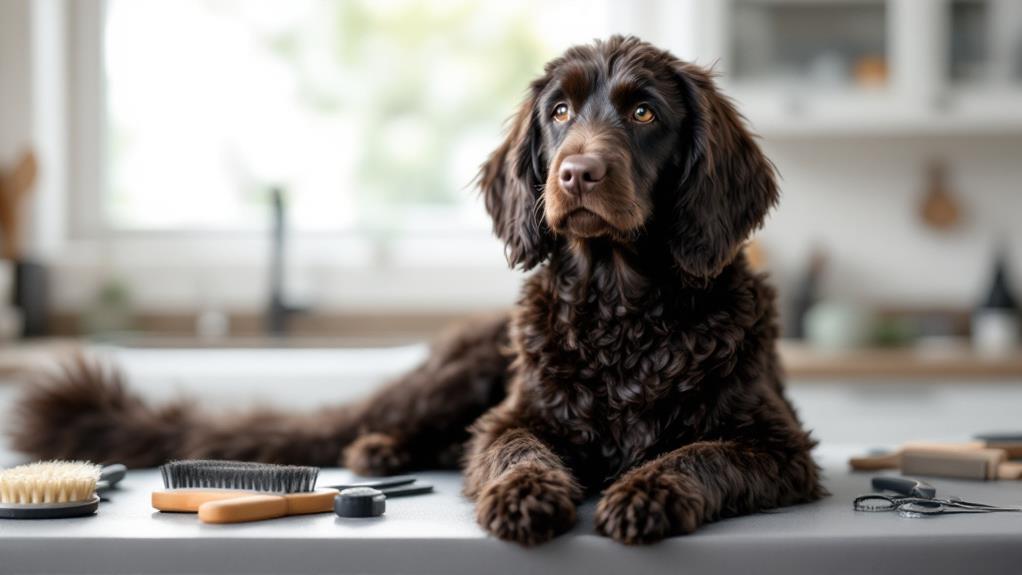
Grooming your Curly-Coated Retriever is straightforward and requires minimal effort thanks to its unique coat. This breed's coat requires minimal grooming, so you won't need to brush it regularly. However, light brushing can help manage shedding. Males typically shed once a year, while females shed twice, so keep an eye on shedding patterns during these times. Occasional bathing is also recommended. Just make certain to wet the coat before bathing to restore the curls and maintain its shape.
Incorporating regular grooming tasks into your routine is crucial. Trimming around the ears and claws is vital to prevent tangling and guarantee your dog's comfort. A weekly combing helps keep the coat in good condition and prevents matting, especially in those dense areas that are prone to tangles. This simple routine will keep your Curly-Coated Retriever looking and feeling its best.
Temperament and Behavior
While maintaining your Curly-Coated Retriever's appearance is straightforward, understanding their temperament and behavior is just as crucial. These dogs are incredibly loyal and protective, always keeping an eye out for their family. Their charming and affectionate nature makes them lovable companions, though they can be a bit aloof with strangers. Unlike other retriever breeds, Curly-Coated Retrievers exhibit a unique independent streak. This independence, combined with their moderate energy levels, means they're less likely to demand constant attention but will still enjoy engaging activities.
Their athletic ability and intelligence make them excellent partners for active families who can provide stimulating experiences. It's significant to keep in mind that their slow maturation rate means they stay puppy-like for longer, requiring a bit more patience during this extended phase. This independent yet affectionate breed thrives on fun and varied training sessions to channel their sharp minds and prevent boredom.
To truly appreciate a Curly-Coated Retriever, consider the following:
- 🐾 Their unwavering loyalty and protectiveness
- ❤️ Their gentle and affectionate bond with family
- 🤖 Their need for engaging, intelligent activities
- ⚽ Their athletic prowess and energy
- 🦮 Their charming, independent personality
With patience and understanding, your Curly-Coated Retriever will be a delightful companion.
Training and Intelligence
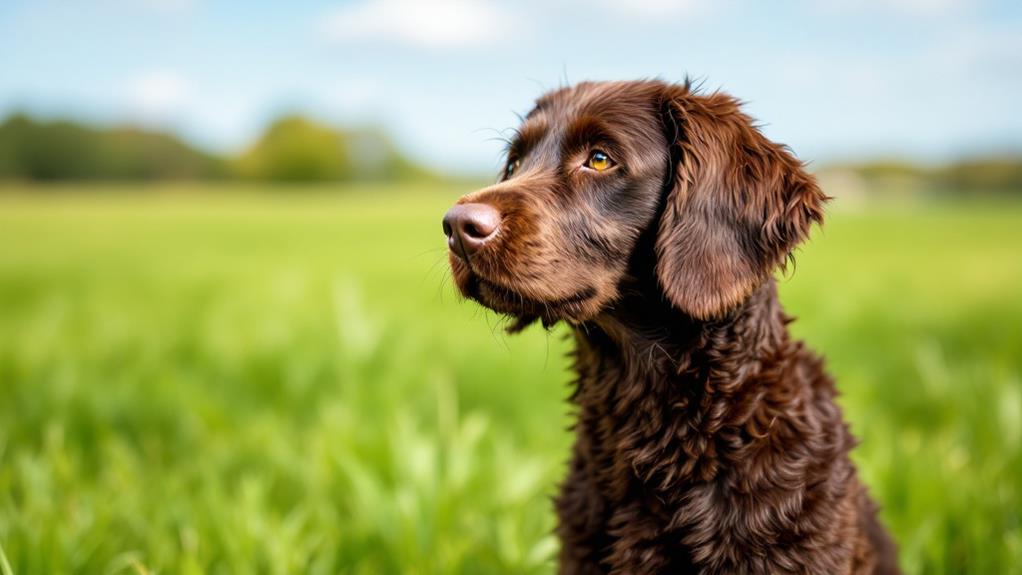
Intelligence is a hallmark of the Curly-Coated Retriever, making their training both rewarding and engaging. These dogs are enthusiastic learners, which means they respond exceptionally well to training when you make it fun and stimulating. Leveraging their intelligence through early training is essential, as they can be prone to distraction if not mentally stimulated. You'll find that positive reinforcement methods, like rewarding with toys and treats, are particularly effective for this breed. They thrive on encouragement and respond positively when they feel engaged.
When training your Curly-Coated Retriever, keep in mind that consistency and patience are key. Due to their slow maturation rate, they experience an extended puppy phase, so you'll need to be patient and consistent in your efforts. Regular, short sessions work best to keep them focused and mentally stimulated. Varying activities will help maintain their interest and enthusiasm.
It's significant to tailor your approach to their intelligence by using short, engaging sessions that avoid overwhelming them. This consistency guarantees they remain enthusiastic learners, keen to master new commands and tasks. Altogether, by fostering an engaging and positive environment, you'll watch them flourish as intelligent and responsive companions.
Health and Wellness
After focusing on training and intelligence, it's likewise important to contemplate the health and wellness of your Curly-Coated Retriever. Maintaining your dog's health involves understanding and addressing potential concerns like hip dysplasia, which responsible breeders actively test for in parent dogs. Regular veterinary visits are essential for monitoring your pet's comprehensive health and catching any issues early. By being aware of common health problems such as lymphoma, bloat, gastric torsion, and seizures, you can provide proactive care that extends your pet's quality of life.
To guarantee a robust wellness plan, focus on a balanced diet and proper exercise. These factors markedly contribute to your Curly-Coated Retriever's average lifespan of 9 to 14 years. Health maintenance and longevity are heavily influenced by responsible breeding practices and routine health checks, making sure your furry friend stays happy and active.
Consider these emotional aspects:
- 🐶 Seeing your Curly-Coated Retriever thrive due to proactive care.
- 🏃♂️ Enjoying countless active days alongside proper exercise.
- 🐾 Feeling secure with regular veterinary visits.
- 🍽️ Providing a nutritious diet that fuels their boundless energy.
- ❤️ Relishing in the joy of a long, healthy companionship.
Popularity and Rarity
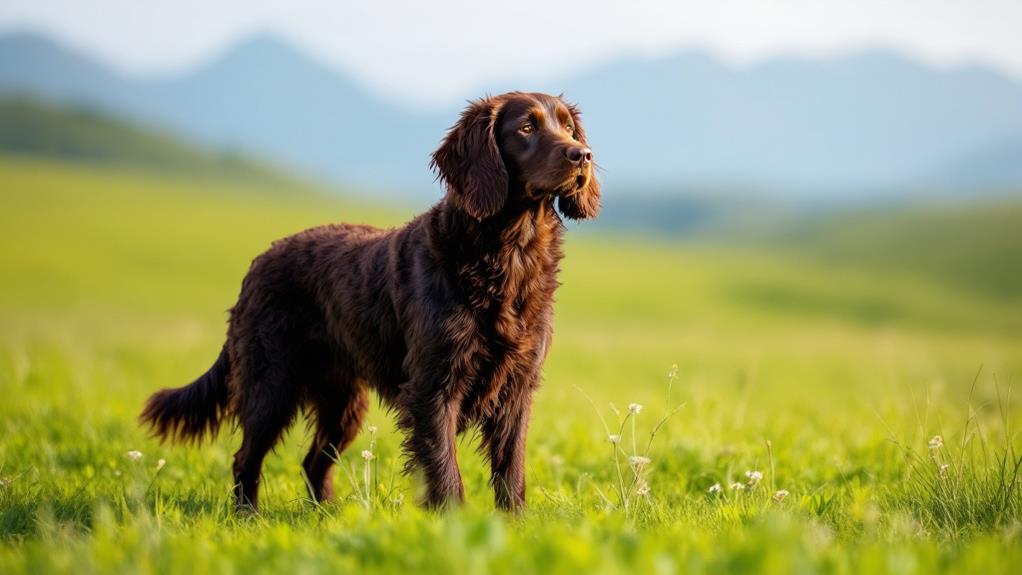
The Curly-Coated Retriever, recognized by the American Kennel Club since 1924, remains a hidden gem among retriever breeds, currently ranking 137th in popularity. Despite its long history, it's one of the rarest retrievers, overshadowed by its more famous cousins like the Labrador and Golden Retrievers. This breed's popularity has experienced significant declines, particularly during the World Wars when breeding numbers suffered greatly. These challenges have contributed to its rarity today.
However, there's a silver lining. Interest in the Curly-Coated Retriever is on the rise, especially among those who appreciate its versatility and distinct temperament. It's not just a hunting dog; it's an intelligent family companion that fits well into diverse lifestyles. The breed's adaptability makes it a favorite in hunting communities, particularly in Australia and New Zealand, where it's valued both for its hunting prowess and as a reliable companion.
If you're considering a unique and versatile breed, the Curly-Coated Retriever might just be the perfect fit. Its rarity adds to its charm, and its intelligent nature guarantees it's both a capable hunting partner and a loving family member.
Exercise Needs
Curly-Coated Retrievers thrive on regular exercise, needing about an hour each day to stay healthy and happy. Their energetic nature calls for activities that challenge both their physical and mental faculties. Engaging in activities like swimming and fetching not only satisfies their retrieving instincts but also keeps them fit. Agility training is another great way to channel their energy, offering them a chance to showcase their intelligence and athleticism.
Daily exercise is vital to prevent boredom, which can lead to undesirable behaviors like jumping or unnecessary rowdiness. When a Curly-Coated Retriever is left unstimulated, they may turn their energy towards less favorable activities. To keep them content and well-behaved, it's essential to mix up their routine with varied exercises.
Consider these activities to bond and burn off that energetic spirit:
- Swimming in a local lake or pool: Perfect for their love of water.
- Fetching games in the yard: Stimulates their natural retrieving talent.
- Agility courses: Challenges their quick thinking and agility.
- Hiking adventures: Offers mental and physical stimulation.
- Interactive puzzle toys: Keeps their intelligent minds engaged.
Ideal Living Conditions
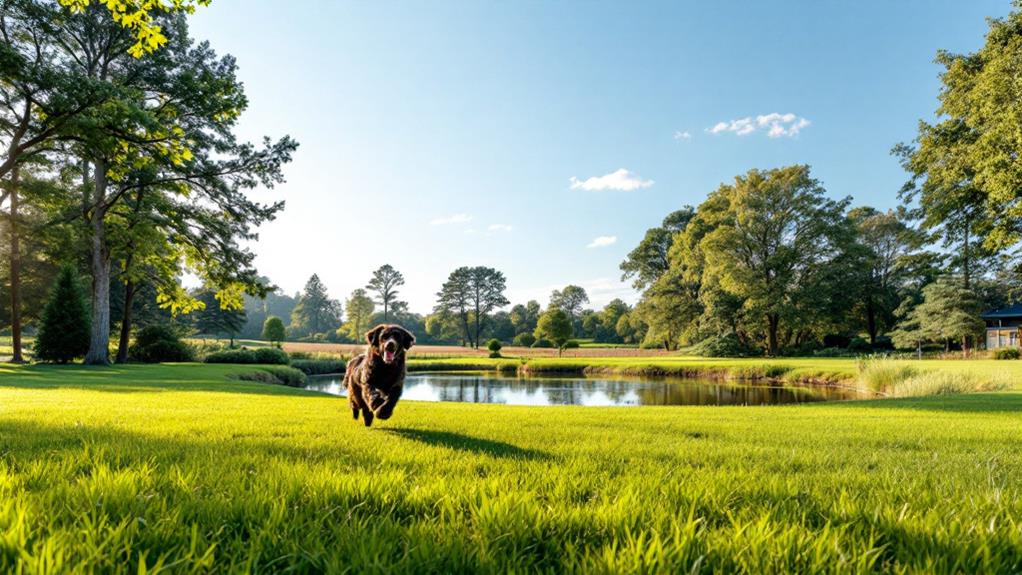
For an ideal living environment, these intelligent sporting dogs thrive best in homes with ample space, like those with large yards or access to open areas. Curly-Coated Retrievers are active and require about one hour of daily exercise to stay healthy. Engaging in activities like retrieving, swimming, and agility training is critical for their physical and mental health. These outdoor activities not only satisfy their exercise needs but also provide mental stimulation, fundamental for preventing boredom.
While adaptable, Curly-Coated Retrievers truly excel in settings where they can participate in regular outdoor activities, reflecting their history as working and hunting dogs. They need living conditions that not only allow for physical activity but also encourage early socialization. Exposing them to different people, pets, and environments helps develop a well-rounded temperament. This socialization is essential to nurturing their natural friendliness and intelligence.
Even though they can adapt to apartment living, it's imperative that owners commit to fulfilling their exercise and mental stimulation needs. Without these, they might face behavioral issues. Ensuring they have opportunities for exercise and socialization will help maintain their active and happy disposition.
Pros and Cons
Considering adopting a Curly-Coated Retriever involves weighing both the pros and cons of the breed. These dogs are known for their intelligence and adaptability, making them excellent companions for hunting and dog sports. Their quick learning ability means training can be a rewarding experience, though it requires consistency to manage their youthful rowdiness and prevent behavioral issues. Curly-Coated Retrievers thrive in active households due to their high exercise needs, ensuring they remain playful and sociable. They integrate well with families and other pets, providing a lively and affectionate presence.
However, potential challenges should also be considered. Their energetic nature means they need regular exercise to stave off boredom, which can lead to undesirable behaviors. Without proper training and socialization, their tendency to jump and be rowdy can become problematic. Moreover, Curly-Coated Retrievers are prone to certain health issues such as hip dysplasia and bloat. Regular veterinary check-ups and responsible breeding are vital to maintain their health.
- Feel the joy as you watch them playfully chase a ball!
- Experience the bond of training an intelligent companion.
- Embrace the loyalty of a sociable family member.
- Navigate the challenges of health issues together.
- Enjoy the thrill of adaptable companionship in outdoor adventures.