
Common Pet Diseases: What Every Pet Owner Should Know

As a pet owner, you should be aware of common diseases like allergies, ear infections, obesity, gastrointestinal issues, skin problems, and infectious diseases. Allergies can cause rashes and discomfort, while untreated ear infections may lead to hearing loss. Obesity is widespread and can trigger serious health concerns. Gastrointestinal problems show up as vomiting or diarrhea, indicating possible infections or parasites. Skin issues often stem from allergies and can worsen if ignored. Vaccinating your pet and regular vet check-ups are essential to prevent infectious diseases. By staying informed, you'll be better equipped to protect and care for your furry friend.
Understanding Pet Allergies
Understanding pet allergies requires awareness of the diverse factors that can trigger discomfort in your furry friends. Pet allergies often result from environmental factors like pollen or dust mites, in addition to food ingredients and insect bites. These allergens can lead to symptoms such as rashes, excessive licking, and general discomfort. If you notice these signs, it's vital to take your pet to the veterinarian quickly. Ignoring allergies can cause serious skin infections and further health deterioration.
Certain breeds might be more susceptible, but any pet can suffer from allergens. Identifying these triggers is part of effective management. Avoidance is key, regardless of whether it means keeping your home free of dust or choosing hypoallergenic food. Medications prescribed by your veterinarian can also help alleviate symptoms and improve your pet's quality of life. Regular veterinary check-ups are fundamental for monitoring your pet's condition and adjusting treatment plans as needed.
Managing Ear Infections
Ear infections in pets, particularly dogs, can be a persistent problem that requires your attention. Symptoms like frequent head shaking, redness, and unpleasant odors are clear signs that your pet might need a veterinary evaluation. Identifying the underlying issue is vital for effective treatment since ear infections can stem from allergies, moisture, or foreign bodies. Addressing these causes promptly will guarantee your pet's health and well-being.
To manage and prevent ear infections, consider these steps:
- Regular Ear Cleaning: Regular ear cleaning can help maintain ear health, especially in breeds prone to ear problems, like Cocker Spaniels and Bulldogs. Keeping ears dry and free of debris reduces infection risks.
- Seek Veterinary Treatment: If you notice any signs of infection, consult your vet immediately. Untreated ear infections can lead to chronic inflammation, pain, or even hearing loss. Veterinary treatment might involve professional cleaning, medication, or, in severe cases, surgery.
- Monitor for Underlying Issues: Allergies or other health issues might be causing frequent infections. Work with your vet to address these underlying problems, guaranteeing a thorough approach to your pet's ear health.
Addressing Obesity in Pets
A considerable number of pets today struggle with obesity, a condition that can severely affect their health and quality of life. In fact, approximately 56% of dogs in the U.S. are overweight or obese, leading to health issues like diabetes, joint problems, and a decreased lifespan. As a pet owner, it's vital to recognize the signs of illness related to obesity and take proactive measures for weight management.
Start by consulting a veterinarian who can help create a personalized weight management plan. This plan should include a balanced diet and portion control. Even a 10% weight reduction can greatly improve your dog's health. Regular exercise is also essential. Make sure your dog gets at least 30 minutes of physical activity daily, regardless of whether it's a walk, a game of fetch, or any other engaging activity.
Monitor your pet's weight regularly to catch any weight gain early, as many pet owners aren't aware of their pet's condition until it's too late. Implement gradual changes to your pet's diet and exercise routine to achieve sustainable weight loss. Remember, rapid weight loss can cause health complications, so patience and consistency are key.
Recognizing Gastrointestinal Issues
Gastrointestinal issues in pets can be distressing for both the animal and the owner. Symptoms like vomiting and diarrhea often signal underlying medical problems or ingestion of harmful substances. These signs shouldn't be ignored, as they can lead to dehydration, posing serious health risks to your pet. Prompt veterinary intervention is essential to address these issues effectively.
To help you recognize and manage gastrointestinal issues in your pet, keep these points in mind:
- Monitor Eating Habits and Stool Consistency: Regularly observing your pet's eating patterns and stool can help detect problems early. Changes might indicate dietary indiscretion, infections, or parasites, requiring prompt attention.
- Identify Common Causes: Gastrointestinal issues can stem from numerous sources, including infections, parasites, or chronic conditions like pancreatitis or inflammatory bowel disease. Understanding these causes can guide you in seeking timely veterinary care.
- Treatment and Management: Addressing gastrointestinal issues often involves identifying the root cause. Treatment may include dietary changes, medications, or supportive care, depending on the severity of the condition.
Identifying Skin Problems
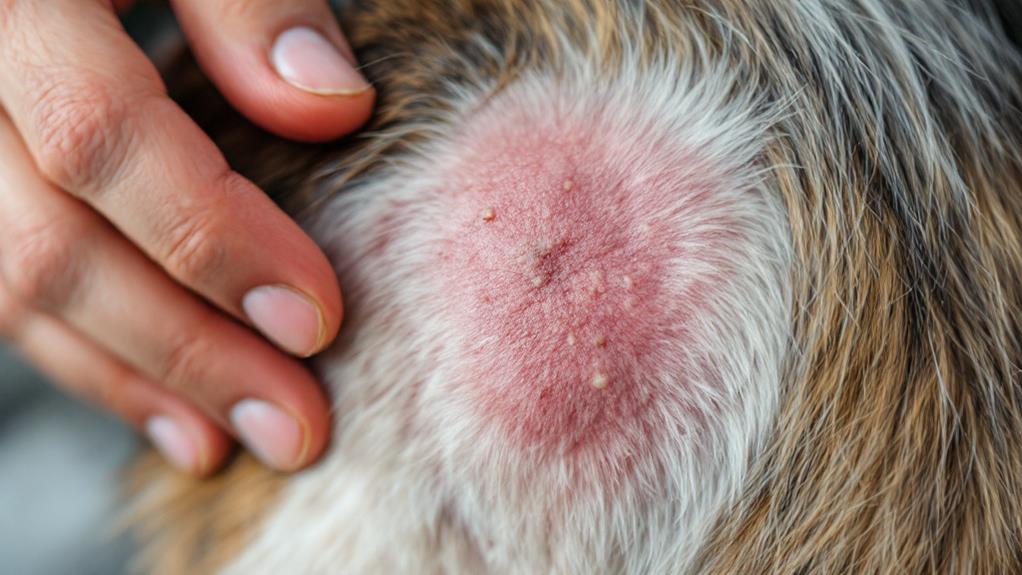
Spotting skin problems in pets can be an vital step in maintaining their health and comfort. As a pet owner, you'll want to keep an eye out for signs like rashes, redness, and excessive licking, which can indicate underlying allergies or infections. These issues often require veterinary attention to prevent them from escalating into more severe skin infections or causing significant discomfort for your furry friend.
Regular body checks are a proactive approach to identifying any irregularities. You'll want to examine your pet for lumps, bumps, or changes in skin texture. Early examination is important since conditions like mange, hot spots, and benign tumors can contribute to skin problems. Swift veterinary visits can lead to quicker diagnoses and more effective treatments.
Allergies, regardless of environmental factors, food, or insect bites, are common culprits of skin problems in dogs. Addressing these issues early can prevent severe infections, ensuring your pet remains comfortable and healthy. Timely intervention is vital because untreated skin infections can lead to more serious health complications. By staying vigilant and seeking veterinary attention when needed, you can help maintain your pet's well-being and prevent unnecessary discomfort.
Preventing Infectious Diseases
Maintaining your pet's health isn't just about identifying skin issues; it's also about taking proactive steps to prevent infectious diseases. Vaccination is essential in preventing infectious diseases like rabies, distemper, and parvovirus. These core vaccines are recommended for all dogs to shield them from severe health risks. Regular veterinary medical check-ups and blood tests can help detect heartworm disease early, allowing for timely intervention. Preventive measures, such as monthly medications, are important for keeping your dog healthy.
To effectively protect your dog from common diseases, consider the following steps:
- Vaccination: Confirm your dog receives core vaccines to guard against severe diseases. This is a fundamental step in preventing infectious diseases and requires adherence to your vet's schedule.
- Avoid infected animals: Keep your dog away from areas where wildlife is present, minimizing exposure to zoonotic diseases like leptospirosis and rabies.
- Monitor for signs of disease: Stay vigilant for symptoms such as coughing and lethargy. Prompt veterinary evaluation can improve outcomes if your dog shows any signs of disease.
Regular parasite control, including tick and flea prevention, further reduces the risk of diseases like Lyme disease in dogs.