
Clumber Spaniel: The Large and Powerful Hunting Dog
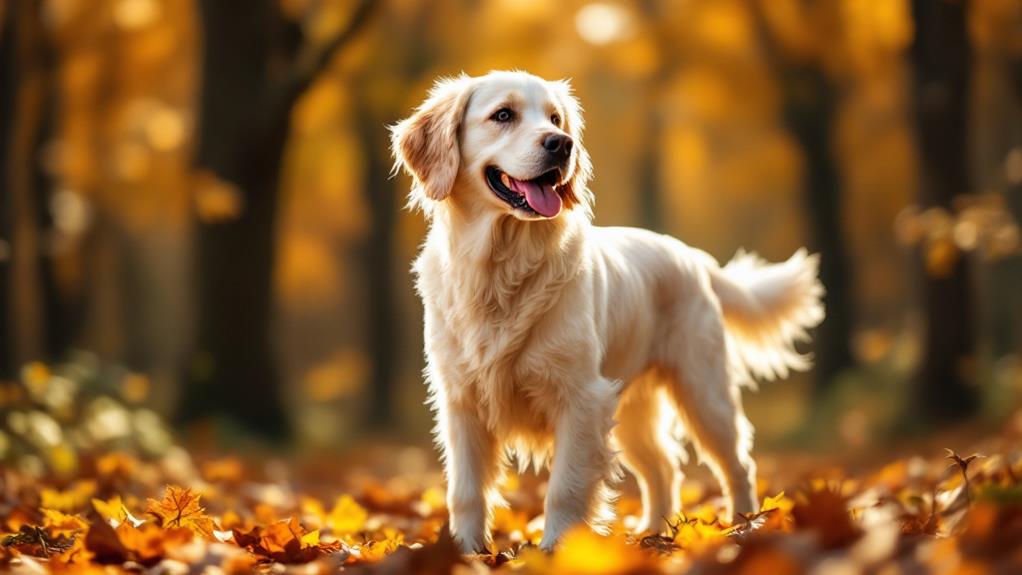
Meet the Clumber Spaniel, your large and sturdy hunting companion. This breed stands 17 to 20 inches tall, weighing 55 to 85 pounds, making it the biggest of the flushing spaniels. Its robust build and exceptional scent-tracking skills make it an effective hunter with a unique, steady pace. With origins in the mid-1800s, Clumber Spaniels are known for their methodical hunting style and gentle game retrieval. They require regular grooming, plenty of exercise, and a balanced diet. Prone to some health issues like hip dysplasia, monitoring is crucial. There's much more to investigate about this fascinating breed.
Breed Overview
The Clumber Spaniel stands out as the largest among flushing spaniels, known for its robust and powerful build. If you're considering a hunting companion, this breed offers both strength and a dignified demeanor. The Clumber's powerful physique is complemented by its strong sense of smell, making it a prized hunting partner. Males typically measure 18-20 inches tall, and females 17-19 inches, with weights ranging from 70-85 pounds for males and 55-70 pounds for females. This size makes them the most substantial in their category.
When it comes to hunting, Clumbers shine with their methodical approach. They aren't the fastest, but their determination and stamina make them effective in the field. If you're a hunting enthusiast, you'll appreciate how their steady pace and excellent scent-tracking skills help uncover game that might otherwise go unnoticed.
The Clumber Spaniel isn't just about hunting prowess; their mellow temperament makes them great companions at home too. However, they do require regular grooming due to shedding and daily exercise to maintain their health. With a lifespan of 10-12 years, these spaniels will be your loyal partners for many adventures.
Physical Characteristics
Exploring the Clumber Spaniel's physical characteristics reveals why this breed is so distinctive among spaniels. As the largest of its kind, the Clumber Spaniel stands impressively between 17 to 20 inches tall and weighs anywhere from 55 to 85 pounds, depending on gender. You'll notice their large square head and broad muzzle—features that set them apart. Their body is long and low-slung, contributing to their robust build, which is evident in their distinctive rolling gait.
Their medium-length coat is straight, soft, and dense, mainly white with attractive lemon, brown, or orange markings. This adds a splash of color to their otherwise snowy appearance. Feathering on their ears, belly, and legs gives them an elegant touch, enhancing their general look.
When observing a Clumber Spaniel, you can't miss:
- Their gentle expression that radiates warmth
- Droopy face that adds character to their appearance
- Freckles on the muzzle adding uniqueness
- Vine-leaf shaped ears that complement their broad muzzle
- Rolling gait that showcases their sturdy frame
These physical traits combine to give the Clumber Spaniel an amiable and distinctive presence, making them a standout choice for those who appreciate substantial and gentle canine companions.
Hunting Abilities
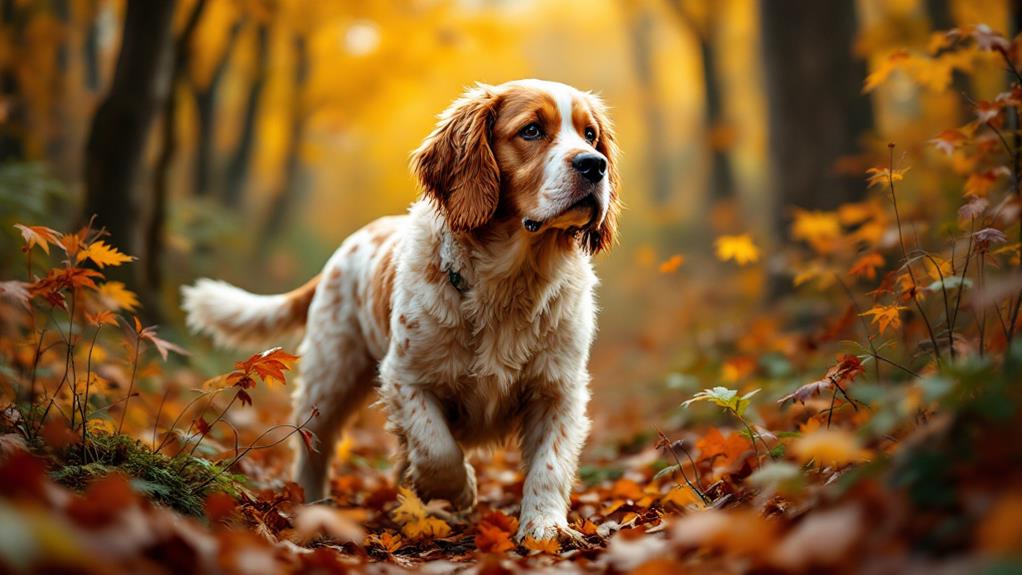
In regards to hunting abilities, Clumber Spaniels can truly stand out in the field. Their exceptional sense of smell and strong determination make them an excellent choice for locating birds, often outperforming other spaniels with minimal field coverage. You'll appreciate their unique "hesitation flush" behavior, allowing them to stalk prey with a methodical hunting style before making their move. This careful approach highlights their intelligence and effectiveness during hunts.
Clumber Spaniels are loyal and affectionate partners. They're not just hunters but companions who thrive when treated as equals in the field. Their gentle retrieval method, often using their paws to avoid bruising the game, shows a level of care and precision that's rare among hunting dogs. This gentle touch guarantees that the game is returned in excellent condition.
Their compatibility with different hunting events and their athleticism make them ideal for upland hunting activities. Regardless of being an older or younger hunter, a Clumber Spaniel's robust build and stamina can keep up with you, assuring a great hunting experience. Their loyalty, combined with their hunting prowess, makes Clumber Spaniels an exceptional choice for any hunting enthusiast.
Care and Maintenance
Clumber Spaniel's dense, weather-resistant coat demands regular grooming to keep it in top condition. You should brush them weekly to manage shedding and prevent mats. Monthly baths will help maintain coat quality and cleanliness. Don't forget about their floppy ears—regular cleaning is essential to prevent infections. Clumber Spaniels thrive with a grooming routine that guarantees their comfort and health.
To maintain a healthy lifestyle, Clumber Spaniels require a balanced diet. Feed them 2-2.5 cups of quality dog food daily. Adjust the amount based on their maturity and activity levels to avoid obesity while keeping their energy up. It's important to provide them with an appropriate diet to support their complete well-being.
Exercise is another key factor in their care. Aim for one hour of moderate-intensity activity each day. This keeps them physically healthy and mentally stimulated, preventing boredom and potential behavior issues.
Routine veterinary check-ups are significant for monitoring their health. Regular visits help detect early signs of conditions like hip dysplasia and eye disorders. Here's a quick care checklist:
- Weekly coat brushing
- Monthly baths
- Daily exercise
- Balanced diet
- Regular veterinary check-ups
Health Concerns
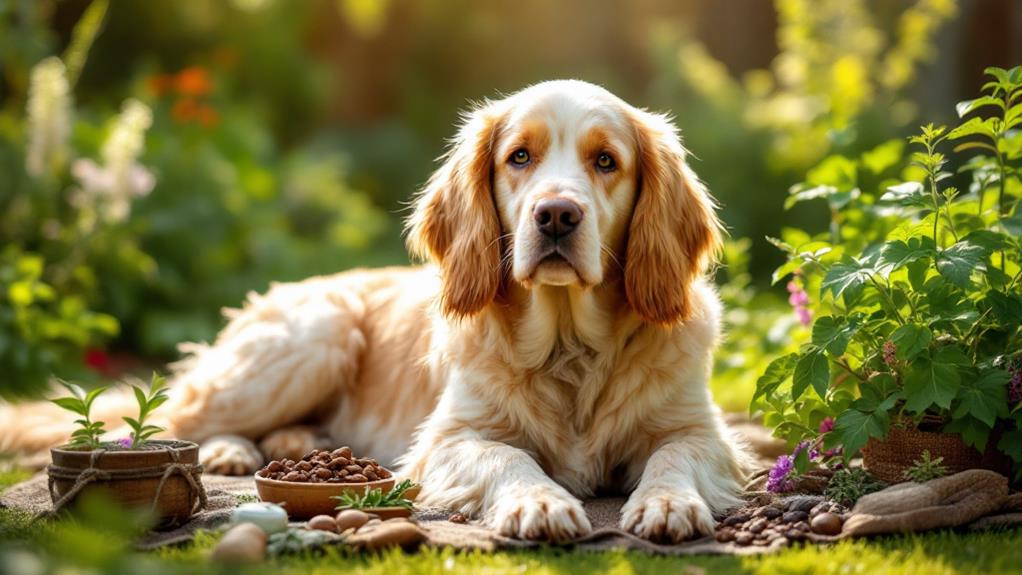
While maintaining a Clumber Spaniel's coat and diet is fundamental, keeping an eye on their health concerns is just as significant. Regular health monitoring is critical since Clumber Spaniels have an average life expectancy of 10-12 years, slightly below the purebred average. They're prone to specific health issues like hip dysplasia and intervertebral disc disease, which means frequent veterinary check-ups are necessary to catch any problems early.
Ear infections are another common issue for Clumber Spaniels due to their droopy ears. Regular cleaning can help prevent these infections, keeping your dog comfortable and healthy. Eye disorders, such as entropion and ectropion, are also hereditary in this breed. It's significant to watch for signs of eye irritation, as surgical correction for entropion might be required.
Responsible breeding plays a considerable role in minimizing genetic disorders. When choosing a Clumber Spaniel, it's best to purchase from reputable breeders who conduct thorough health screenings. Furthermore, routine dental care, like brushing several times a week, is vital. This practice helps maintain your dog's general health and prevents common dental issues. By staying proactive about these health concerns, you can guarantee your Clumber Spaniel enjoys a longer, healthier life.
Training Tips
When training Clumber Spaniels, employing positive reinforcement techniques can greatly boost their learning experience. These dogs respond best to encouragement, so focus on rewarding good behavior with treats, praise, or play. Harsh training methods can dampen their enthusiasm and lead to stubbornness, making it vital to keep sessions fun and engaging. Regular exposure to live scents during dog training can also improve their natural hunting instincts.
To help you visualize a successful training routine, consider these key elements:
- Use treats and toys: Keep your Clumber motivated by using their favorite treats and toys as rewards.
- Short, varied sessions: Avoid boredom by keeping training sessions short and varied, ensuring they remain interested.
- Early socialization: Introduce your Clumber to different people and dogs early on to reduce reserved behavior.
- Consistent schedules: Stick to a regular training schedule to reinforce learning and maintain focus.
- Patient commitment: Be prepared to invest time and patience, as consistent practice is vital for mastering commands.
With dedication and the right techniques, you'll find that your Clumber Spaniel can excel in training, becoming a well-behaved and happy companion.
Historical Context
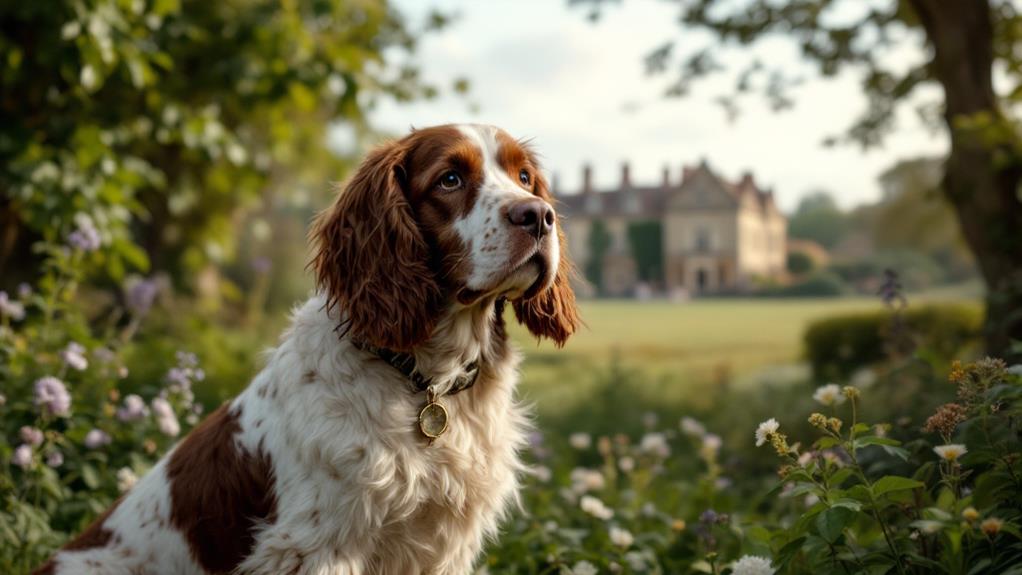
Understanding the history of the Clumber Spaniel enriches your appreciation of their unique traits and training needs. Originating in the UK, the Clumber Spaniel was developed in the mid-1800s at Clumber Park, Nottinghamshire, by the Duke of Newcastle and his gamekeeper, William Mansell. While the breed's exact lineage remains a bit of a mystery, it's believed to have influences from Alpine spaniels and St. Hubert's hounds, possibly even having French connections to Duc de Noailles. This rich heritage contributed to their appeal among British aristocrats, who valued them not just for their hunting prowess but also as loyal companions.
As these dogs gained popularity, they caught the attention of the American Kennel Club, becoming one of the initial breeds recognized by the organization in 1884. Their recognition by the AKC underscores their significance in canine history. Despite their early popularity, the Clumber Spaniel's numbers dwindled during World War I, but they didn't fade into obscurity. In 1925, King George V played a crucial role in reviving the breed at the Royal Kennel, ensuring that this storied hunting dog continued to be a cherished part of the canine world.