Central Asian Shepherd: The Courageous and Protective Working Dog
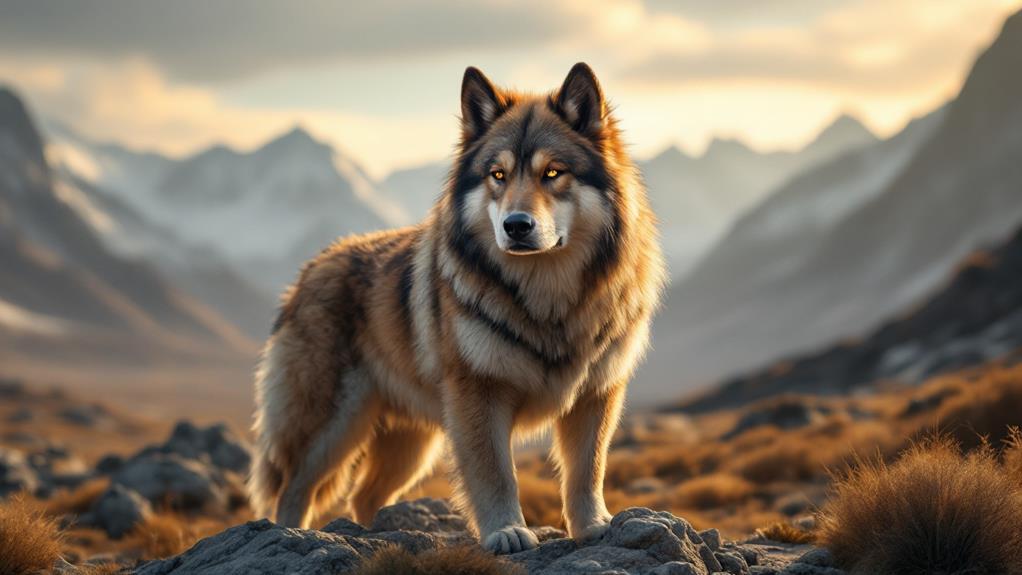
Meet the Central Asian Shepherd, a fearless and protective working dog that's perfect for guarding livestock and property. It bravely confronts predators like wolves, showcasing its courageous nature and unparalleled loyalty. With a robust build, this large breed isn't suited for apartment living but thrives in spacious outdoor environments. Their thick coats vary in colors, requiring minimal grooming. While gentle with family, especially children, their independence requires early socialization and consistent training. This ancient breed's adaptability to harsh climates and history as a livestock guardian highlights their resilience. Stay tuned to learn why they're valued companions.
Unique Breed Traits
When you investigate the unique traits of the Central Asian Shepherd Dog, you'll quickly uncover why this breed stands out as an extraordinary guardian. Known as the Alabai, this breed's courageous nature and high working capacity make it a top choice for protecting livestock and property. As guardian dogs, they're known for their fearlessness towards large predators, often confronting threats like wolves without hesitation. This fearlessness is vital for their role in safeguarding animals and their human families.
You'll find that their territorial instinct is deeply ingrained, making them vigilant protectors. Despite their robust nature, they possess a self-assured and independent temperament. It's significant to provide early socialization and positive training to manage these protective instincts effectively. This guarantees they remain calm and gentle with family members, especially children and the elderly, despite their strong guarding tendencies.
As you consider the Central Asian Shepherd Dog, remember their ability to balance strength with a calm demeanor, given the right environment. These unique traits highlight why they're revered not just for their protective abilities but also for the companionship they offer to those who understand and respect their nature.
Impressive Physical Features
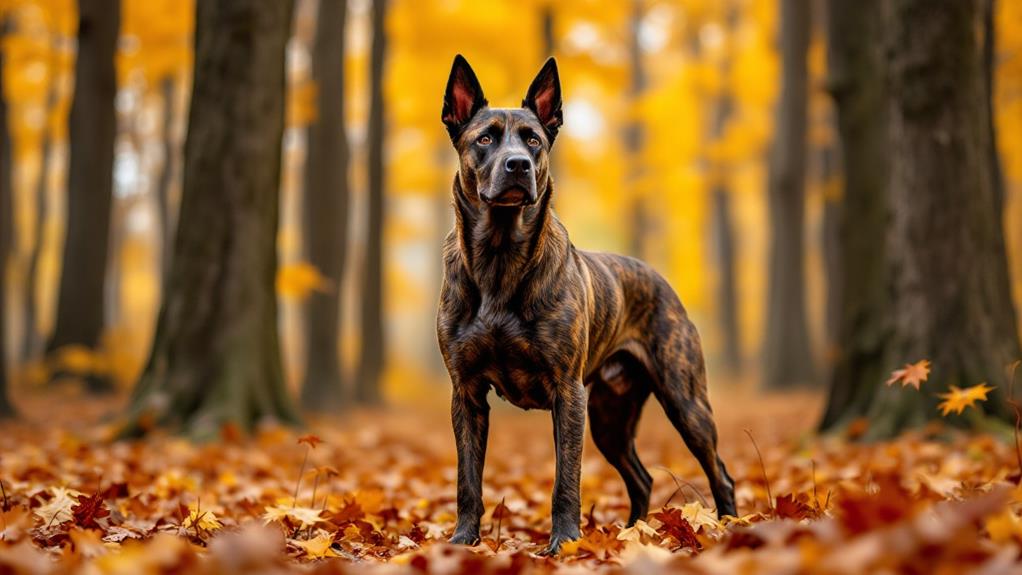
With their striking appearance, the Central Asian Shepherd Dog commands attention through its impressive physical features. Standing tall at 25.5 to 32 inches, depending on gender, this breed is undeniably one of the large breeds, exuding strength and authority. Weighing between 88 to 110 pounds, their robust build is complemented by a massive bone structure and powerful muscles, designed for endurance and a natural ability to protect.
The Central Asian Shepherd's massive head is another defining characteristic. With small, low-set ears and a thick, high-set tail, they possess a distinctive and formidable look that sets them apart from other breeds. You'll notice the variety in their coat colors, ranging from white, black, and grey to russet and brindle, offering a diverse visual appeal that adds to their striking appearance.
Males and females differ in size, with males averaging 27-32 inches and females 24-27 inches. This noticeable size difference is part of their charm and functionality. It's crucial to recognize that these dogs reach physical maturity around four years of maturity, underscoring a longer developmental period that improves their enduring qualities and natural prowess as protectors.
Rich Historical Roots
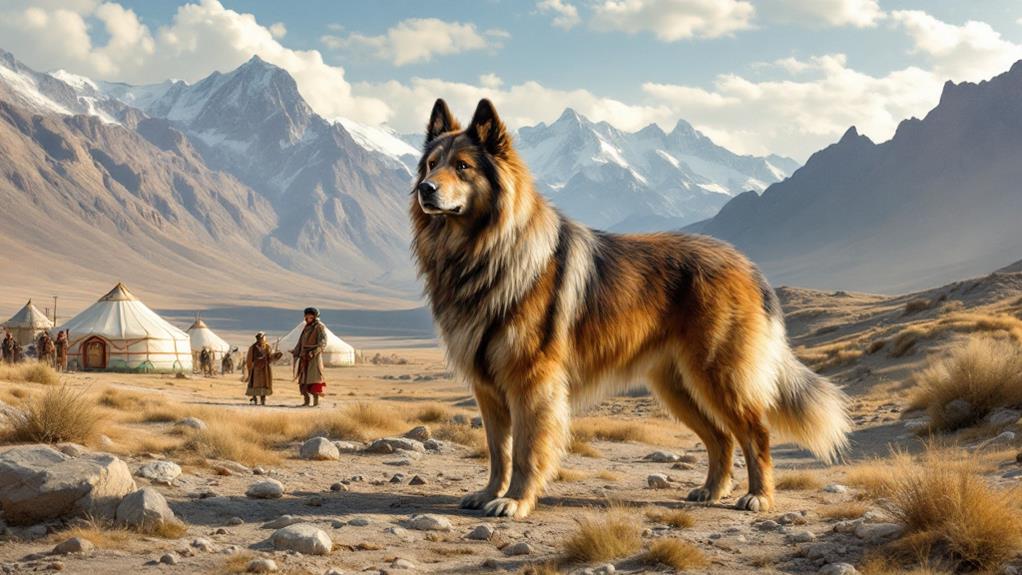
The Central Asian Shepherd Dog, often called Alabai, boasts a rich history that stretches back to the pre-Christian period. These remarkable dog breeds were indispensable to sheepherders in Central Asia, primarily utilized for protecting livestock. Their expedition began in the Ural Mountains, migrating alongside nomadic tribes. As they traversed Central Asia, they guarded herds against predators like wolves, showcasing their high working capacity.
Here's what makes their historical roots so fascinating:
- Ancient Origins: The Alabai's lineage is deeply embedded in the history of Central Asia, making them one of the oldest dog breeds known for livestock protection.
- Adaptability: Their ability to thrive in harsh environments is well-documented in historical texts like "History of Mastiff" by Waynn, emphasizing their resilience and robust health.
- Global Recognition: Over time, these dogs have gained worldwide popularity, not only for their working skills but also as loyal family protectors.
- Genetic Legacy: The breed's ancestors survived extreme conditions, passing down their strong genetic traits, contributing to the Alabai's reputation as a tough and dependable working dog.
Embracing their rich history, the Central Asian Shepherd continues to be a reflection of the enduring bond between humans and dogs.
Ideal Living Environment
Appreciating their historical path, you can understand why creating an ideal living environment for the Central Asian Shepherd Dog is vital. These dogs thrive with ample outdoor space, making a fenced yard critical for their exercise needs. They're not suited for apartment living, as their size and energy levels demand room to roam. Their territorial nature requires regular socialization to prevent overprotectiveness of their property and family. Providing them with a designated area outdoors guarantees they feel secure and comfortable.
While they prefer cold weather, Central Asian Shepherds can adapt to different climates, excelling in temperatures from -30 to 30 degrees Celsius. This adaptability makes them suitable for homes in various regions. To maintain their health, they need a high level of exercise, which also helps prevent joint problems. It's particularly significant to guarantee they get enough physical activity in smaller living spaces to avoid health issues related to overfeeding.
Due to their independent nature, strong boundary training is necessary. This helps them understand their territory and social interactions with other animals and people. Creating this ideal living environment guarantees your Central Asian Shepherd Dog remains happy, healthy, and well-adjusted.
Grooming and Health Needs
How can you guarantee your Central Asian Shepherd Dog stays in top shape? Pay attention to their grooming and health needs. Although they require minimal grooming, starting routine maintenance early keeps their coat healthy. Here's how you can manage it efficiently:
- Regular Brushing: They're light shedders most of the year, but in spring, they shed heavily. Daily brushing during this period helps manage shedding and keeps their coat in great condition.
- Health Screenings: Despite being one of the healthiest large breeds, thanks to a diverse gene pool, regular health screenings are important. These help detect potential issues early, ensuring timely treatment and maintaining their general health.
- High-Quality Diet: Providing a high-quality diet is fundamental. It supports their growth, active lifestyle, and general well-being. This breed benefits greatly from balanced nutrition, contributing to their vigor and longevity.
- Exercise: Regular exercise is significant. It doesn't just keep them fit but also supports their mental health, ensuring they remain happy and well-adjusted.
Understanding Temperament
With a reputation for being both self-assured and balanced, the Central Asian Shepherd Dog's temperament is a defining trait that draws many to the breed. You'll find they exhibit a calm yet proud demeanor, which provides a sense of security. Their courageous nature makes them fearless against large predators, underscoring their effectiveness as livestock guardians. However, this independence can sometimes translate into stubbornness, making early socialization essential. By introducing them to diverse people and environments early on, you can help manage their territorial instincts and encourage positive behaviors.
Central Asian Shepherds are renowned for their loyalty and protective instincts. They're devoted family members, often demonstrating gentleness with children when they've been properly socialized. This loyalty means they naturally possess strong territorial instincts, making them wary of strangers. They'll typically seek your permission before interacting with unfamiliar individuals, ensuring your family remains safe. It's important to keep in mind that these dogs thrive on structure and understanding their role within the family. While their independence is a hallmark of the breed, consistent guidance and early socialization will cultivate a well-mannered, confident companion who is both protective and loving.
Effective Training Strategies
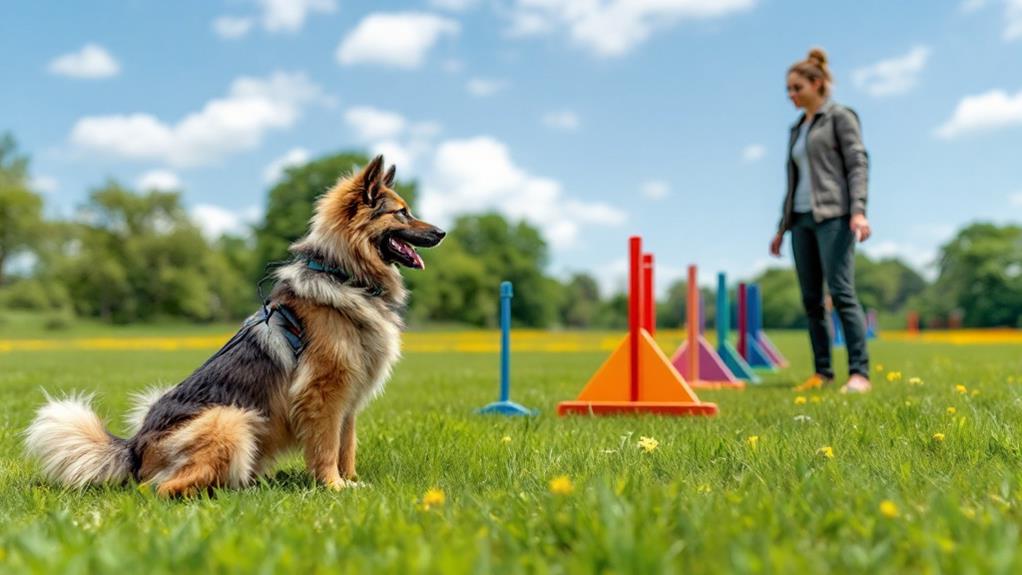
Training a Central Asian Shepherd Dog effectively requires a blend of early socialization, positive reinforcement, and consistent leadership. Start by exposing your dog to different environments, people, and other animals at a young stage. This early socialization prevents territorial aggression and helps your dog develop a well-rounded temperament. The breed's independent nature means using positive reinforcement training methods is key. Avoid negative approaches, as they can lead to stubbornness and resistance. Instead, reward good behavior with treats, praise, or play.
Here are some effective training strategies:
- Early Socialization: Introduce your shepherd to diverse settings and experiences to reduce aggression and build confidence.
- Positive Reinforcement Training: Focus on rewarding desired behaviors. This encourages repeat performance and strengthens your bond with your dog.
- Basic Obedience: Use clear and consistent commands. Central Asian Shepherds excel in basic obedience with the right guidance and strong leadership.
- Regular Exercise: Keep your dog physically and mentally stimulated with routine exercise. A well-exercised dog is less prone to behavioral issues due to boredom.
Resources for Owners
As you focus on training your Central Asian Shepherd Dog, you'll find numerous resources are available to assist you in nurturing a well-behaved and healthy companion. The American Kennel Club (AKC) is an excellent starting point, offering a wealth of resources for owners like you. They provide educational content on proper care, training, and breed-specific health concerns, ensuring that you have the knowledge needed to raise your dog successfully.
Regular exercise and a high-quality diet play a vital role in maintaining your Central Asian Shepherd's health. These dogs require ample physical activity to prevent joint problems, so keeping them active is important. Engaging in dog sports and activities not only improves their physical fitness but also strengthens the bond between you and your dog. Early socialization and training are just as important, as their independent nature can lead to stubbornness if not properly managed.
The AKC's Canine Good Citizen (CGC) program offers valuable insights for training. This program helps you instill basic obedience and socialization skills in your Central Asian Shepherd, laying the foundation for positive behaviors. By leveraging these resources, you're well-equipped to provide the best for your loyal companion.