Carolina Dog: The Independent and Resilient Sighthound
The Carolina Dog stands out as a remarkable blend of independence and loyalty, echoing its ancient roots combined with sighthound resilience. You'll find this medium-sized breed not only resembles its wild ancestors with a fishhook tail and wolf-like features but also possesses a gentle, devoted nature, making it great with children. While they excel in loyalty, their wariness around strangers means early socialization is crucial. Their intelligence and active spirit thrive with consistent training and regular exercise. If you've ever wondered about their unique history and how to best integrate them into your family, there's more to uncover.
Breed Characteristics
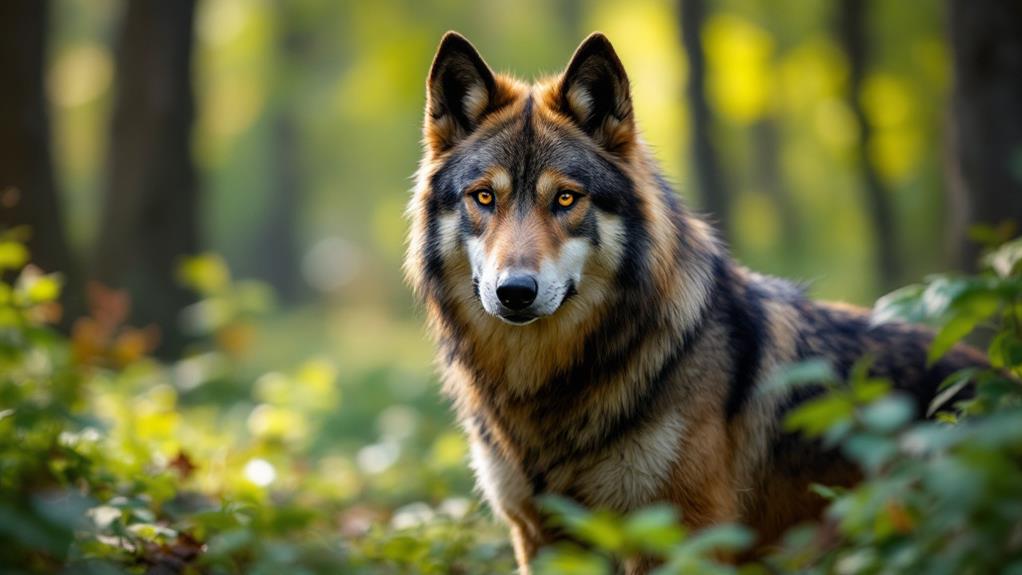
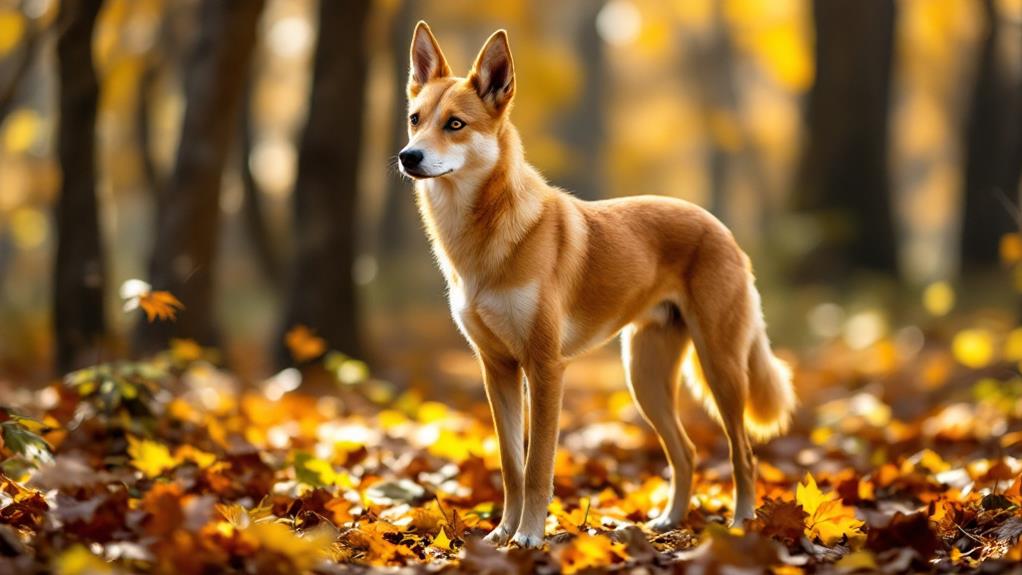
When you initially encounter a Carolina Dog, you'll notice their striking resemblance to their wild ancestors, with their wolf-like features and a distinct fishhook tail. As primitive dogs, these American Dingoes capture attention with their pointed ears and foxlike faces, reflecting their ancient lineage. Weighing between 30 to 55 pounds and standing 17.75 to 19.5 inches tall, they are medium-sized sighthounds with a short to medium-length coat that can come in multiple colors, often featuring a sable pattern. Despite their wild looks, Carolina Dogs are known for being good with children, making them excellent family companions.
However, their nature can be shy and suspicious, particularly toward strangers, so early socialization is vital to ensuring they develop well-rounded behavior. Their intelligence and trainability allow you to engage them in activities like hunting, swimming, and dog sports, where they thrive. Regular exercise is important to keep them physically and mentally stimulated, as their active nature demands it. In general, the breed's combination of primitive charm, intelligence, and adaptability makes them a fascinating choice for those who appreciate an independent and resilient canine companion.
Temperament Traits
Carolina Dogs captivate with their wild appearance, but it's their temperament that truly defines their character. These dogs exhibit a unique blend of loyalty and independence, making them devoted companions to their families while often remaining reserved around strangers. Their temperament traits reflect a deep-rooted pack mentality, which contributes to their social interactions and behavior. This pack mentality also makes them wary of strangers, as they take time to establish trust before fully accepting new individuals into their circle.
To nurture these intriguing temperament traits, early socialization is crucial. By exposing Carolina Dogs to diverse environments and people from a young period, you can help them become well-rounded and reduce their natural suspicion of unfamiliar situations. With proper guidance, they can develop a balanced demeanor that suits both family life and social settings.
Their intelligence and active nature further improve their trainability. Carolina Dogs excel in dog sports and other activities when you use consistent training methods. This not only strengthens their bond with you but also channels their energy positively. Accept their independent spirit while fostering loyalty through structured socialization, and you'll have a resilient and affectionate companion by your side.
Health Considerations
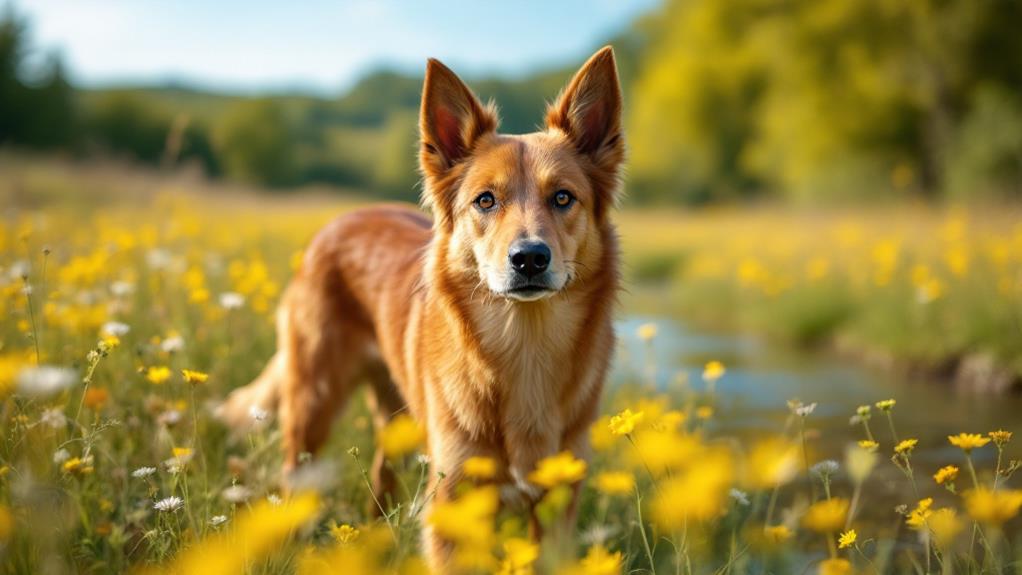
A key aspect of owning a Carolina Dog is understanding their health considerations, which can help guarantee they lead a long, healthy life. These dogs typically enjoy a lifespan of 12 to 15 years, but maintaining their health requires regular veterinary visits. It's critical to monitor for common issues like hip dysplasia and skin conditions. By catching these early, you can manage or prevent more serious complications.
A balanced diet plays an important role in your Carolina Dog's health. Making certain they receive appropriate nutrition helps prevent obesity, a condition that can lead to a host of problems. Keep their meals well-portioned and nutritious to support their general well-being. Alongside a healthy diet, daily exercise is fundamental. Carolina Dogs need regular physical activity, including walks and playtime, to support their physical health and stave off behavioral issues.
Though their grooming needs are minimal, a bit of attention goes a long way. With their short to medium-length coat, occasional brushing is sufficient, especially during seasonal shedding. This basic grooming routine helps keep their coat healthy and reduces shedding around your home. By staying proactive, you guarantee your Carolina Dog thrives.
Training Tips
Training your Carolina Dog can be a rewarding experience if you approach it with consistency and patience. Start with basic commands like sit, stay, and come. Carolina Dogs are intelligent and enthusiastic to please, so they respond well to consistent training methods. Early socialization is important; it helps them overcome any natural shyness and reduces suspicion towards strangers. By introducing your pup to different people, environments, and situations, you guarantee they become well-adjusted adults.
Utilize positive reinforcement during training sessions. Reward your Carolina Dog with treats or praise when they follow commands correctly. This technique not only encourages desired behaviors but also strengthens the bond between you and your dog. Crate training is another effective method. It provides a secure space for your dog, reducing anxiety and helping establish a routine. Remember, patience is key; never use the crate as punishment.
Regular exercise is necessary for maintaining your Carolina Dog's physical and mental health. Daily walks and playtime are important, as these dogs thrive in active environments. By combining training, socialization, and exercise, you'll raise a well-behaved and happy Carolina Dog, ready to be your loyal companion.
Historical Background
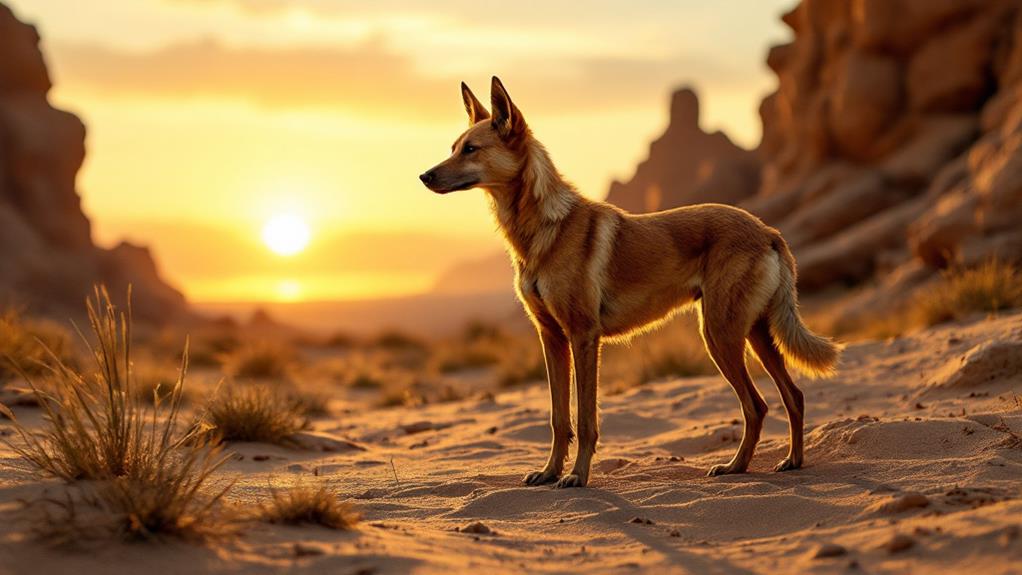
Investigate the fascinating history of the Carolina Dog, a breed believed to have descended from primitive dogs that traveled with early humans across the Bering Land Bridge over 20,000 years ago. These dogs, often referred to as American Dingoes, hold a unique place as North American Native Dogs. Their lineage is linked to Australian Dingoes and ancient East Asian breeds, highlighting their deep roots in history.
You might find it intriguing that Carolina Dogs were once misclassified as mere strays until the 1970s. It was Dr. I. Lehr Brisbin's groundbreaking research that revealed their distinctiveness, sparking a captive breeding program to preserve their unique traits. These dogs have adapted behaviors like creating snout pits, a demonstration of their semi-feral origins and resilience.
In 1995, the United Kennel Club officially recognized the breed, underscoring its historical significance. This acknowledgment also points to the Carolina Dog's connection to Southern U.S. culture, where they've become an emblem of regional heritage. Understanding their past gives you a glimpse into not just their evolution but also their enduring legacy as a resilient and independent breed.
Adoption Advice
When you're considering adopting a Carolina Dog, understanding their primitive nature and instinctual behaviors is crucial. These dogs aren't your typical pets—they're independent and thrive on utilizing their natural instincts. To guarantee they adapt well to your home, focus on early socialization. This helps them become comfortable in different situations and mitigates their sometimes shy temperament. Introduce them to various environments, people, and other animals gradually and consistently.
Exercise is another vital aspect of their care. Carolina Dogs have significant exercise needs, so daily walks, playtime, and activities like hiking or swimming are necessary to keep them healthy and happy. Engaging them in dog sports can also provide a beneficial outlet for their energy and instincts.
When looking for a Carolina Dog, consider reputable breeders or rescue organizations that understand the breed's unique traits. Such sources can help you find a dog whose personality and energy levels match your lifestyle, reducing potential challenges related to their independence and socialization needs. Remember, adopting a Carolina Dog means committing to nurturing their primitive traits while providing them with the structure and activity they require.