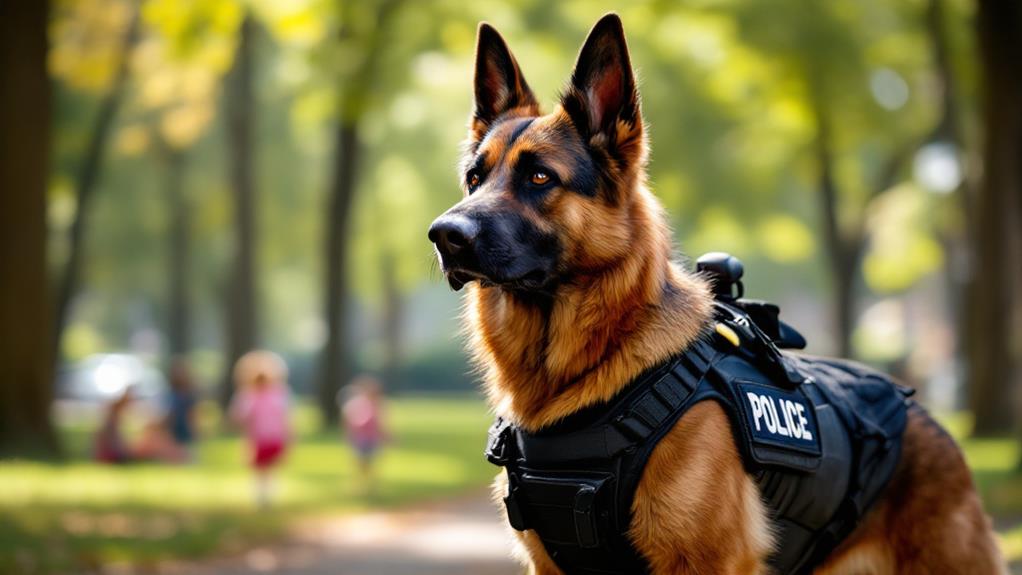
Can You Adopt Retired Police Dogs? Everything You Need to Know

You can adopt retired police dogs and welcome a hero into your home. These dedicated K9s, usually German Shepherds or Belgian Malinois, have served diligently and deserve a loving retirement. Thanks to Robby's Law, you can adopt them, but expect home inspections and background checks. They're intelligent, well-trained, and offer exceptional companionship, although some might have behavioral issues like anxiety or PTSD. Adoption fees average $375, and you'll need to budget roughly $600 yearly for care. Meeting their high exercise and mental stimulation needs is crucial. Uncover more about creating a smooth shift for these admirable animals.
Key Takeaways
- Yes, you can adopt retired police dogs, with adoption options expanded by Robby's Law and increased advocacy efforts.
- Retired police dogs require applications, background checks, home inspections, and typically a waiting period for adoption.
- Adopters must provide financial stability, a safe environment, and meet specific home requirements, including no small children.
- Retired K9s may face behavioral challenges such as anxiety or PTSD, necessitating patience, training, and mental stimulation.
- Adopted retired police dogs offer companionship, honor their service, and can have therapeutic benefits for both the dog and adopter.
Understanding Police Dogs
Police dogs, often referred to as K9s, play vital roles in law enforcement due to their specialized skills and training. These professional dogs are employed by law enforcement agencies for tasks like drug detection, crowd control, and search and rescue. Their training is rigorous, ensuring they can handle high-stress situations. Commonly, breeds like German Shepherds, Belgian Malinois, and Labrador Retrievers are used due to their intelligence and work ethic.
As working dogs, they serve for about 6-9 years before moving into retirement. When they retire, police dogs often face challenges like anxiety and depression, stemming from the high-stress environments they were accustomed to. These issues require careful attention and sometimes extra training to ease their shift into civilian life.
The adoption process of retired police dogs is a rewarding experience, offering them a chance to live in a loving home after years of dedicated service. If you're considering adopting, understanding their past and providing a supportive environment is vital. By adopting a retired police dog, you're giving a professional dog a well-deserved rest and the opportunity to enjoy life post-service.
History of Police Dog Adoption
After years of dedicated service, retired K9s deserve a peaceful and loving home. Unfortunately, before 2000, many retired police dogs faced euthanasia due to a lack of adoption options. This changed with the introduction of Robby's Law, signed by President Bill Clinton. The law established crucial legal provisions that allowed for the adoption of retired police dogs by their handlers, service members, or even the general public. It was a significant step forward in ensuring that these retired working dogs could shift from their service in law enforcement to a caring household.
Robby's Law marked the beginning of a cultural shift towards recognizing the importance of adopting retired police dogs. With this law, increased awareness and advocacy efforts emerged, leading to more organizations dedicated to finding homes for these loyal companions. The adoption process began prioritizing handlers, who often formed strong bonds with the dogs, but opportunities expanded to others as well. Today, when police dogs retire, they have a much better chance of finding a loving home. Thanks to these legal provisions and the tireless work of many organizations, retired police dogs can enjoy the rest and relaxation they truly deserve.
Traits of Retired K9s
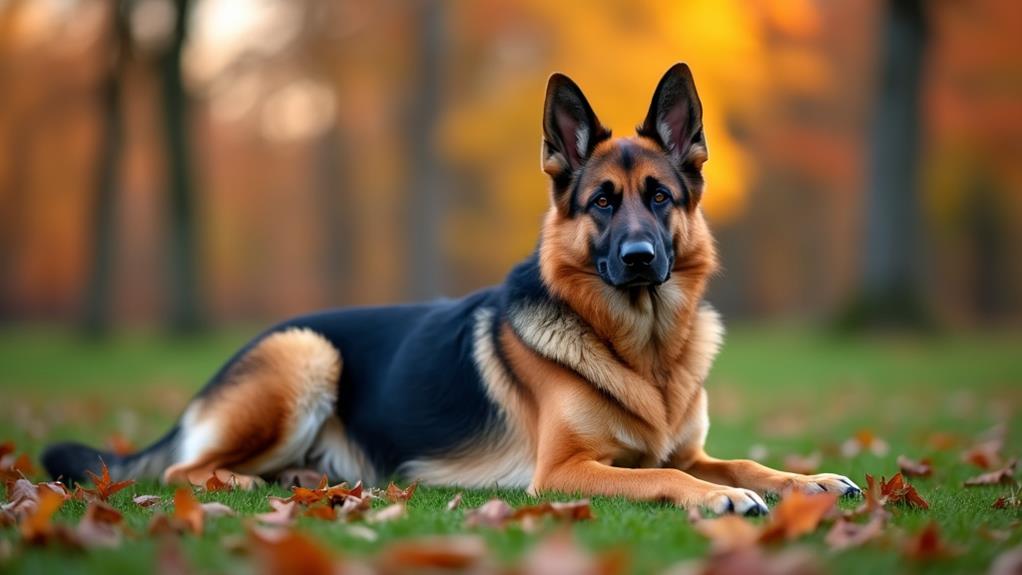
Retired K9s, after years of dedicated service, often display a mix of impressive traits and challenges. These retired police dogs are highly intelligent and well-trained, thanks to their K-9 officer training. However, adapting into a home environment can be demanding as they acclimate to new surroundings.
When you adopt retired police dogs, it is vital to understand their unique needs:
- Behavioral Issues: Some may show aggression or separation anxiety due to their high-stress past.
- Loyal Family Pets: With proper care, they can become incredibly loyal family members, forming strong bonds with new owners.
- Anxiety and Adaptation: They might experience anxiety, depression, or even PTSD, requiring patience and understanding.
- Training and Socialization: Ongoing training and socialization are important for addressing their past experiences and ensuring a smooth adjustment.
Retired K9s typically serve 7-8 years in law enforcement before retiring due to maturity or health issues. This background requires you to dedicate time for training and socialization to help them adjust. With commitment and love, these dogs can thrive in a home setting, overcoming challenges to become cherished companions. Understanding their history and providing the right environment will make all the difference.
Adoption Process Explained
To initiate the adoption process for a retired police dog, you'll need to submit a completed adoption form that evaluates your lifestyle and home environment, guaranteeing a suitable match. This form is vital as it helps determine if you're ready to provide the right home for a retired canine hero. Once your form is submitted, expect to undergo background checks and possibly home inspections to verify your suitability. These steps guarantee that the dog will thrive in a new setting.
There's often a waiting period because retired police dogs are primarily offered to their former handlers. This guarantees that those who spent significant time with the dogs have the first opportunity to adopt. If a former handler doesn't adopt the dog, it becomes available to the public.
Once approved, you'll meet the dog and complete the necessary paperwork. Adoption fees generally cover veterinary expenses and average around $375. Furthermore, plan for ongoing care costs, typically around $600 per year. These expenses are vital to contemplate in the adoption process, guaranteeing you're fully prepared to welcome a retired police dog into your life. Remember, this commitment is about providing a loving home for a loyal companion.
Benefits of Adopting K9s
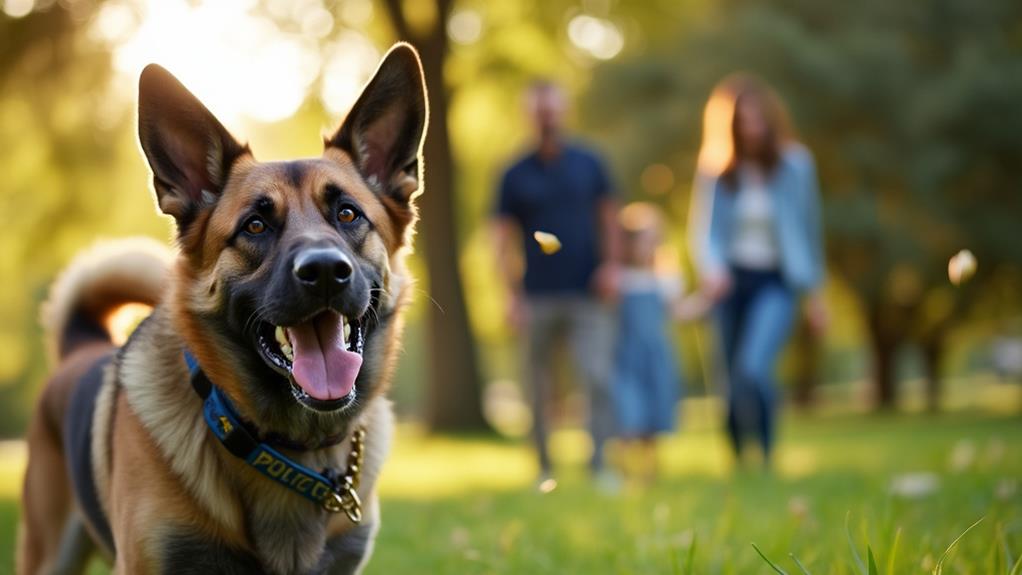
Adopting a retired police dog offers numerous benefits for both the dog and the adopter. These loyal and affectionate dogs, once part of police departments, deserve a loving home where they can shift from their retired working life. Providing them with a proper environment not only enriches their lives but also contributes to community safety by ensuring these trained dogs are well cared for.
Some key benefits include:
- Loyal Companionship: Retired K9s often form strong bonds with their adopters, offering unwavering loyalty and affection.
- Specialized Training: These dogs have undergone extensive training, making them disciplined and responsive companions.
- Support for Rescue Efforts: By adopting a retired police dog, you're highlighting the value of animal rescue and honoring their service.
- Therapeutic Impact: Many of these dogs have training to address anxiety and post-traumatic stress disorder, benefiting both the animal and the adopter.
With many dogs available for adoption, opening your home to a retired K9 not only provides them with a peaceful life away from the stress of their previous work but also rewards you with a devoted and well-trained companion. It's a mutually beneficial choice that celebrates the dedication of these service animals.
Challenges in Adoption
When considering the adoption of a retired police dog, you might face several challenges that require careful consideration. Initially, the availability of retired police dogs is limited, as local police departments often prefer their former handlers or department members to adopt them. This preference results in fewer dogs available for the general public. As a result, you may find yourself on long waiting lists, sometimes extending for several years, due to the high demand and limited supply of these dogs.
The adoption process for retired police dogs is more complex compared to standard shelter adoptions. You'll need to navigate extensive paperwork, home inspections, and background checks to meet the adopter requirements. This rigorous process guarantees that you're well-equipped to handle the specific needs of these dogs.
Retired police dogs often come with high exercise needs that can exceed your expectations. They require regular physical activity and mental stimulation to stay healthy. Furthermore, these dogs might exhibit behavioral challenges like anxiety or aggression, requiring experience in dog handling to address effectively. Thus, adopting a retired police dog demands a commitment to meet their unique needs and provide a supportive environment, assuring a successful adoption experience.
Steps to Adopt

Initiating the quest to adopt a retired police dog involves several key steps to guarantee a successful match. Start by completing an application form that outlines your home environment and prior dog experience. This application is essential in evaluating your compatibility with a retired police dog. Expect thorough evaluations including:
- Home inspections to verify a safe and suitable environment.
- Background checks to evaluate lifestyle compatibility.
- Contacting local police departments or nonprofits like Mission K9 Rescue for availability.
- Potentially lengthy waiting periods, as dogs are often initially offered to their former handlers.
Once you submit your application, be prepared for a waiting period. Retired police dogs are sometimes initially offered to their handlers before being available to the public. During this time, local police departments or organizations like Mission K9 Rescue will help guide you through the process. Adoption fees, typically averaging around $375, often cover initial veterinary expenses. However, prepare for ongoing annual vet care averaging $600. These fees secure the dog's health and well-being in their new home. Following these steps will increase your chances of successfully welcoming a retired police dog into your family.
Requirements for Adoption
To adopt a retired police dog, you'll need to meet specific requirements to guarantee a successful changeover for both you and the dog. Initially, confirm you have the financial capability to cover the annual veterinary care costs, which average around $600, plus any adoption fees starting at approximately $375. This financial commitment is vital to maintaining the dog's health and well-being.
A stable home environment is another key requirement for adoption. Your household should have no more than three dogs, and all residents must be over the threshold of 12. This stability helps the dog adjust to its new surroundings comfortably.
Retired police dogs need daily exercise and mental stimulation to stay happy and healthy. Be prepared to incorporate regular physical activities and engaging tasks into your routine.
The adoption process involves a thorough application review, which may include a home inspection and background checks. This guarantees a suitable match between you and the dog. Organizations frequently prioritize former handlers for adoption, meaning civilian applicants might experience longer waiting times. Patience and thorough preparation can greatly increase your chances of successfully adopting a retired police dog.
Transitioning Your New K9

Guiding your retired police dog into its new life begins with establishing a routine that includes feeding, exercise, and bathroom breaks. This structure is essential for helping them adapt to their new home environment. A consistent schedule offers a sense of security and helps ease the adjustment process.
Create a safe and comfortable living space to foster security. This will support your dog as they move from a disciplined working life to a more relaxed retirement.
Engage in basic obedience training and socialization to help reduce anxiety and behavioral issues. Introducing them to other pets and people can make the adjustment smoother.
Be aware of signs of potential PTSD or trauma from their past experiences. Recognizing these signs allows you to provide the necessary support and care.
- Establish a consistent routine: Feed, exercise, and provide bathroom breaks at the same times each day.
- Create a comfortable living space: Guarantee they have a safe area to retreat to.
- Practice patience: Understand that adaptation takes time and consistency.
- Engage in obedience training and socialization: Familiarize them with new environments and companions.
With patience and care, you can help your retired police dog feel at home.