Caiman Lizard Care: Everything You Need to Know for Pet Owners
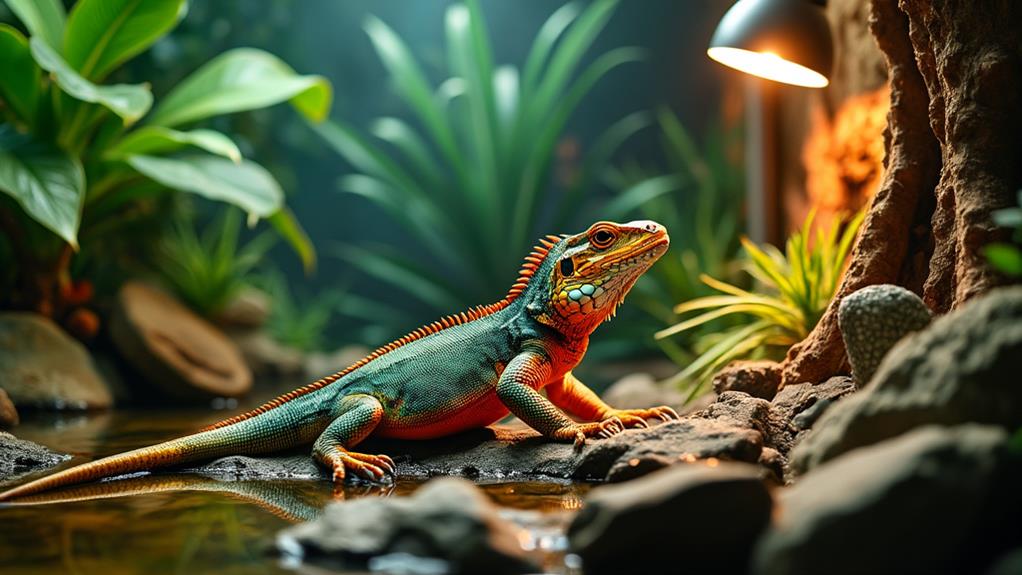
When caring for a caiman lizard, create a spacious enclosure that's at least 8 feet long, 4 feet wide, and 4-6 feet high with a deep substrate and ample swimming area. Maintain water temperatures of 75-85°F and humidity between 70-80%. Include climbing structures and robust vegetation. Their diet mainly consists of snails and other proteins, with daily feeding for juveniles and less frequent meals for adults. Gentle handling fosters trust, but be cautious of food aggression. Guarantee regular veterinary check-ups and maintain cleanliness to prevent health issues. There's much more to uncover about guaranteeing a healthy and enriching environment.
Key Takeaways
- Caiman lizards require large enclosures with significant water areas for swimming and maintaining proper humidity levels.
- A varied diet primarily of snails, supplemented with crustaceans and fish, is essential for their nutrition.
- Consistent misting and a digital hygrometer help maintain ideal humidity levels between 70-80%.
- Regular veterinary check-ups and a reptile vet experienced with caiman lizards are crucial for health maintenance.
- Gentle handling and understanding their body language are key to building trust and reducing stress.
Overview and Unique Characteristics
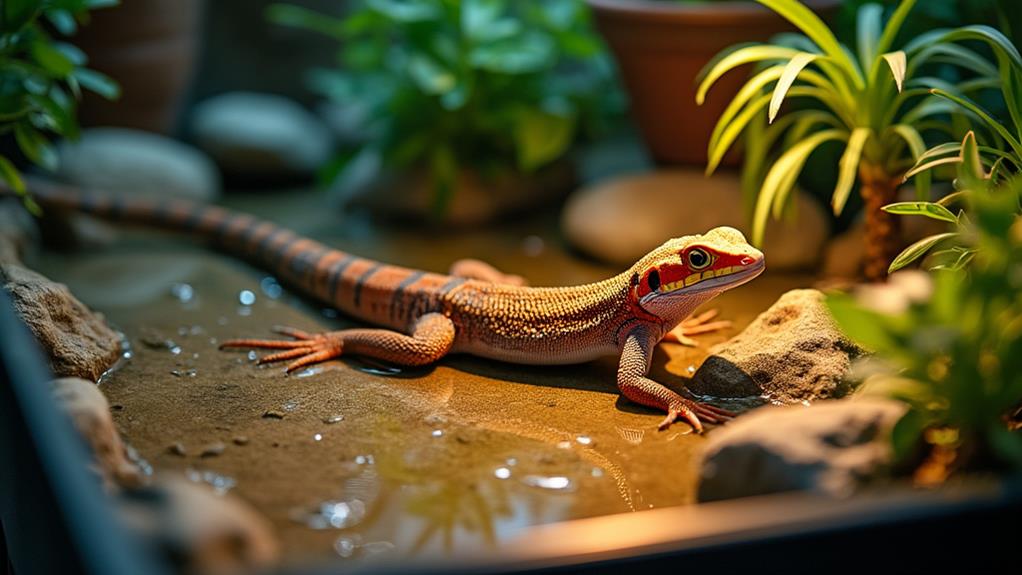
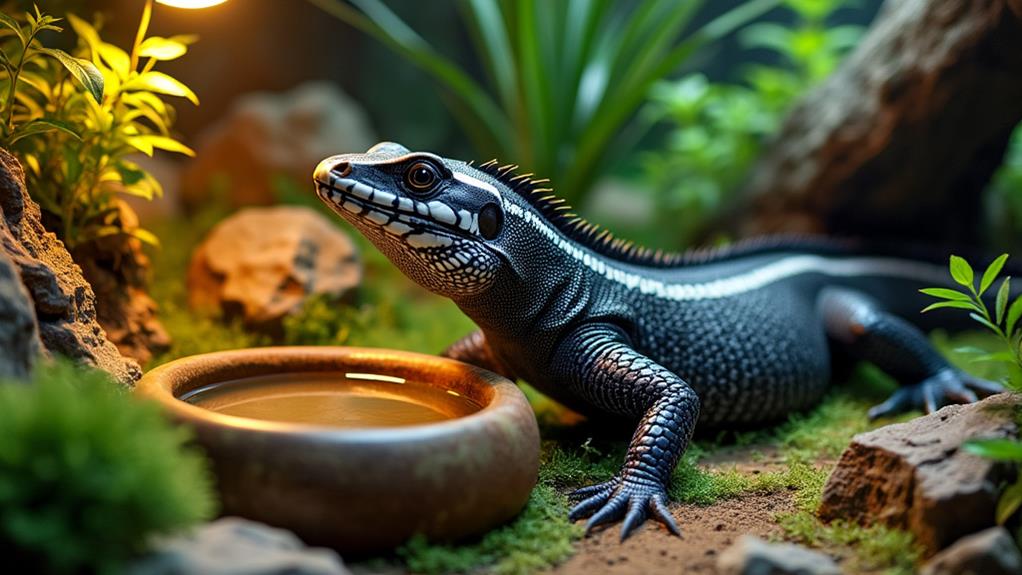
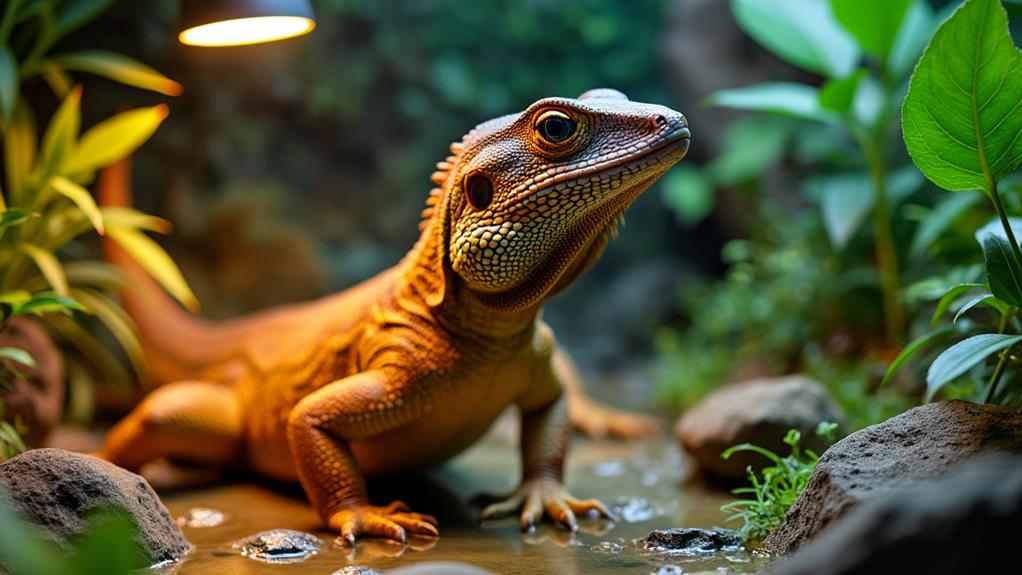
Caiman lizards, often admired for their striking appearance, are fascinating reptiles that demand attention due to their unique characteristics. As semi-aquatic lizards native to South America, they thrive in environments that mimic their natural rainforest habitats. Their lively scales, a stunning mix of olive green, bright red, and orange, not only captivate the eye but also serve as camouflage within their lush surroundings. These reptiles are truly unique, possessing specialized adaptations such as powerful tails and strong limbs, making them excellent swimmers in both land and water settings.
To care for these impressive creatures, you'll need to provide a large enclosure that accommodates their potential size of up to 5 feet long. Their distinctive head shape and tough jaws are designed to crush their primary diet of snails and aquatic invertebrates, so ensuring a proper diet is vital. A detailed care sheet is important, as caiman lizards require specific conditions to thrive, reflecting their natural semi-aquatic lifestyle. These reptiles demand experienced handling due to their specialized needs, making them more suitable for those who are knowledgeable about reptile care and can cater to their unique adaptations and requirements.
Ownership Trends and Considerations
In recent years, interest in owning caiman lizards has skyrocketed among exotic pet enthusiasts, attracted by their unique characteristics and striking appearance. This surge in popularity is reflected in ownership trends, with more people enthusiastic to adopt these fascinating reptiles as part of their lives. However, caiman lizard care is not for the faint-hearted. These creatures require specialized care, making them unsuitable for novice keepers. You'll need to dedicate significant time and effort to their care and habitat maintenance, ensuring a healthy and enriching environment.
The growing community of caiman lizard owners has led to improved resources and practices. Events like the Reptile Super Show offer valuable opportunities for learning and sharing insights about exotic pet care. In the pet trade, most caiman lizards are farmed or captive-bred. Captive-bred individuals generally adapt better to home environments, making them a preferable choice for prospective owners. The accessibility of these reptiles has also improved, with prices becoming more reasonable over the years. This affordability makes owning a caiman lizard more feasible for those committed to providing them with the specialized care they deserve.
Ideal Habitat Creation
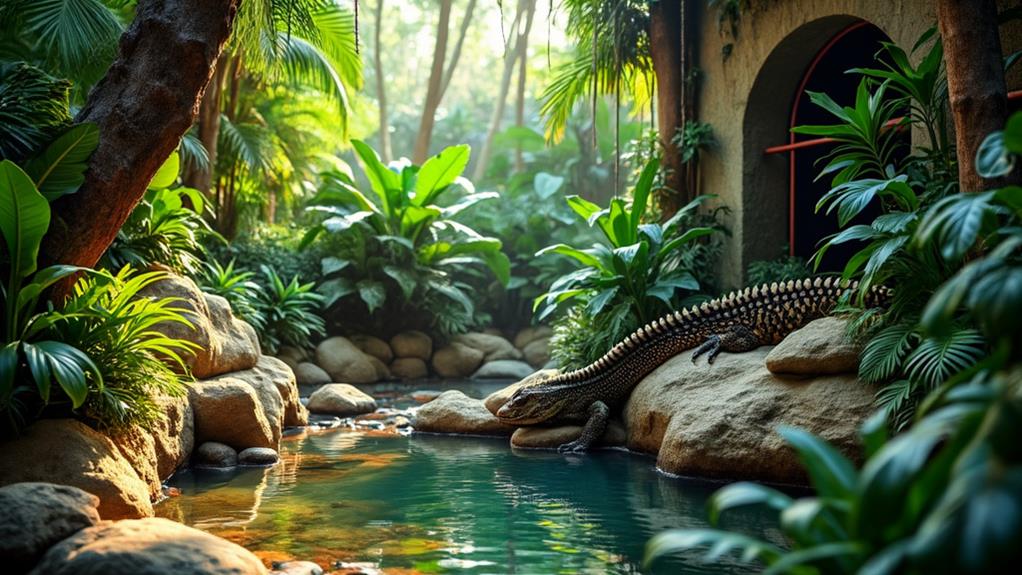
Creating an ideal habitat for your caiman lizard frequently requires careful planning and attention to detail. Start with a caiman lizard's enclosure that's at least 8 feet long, 4 feet wide, and 4 feet high, ensuring ample space for their active lifestyle. The enclosure should feature distinct land and water areas because caiman lizards love both. The water area needs to be at least 20 inches deep for adults, maintaining a temperature between 75-85°F to mimic their natural environment.
Proper humidity levels are essential, staying between 60-80%. This requires daily misting and the strategic use of live plants and a large water source to retain moisture. Use substrates like coconut fiber or bark, with a depth of at least 6 inches, to aid in humidity retention and to offer burrowing opportunities.
To improve the habitat, consider the following elements:
- Climbing branches: Necessary for exercise and natural behavior.
- Secure decorations: Prevent accidents and create an engaging environment.
- Ample hiding spots: Provide security and reduce stress.
- River stones in water area: Prevent accidental ingestion and improve natural aesthetics.
Diet and Nutrition
In relation to maintaining your caiman lizard's health, diet and nutrition play an indispensable role. A proper caiman lizard diet consists of a varied diet rich in animal proteins and occasional fruits and vegetables. They love to eat snails, which should form a staple part of their meals. You can also offer crustaceans and fish to mimic their natural diet. While they might not show much interest in greens, fresh fruits and veggies can aid hydration, especially when you're trying to keep the humidity at peak levels in their enclosure.
Young caiman lizards need daily feeding to support their growth, whereas adults thrive on meals a few times a week. Their enclosures should be large enough to allow for natural foraging behaviors. Remember to avoid insects and certain fruits like mango and kiwi, as they often reject these. Regular water changes are essential to prevent contamination and support their dietary needs.
Monitor their food intake and consult a reptile vet for any necessary dietary adjustments. Access to UVB lighting is crucial to guarantee they synthesize vitamin D properly, promoting healthy metabolic function. By following these guidelines, you'll make certain your caiman lizard remains healthy and active.
Behavior and Handling
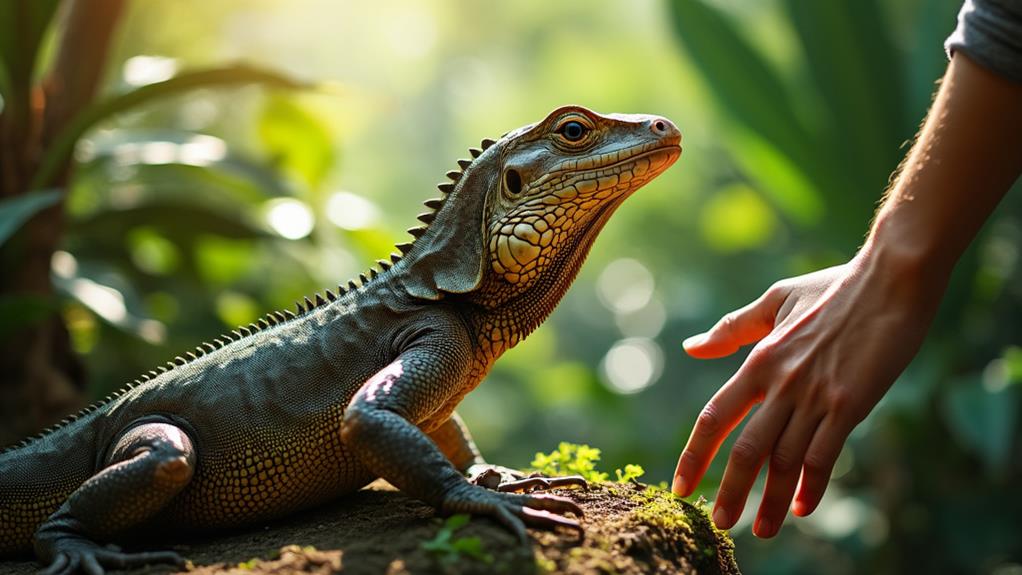
While keeping your caiman lizard well-fed and healthy is fundamental, understanding their behavior and ensuring proper handling are likewise significant. Caiman lizards exhibit a wide range of temperaments, so it's important to assess each lizard's personality before interacting with them. Some may be docile, while others can show signs of aggression. Regular, calm interactions are key to building trust. Positive experiences during handling can make your lizard more tame over time.
Be aware of food aggression, a common trait in caiman lizards. To avoid bites or injury, use feeding tongs and maintain a safe distance when offering food. Understanding your lizard's body language, such as tail movements or hiding behaviors, is crucial for gauging their comfort and stress levels.
Here are some tips for handling:
- Patience and Consistency: Approach training with patience; not all caiman lizards will enjoy being handled, but with gentle reinforcement, some can learn to accept it.
- Observe Body Language: Pay attention to your lizard's signals to understand their mood and stress.
- Gradual Trust Building: Start with short, calm interactions to build trust.
- Use Training Techniques: Target training can help in making handling experiences positive.
Enclosure Requirements
Why is a spacious enclosure important for your caiman lizard's well-being? Caiman lizards are large, active creatures that need room to thrive. An enclosure that's at least 8 feet long, 4 feet wide, and 6 feet high is necessary. However, larger enclosures are always better to guarantee your lizard has ample space to move, climb, and investigate. This helps mimic their natural environment and promotes physical and mental health.
A significant water area is a must. Caiman lizards love to swim, so providing a water section with a depth of at least 12 inches and maintaining a temperature between 75-85°F is essential. Include a reliable filtration system to keep the water clean and fresh, as caiman lizards spend a lot of time in the water.
To maintain appropriate humidity and offer digging opportunities, use a deep substrate of at least 6 inches with natural materials like Zoo Med Eco Earth. The enclosure should also include climbing structures and robust live or artificial plants to replicate their natural habitat. Regular maintenance is key—clean the water areas frequently and replace the substrate every 3-4 months to guarantee your caiman lizard's home remains a healthy environment.
Environmental Needs
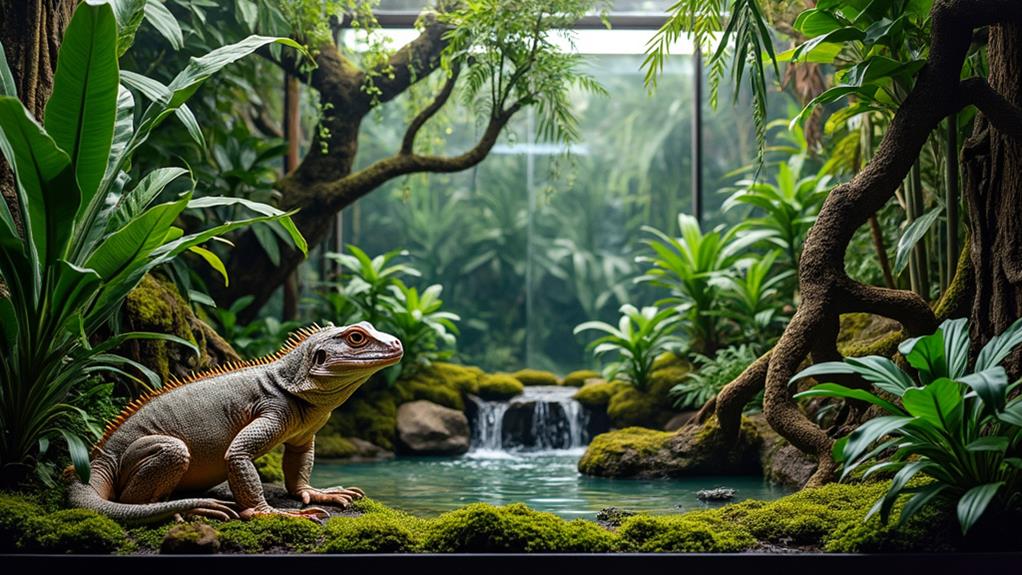
Meeting your caiman lizard's environmental needs is vital for its health and happiness. Caiman lizards spend a significant amount of time in the water, so providing a large swimming area with a minimum depth of 20 inches is imperative. This helps maintain proper thermoregulation and offers them a natural habitat. Regularly clean and change the water to keep it fresh.
To guarantee peak health, install UVB lighting in your lizard's enclosure. This lighting supports vitamin D synthesis and should be on for 11-14 hours daily, depending on the season. Furthermore, create a basking area where temperatures reach between 120-130°F, with ambient temperatures surrounding it in the range of 80-90°F.
An automatic misting system can help maintain ideal humidity levels for caiman lizards, which should be between 70-80%. Monitor these levels using a digital hygrometer and mist the enclosure 1-2 times a day.
Consider these tips:
- Provide a large swimming area for water time.
- Use UVB lighting for 11-14 hours daily.
- Maintain basking temperatures at 120-130°F.
- Install an automatic misting system for humidity control.
Health and Veterinary Care
Taking care of your caiman lizard's health goes beyond creating the perfect environment. Regular veterinary care is fundamental for these exotic pets. A reptile vet specializing in caiman lizards can perform necessary parasite screenings and health assessments. These check-ups are crucial, guaranteeing your lizard lives its full 8 to 12-year lifespan in captivity. Diet is another significant component of their health. A balanced diet, rich in vital vitamins and minerals, is necessary, and a vet can guide you in making any dietary adjustments needed.
Monitoring your caiman lizard's habitat is similarly important. Confirm the temperature and humidity levels are ideal to prevent health issues like respiratory infections. Improper conditions can quickly become a problem, so invest in reliable thermometers and hygrometers. Stress is another factor to watch out for. Signs like hiding, loss of appetite, or aggression shouldn't be ignored and should be addressed immediately to avoid further complications.
Lastly, while vaccinations aren't typically needed, maintaining a clean habitat and practicing good hygiene is crucial. Doing so helps prevent bacterial and fungal infections, keeping your caiman lizard healthy and thriving in its environment. Regular care and attention truly make a difference.