Bullmastiff: The Loyal and Fearless Guard Dog
You'll appreciate the Bullmastiff's loyalty and fearlessness, making it a superb guardian for your home. Originating in 19th century England to deter poachers, these dogs combine the strength of the English Mastiff with the tenacity of the Old English Bulldog. With a muscular build and an alert presence, Bullmastiffs stand as impressive protectors. They are calm and affectionate, especially with children, but their size demands experienced handling and early socialization. Regular vet visits and a balanced diet keep them healthy and happy. For deeper insights into this remarkable breed, there are fascinating aspects about their training and temperament.
Origins and History
The Bullmastiff's origins trace back to 19th century England, developed to address the rampant issue of poaching on estates. This breed is a unique cross between the English Mastiff and the Old English Bulldog, designed to embody a blend of strength, agility, and guarding instincts. Initially, their primary role was to track and apprehend poachers, demonstrating their innate ability to protect property and people.
Recognized by the American Kennel Club in 1933, Bullmastiffs have since grown in popularity, not only as protectors but also as cherished family dogs. These large and powerful dogs are known for their unwavering loyalty and devotion, making them devoted members of any family. However, owning a Bullmastiff comes with responsibilities. Proper care is crucial, which includes ensuring they receive early socialization. This helps them develop into well-mannered companions, able to differentiate between friendly and threatening situations.
Their guarding instincts remain strong, but with proper training, they become gentle giants at home. Bullmastiffs have evolved from estate protectors to versatile companions, capable of serving in police and military roles, all while being loving family members.
Physical Characteristics
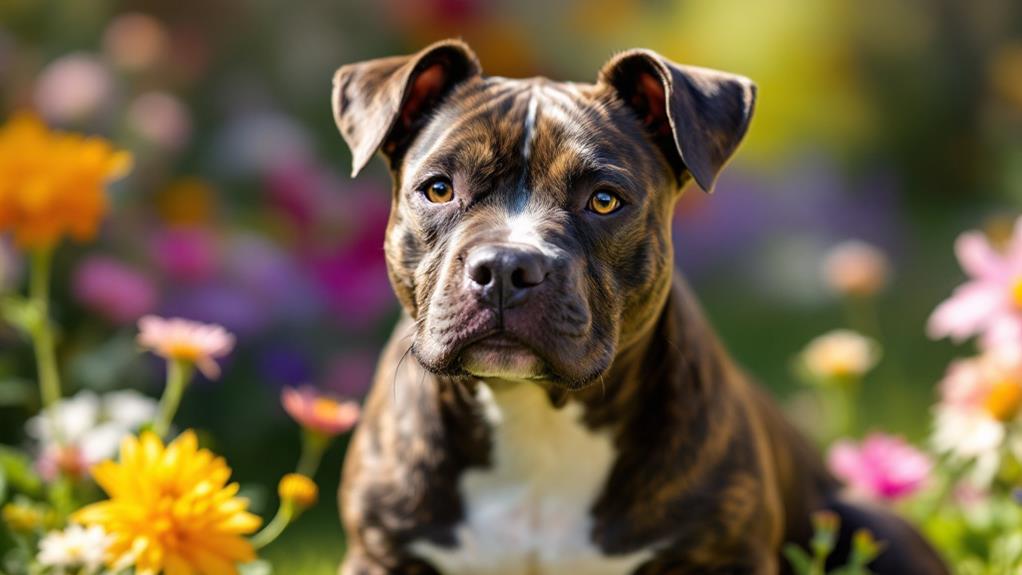
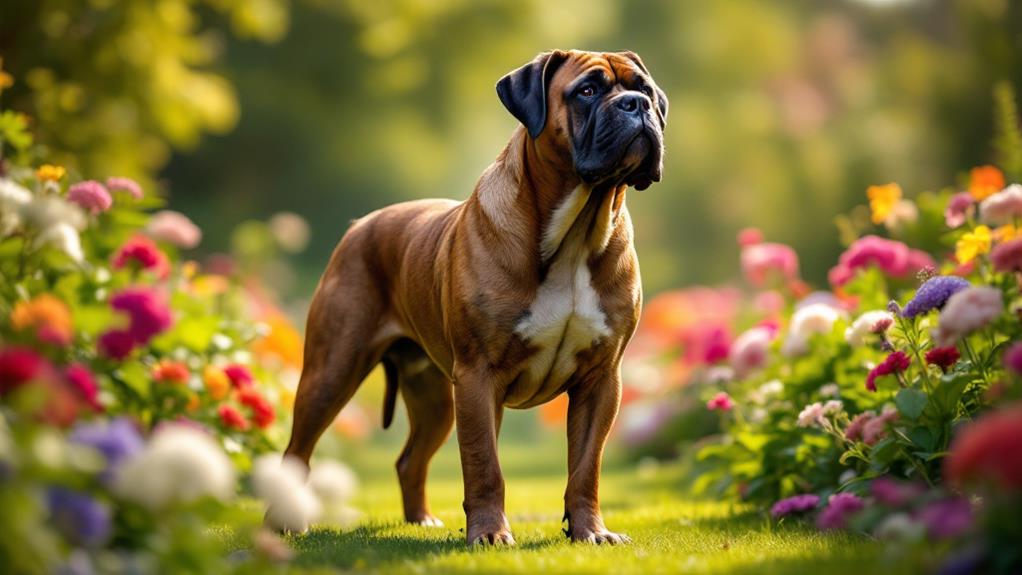
With their imposing size and muscular build, Bullmastiffs stand out as powerful and confident canines. As a dog breed belonging to the large breeds category, males typically weigh between 110-130 lbs, while females range from 100-120 lbs. Their physical characteristics include a distinctive broad, wrinkled head, which features a short, strong muzzle and dark, medium-sized eyes that exude alertness and intelligence. These highly intelligent eyes are not just for show; they help the Bullmastiff protect its family with a gentle nature and a watchful presence.
The compact body of a Bullmastiff boasts a deep chest, thick neck, and strong limbs, all contributing to their potent and robust appearance. This breed standard guarantees they remain ideal companions for families seeking both protection and affection. Their short, dense coat is weather-resistant, coming in color variations like fawn, red, and brindle, adding to their unique charm.
While Bullmastiffs are known for their strength and friendly dispositions, potential owners should be aware of hereditary health issues common in this dog breed. Regular veterinary check-ups are crucial to maintain their health and guarantee they remain the loyal guardians they're renowned to be.
Temperament and Behavior
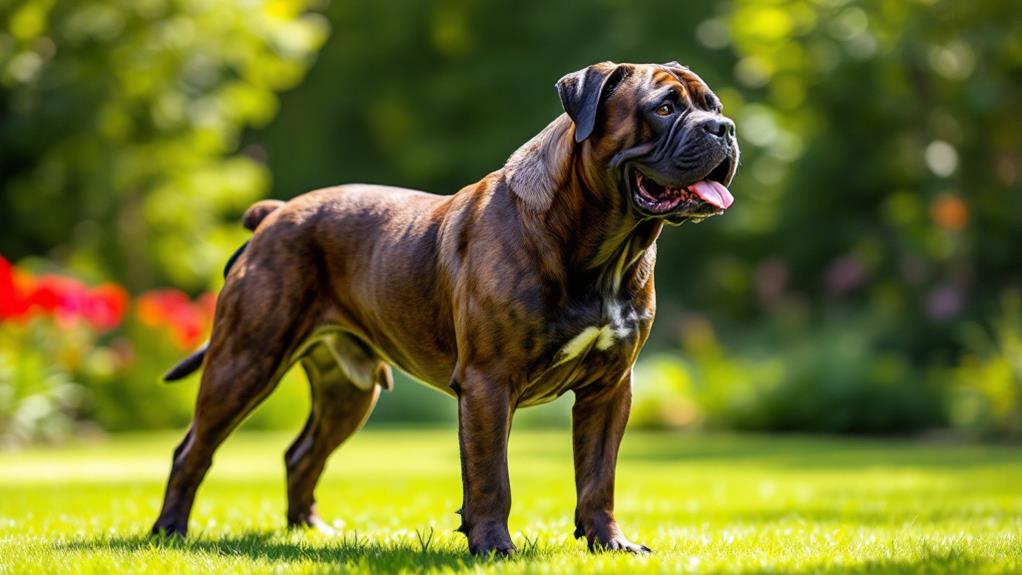
Many Bullmastiffs exhibit a remarkable blend of loyalty and protective instincts, making them exceptional family companions. You'll find that these dogs are not only loyal and protective but also have a calm demeanor that makes them good with children and other pets. Their gentle nature indoors means you won't have to worry about excessive barking or unnecessary aggression. Instead, they remain watchful and alert, always ready to protect their loved ones from any potential threat.
When considering a Bullmastiff, keep in mind:
- They form deep bonds with their families, enhancing their role as loyal guardians.
- Their calm demeanor allows them to be good with children and pets when properly trained.
- Regular exercise and training help manage their size and strength, preventing behavioral issues.
To guarantee your Bullmastiff thrives, focus on positive reinforcement training. This approach, combined with consistent training and socialization, helps manage their natural instincts while curbing any potential behavioral issues. Regular exercise is also vital to keep them healthy and happy. As your dog would grow, maintaining a balance between their protective instincts and social behavior becomes significant. With the right guidance, a Bullmastiff can be a loving and steadfast protector.
Health and Care
Caring for a Bullmastiff requires attention to their health and well-being to guarantee they lead a long, happy life. Years ago, understanding the importance of health screenings became essential for this breed. Regular vet check-ups can help detect certain health conditions like hip dysplasia, elbow dysplasia, and bloat, also known as gastric torsion, early. These conditions can be serious, but with prompt attention, you can manage them effectively.
Bullmastiffs, with their high energy levels, need a balanced diet to maintain their vitality. Poor nutrition can lead to early health issues, so a high-quality diet is vital. Furthermore, regular maintenance is key—keep an eye on their weight, trim their nails, check their ears, and secure their dental health. These steps will help your Bullmastiff stay in top shape.
Responsible breeding practices have improved over the years, emphasizing genetic diversity to reduce hereditary issues. Obedience training can also contribute to their well-being, as it helps manage their high energy and strengthens bonds with loved ones. By being proactive in their care, you'll guarantee your Bullmastiff lives a fulfilling and healthy life by your side.
Trainability and Socialization

While Bullmastiffs are known for their loyalty and protective instincts, their trainability and socialization are likewise significant aspects to focus on. Early and consistent training is vital due to their intelligence and stubbornness. You need to establish clear boundaries to guarantee obedience. Socializing them from a young period helps them adapt well to being around both family members and strangers, reducing aggressive tendencies. They can be ready to protect, but it's important to channel that instinct properly.
Managing their size and strength requires experienced handlers. Training can be a bit challenging, as their lively nature demands engaging activities and regular mental stimulation to help keep them focused. Remember, positive reinforcement is key, fostering a strong bond and encouraging desired behaviors.
- Engage in outdoor activities: These dogs enjoy physical challenges that keep their minds sharp.
- Observe their health: Bullmastiffs are prone to certain health issues, so a balanced routine is vital.
- Know their tail is set high: Understand their body language to gauge their mood and readiness.
With the right approach, Bullmastiffs can become well-mannered companions, enthusiastic to please and ready to be part of your family.