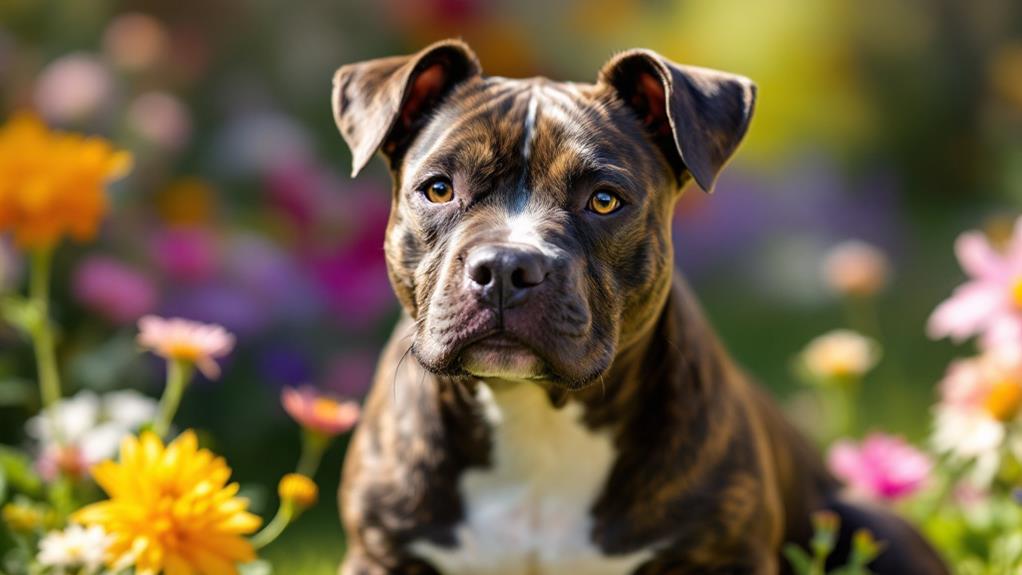
Bull Terrier: The Comical and Energetic Terrier
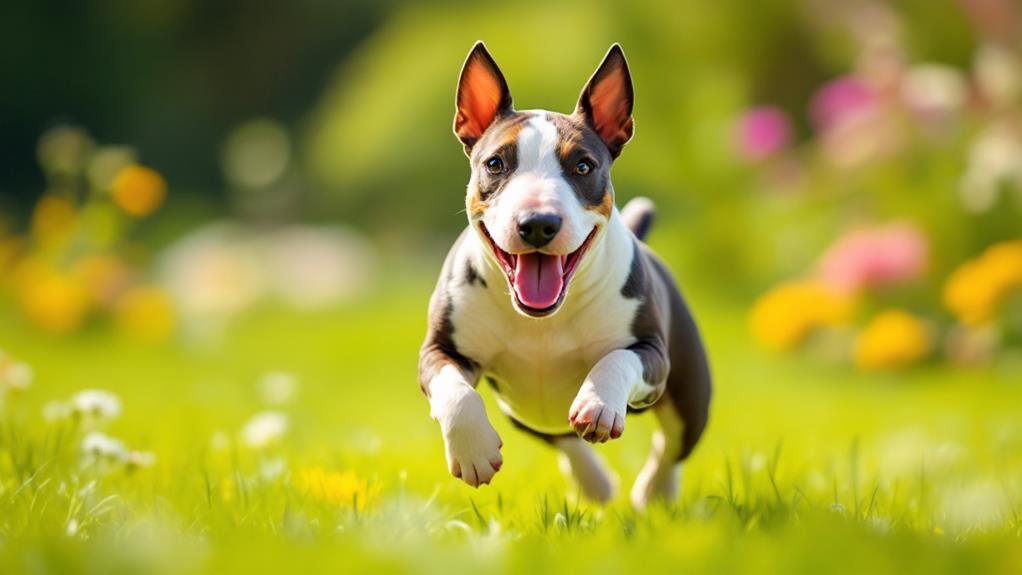
You'll find Bull Terriers as charming, comical companions full of energy. With their distinct egg-shaped heads, these medium-sized dogs stand 21-22 inches tall. They're known for lively personalities and require daily exercise, making them perfect for active households. Their short coats come in a variety of colors, needing minimal grooming. Originating from 19th-century England, these affectionate and loyal dogs thrive on human interaction. Early socialization and consistent training are essential to manage their mischievous nature. While they require regular vet check-ups for common health issues, their dedication and humor make them a family favorite. You'll find more insights ahead.
Breed Overview
Although the Bull Terrier's distinctive egg-shaped head grabs attention, there's much more to this breed than its unique appearance. As a member of the Terrier breed, the Bull Terrier is a medium-sized dog standing between 21-22 inches tall and weighing 50-70 pounds. Despite its muscular build, this dog is known for being playful and comical, a stark contrast to its origins in 19th-century England where it was bred for bull-baiting.
The Bull Terrier's short coat comes in different colors like white, brindle, red, fawn, and black, adding to its striking look. Recognized by the American Kennel Club (AKC) as part of the Terrier Group, this breed has a life expectancy of 12-13 years, guaranteeing years of companionship.
To keep your Bull Terrier healthy and happy, you'll need to make sure they get exercise every day. They thrive on human interaction and affection, making them loyal companions who fit well into family life. Their mischievous demeanor and energetic nature mean they're always ready for playtime, so expect to have an active partner by your side. Welcome the playful spirit and enjoy the lively company of a Bull Terrier.
Temperament and Behavior
Bull Terriers are known for their lively and entertaining personalities, making them a favorite among dog lovers. Their playful and mischievous nature often results in comical antics that keep families amused. However, their strong-willed temperament can sometimes lead to stubbornness, so consistent training is vital. Early socialization plays an important role in shaping a well-behaved Bull Terrier, helping them adapt to different environments and reducing the likelihood of aggression towards unfamiliar pets.
With their high energy levels, Bull Terriers thrive in active households where they can engage in regular physical activity and outdoor play. They're perfect companions for those who enjoy long walks, jogging, or playtime in the park. Despite their energetic demeanor, Bull Terriers are incredibly affectionate and loyal, forming strong bonds with their families. Their protective instincts make them effective watchdogs, but they need proper guidance to channel this behavior appropriately.
When it comes to interacting with younger children, supervision is key. Bull Terriers' exuberant play style might be overwhelming for little ones, so keeping an eye on playtime guarantees safety for everyone involved. With the right training and socialization, these dogs become cherished family members.
Historical Background
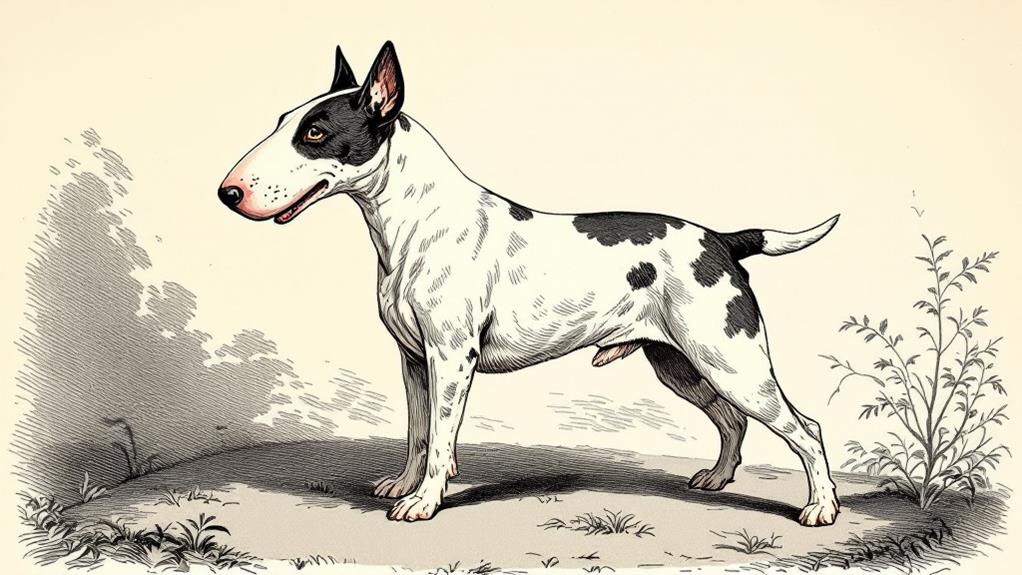
The evolution of the Bull Terrier is a fascinating expedition that reflects the breed's adaptability and resilience. Originating in 19th-century England, the Bull Terrier was initially crafted by blending bulldogs and terriers. This mix aimed to create a dog breed suitable for blood sports and vermin control. However, as dog fighting was banned, the Bull Terrier's role shifted. It changed from a fighter to a cherished family pet and companion, showcasing its versatility and charm.
James Hinks, a crucial figure in the breed's history, greatly influenced the Bull Terrier's distinctive appearance. By introducing new bloodlines, he sculpted the breed's characteristic muzzle shape, which became a hallmark of the English Bull Terrier. The American Kennel Club (AKC) recognized the breed in 1885, solidifying its status and increasing its popularity.
Initially, white-coated Bull Terriers dominated the scene, but their prevalence correlated with a higher risk of deafness. By the 1920s, breeders started embracing colored Bull Terriers, reducing health risks and broadening the breed's appeal. This historical expedition highlights the Bull Terrier's adaptability and the breed's enduring appeal across generations.
Health Considerations
As you appreciate the Bull Terrier's historical progression and transformation into a beloved companion, understanding the breed's health considerations becomes fundamental. While Bull Terriers are generally healthy, they're prone to specific genetic conditions like patellar luxation, mild heart issues, and kidney failure. Recognizing these health issues early can notably improve their quality of life.
Deafness is a common concern, particularly in white Bull Terriers. It's imperative to conduct early assessments to guarantee proper training and care. Regular health check-ups and screenings are crucial for spotting potential problems early. By doing so, you can address health issues promptly, helping your Bull Terrier lead a happier, healthier life.
Allergies are another concern, often resulting in itching and ear infections. You'll need to be diligent about grooming and care to prevent these problems. A proper diet is fundamental to avoid obesity, which can worsen existing health conditions. Coupled with regular exercise, a balanced diet helps maintain your Bull Terrier's general health.
Training and Socialization

In relation to training and socializing your Bull Terrier, starting early is key to success. These spirited dogs need early training and socialization to grow into well-adjusted adults. Bull Terriers can be strong-willed and stubborn, so consistent training is vital. Using positive reinforcement techniques works best, as they respond well to fun and engaging methods that align with their playful nature.
Begin socializing your Bull Terrier with other pets and people at a young stage. This helps them learn appropriate behaviors and reduces the likelihood of aggression toward unfamiliar animals or individuals. Making sure your Bull Terrier is comfortable in different environments will lead to a more adaptable and friendly companion.
Incorporating regular participation in dog sports like agility or obedience can strengthen the bond you share with your Bull Terrier. These activities provide both physical and mental stimulation, important for managing their high energy levels and mischievous tendencies. Establishing clear boundaries and routines early on guarantees effective training, helping your Bull Terrier thrive.
Diet and Nutrition
Ensuring a balanced diet for your Bull Terrier is critical for their general health and well-being. You'll need to provide them with 2-4 cups of high-quality dry dog food each day, tailored to their size, stage of life, and activity level. It's vital to consult a veterinarian to determine specific dietary needs, ensuring their diet includes the right balance of proteins, fats, and carbohydrates. Without proper management, Bull Terriers can easily become prone to obesity, so keeping an eye on their weight is crucial.
Incorporating fresh fruits and vegetables as occasional treats can offer supplementary nutrients, but moderation is key. These treats should complement, not replace, their main diet. Establishing a consistent feeding schedule, ideally with two meals per day, helps maintain their digestive health and prevents overeating.
Grooming Needs

Regarding grooming your Bull Terrier, their short, smooth coat makes maintenance relatively easy. You'll need to brush them once or twice a week to remove loose hair and maintain coat health. Despite their minimally shed nature, regular brushing helps keep their coat looking its best and reduces pet dander in your home. Bathing them every three months or as needed, depending on their activity level and exposure to dirt, will guarantee they stay fresh and clean without over-drying their skin.
Regular ear cleaning is also a crucial part of their grooming needs. It's recommended that you clean their ears weekly or bi-weekly using a dog-friendly cleanser. This practice helps prevent infections and keeps their ears healthy. While Bull Terriers aren't hypoallergenic, their minimal shedding makes them a bit more manageable for those with mild allergies.
Grooming sessions aren't just about upkeep; they're also a fantastic opportunity for bonding. Bull Terriers love attention and affection, so use this time to strengthen your connection with your furry companion. Meeting their grooming needs with care and consistency guarantees they remain the lively and charming pets you adore.
Living Conditions
Bull Terriers thrive in living conditions that offer both comfort and stimulation. Even in apartment living, they can adapt well if you guarantee they get plenty of exercise and mental challenges. Despite their medium size, Bull Terriers have an energetic nature that demands considerable physical activity. Aim for at least 1-2 hours of vigorous exercise daily to keep them happy and prevent boredom. Without sufficient exercise, they might develop destructive behaviors or experience separation anxiety, especially when left alone for extended periods.
A secure, fenced yard is ideal for these spirited dogs, providing them the freedom to run and play safely. Outdoor activities are a must, as they help burn off energy and keep your Bull Terrier engaged. While they can live happily in shared spaces, their lively antics might not always sit well with close neighbors if not managed appropriately. Regular outdoor play and exercise sessions can mitigate potential issues and guarantee your Bull Terrier remains content and well-behaved.
Adoption and Breeding

When considering bringing a Bull Terrier into your home, it's crucial to think about adoption at the outset. Adopting from a rescue organization or shelter not only provides a loving home for a dog in need but also helps reduce the number of homeless pets. However, if you decide to purchase a puppy, make sure you choose a reputable breeder. A responsible breeder prioritizes ethical practices and the health and well-being of their dogs.
Reputable breeders conduct thorough health screenings to check for genetic conditions common in Bull Terriers. This practice helps confirm the long-term health of your future companion. Furthermore, puppies should be raised in environments that encourage proper socialization and training from a tender age. This approach guarantees they develop into well-adjusted adult dogs.
Before adopting or breeding, consider the impact of breed-specific laws (BSLs) in your area, as they can affect your ability to own or breed a Bull Terrier. Here are some steps to guide your decision:
- Research adoption options: Check local shelters and rescue organizations at the beginning.
- Choose a reputable breeder: Make sure they follow ethical practices.
- Verify health screenings: Look for breeders who test for genetic issues.
- Understand breed-specific laws: Know local regulations affecting ownership.