British Shorthair: The Reserved and Undemanding Feline Companion
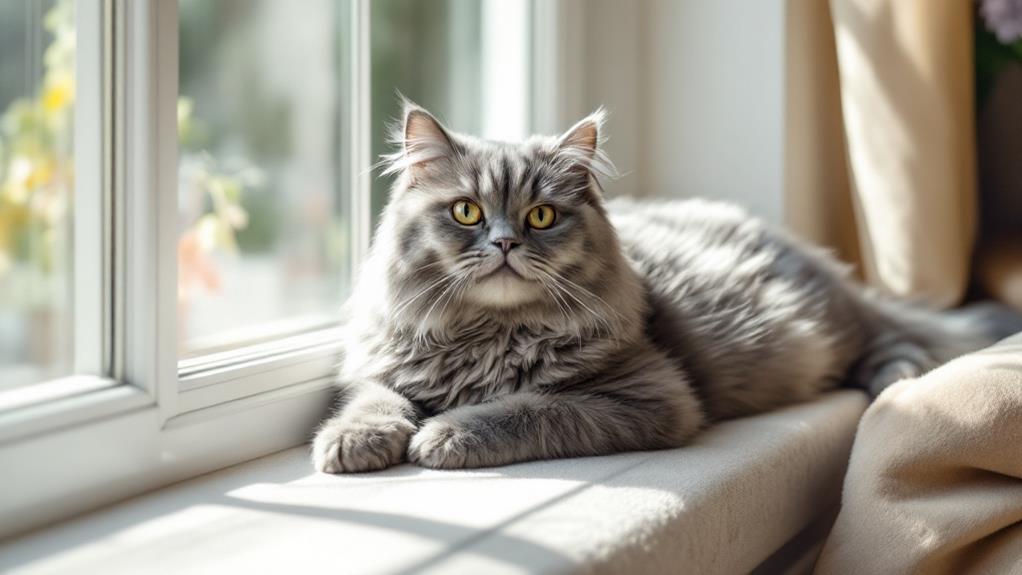
If you're seeking a feline friend that's charming yet low-maintenance, the British Shorthair is the ideal choice. With roots dating back to Roman times, this breed's sturdy build, round head, and plush coat make it quite distinctive. They're affectionate without being overly demanding, often showing love with gentle rubs instead of constant attention-seeking. Grooming is a breeze thanks to their low-shedding coats, and their dietary needs are manageable with regular feeding. These cats enjoy calm environments and get along well in families or with other pets. Uncover more about their unique traits and care requirements with further exploration.
Origins and History
The British Shorthair, one of the oldest and most beloved cat breeds, has a storied past that begins with its Roman roots. These cats of Rome were introduced to Britain by the Romans to control rodent populations, laying the groundwork for what would become the British Shorthair breed. As the oldest English cat, its progression from utilitarian domestic cats to a celebrated breed is fascinating.
In 1871, the breed gained formal recognition at a cat show, marking its entry into the cat fancy community. This event was crucial, solidifying its status among cat enthusiasts. However, the two World Wars severely affected their numbers due to a shortage in breeding stock. This decline was a significant threat to the breed's survival.
To counteract this, breeders in the mid-1900s began crossbreeding efforts to revive the population, which eventually led to the breed being granted championship status by The International Cat Association in 1979. The British Shorthair's cultural significance is further highlighted by its inspiration for Lewis Carroll's Cheshire Cat in "Alice in Wonderland," underscoring its enduring charm and appeal. The British Shorthair's rich history is as enchanting as its presence in literature and homes worldwide.
Physical Characteristics
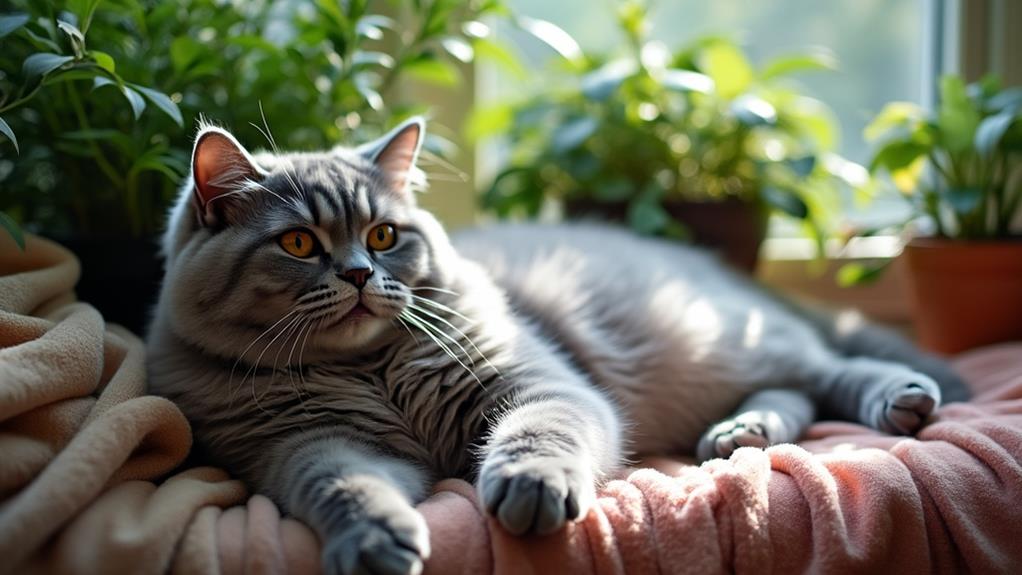
When you initially encounter a British Shorthair, you'll notice their robust and sturdy build, a hallmark of this medium to large-sized breed. Males typically weigh between 10 to 16 pounds, while females range from 8 to 11 pounds. This gives them a substantial and well-balanced appearance. Their distinctively massive, round head is complemented by chubby cheeks and large, round eyes. The eye color can vary depending on their coat, adding to their unique charm.
The British Shorthair's compact body is supported by short, strong legs and round, firm paws. A medium-length tail completes their complete balanced physique. With a calm demeanor, these cats exude an aura of quiet confidence and strength.
One of the most striking features is their dense, plush coat. Known for its firm texture, it requires minimal grooming, with only weekly brushing needed to manage shedding. While the blue coat is perhaps the most iconic, British Shorthairs come in over thirty coat colors and patterns. You'll find them in solid, tabby, and shaded variations, each adding to their visual appeal. Their appearance is not just beautiful but also practical, matching their reserved and undemanding nature.
Coat and Colors
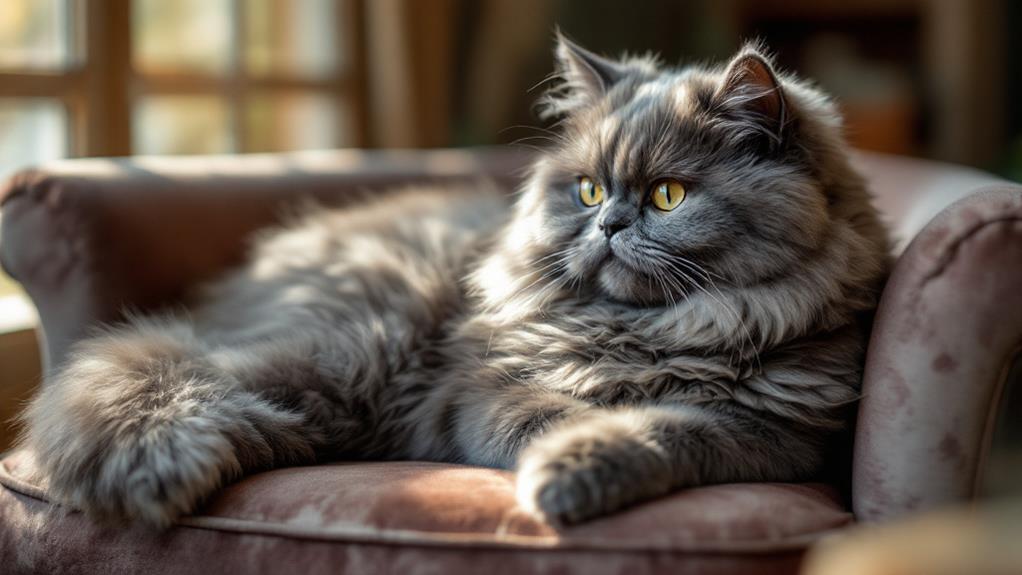
Exploring the coat and colors of the British Shorthair reveals a delightful diversity that goes beyond the classic blue. While you might associate British Shorthairs primarily with their iconic blue coat, they actually sport over thirty different colors and patterns. These include solid hues, lovely tabby patterns, lively parti-colors, and elegant shaded variations. The dense coat of a British Shorthair isn't just for show; it contributes to their charming, teddy bear-like appearance and offers a plush, firm texture.
When it comes to grooming, you'll find British Shorthairs are quite low-maintenance. Thanks to their self-grooming habits, their coats require minimal intervention. A simple weekly brushing will suffice to keep their fur in tip-top shape. However, during shedding seasons, you might need to increase your grooming efforts to manage any loose fur. Luckily, British Shorthairs tend to shed minimally throughout the year, so it's rarely a hassle.
Their short, strong legs and medium-length tail perfectly complement their robust body, enhancing their overall balanced look. With such a variety of colors and a manageable grooming routine, British Shorthairs make a versatile and easy-going addition to any home.
Temperament Traits
Beyond their enchanting coat and colors, British Shorthairs charm with their delightful temperament traits. If you're looking for a feline friend that blends an easygoing nature with a touch of independence, British Shorthair cats are your ideal choice. Their affectionate behavior comes in the form of head bumps and body rubs, offering you love without being overly clingy. This independent nature makes them perfect for people who want a pet that doesn't need constant attention, yet still forms strong bonds with family members.
These cats are naturally reserved, embracing a calm demeanor that helps them fit seamlessly into diverse living situations. Regardless of whether you have a thriving household with children or a peaceful home with other pets, British Shorthairs adapt with grace. They're great family companions, providing a steady presence without overwhelming you with demands.
One of their unique traits is being low vocalizers. They prefer to communicate through actions rather than constant meowing, making them a peaceful supplement to your home. This means you can enjoy their company without the noise typical of more vocal breeds. With British Shorthairs, you'll find a balanced companion that enriches your life with subtle charm.
Care and Grooming
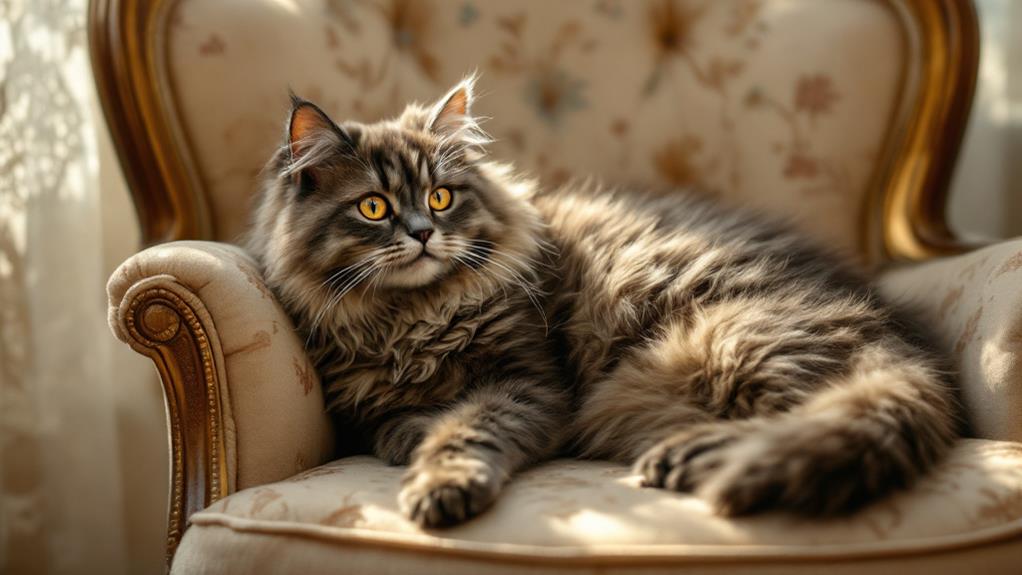
Caring for a British Shorthair doesn't require much effort, thanks to their self-grooming habits. Their dense, plush coat needs minimal grooming, but weekly brushing helps remove loose hair and maintain coat health. During shedding seasons, you should increase brushing to effectively manage hair loss. Regular attention to grooming is fundamental to keep your British Shorthair looking and feeling their best.
Routine grooming tasks you shouldn't overlook include:
- Nail trimming every two weeks to prevent overgrowth and discomfort.
- Ear cleaning to avoid wax build-up and potential infections.
- Dental care to maintain oral health and prevent dental problems.
British Shorthairs are prone to obesity, so monitoring their food intake is significant. Portion control and providing high-quality, suitable food are critical for maintaining their general health. By being mindful of their diet, you can help prevent obesity and related health issues.
Incorporating these grooming and care practices guarantees that your British Shorthair remains a healthy, happy companion. By maintaining their grooming routine and monitoring their diet, you'll support their well-being and enjoy the delightful presence of these reserved and undemanding feline friends.
Dietary Needs
In regard to the dietary needs of your British Shorthair, a few key considerations guarantee they thrive. Initially, a high-quality diet rich in protein is fundamental. It supports their muscular build and keeps them healthy. British Shorthairs aren't the most active cats, so portion control is crucial to prevent obesity, a common issue affecting nearly one in three cats in the U.S. Monitoring their food intake helps them avoid overeating, and treats should only make up 10% of their daily caloric intake to maintain a balanced diet.
Hydration is another important aspect of their diet. Always provide fresh, clean water to promote proper hydration and overall well-being. Water intake supports their health and aids in digestion and nutrient absorption. Despite their stocky appearance, adult British Shorthairs need fewer calories than you might expect, so it's important to establish careful feeding schedules.
Ideally, feed them twice daily to regulate their caloric intake and maintain their weight. This routine helps manage their energy levels and prevents excessive hunger. By focusing on these dietary needs, you'll contribute considerably to your British Shorthair's long-term health and happiness.
Common Health Concerns
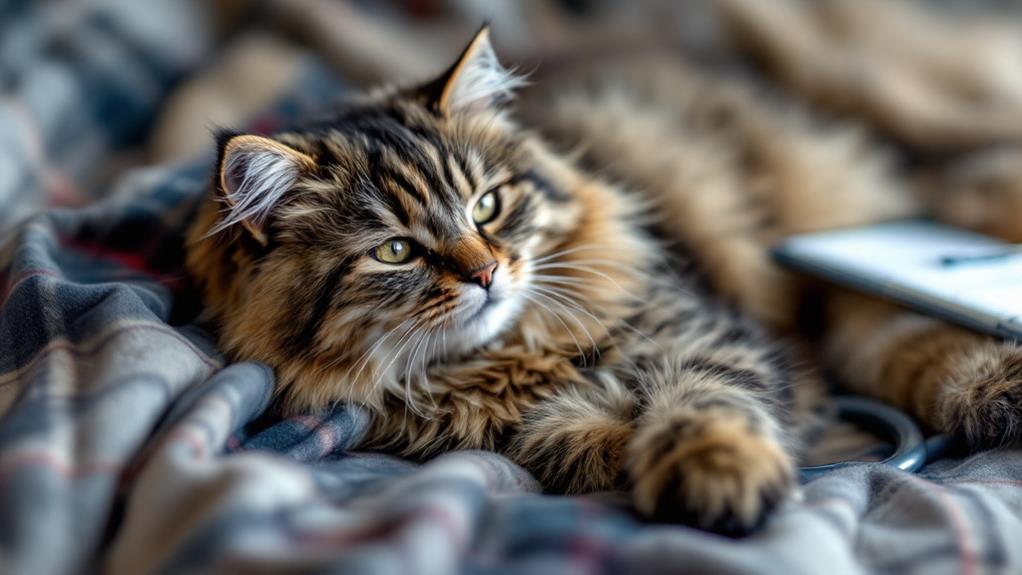
When caring for a British Shorthair, it is imperative to be aware of their common health concerns. These cats, known for their calm demeanor, can face several health issues that require your attention. One notable concern is obesity, a prevalent problem with about one in three cats in the U.S. being overweight. Managing their weight through careful portion control and encouraging regular exercise is fundamental to prevent related health risks like arthritis and diabetes.
Regular veterinary check-ups are crucial for monitoring conditions such as hypertrophic cardiomyopathy (HCM), a heart problem common in the breed. These check-ups also help detect other genetic conditions like Autoimmune Lymphoproliferative Syndrome and Familial Episodic Hypokalemic Polymyopathy. Early detection through genetic testing can greatly improve their quality of life.
Additionally, don't overlook the importance of routine dental care. Oral health can affect your British Shorthair's general well-being. To guarantee your feline companion stays healthy:
- Monitor their weight gain to avoid obesity-related issues.
- Schedule regular veterinary check-ups for early detection of HCM and other conditions.
- Maintain consistent dental care to prevent dental diseases.
Ideal Living Environments
Understanding their common health concerns helps you create the best living environment for your British Shorthair. These cats adapt well to both apartments and larger homes, provided they have enough space to move comfortably. Their calm and easygoing nature makes them thrive in ideal living environments with minimal stress and noise. It's crucial to maintain a peaceful home, as British Shorthairs appreciate tranquility.
They're well-suited for families or individuals with a more sedentary lifestyle since they enjoy interactive play without needing excessive exercise. This makes them perfect companions for those who prefer a relaxed atmosphere. Furthermore, their compatibility in multi-pet households is improved by their ability to interact with children and other pets, as long as introductions are handled properly.
To guarantee their safety, a safe indoor environment is recommended. British Shorthairs can be a bit clumsy, so keeping fragile items out of their reach can prevent accidents. Providing them with a secure, stimulating space indoors will help keep them content and safe. By understanding these needs, you can offer your British Shorthair Cat an environment where they'll flourish and feel at home.