Birman Cat: The Affectionate but Soft-Spoken Long-Haired Beauty
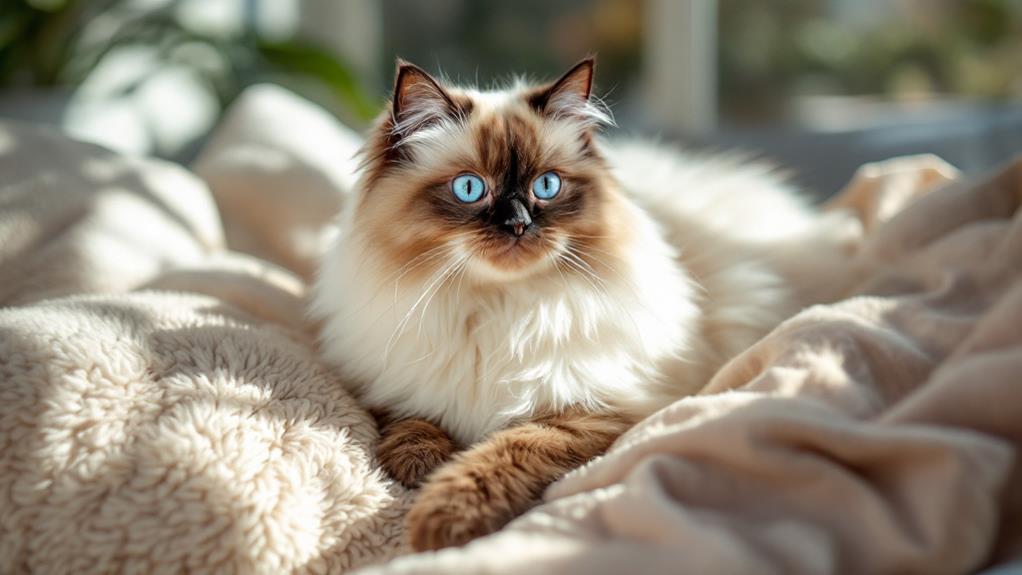
Birman cats captivate you with their striking blue eyes and silky, semi-long fur, adorned with unique color-pointed patterns and charming white gloves. These medium to large cats are affectionate companions, known for their calm and loving nature, making them perfect for families. Weekly grooming keeps their coat stunning and reduces the chance of matting. They thrive on a high-protein diet with portion control to avoid obesity. Exercise and mental stimulation keep them happy and healthy. With origins linked to Burmese temple cats, Birmans carry a royal charm. Uncover more about this enchanting breed and its fascinating history.
Birman Cat Characteristics
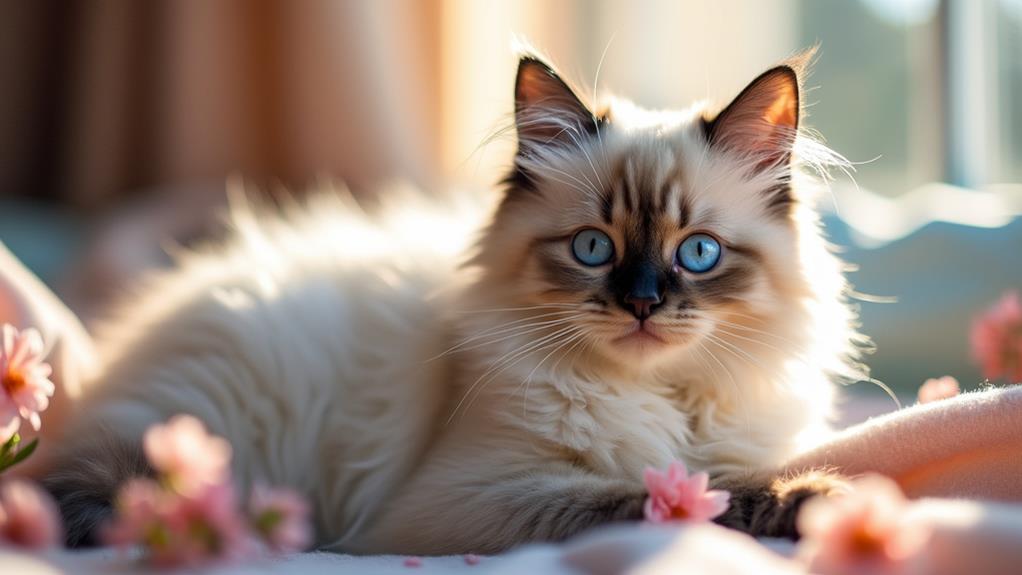
When considering the Birman cat, you'll immediately notice their striking blue almond-shaped eyes, which are just one of their many enchanting features. As a medium to large breed, Birmans typically weigh between 8 to 12 pounds, with males usually being larger than females. Their semi-long, silky fur showcases a distinctive color-pointed pattern, complemented by unique white "gloving" on their paws. This attractive appearance is further improved by their broad head, full cheeks, and Roman-shaped nose.
Birmans are renowned for their affectionate nature and gentle temperament. They thrive on companionship and love interacting with their human family members. You'll find them to be playful and curious, often exploring their surroundings with moderate energy levels. Regular playtime and mental stimulation are crucial for keeping them happy and engaged. Despite their playful side, they adapt well to different living environments, making them suitable for various types of households.
If you're looking for a cat with a sweet disposition, the Birman's calm and loving demeanor makes them an excellent choice. Their enchanting blue eyes will captivate you, while their friendly and curious nature guarantees they become cherished family members.
Grooming and Maintenance
Grooming your Birman cat is critical to keeping their coat soft and silky, requiring at least weekly sessions to prevent matting. Regular grooming is especially significant during their spring shedding period, when more frequent sessions help manage the extra loose hair. Using a metal comb is your best bet, as it effectively removes loose fur and reduces shedding around your home. While grooming, remember Birmans can be sensitive around their belly, so patience and gentle strokes are fundamental.
In addition to coat care, maintaining your Birman's dental health is crucial. Regularly brushing their teeth prevents bad breath and helps avoid dental issues. Consistency in dental maintenance is just as significant as coat grooming.
Don't overlook the significance of litter box maintenance, either. Keeping the litter box clean guarantees a hygienic environment and a comfortable space for your Birman.
Feeding Your Birman
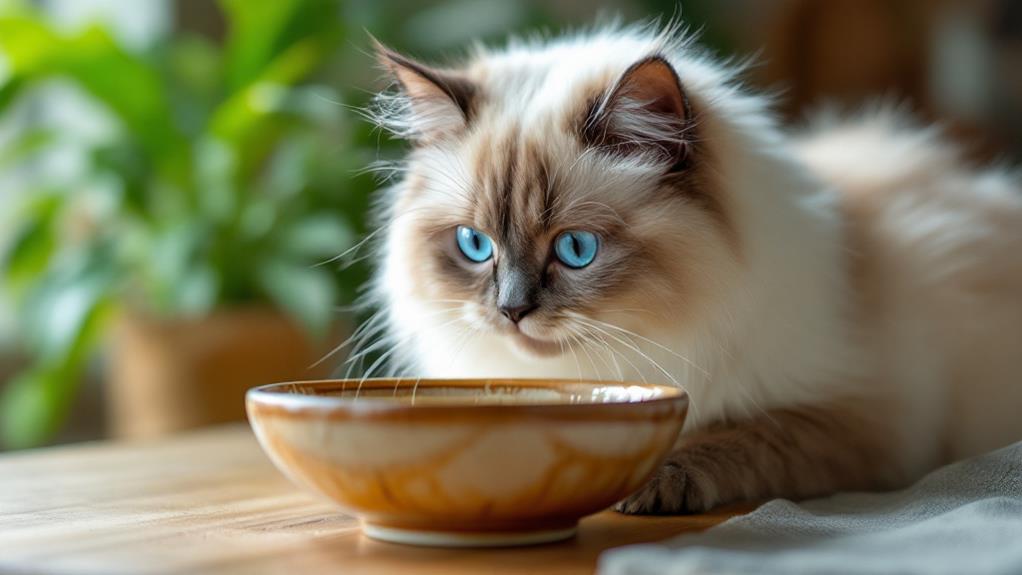
Feeding your Birman cat effectively is important to their health and well-being. As obligate carnivores, Birmans thrive on a high-protein diet that meets their nutritional needs. Providing high-quality cat food guarantees your feline friend maintains ideal cat health. Birmans are prone to obesity, so it's essential to monitor their portion sizes carefully. Treats should make up no more than 10% of their daily caloric intake to prevent weight gain.
Always have fresh water available, ideally placed three feet away from their food dish. This encourages them to drink more, which is crucial for their general hydration. Consider using a filtered fountain, as it can entice your Birman to drink more frequently.
When it comes to feeding kittens, remember they require specific nutrients for their growth. Confirm their diet is tailored to their life stage, providing all the necessary components they need to develop into healthy adults. As your Birman matures, adjust their diet to suit their changing nutritional needs. This approach helps prevent obesity and supports them throughout their life. By focusing on these feeding practices, you contribute greatly to your Birman's long-term health and happiness.
Exercise and Play Needs
A significant aspect of maintaining your Birman's well-being is ensuring they get enough exercise and play. These affectionate cats require moderate exercise, and interactive play is imperative for keeping them healthy and preventing obesity. Birmans are highly intelligent and thrive on mental stimulation, so incorporating activities like fetch can showcase their playful nature. By engaging with your Birman through play, you're not only satisfying their exercise needs but also reinforcing the affectionate bond between you.
To keep your Birman engaged, regular playtime with a variety of toys is fundamental. Their curiosity demands fulfillment, and different toys help to maintain their interest and enthusiasm. Climbing and exploring are also important components of their play routine. You can improve their play experience by providing scratching posts and climbing structures, allowing them to indulge in their natural instincts.
Engaging with your Birman during playtime is more than just an exercise routine; it's an opportunity to connect with them on a deeper level. Your involvement makes them feel loved and valued, reinforcing their affectionate nature. With the right balance of exercise and interactive play, your Birman will lead a happy, healthy life.
Health and Wellness
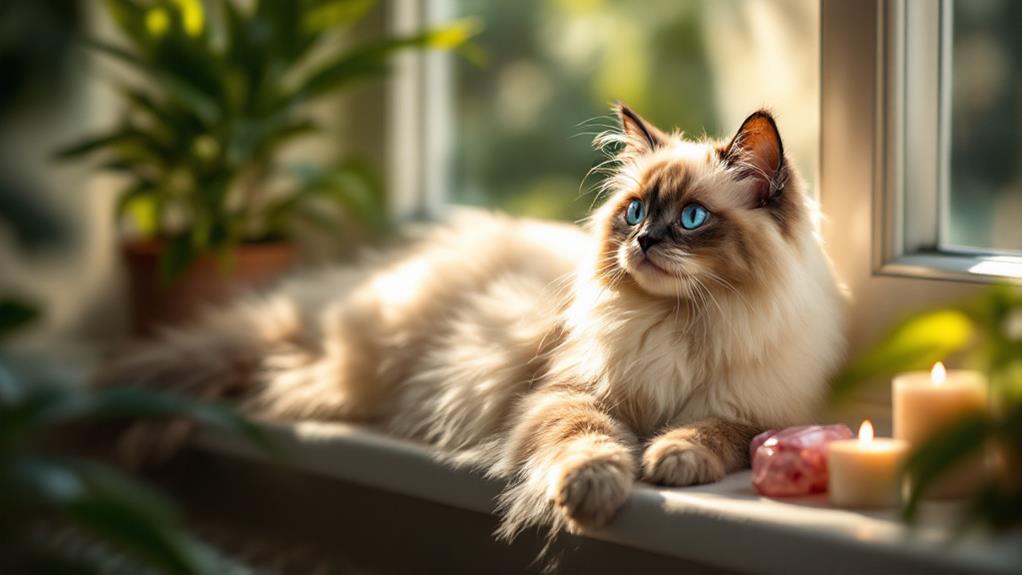
Maintaining your Birman's health and wellness involves several key practices to guarantee they lead a long and healthy life. Regular veterinary check-ups are vital for early detection of health issues like hypertrophic cardiomyopathy (HCM) and feline infectious peritonitis (FIP), which can greatly impact their health. Monitoring your Birman's weight is fundamental due to their susceptibility to obesity. Providing a high-protein diet and encouraging regular exercise can help prevent obesity-related complications and keep them in peak shape.
Grooming is another significant aspect of maintaining your Birman's health. Regular brushing, at least once a week, helps keep their long, beautiful coat in prime condition, reduces shedding, and allows you to check for skin issues or parasites. Dental care is similarly important; brushing your Birman's teeth regularly can prevent periodontal disease and maintain fresh breath, contributing to their comprehensive wellness.
Additionally, be aware of potential genetic health issues like hemophilia. Before any surgical procedures, pre-surgical blood tests can assess your Birman's clotting ability, guaranteeing their safety. By focusing on these health aspects, you can assure your Birman enjoys a fulfilling and healthy life for many years.
Social Traits and Behavior
Birman cats are known for their affectionate nature, often forming strong bonds with their human companions. You'll find them following you around the house, always enthusiastic for some companionship. Their sociable and gentle demeanor makes them excellent pets for both families and individuals. Birmans are playful yet calm, striking a balance that's both charming and easy to manage. They're not overly demanding but love engaging in interactive playtime, which helps maintain their physical and mental well-being.
Despite their sociable nature, Birmans can be a bit reserved with strangers. They prefer familiar interactions, thriving on the warmth and comfort of their family members. This reserved behavior can be managed with early socialization. Introducing them to diverse environments and people early on is essential for fostering well-rounded behavior. You'll notice that Birmans often use soft meows to communicate their needs, a trait that adds to their gentle charm.
With the right balance of affection and play, Birmans can become an integral part of your household. Their unique combination of sociability, gentle demeanor, and playfulness will make every day with them a delight.
Training Tips
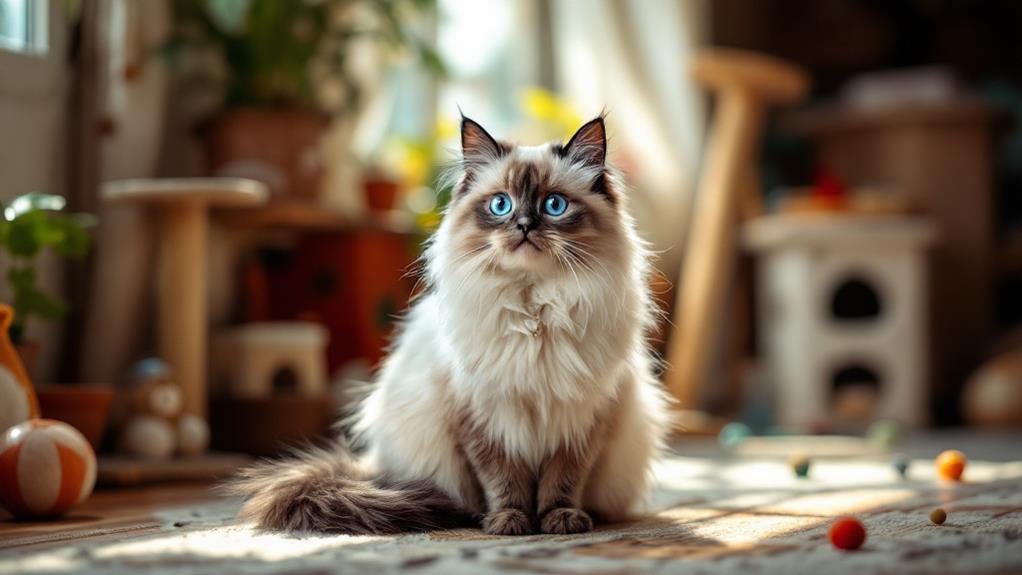
Being highly intelligent and enthusiastic to please, Birmans respond well to training when you use positive reinforcement techniques. During training sessions, reward your Birman with treats or affection whenever they follow a command or perform a trick. This approach not only strengthens your bond but also encourages them to repeat desired behaviors. Start with basic commands and gradually introduce more complex tricks like fetch, keeping each session short to maintain their interest.
Early socialization is vital for your Birman's development. Expose them to different environments, people, and other pets to improve their adaptability. This experience helps them become well-adjusted and confident in different situations. Interactive playtime is fundamental, as it aids in meeting their moderate exercise needs and provides mental stimulation. Incorporate puzzle toys into their routine to challenge their intelligence and prevent boredom.
Litter box training is usually intuitive for Birmans. Make sure the litter box is clean and accessible, which encourages consistent use. If you notice any issues, consider if the box is placed in a convenient location. By combining these training tips with love and patience, you'll raise a happy and well-behaved Birman.
Choosing a Birman Kitten
When you're ready to welcome a Birman kitten into your home, focus on finding a reputable breeder committed to health and quality. Health-focused breeders prioritize genetic testing on the parents to guarantee your kitten's health and temperament. This step is vital for avoiding potential hereditary issues. As you investigate your options, keep in mind that Birman kittens are naturally playful and curious, traits that make early socialization fundamental for developing their behavior.
Birmans are unique in that they're born white and gradually develop their color points over several months. Be prepared for these visual changes as your kitten matures, revealing their distinct beauty. The typical price for a Birman kitten ranges from $400 to $1,000, depending on pedigree and breeding quality.
Finding a Birman kitten in shelters is rare, so it's wise to use reliable options such as Petfinder or contact local breeders directly. This approach guarantees you connect with sources dedicated to the breed's well-being. By prioritizing reputable, health-focused breeders and understanding the kitten's developmental stages, you'll set the stage for a long, happy relationship with your new Birman companion.
History and Origins

In the domain of feline history, the enchanting origins of the Birman cat trace back to Burma, where they were revered as sacred temple companions linked to the goddess Tsim-Kyan-Kse. These sacred cats, often referred to as the "sacred cat of Burma," were believed to be guardians of the temples. A mesmerizing legend tells of a white temple cat named Sinh, who transformed into a Birman with striking markings after his priest companion passed away, setting the stage for the breed's unique appearance.
Birman cats' history took a significant turn following World War II. The breed faced near extinction, with only two surviving cats in France. These resilient felines became the foundation for reviving the breed, showcasing their enduring appeal. Official recognition in France came in 1925, after which the breed made its way to the UK and USA during the 1960s, gaining widespread admiration.
The genetic lineage of Birmans is thought to have ties to Siamese cats, contributing to their distinct look and gentle demeanor. As a breed, Birman cats have enchanted the hearts of many, evolving from sacred temple guardians to cherished companions worldwide.
Common Myths and Facts
Among the many beliefs surrounding Birman cats, several myths persist that can lead to confusion. One common myth is that the Birman cat breed is hypoallergenic. While they shed less than some other cats, they're not hypoallergenic. Their sweet and affectionate nature often leads them to follow their owners around, making them seem like the perfect companion for allergy sufferers—but sadly, that's not the case.
Another misconception is confusing Birmans with Ragdolls. Though they share a similar appearance, they have different lineages and temperaments. Birmans are less prone to matting, making them relatively easy to groom, but they still require regular maintenance to keep their coats silky.
People often believe all Birmans are lap cats. However, their personalities can vary widely. Some may prefer playful activities over curling up for a cuddle. It's also significant to note that Birmans change colors as they mature, adding to their distinctiveness.
Lastly, watch out for their tendency to gain weight. Like many cats, Birmans can become prone to obesity if overfed, so monitor their diet carefully. Understanding these common myths and facts helps you appreciate your Birman more fully.