Best Dog Breeds for Herding: Top Dogs for Working and Farm Life
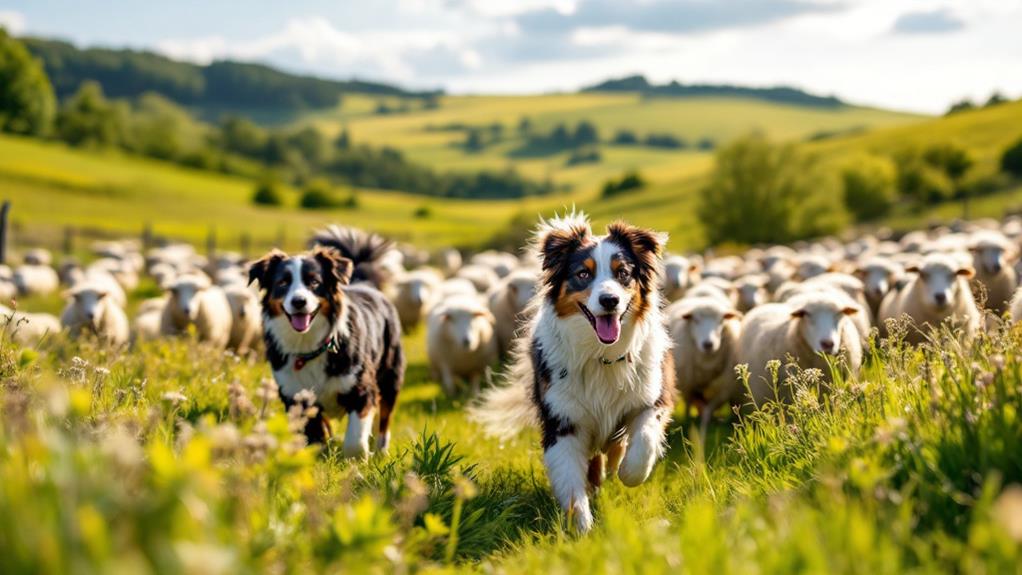
When you're looking for the best herding dogs for farm life, consider the Border Collie for its agility and intelligence, or the Australian Cattle Dog for its alertness and energy. The Australian Shepherd's adaptability makes it a versatile worker and family pet, while the Pembroke Welsh Corgi offers powerful herding abilities in a smaller package. Livestock protection breeds like the Great Pyrenees and Anatolian Shepherd provide excellent guarding capabilities. Crossbreeds like the Cowboy Corgi can blend herding skills with companionship. Each breed excels in its unique role, so understanding their traits can improve your farming experience even further.
Top Herding Breeds
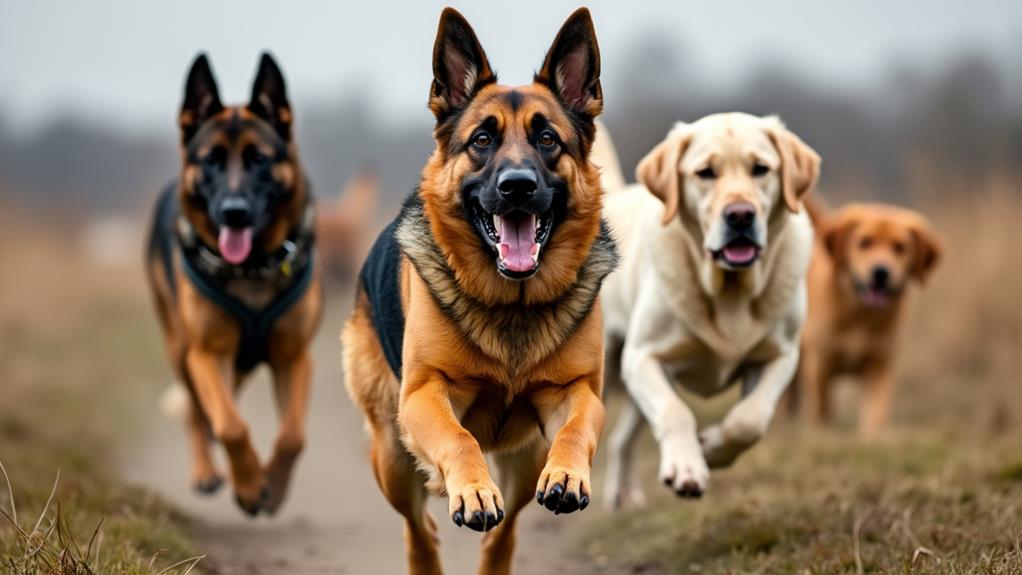
When exploring top herding breeds, you'll come across some truly remarkable dogs that excel in this demanding role. Among these, the Border Collie stands out as the epitome of intelligent dogs. Renowned for their exceptional agility and problem-solving skills, they require plenty of exercise and mental stimulation. As working dogs, Border Collies are unmatched in herding livestock, making them a top choice for those seeking dedicated herding dog breeds.
Another stellar breed is the Australian Cattle Dog, commonly known as "Heelers." These dogs are alert, reliable, and thrive in rugged environments. Their nipping behavior helps them effectively guide livestock, and they need substantial physical activity to stay content.
The Australian Shepherd is another fantastic option. This breed is energetic, intelligent, and boasts a strong work ethic. They adapt well to diverse living situations and are excellent family pets, though they require regular grooming.
Lastly, the Pembroke Welsh Corgi, despite its small size, remains a powerful herding dog. Agile and affectionate, Corgis maintain a strong herding instinct and are known for being good with families and other pets. With these breeds, you're sure to find the perfect working dogs for your herding needs.
Livestock Protection Dogs
Livestock protection dogs play an essential role in safeguarding animals from predators. These dedicated breeds, like the Great Pyrenees and Anatolian Shepherd, are specifically bred to protect livestock with their strong protective instincts and unwavering loyalty. The Great Pyrenees is well-known for its gentle yet vigilant nature, making it a reliable choice for guarding livestock. Likewise, the Anatolian Shepherd is a robust and fearless guardian, ideal for keeping predators at bay.
The Maremma Sheepdog is gaining popularity due to its devoted nature and effectiveness in protecting flocks, especially when trained early. Its strong bond with the livestock makes it an excellent guardian. On the other hand, the Komondor, with its unique corded coat, has historically been used for guarding sheep in Hungary, offering superb protection against potential threats.
Training and socialization are vital for these livestock protection dogs. Starting early helps them develop the necessary skills for effective guarding while guaranteeing a good temperament with humans and other animals. Regular training reinforces their innate protective instincts, making them more adept at their roles. By investing time in their training and socialization, you guarantee these dogs become invaluable assets to your farm life.
Crossbreed Farm Companions
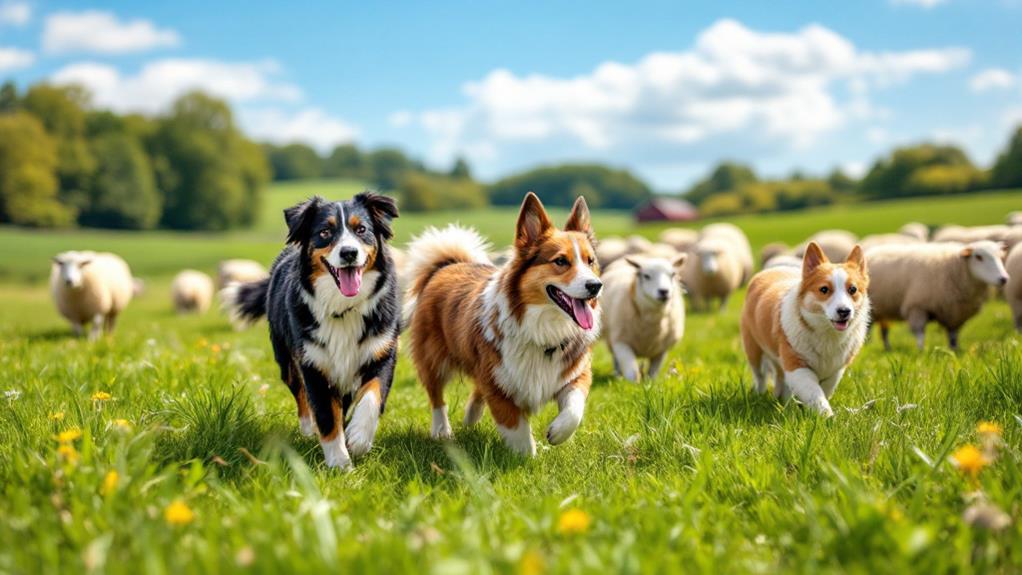
While livestock protection dogs focus on guarding against predators, crossbreed farm companions bring a unique blend of skills to herding and farm tasks. These breeds combine the best traits from diverse working dogs, making them versatile assets in farm life. Take the Hangin Tree Cowdog, for example. This crossbreed merges qualities from Border Collies, Catahoulas, Kelpies, and Australian Shepherds, excelling in livestock handling with its aggressive herding and intelligence.
Then there's the Black Mouth Cur, originating from the southeastern U.S. Known for its strong herding instincts and fearless nature, this breed acts as both a protector and livestock handler. Another interesting mix is the Cowboy Corgi, a blend of Corgi with Heeler or Aussie breeds. Despite its small size, this energetic dog retains effective herding instincts and makes an excellent companion for active families.
Crossbreed farm dogs thrive on structured routines and require proper training to channel their instincts effectively. Their strong work ethic, loyalty, and adaptability make them suitable for different farm roles. Regardless of herding, guarding, or companionship, these crossbreeds improve the efficiency and joy of farm life.
Selecting a Farm Dog
Choosing the right farm dog means considering several key factors to guarantee they fit your specific needs. Start by prioritizing breeds with strong herding instincts, like the Border Collie or Australian Cattle Dog. These herding dogs are bred for livestock management and thrive in working environments. Assess the dog's energy level and temperament, ensuring they can handle the physical demands of farm life. High-energy working dogs like these excel when they have tasks to perform.
Consider the specific jobs you need your farm dog to tackle. If herding is a priority, the Pembroke Welsh Corgi might be a perfect fit. For guarding duties, a Great Pyrenees could serve as a reliable guard dog. Evaluate the dog's adaptability to rural settings, particularly their ability to work with livestock and navigate outdoor environments. Breeds like the Australian Shepherd and Belgian Malinois are known for their versatility in these areas.
Early training and socialization are essential. They help channel your dog's instincts positively and establish a productive working relationship. A well-trained farm dog not only meets your needs but also integrates harmoniously into the farm ecosystem, enhancing productivity and safety.
Caring for Working Dogs
Caring for working dogs involves more than just providing food and shelter; it requires a thorough approach to guarantee their well-being and effectiveness. Regular veterinary check-ups are essential for monitoring their health and addressing any breed-specific conditions that might arise from their rigorous activities. These visits help ensure that your working dog stays in top shape and can perform its duties efficiently.
A balanced diet tailored to your dog's stage, size, and activity level is vital. By meeting their energy needs, you'll maintain their optimal health and performance. Grooming is another key aspect, especially for breeds with longer or thicker coats, to prevent matting and skin issues. Even short-haired breeds benefit from regular brushing to maintain a healthy coat.
Mental stimulation is crucial to prevent boredom and potential behavioral issues. Engage your dog with training exercises, interactive toys, and varied tasks to keep their mind sharp and focused. Socialization from a young stage with other animals and people guarantees they develop a balanced temperament, allowing them to effectively perform their roles on the farm. By addressing these needs, you ensure your working dogs thrive in their environment.