Best Cat Breeds for Emotional Support: Feline Companions for Comfort
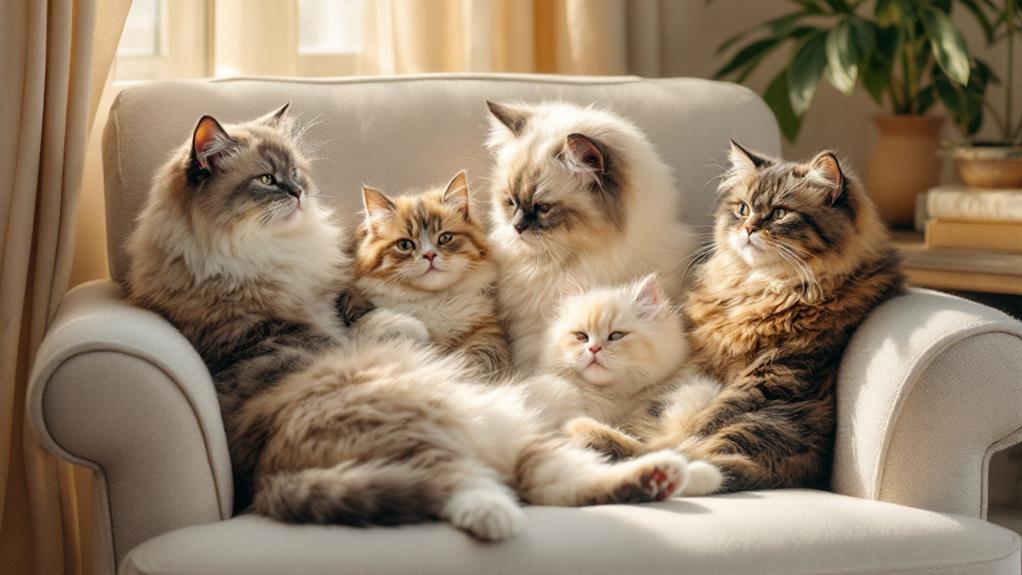
If you're looking for an emotional support cat, consider breeds that naturally offer comfort and companionship. Ragdolls have a calm demeanor and bond closely with their owners. Maine Coons are sociable and family-friendly, while Siamese cats engage with their vocal and interactive nature. Russian Blues provide quiet affection for those who prefer a more independent pet. Meanwhile, Burmese cats are known for their strong emotional connections and hypoallergenic qualities. Each of these breeds can greatly improve your emotional well-being by providing soothing companionship. You might just find more about how these feline friends can positively impact your life.
Understanding Emotional Support Cats
Emotional Support Cats (ESAs) play a vital role in providing comfort and relief to individuals dealing with mental health issues like anxiety and depression. These affectionate companions are a good choice for those seeking to alleviate mental health symptoms through companionship and affection. Unlike service animals, Emotional Support Cats don't require specialized training. Instead, their natural ability to provide emotional support makes them ideal for promoting general well-being.
Interacting with an emotional support cat can greatly reduce feelings of stress and anxiety, enhancing your emotional stability. Research shows that their presence alone can help you manage emotional distress, making them a valuable addition to your life. If you're considering an ESA, it's important to select an emotional support cat breed that aligns with your lifestyle and needs. Certain breeds are known for their affectionate and comforting nature, offering the companionship you need to navigate challenges.
Before choosing a cat, consult a licensed mental health professional to verify that an ESA is a suitable option for you. With the right cat, you'll find comfort and support, creating a soothing environment that helps you face daily stresses with greater ease.
Legal Considerations for ESAs
When considering an emotional support cat, understanding the legal aspects surrounding emotional support animals (ESAs) is fundamental to guarantee a smooth experience. ESAs don't have the same public access rights as service animals, but under the Fair Housing Act, they are protected in housing situations. This means landlords must provide housing accommodations without charging pet fees or deposits, provided you have a valid ESA letter.
To obtain an ESA letter, you'll need to establish a therapeutic relationship with a licensed mental health professional. For example, in California, this relationship must last at least 30 days before the professional can issue the letter. This letter is imperative for securing your rights to housing accommodations.
It's important to be aware of state-specific regulations, as these can affect the documentation and certification process for ESAs. Misrepresenting an animal as an ESA can lead to serious legal consequences, including fines and possible eviction. This makes it essential to verify all your documentation is accurate and complete.
Top Cat Breeds for Support
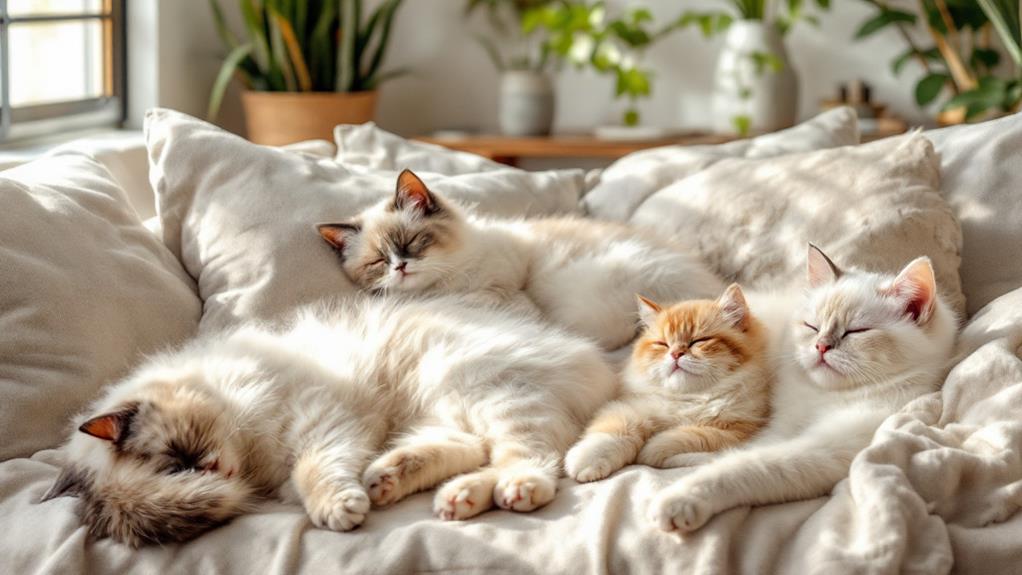
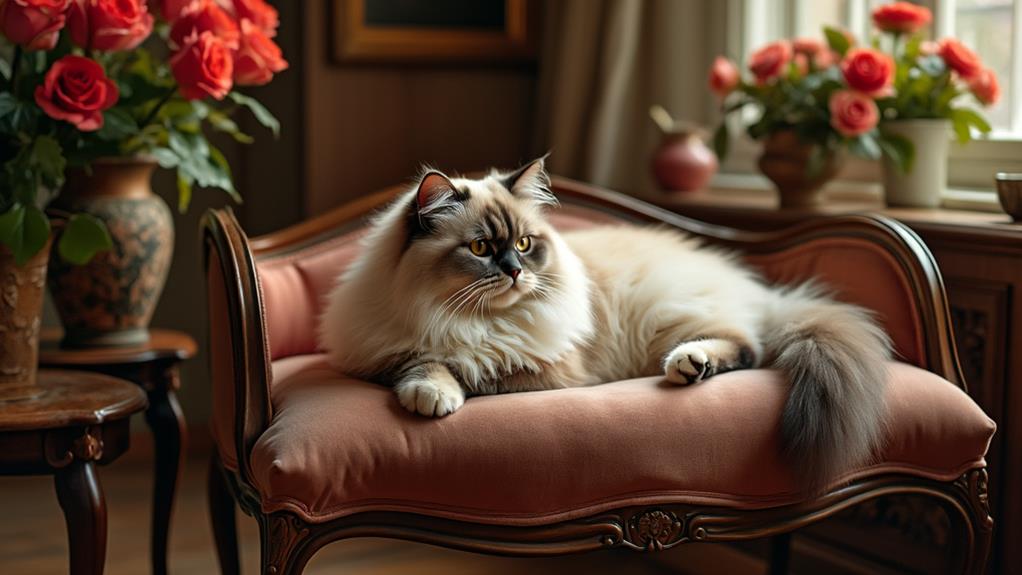
Are you searching for the perfect feline companion to provide emotional support? Consider these top cat breeds known for their affectionate nature and ability to comfort. Ragdolls stand out with their calm demeanor and deep bonding capabilities. Their long lifespan of 15-20 years guarantees they'll be a loyal companion for the long haul, making them ideal for emotional support.
Maine Coons, often called "gentle giants," weigh between 8-30 pounds and are perfect for families due to their friendly disposition. Their sociable nature makes them excellent feline companions for those needing comfort.
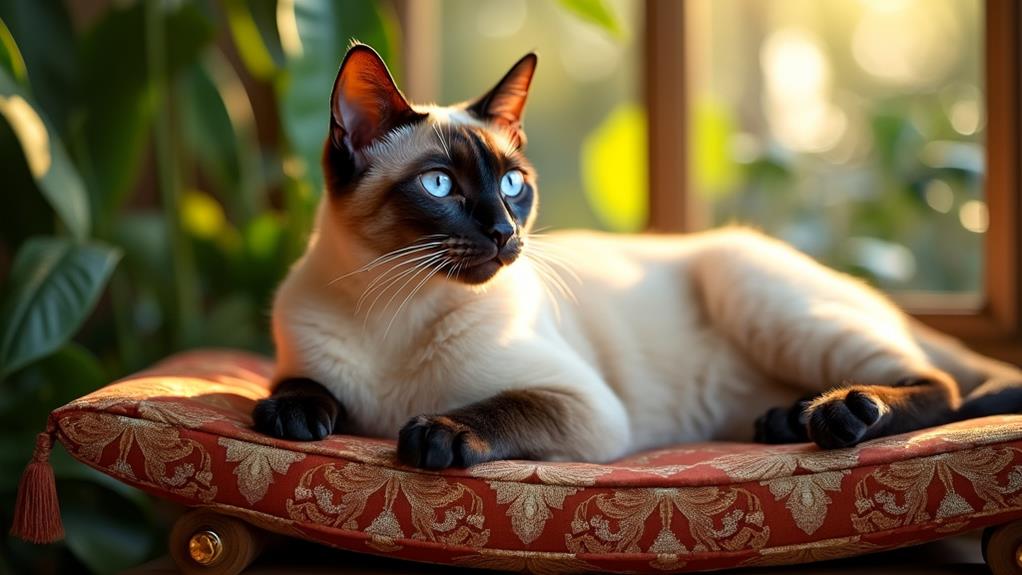
If you prefer a more vocal and interactive pet, Siamese cats might be your match. They're known for their social and affectionate traits, with a sleek silver-gray coat that's visually striking. They thrive on interaction, offering emotional support through their engaging presence.
For those who value independence, Russian Blues provide quiet affection. They feature a low-shedding gray-blue coat, making them a great choice for independent owners. Finally, Burmese cats offer strong emotional connections with their hypoallergenic qualities and low grooming needs, guaranteeing they're excellent companions for those seeking emotional support. Each of these breeds offers unique qualities to match your emotional needs.
Adoption Tips for ESA Cats
Choosing the right cat for emotional support involves evaluating your lifestyle and living situation to find a breed that matches your available time, space, and resources for care. It's crucial to take into account adopting from local shelters or rescues. These places often have cats in need of homes and allow you to bond during the selection process, guaranteeing a good match for companionship.
When looking for an emotional support animal (ESA), research cat breeds known for calm and affectionate temperaments. Breeds like Ragdolls or Maine Coons are renowned for their emotional support abilities, providing you with the affection and companionship needed.
Here are some tips to guide your adoption process:
- Visit local shelters: You'll find diverse cat breeds and can interact with them to assess their temperament.
- Prepare for care: Regular vet visits, grooming, and meeting their emotional needs are crucial.
- Secure an ESA letter: Obtain this documentation from a licensed mental health professional for housing and travel.
- Take into account long-term bonding: Confirm the breed fits your lifestyle, allowing for a nurturing relationship.
Benefits of Cat Companionship
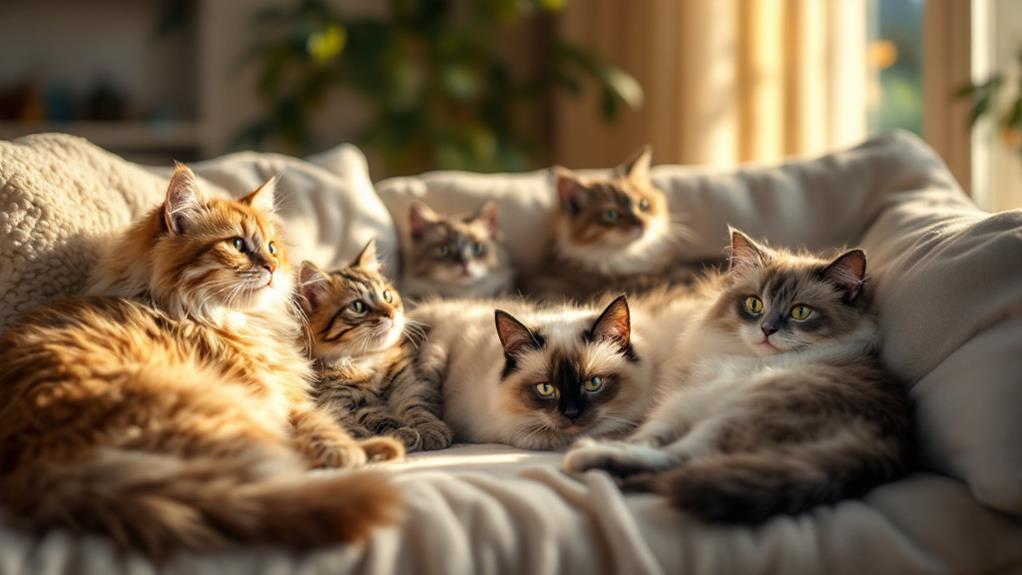
After selecting the perfect emotional support cat, you'll soon experience the profound benefits of cat companionship. Cats have an incredible ability to improve your emotional well-being. Their comforting presence can greatly reduce feelings of loneliness and isolation, lowering anxiety and stress levels. When you interact with your feline friend, you may notice a sense of calm wash over you, thanks to the release of oxytocin, a hormone known for its stress-reducing properties.
The therapeutic effects of a cat's purring shouldn't be underestimated, as studies show it can lower blood pressure and promote relaxation. This affectionate sound creates a soothing atmosphere, helping you unwind after a stressful day. Additionally, the companionship of a cat encourages routine and responsibility, which is particularly beneficial if you're struggling with mental health challenges. Caring for your cat requires daily engagement, increasing your physical activity and fostering a sense of purpose.
Incorporating a cat into your life can improve not only your mental health but also your physical health. Their companionship offers a unique blend of comfort and therapeutic effects, making them ideal partners in promoting relaxation and emotional well-being. Welcome the affectionate bond and enjoy the myriad benefits of cat companionship.
How to Certify Your Cat
Certifying your cat as an Emotional Support Animal (ESA) involves obtaining a valid ESA letter from a licensed mental health professional. This letter is vital for legal protections, especially regarding housing and travel accommodations. The certification process typically begins with a consultation where the professional evaluates your mental health condition and how your cat contributes to your emotional well-being.
Here's what you need to know:
- Consultation: Schedule a meeting with a licensed mental health professional to discuss your mental health and the support your cat provides.
- ESA Letter: Obtain an official letter that confirms your need for an ESA, which provides significant legal protections.
- Validity and Updates: Confirm your ESA letter is updated annually or as required by your housing provider to maintain its validity.
- Legal Compliance: Avoid misrepresenting your cat as an ESA, as this can lead to serious legal consequences.
While there is no official registry for Emotional Support Animals, having a valid ESA letter is significant. This letter not only supports your emotional well-being but also guarantees you have the necessary legal protections. Remember, following the proper procedures is important in certifying your cat correctly.