Best Cat Breeds for Apartment Living: Quiet and Adaptable Cats
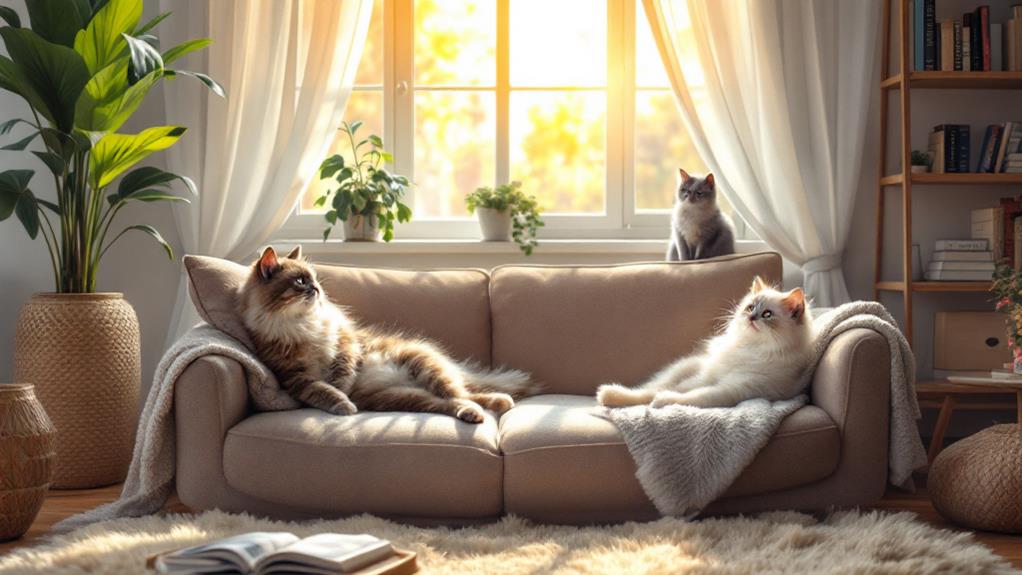
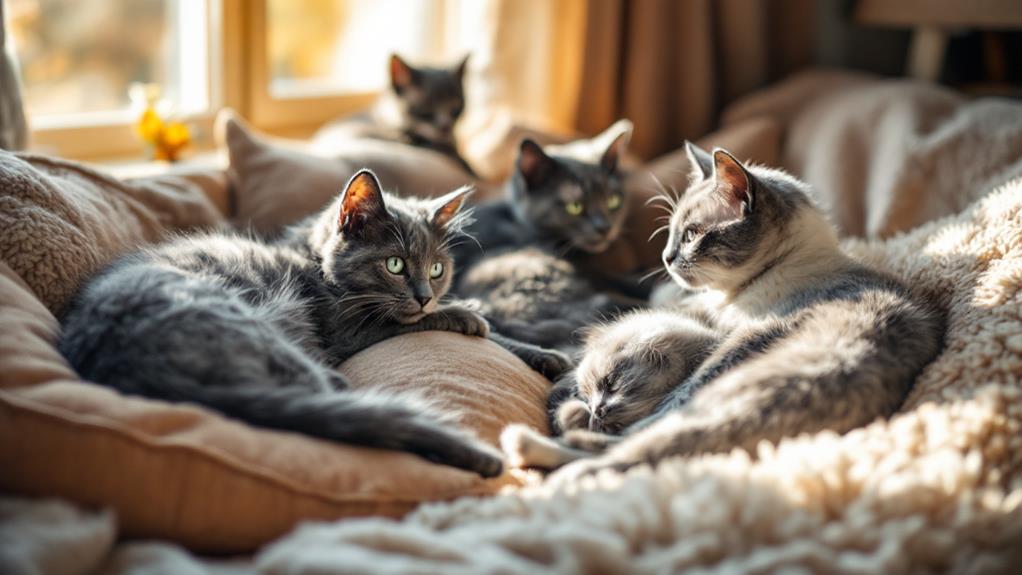
When choosing a cat for apartment living, look for breeds known for their calm, quiet, and adaptable traits. British Shorthairs and Scottish Folds are perfect with their easygoing natures, while Persians and Ragdolls are content in small spaces due to their low energy levels. American Shorthairs offer a friendly presence without needing much space. Avoid high-energy breeds like Bengals or Siamese, which may feel restricted and unhappy in apartments. Make sure you've got necessities like sturdy litter boxes and engaging toys. Creating a safe and enriching environment will keep your new feline friend happy and relaxed. Identify which breeds suit you best.
Ideal Traits for Apartment Cats
When choosing a cat for apartment living, you'll want to focus on a few key traits to guarantee a harmonious environment. Cat breeds that thrive in smaller spaces often exhibit calm and low energy levels, which are essential for creating a peaceful home. Calm cats like the British Shorthair and Persian are perfect examples, as they tend to be more laid-back and less likely to cause disturbances in your living quarters.
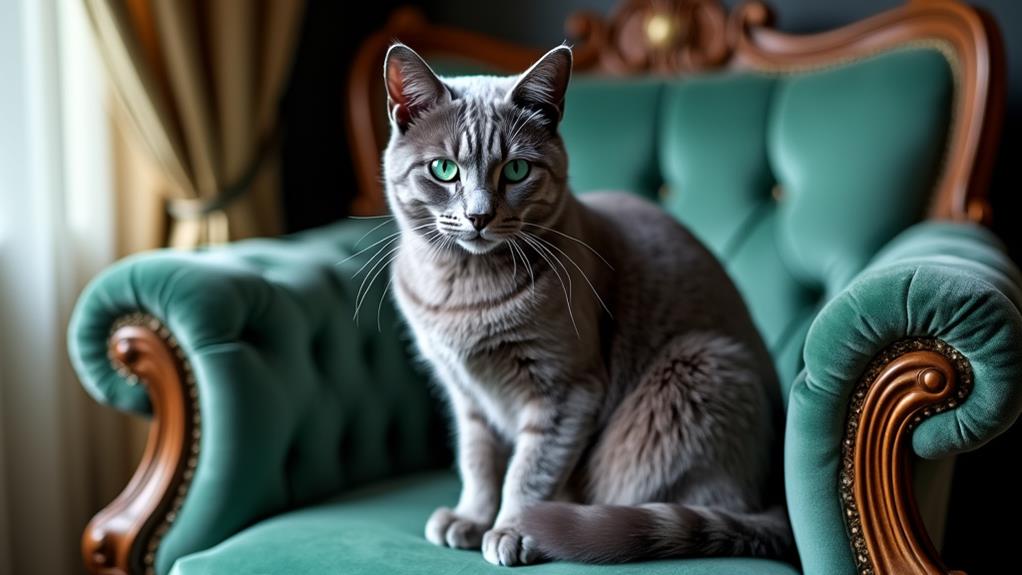
In addition to calmness, a quiet demeanor is another significant trait. Cats with this characteristic, such as the Russian Blue, contribute to a serene atmosphere, making them ideal for apartments where noise can easily travel. You'll also appreciate adaptable cats that adjust well to the confined spaces typical of apartment living, ensuring they're comfortable and content in their surroundings.
Consider a cat's ability for self-entertainment too. Breeds that can entertain themselves, like the British Shorthair, reduce the demand for constant attention, which is beneficial for busy owners. These cats can independently engage in play, providing them the stimulation they need without relying solely on you. By prioritizing these traits, you'll find a feline companion well-suited for apartment life.
Top Cat Breeds to Consider
Finding the right cat breed for apartment living can make all the difference in creating a cozy home environment. British Shorthairs are perfect for smaller spaces due to their adaptable nature and calm demeanor. They don't require much activity, making them an easygoing companion for apartment dwellers. Likewise, Persian cats thrive in apartments as they prefer lounging over play. Their low energy levels and gentle temperament make them a quiet presence in any home.
If you're looking for a sociable and affectionate companion, Ragdolls are an excellent choice. They enjoy interacting closely with their owners and don't demand excessive space, making them ideal for apartment living. Scottish Folds also thrive in smaller homes due to their adaptable personalities. They enjoy routines and need minimal exercise, fitting seamlessly into apartment life.
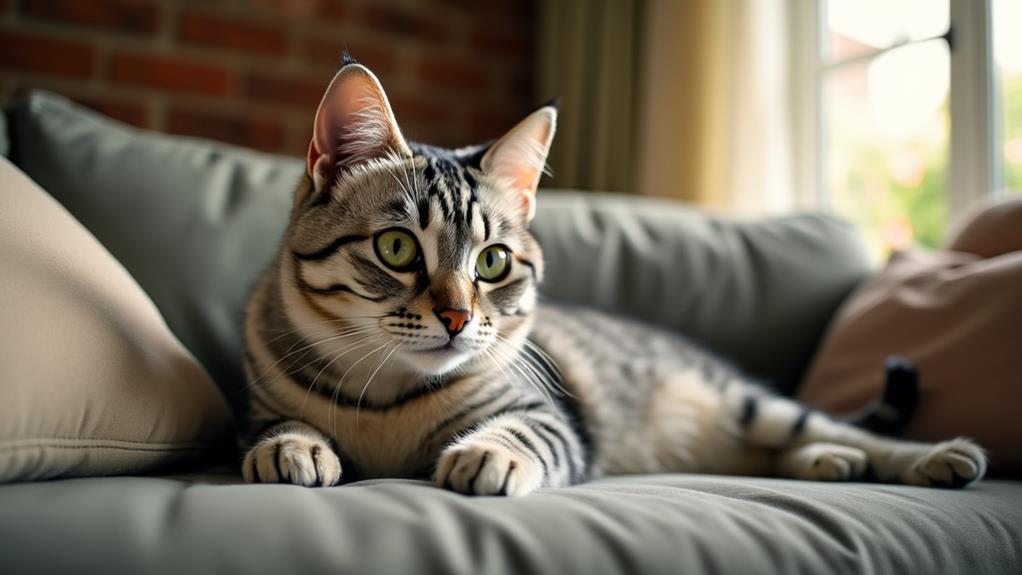
American Shorthairs are another breed to reflect upon. Friendly and low-maintenance, they adapt well to apartment settings. Their love for lounging and moderate grooming needs make them suitable for both families and individuals. Each of these breeds offers unique qualities that cater to the demands of apartment living, ensuring you have a happy and harmonious living space with your feline friend.
Breeds Less Suited for Apartments
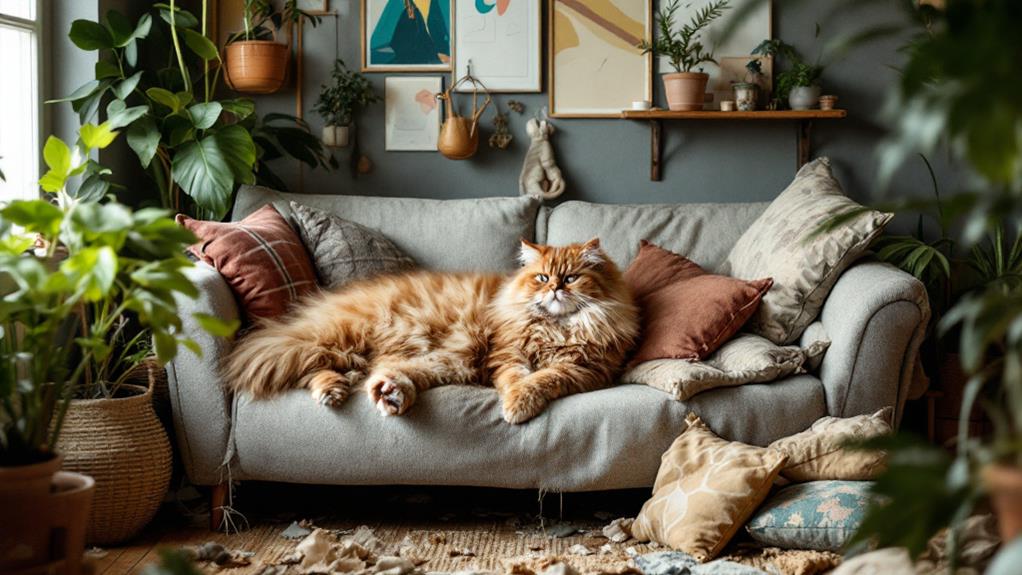
While some cat breeds are perfectly suited for apartment living, others may struggle in such confined spaces. Cats like Bengals and Abyssinians are less suited for apartment living due to their high energy levels and need for ample stimulation. In a small apartment, these breeds can quickly become bored and resort to destructive behaviors as an outlet for their pent-up energy. Likewise, Siberians require space to roam and investigate, making a compact living environment feel restrictive and uncomfortable for them.
Siamese cats add another layer of complexity with their vocal and active nature, potentially causing noise issues that could disturb neighbors in an apartment setting. Breeds like the Balinese and Savannah crave adventure and engagement, which an apartment's limited space and quiet atmosphere may fail to provide. Without sufficient enrichment and room to investigate, these breeds can become unhappy, leading to stress-related behaviors.
If you're considering a cat for your apartment, focus on breeds that match the living conditions and can thrive without the need for extensive space or high stimulation. Choosing wisely guarantees a happier and healthier environment for both you and your feline friend.
Essential Apartment Cat Supplies
To create a comfortable and stimulating environment for your apartment-dwelling cat, you'll need a few important supplies. Start with a sturdy litter box, ensuring it's easily accessible and kept clean for your cat's hygiene and comfort. High-quality food and water bowls are also fundamental. Opt for raised bowls if you have larger breeds like a Maine Coon, as they provide a more comfortable dining experience.
Interactive playthings and puzzle feeders are significant to keeping your cat mentally stimulated. These toys prevent boredom, essential for apartment living where space is limited. Regular play keeps your cat engaged and can even help maintain a quiet atmosphere as they expend energy positively.
Don't forget grooming tools, especially if your cat has longer fur. Brushes and combs are must-haves for breeds like Persians, helping maintain their coat's health and reducing shedding in your living space.
Lastly, consider cat trees or shelves for climbing and perching. These structures satisfy your cat's natural instincts and enhance vertical space, providing your feline with a sense of territory and adventure. With these important apartment cat supplies, your pet will thrive in your cozy home.
Enriching Small Spaces for Cats
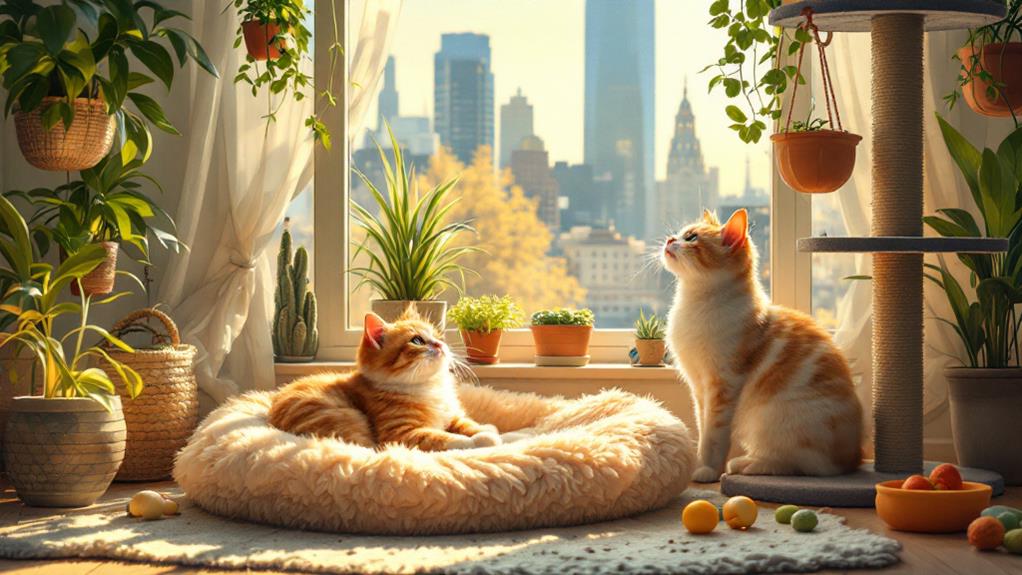
After gathering the significant supplies, focus on enriching your small space to keep your cat content. Start by creating climbing and perching areas. Installing shelves or a cat tree can make your apartment feel larger for your feline friend, satisfying their curiosity and desire to investigate vertically. This improves their environment and provides fundamental stimulation.
Interactive playtime is important for engaging your cat and preventing boredom. Spend at least 15-30 minutes daily with toys that encourage movement and mental engagement. This helps stave off destructive behaviors and guarantees they're getting the physical activity they need. To further stimulate their mind, introduce food puzzles. These will keep them entertained and challenge them intellectually, especially when space is limited.
Rotating toys is another effective way to maintain your cat's interest. By switching out toys regularly, you make their environment feel fresh and dynamic, encouraging investigation and play. Moreover, establish designated scratching areas with suitable materials. This prevents damage to your furniture and provides an outlet for their natural instincts. By focusing on these elements, you'll create a rich and fulfilling environment for your cat, even in the smallest of apartments.
Safety Tips for Apartment Cats
When living in an apartment, safeguarding the safety of your cat is fundamental. You'll want to start by securing windows with pet-safe screens. This allows your feline friend to enjoy fresh air and views without the risk of falls or escape. Remember, open balconies should be off-limits to prevent accidents. Use barriers or screens to maintain a safe environment inside your home.
Next, make certain to regularly check for hazardous plants. Many common household plants can be toxic to cats, posing serious health risks if ingested. It's imperative to identify and remove any potentially dangerous greenery from your apartment.
A safe environment also means eliminating choking hazards. Cats are naturally curious, and small objects like strings or rubber bands can be tempting but dangerous. Keep these items out of reach to avoid any choking incidents.
Finally, verify your apartment has adequate ventilation. Good airflow is crucial for your cat's health and comfort, but make sure it's done safely. By taking these precautions, you can create a secure and comfortable apartment life for your beloved feline.
- Secure windows with pet-safe screens
- Keep balconies safely off-limits
- Remove hazardous plants
- Eliminate choking hazards