Belgian Sheepdog: The Beautiful and Intelligent Herding Companion
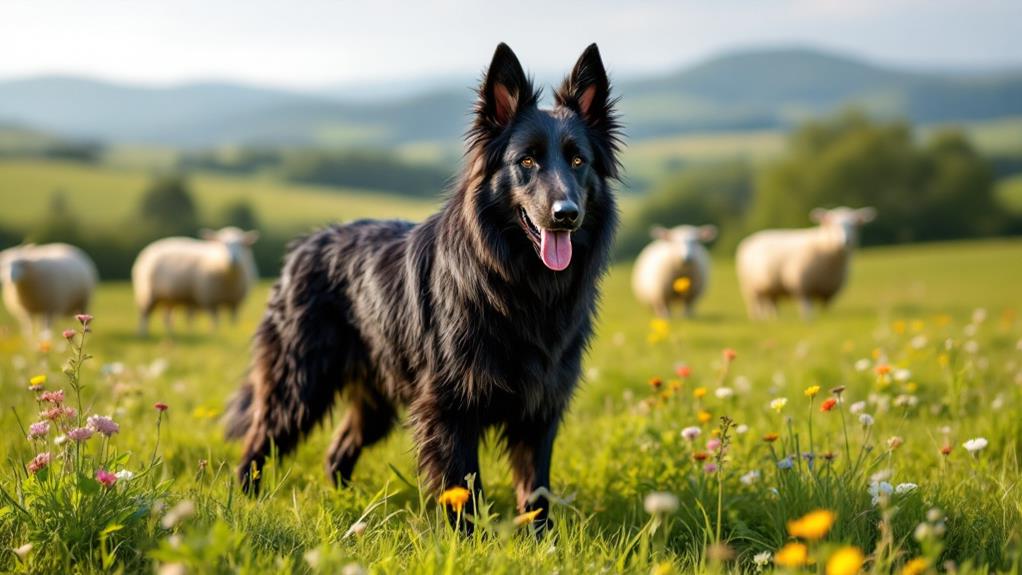
You'll find the Belgian Sheepdog to be a remarkable blend of beauty and intelligence, making it a perfect herding companion. Originating in Belgium, they stand out with their elegant black coat and athletic build. These dogs are not only loyal and trainable but also shine in obedience and dog sports. They're affectionate with families, though their herding instincts can require supervision with active children. Regular grooming and daily exercise are crucial to maintain their health and happiness. Early socialization guarantees they become well-rounded pets. Keen to uncover more about this devoted and energetic breed?
Belgian Sheepdog Characteristics
The Belgian Sheepdog, or Groenendael, stands out with its athletic build, typically weighing between 45 to 75 pounds and reaching a height of 22 to 26 inches. This medium to large breed is known for its striking long, dense black coat, which requires regular grooming due to moderate shedding. You'll notice that their coat has minimal white markings, adding to their sleek and elegant appearance. As a breed developed for herding, Belgian Sheepdogs are incredibly intelligent and possess a strong inclination to please, making them highly trainable.
You'll find that their intelligence and enthusiasm to learn allow them to excel in multiple activities like obedience and dog sports. This makes them a great choice if you're looking for a dog that can keep up with an active lifestyle or participate in competitive events. Belgian Sheepdogs are not only excellent in herding but also make devoted family companions. They form strong bonds with their families, showing loyalty and affection, although they can be initially cautious around strangers. With a lifespan of 12 to 14 years, it's crucial to provide them with plenty of physical and mental stimulation to keep them content and healthy.
Temperament and Behavior
Moving from their physical attributes, understanding the temperament and behavior of Belgian Sheepdogs is vital to appreciating their unique qualities. These dogs are known for their driven and intelligent nature, making them highly adaptable and loyal companions. Their bright temperament means they're always enthusiastic to learn new things and engage in activities that challenge their sharp minds. You'll find them to be affectionate and sensitive towards their families, often forming strong attachments to their owners. This bond makes them incredibly devoted and reliable pets.
When it comes to strangers, Belgian Sheepdogs may initially show some hesitation. However, once they feel comfortable, their sociable side emerges, and they quickly warm up to new people. It's necessary to be mindful of their natural herding instincts, especially around active children. You might notice these instincts kicking in, making supervision during interactions significant.
Early socialization and consistent training are vital for these dogs. Without it, potential behavioral issues could arise, and their interactions with other pets and people might not be as positive. By providing them with proper guidance, you guarantee that your Belgian Sheepdog becomes a well-rounded and delightful companion.
Training and Socialization
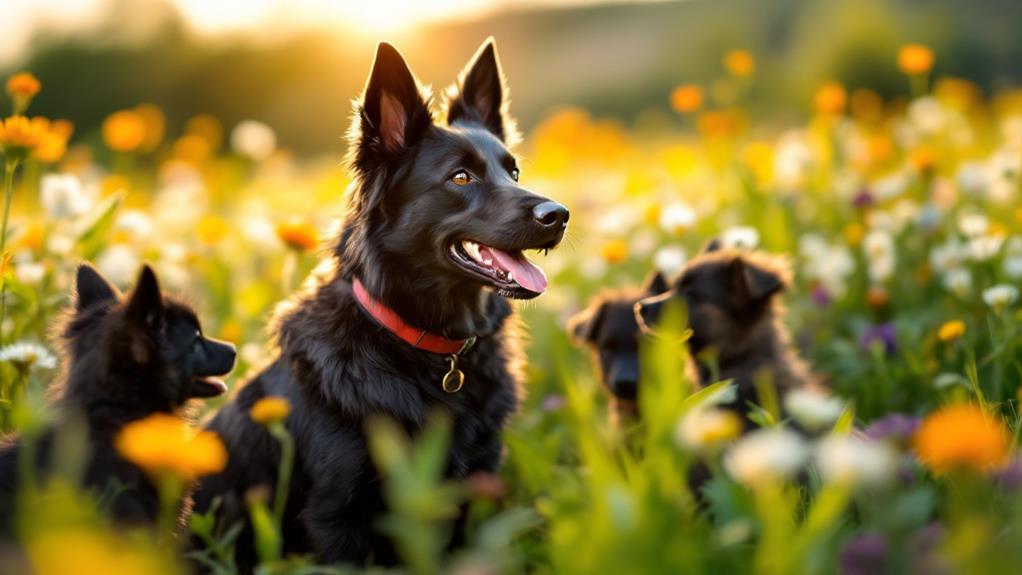
Training and socialization are two vital aspects of raising a well-adjusted Belgian Sheepdog. Given their intelligence and willingness to please, they excel in obedience training. You should start training early, using positive reinforcement methods such as treats and praise. This approach is effective because Belgian Sheepdogs respond well to rewards, making the learning process enjoyable for both of you.
Socialization is just as significant for this herding breed. Exposing them to different environments and interactions early on helps them become well-rounded companions. Regular socialization prevents them from developing fear or aggression towards unfamiliar situations or people. Here's a concise plan to guide you:
- Start early: Introduce your Belgian Sheepdog to different sights, sounds, and experiences from a young stage.
- Use positive reinforcement: Reward good behavior with treats and praise to reinforce desired actions during training sessions.
- Engage in dog sports: Participate in activities like agility or obedience competitions to provide mental stimulation and avoid boredom.
- Consistent training: Practice commands regularly to mitigate their natural herding instincts, reducing unwanted chasing behavior.
Health and Wellness
Caring for your Belgian Sheepdog's health and wellness involves a proactive approach to their well-being. Regular veterinary check-ups are vital for early detection of potential health issues, given their lifespan of 12 to 14 years. These check-ups can help monitor and manage hereditary conditions such as hip dysplasia, Progressive Retinal Atrophy (PRA), cataracts, and epilepsy. Awareness of these breed-specific health concerns allows you to take preventive measures and guarantee their long-term wellness.
A balanced diet and regular exercise are similarly significant in maintaining your Belgian Sheepdog's health. Providing them with nutritious meals and engaging them in physical activities helps prevent obesity-related issues, keeping them fit and energetic. It's necessary to tailor their diet to their specific needs, considering factors like maturity, weight, and activity level.
While regular grooming is required to manage their medium-length double coat, especially during heavy shedding seasons, keep in mind that it also plays a role in their comprehensive health. This routine care helps you detect any skin conditions or abnormalities early on. By combining these health practices with responsible breeding, you can guarantee your Belgian Sheepdog remains a healthy and happy companion for years to come.
Grooming Essentials
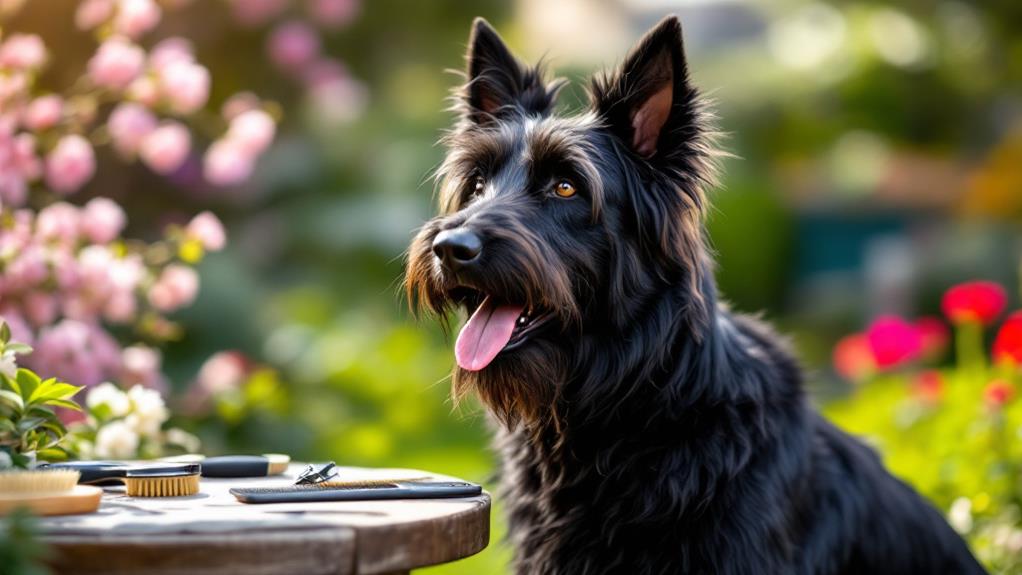
Guaranteeing your Belgian Sheepdog's health also involves a focus on grooming, which is more than just maintaining appearances. This breed's medium-length double coat requires regular attention to manage moderate shedding and maintain its healthy sheen. Grooming a few times a month is generally sufficient, but during heavy shedding periods, typically once or twice a year, you'll need to increase the frequency.
To keep your Belgian Sheepdog looking their best and to address potential health issues, follow these crucial grooming steps:
- Regular Brushing: Use deshedding brushes or grooming gloves to remove loose hair and prevent matting. Daily brushing is especially significant during peak shedding times.
- Teeth Brushing: Incorporate dental care into the grooming routine to prevent tartar buildup. Regular teeth brushing is necessary to maintain oral health.
- Coat Examination: While grooming, check for any skin sores or signs of irritation. Catching these early can prevent more serious health issues.
- Grooming Tools: Invest in quality grooming tools that suit your Belgian Sheepdog's coat type. This guarantees effective grooming and keeps your pet comfortable.
Exercise Requirements
Vigor is a hallmark of the Belgian Sheepdog, making exercise an vital component of their care. With their high energy levels, they need nearly two hours of exercise daily. This commitment helps prevent boredom and keeps destructive behaviors at bay. Engaging them in outdoor activities like fetch, running, and agility training channels their abundant energy effectively. Participation in dog sports not only meets their exercise requirements but also improves their mental sharpness.
Regular exercise is important for these dogs as it plays a significant role in alleviating separation anxiety. Belgian Sheepdogs thrive on companionship and interaction, so a well-structured routine guarantees they feel secure and content. Consistency in exercise not only keeps them fit but also enhances their obedience, making training sessions more effective and enjoyable for both of you.
To meet their active lifestyle, aim for a weekly walk mileage of around 9 miles. This not only satisfies their need for physical activity but also provides ample opportunities for socialization and exposure. By incorporating varied activities and maintaining a consistent exercise routine, you'll help your Belgian Sheepdog flourish both physically and mentally, guaranteeing a happy and healthy companion.
Family Compatibility
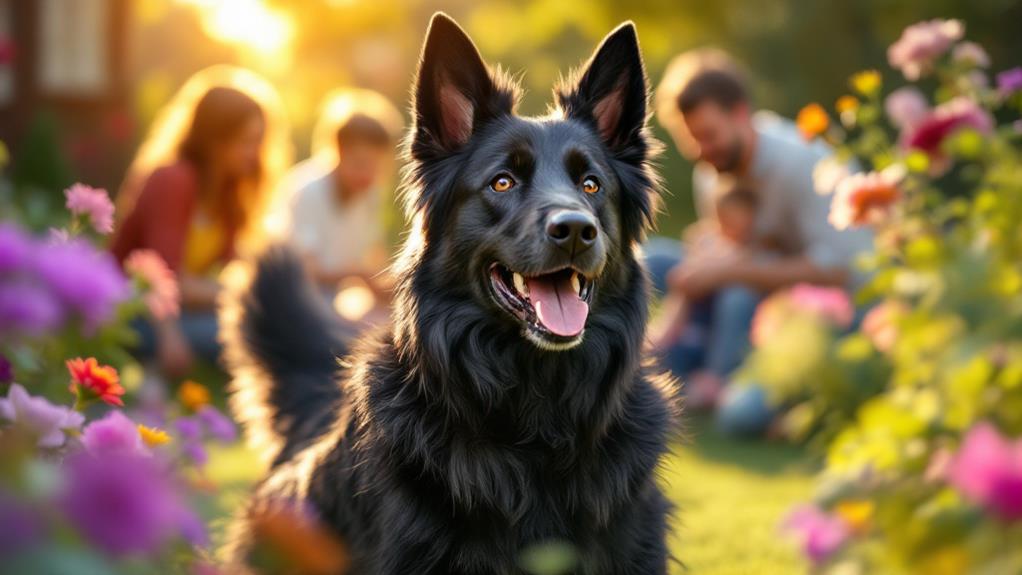
When considering a family pet, Belgian Sheepdogs stand out for their loyalty and devotion, making them exceptional companions in the home. Their strong family compatibility makes them a great choice for households with small children, though their herding instincts might lead them to gently try and guide active kids. These dogs are known for their sociable nature, which means they usually get along well with other dogs, creating a harmonious environment in multi-pet households if properly socialized.
Here are some key points to keep in mind about Belgian Sheepdogs and family compatibility:
- Loyal and Devoted: Their deep loyalty guarantees they become valued family members, always keen to be part of family activities.
- Kid-Friendly: They generally get along well with small children but may occasionally try to herd them due to their instincts.
- Sociable with Other Pets: With proper socialization, they can coexist peacefully with other dogs, adding to a lively household dynamic.
- Protective Instincts: While they may initially be cautious with new people, they quickly warm up, though supervision is advised with visiting children and pets to prevent misunderstandings.
Historical Background
Belgian Sheepdogs aren't just beloved family pets; they boast a rich historical tapestry that highlights their versatility and dedication. Originating in Belgium during the late 1800s, the Belgian Sheepdog was primarily bred as a herding dog, expertly managing and protecting livestock on farms. These dogs are one of the four recognized varieties of Belgian Shepherd dogs, alongside the Malinois, Tervuren, and Laekenois. Each variety has unique breed characteristics, but the Belgian Sheepdog, often referred to as the Groenendael, stands out for its striking appearance and work ethic.
In the 1890s, the breed was officially classified, cementing its status as a dependable working dog. Belgian Sheepdogs quickly became invaluable assets in agriculture, effortlessly supporting farmers with their keen intelligence and herding abilities. Their historical significance doesn't end there. During World War I and II, these dogs took on essential roles, serving as police and military dogs. Their bravery and adaptability were unmatched, showcasing their remarkable breed characteristics.
The name "Groenendael" comes from the village where modern breeding practices were established, largely thanks to the efforts of key figures like Nicolas Rose. Belgian Sheepdogs continue to exemplify a storied past and versatile future.
Choosing a Belgian Sheepdog
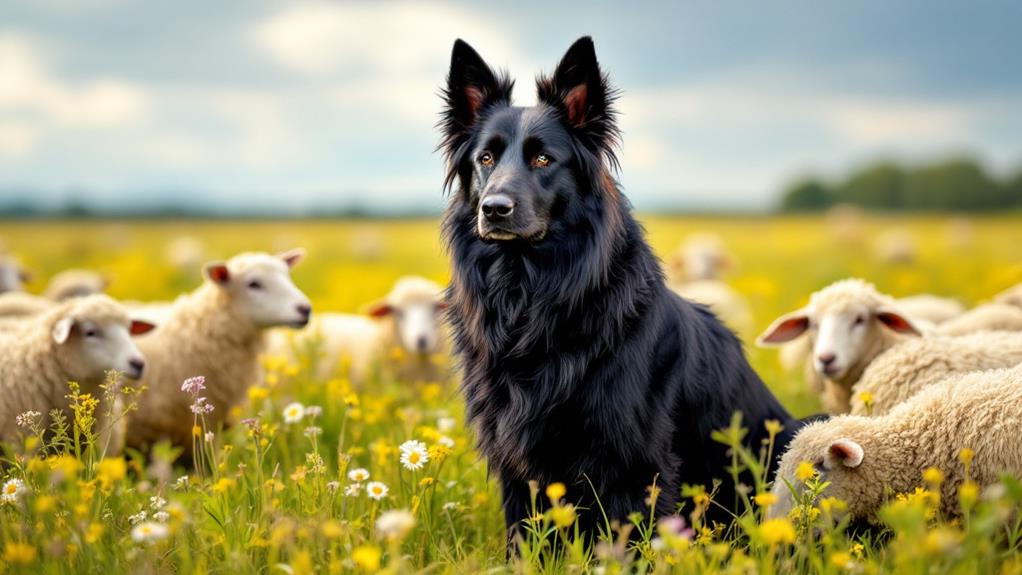
If you're thinking about bringing home a Belgian Sheepdog, it's essential to understand their needs to guarantee a harmonious fit. These intelligent dogs thrive in active households, requiring nearly two hours of exercise daily to keep them engaged and prevent destructive behavior. Here's what you need to take into account:
- Training and Socialization: Early socialization and consistent training are critical for a well-behaved Belgian Sheepdog. Their intelligence makes them highly trainable, but without proper guidance, they may develop undesirable habits. Make certain you commit to regular training sessions.
- Grooming Needs: Belgian Sheepdogs have a medium-length double coat that requires regular grooming. Brush them a few times a month, increasing frequency during seasonal shedding periods to manage their moderate shedding.
- Family Dynamics: These dogs are known for their loyalty and protective instincts, often fitting well with families and children. However, supervise interactions with unfamiliar kids to avoid unintended herding behavior.
- Reputable Breeders: Always adopt from reputable breeders or rescue organizations. Ethical breeding practices focus on health and temperament, reducing the risk of genetic health issues common in the breed.