Beauceron: The Obedient and Faithful French Herding Dog
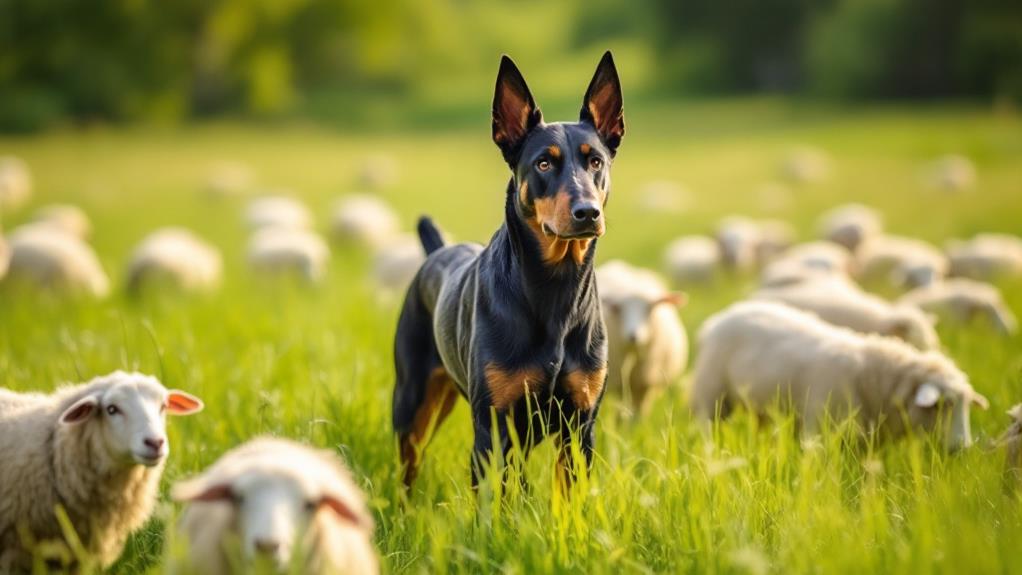
You'll find the Beauceron to be an obedient and faithful French herding dog, known for its intelligence and impressive versatility. This breed effectively manages large flocks with just a pair of dogs due to its strong protective instincts and remarkable intelligence. With its muscular build and distinctive black and red coat, the Beauceron stands out, both in appearance and performance. Early socialization and training guarantee your Beauceron remains well-behaved and content. Their high energy levels mean they'll thrive with regular exercise and mental challenges. There's much more about this extraordinary breed's skills and the bond they form with their families.
Breed Overview
The Beauceron, often called Berger de Beauce or Bas Rouge, stands as the largest French sheepdog, distinguished by its powerful and commanding presence. As a part of the Herding Group, this breed excels in herding duties, showcasing its versatility and intelligence. Historically, Beaucerons played a crucial role in managing large flocks of sheep, with just two dogs capable of handling 200-300 sheep. This impressive herding ability highlights their intelligence, making them comparable to Border Collies but with more robust stature.
You'll find that the Beauceron's strong protective demeanor makes it an excellent family companion. It naturally guards loved ones, but this protective nature means socialization is important from an early period. You need to incorporate obedience training to guarantee your Beauceron thrives in a family setting. They respond well to training due to their keen intelligence, but consistent guidance is key.
The Beauceron isn't just a hardworking herding dog; it's a loyal friend with a life expectancy of 10 to 12 years. By investing in early socialization and training, you'll foster a well-rounded companion who's both a guardian and a beloved family member.
Physical Traits
Boasting a strong and muscular build, Beaucerons typically weigh between 70 to 110 pounds and stand 24 to 27.5 inches tall. They are large, powerful dogs known for their athletic prowess and agility, traits that make them exceptional among herding breeds. Their appearance is both distinctive and commanding. The Beauceron's short-to-medium double coat is primarily black with striking dark red markings, often referred to as "bas rouge." This black and tan coloration, paired with their confident demeanor, guarantees they stand out in any setting.
One of the most unique features of the Beauceron is their double dewclaws on the rear legs. These extra claws, resembling thumbs, are crucial for the breed's standard in dog shows and contribute to their sure-footedness, especially when herding. Their expressive heads feature dark, almond-shaped eyes that convey a calm and confident presence. These eyes not only reflect their intelligence but also add to their ability to communicate effectively with their handlers.
Historical Significance
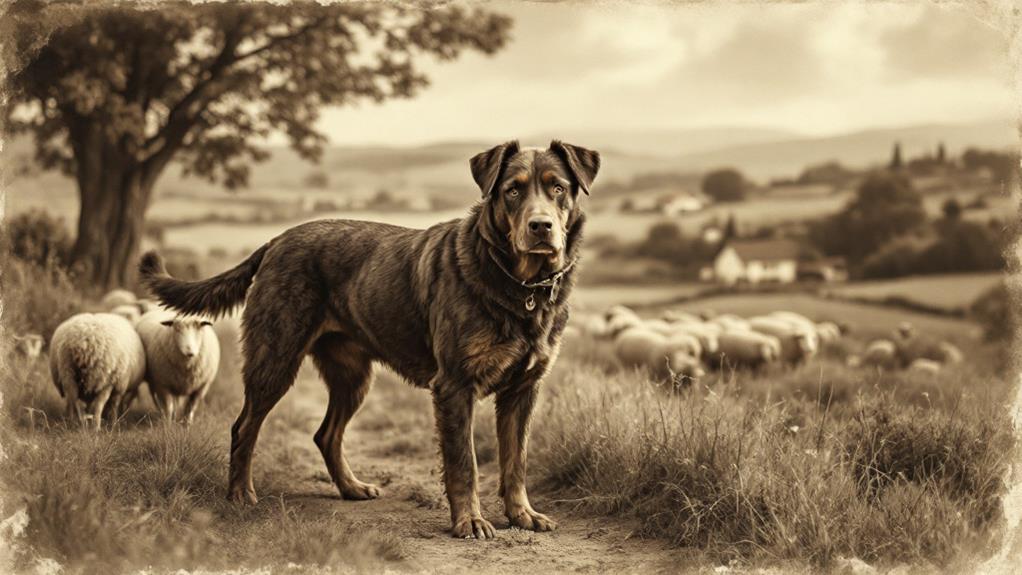
Among the oldest French breeds, the Beauceron has a storied past that highlights its historical significance. Initially mentioned in a manuscript from 1587, this remarkable herding dog has proven its efficiency and adaptability over centuries. In the early 19th century, just two Beaucerons could manage the herding duties for 200-300 sheep, underscoring their exceptional efficiency and obedience. However, as sheep production waned in the late 19th century, the demand for their herding skills declined.
The Club des Amis du Beauceron (CAB) stepped in to promote the breed's versatility, showcasing them as excellent working dogs for home protection. Their loyalty and intelligence were further demonstrated during the World Wars, where Beaucerons served as messenger and mine detection dogs. These roles highlighted their significant contributions and adaptability in times of conflict.
After World War II, the Beauceron's popularity surged as a family companion, thanks to their gentle nature and unwavering loyalty. Today, they continue to serve in different working capacities, proving that this French breed's historical significance extends beyond its herding origins. As a proud owner, you'll appreciate their rich history and the blend of loyalty and efficiency they bring to your life.
Temperament and Behavior
Beaucerons stand out for their remarkable intelligence and loyalty, traits that make them exceptional companions for active families and individuals. Their temperament is a blend of protective instincts and strong family bonds, which means they're often reserved with strangers, yet deeply loyal to their loved ones. This behavior makes them excellent watchdogs, always vigilant and ready to alert you if something's amiss.
However, their high energy levels require regular mental and physical stimulation. Without it, you might notice boredom setting in, leading to potentially destructive behaviors. Engaging activities, such as long walks, runs, or play sessions, are vital for keeping a Beauceron happy and healthy.
Socialization from an early stage is important to guarantee they develop a well-rounded temperament. Introducing them to different environments, people, and animals helps mitigate any aggressive tendencies and fosters a confident, friendly demeanor. Training should focus on positive reinforcement methods, as these intelligent dogs respond best to encouragement and rewards. Their enthusiasm to learn and please makes them highly trainable, excelling in obedience and diverse dog sports. With the right approach, your Beauceron will be a loyal, protective, and active member of your family.
Training Needs
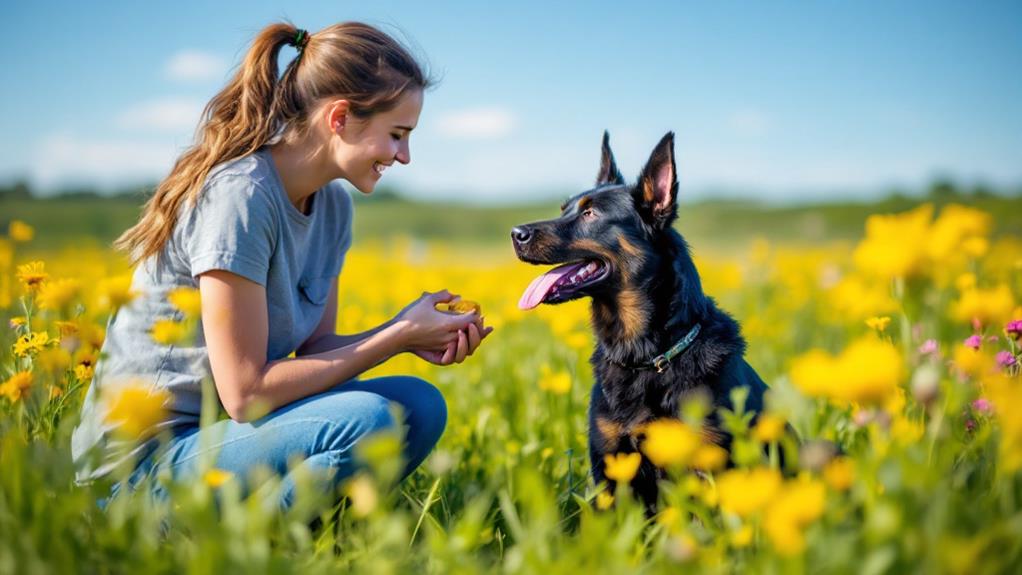
Their keen intelligence and loyalty make these dogs a joy to train, but they also present certain challenges that need addressing early on. Beaucerons thrive on early and consistent training to guarantee they develop a well-rounded temperament. Without it, their high intelligence and strong personality can lead to challenging behaviors. Start with positive reinforcement techniques, as these dogs respond well to encouragement and rewards, rather than harsh corrections. This approach builds a trusting relationship and promotes obedience.
Socialization is just as important in your training and socialization plan. By exposing your Beauceron to different environments, people, and animals from a young period, you can help mitigate their natural wariness and reduce aggressive tendencies. Regular mental stimulation is vital, as their ability to learn commands quickly can lead to boredom if unchallenged. Engage their mind and prevent destructive behavior by incorporating a variety of training exercises.
Consider engaging in dog sports and structured activities. These not only satisfy your Beauceron's physical exercise needs but also strengthen the bond between you and your dog through ongoing training and challenges. By addressing these training needs, you'll nurture a well-behaved and content companion.
Health and Care
In relation to your Beauceron's health and care, keeping a proactive approach is important. Despite being a generally healthy breed, Beaucerons can face specific health issues like hip dysplasia, dilated cardiomyopathy, and bloat. To manage these, regular veterinary check-ups are necessary. These visits help catch early signs of trouble and make certain your dog stays up to date with vaccinations, especially in their initial year.
A balanced diet is fundamental for maintaining your Beauceron's energy levels and weight management. Tailor their nutrition to their size and activity level to prevent obesity, which can exacerbate hip dysplasia. To minimize the risk of bloat, serve smaller meals and avoid exercising them immediately after eating.
Regarding grooming needs, Beaucerons require occasional brushing to keep their coat healthy. During heavy shedding seasons, daily brushing helps manage loose hairs. This breed also benefits from obeying commands, making grooming sessions smoother and more efficient. Exercise is essential for their general well-being, keeping them fit and mentally stimulated. By addressing these aspects, you're making certain your Beauceron remains a happy, healthy, and energetic companion for years to come.
Activities and Roles
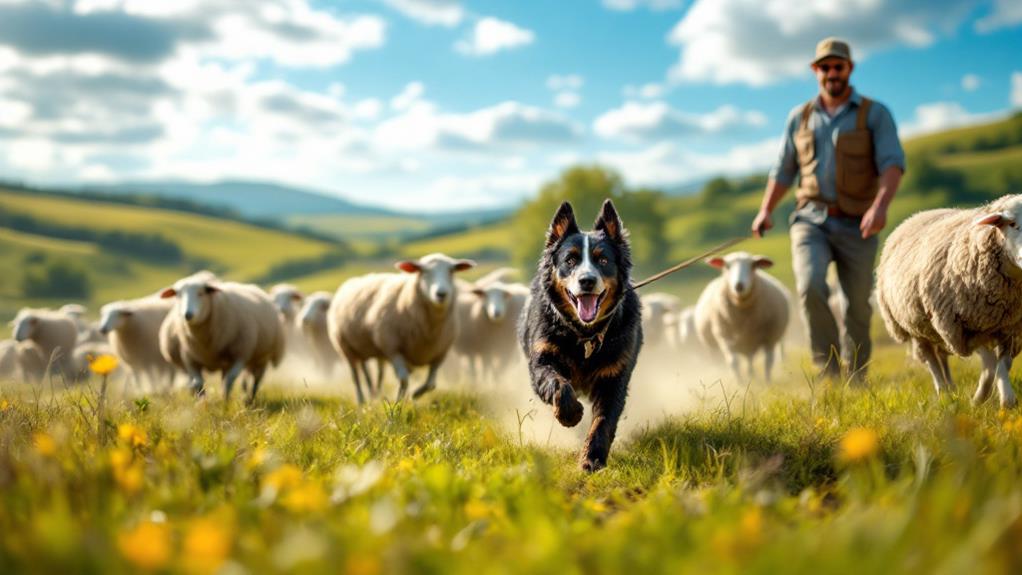
Renowned for their versatility, these French herding dogs excel in a variety of activities and roles, thanks to their intelligence and agility. As a Beauceron owner, you'll uncover their exceptional abilities in herding sheep and cattle. These working dogs thrive on tasks that challenge their minds and bodies, making them perfect for search and rescue missions and police work. Their high level of athleticism guarantees they perform exceptionally well in dog sports, including obedience, agility, tracking, and protection competitions.
To fully engage a Beauceron, consider incorporating the following activities into their routine:
- Herding: Channel their natural instincts by participating in herding trials or working with livestock.
- Dog Sports: Enroll in agility or obedience competitions to utilize their intelligence and athleticism.
- Search and Rescue: Train them for search and rescue operations, where their keen senses and determination can save lives.
- Protection Work: Utilize their guarding instincts to improve their role as personal protection dogs.
Incorporating these roles provides the mental stimulation and physical exercise Beaucerons require. Engaging in outdoor activities with your Beauceron keeps them happy and guarantees their strong work ethic is put to good use.