Balinese Cat: the Graceful and Verbose Feline With a Luxurious Coat
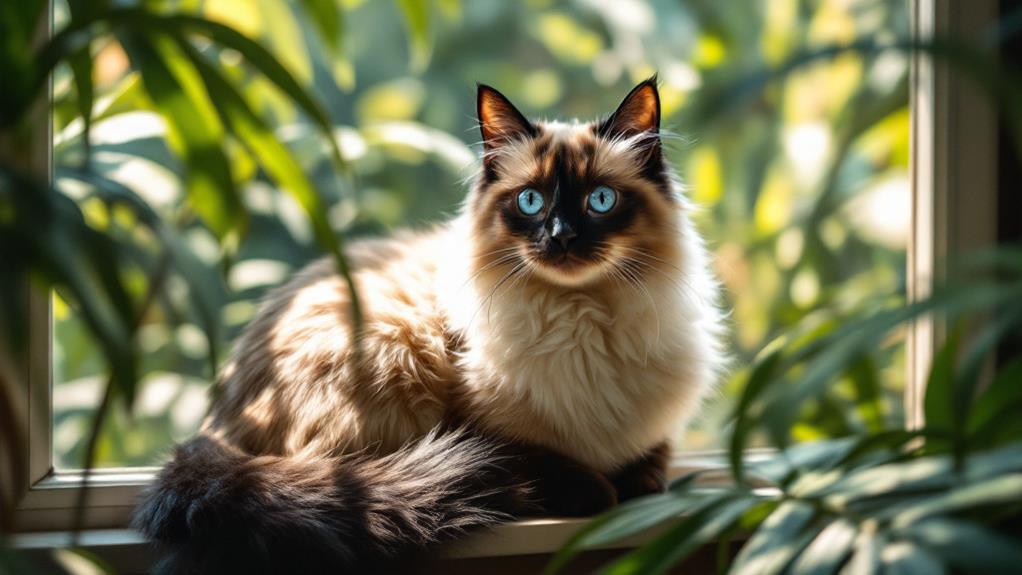
Meet the Balinese cat, a graceful and vocal feline with a luxurious, silky coat that's surprisingly hypoallergenic. With striking blue almond-shaped eyes, these medium-sized cats weigh between 5-12 lbs and possess an athletic build. They're not just pretty faces; they're affectionate, intelligent, and quick learners. Their playful nature and love for human interaction make them delightful companions. Regular grooming twice a week keeps their coat in top condition and reduces shedding. A high-protein diet and routine veterinary check-ups guarantee good health, though they're prone to Progressive Retinal Atrophy. Uncover more about what makes this breed truly special.
Key Characteristics
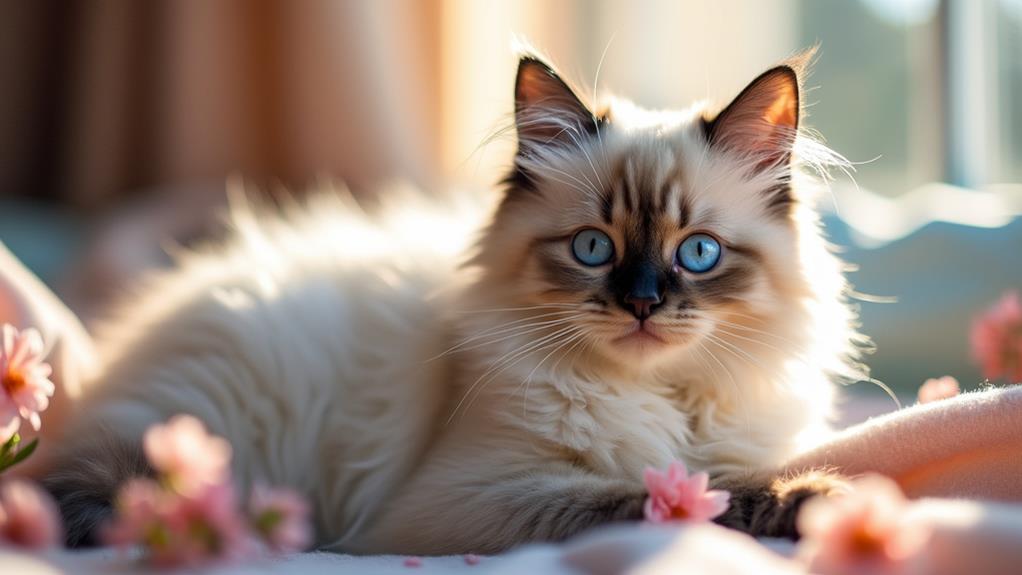
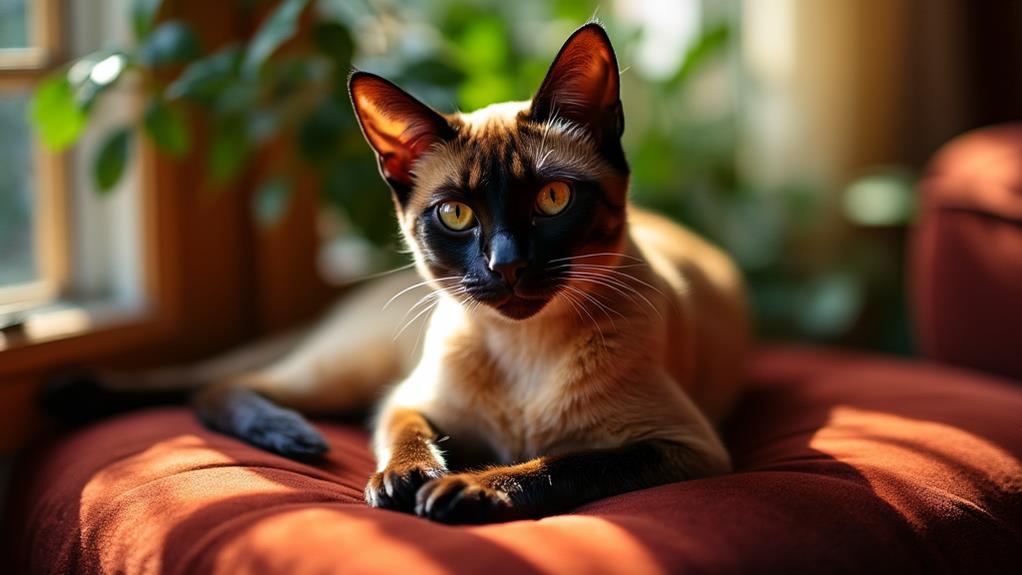
Balinese cats are known for their elegant, medium-sized, and athletic build, typically weighing between 5-12 lbs. Their long, slender bodies are complemented by a luxurious medium-length silky coat, which is hypoallergenic. This makes them an excellent choice for allergy sufferers, as they produce fewer allergens than many other breeds. You'll notice their distinctive color points on the ears, face, paws, and tail, with colors like seal, blue, chocolate, and lilac among the recognized variations.
These cats possess striking blue almond-shaped eyes, which add to their expressive and graceful appearance. Their eyes are not just beautiful but also a defining feature that makes them stand out. Despite having a long coat, Balinese cats require regular grooming. You should brush them at least twice a week to maintain the coat's quality and prevent matting. Fortunately, they're less prone to shedding compared to other long-haired breeds, making grooming a manageable task.
Balinese cats are known for their affectionate nature and playful demeanor, making them a healthy breed that's full of life. Their graceful movements and friendly disposition are sure to capture your heart.
Personality Traits
With their charming and affectionate nature, Balinese cats often become the heart of any household. These social felines form strong bonds with their human companions and are affectionately called "velcro cats" for their love of constant interaction. You'll find them following you around, seeking your attention and companionship, making them an integral part of your daily life.
Balinese cats are highly vocal, using a variety of sounds, from chirps to demanding meows, to express their needs and emotions. Their vocal nature reflects their desire for attention and engagement, ensuring you'll never feel alone with one around. Being intelligent and quick learners, they thrive on interactive playtime and can even learn tricks, offering endless entertainment and mental stimulation.
These playful creatures are also incredibly energetic and agile, showcasing their graceful acrobatic abilities during play. Their need for physical and mental activity means they benefit from environments that allow them to investigate and interact. Without sufficient socialization and play, they may develop behavioral issues. Therefore, providing them with engaging activities and attention is key to keeping your Balinese cat happy and healthy.
Grooming and Care

Caring for a Balinese cat requires a commitment to regular grooming, guaranteeing their silky coat remains beautiful and tangle-free. You'll want to brush their medium-length coat at least twice a week. This not only prevents matting but also keeps shedding to a minimum, making your life easier during seasonal changes. Occasional baths can help maintain their coat's hypoallergenic properties, although frequent washing isn't necessary.
In addition to coat care, nail trimming is important. Regular trimming prevents overgrowth and accidental scratches, keeping your Balinese cat comfortable and your furniture safe. Don't forget about dental care—it's crucial for their complete health. Brush their teeth regularly to ward off dental issues and make sure their breath stays fresh.
Routine veterinary check-ups are necessary for monitoring your cat's health, especially for dental and respiratory concerns. These visits allow you to catch potential issues early and keep your cat in top condition. Here's a simple routine to follow:
- Brushing: Twice a week to maintain coat quality.
- Nail Trimming: Regularly to prevent overgrowth.
- Dental Care: Brush teeth to guarantee health and freshness.
Dietary Needs
Ensuring your Balinese cat thrives involves keeping an eye on their dietary needs. Their active lifestyle requires a high-quality, protein-rich diet to maintain energy and general health. It's essential to provide a balanced diet that caters to their specific nutritional demands. Many Balinese cats benefit from including wet food in their meals, as it supports hydration and can improve urinary health. Fresh water should always be accessible to promote proper hydration and kidney function.
Obesity is a common concern for Balinese cats, making portion control significant. Overfeeding can lead to weight issues, so it's imperative to monitor meal sizes and treat consumption. Treats should be given sparingly to avoid unnecessary calorie intake. By managing portions, you can help your cat maintain a healthy weight and prevent obesity-related problems.
Regular veterinary check-ups play a key role in evaluating your cat's dietary needs. These visits allow you to adjust their feeding regimen based on their stage of life, weight, and health status. Your vet can provide guidance on the best diet plan to suit your Balinese cat's needs, ensuring they stay healthy and energetic. Keep these dietary considerations in mind to support your feline friend's well-being.
Health Considerations
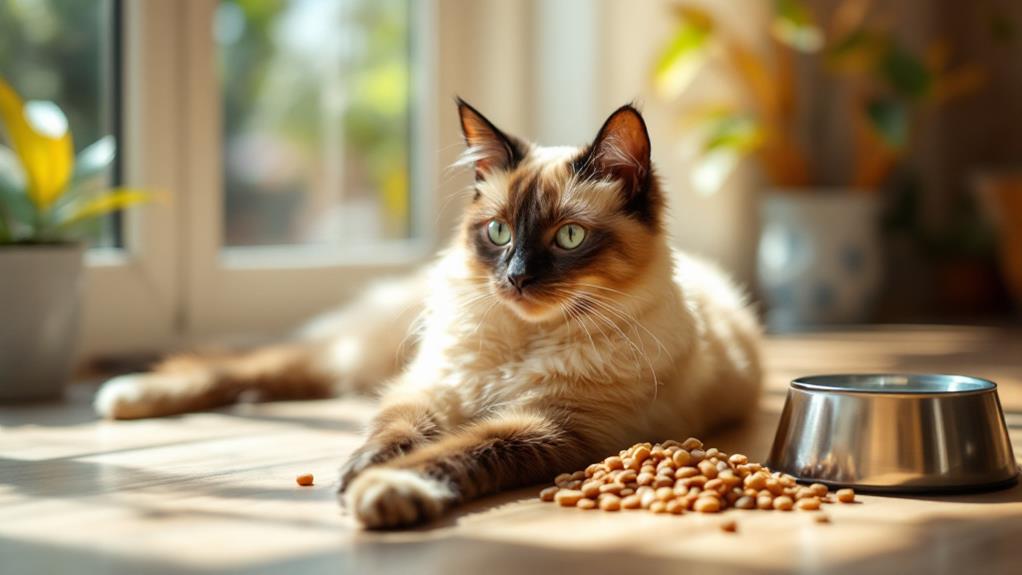
Balinese cats not only need a balanced diet but also regular attention to their health considerations. While they are generally a healthy breed, they are prone to certain genetic health issues like Progressive Retinal Atrophy (PRA), which can lead to vision problems. To keep your Balinese cat thriving, focus on these key areas:
- Routine Health Evaluations: Regular veterinary check-ups are essential. These evaluations help catch issues like systemic amyloidosis early, ensuring your cat's long-term health and extending their lifespan, which typically ranges from 12 to 20 years.
- Dental Care: Dental health is important for Balinese cats, as they are susceptible to dental issues. Regular brushing and professional cleanings can help prevent problems that could affect their overall wellness.
- Diet and Exercise: Obesity is a common concern. Balinese cats require controlled portions and a diet rich in nutrients. Combine this with regular exercise to maintain a healthy weight and support their genetic predisposition for longevity.
Historical Background
How did the Balinese cat, with its striking elegance and charm, come to be? The expedition of this graceful feline began in the 1940s in the USA, where long-haired Siamese kittens emerged unexpectedly. Originally considered faults, these kittens were often sold as pets. However, their unique beauty didn't go unnoticed for long. In 1928, the initial long-haired Siamese cats were officially registered as show cats by the American Cat Fanciers Federation, marking the start of their recognition in the cat world.
By the 1950s, breeders saw potential in these long-haired variants and aimed to develop them as a separate breed. This effort led to the establishment of the Balinese as a distinct and elegant breed, named in reference to the grace of traditional Balinese dancers—not because they originate from Bali. The name perfectly captures their sophisticated and fluid movements reminiscent of the dancers.
As the Balinese breed developed, it gained popularity worldwide. Cat enthusiasts were captivated by their luxurious coats and friendly nature. From being deemed undesirable, these long-haired domestic cats have now become beloved members of many households, celebrated for their unique and charming history.
Breed Comparison
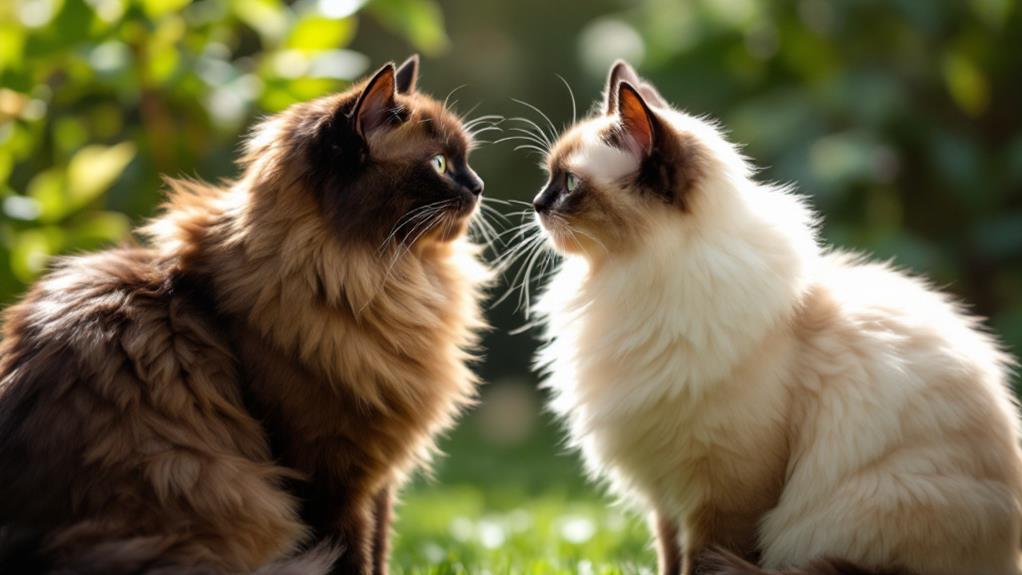
As you investigate the enchanting history of the Balinese cat, it's natural to wonder how this breed compares to its close relative, the Siamese. Both share a sociable and vocal nature, but Balinese cats are often seen as more affectionate, earning them the nickname "velcro cats" for their tendency to stick close to their owners. Their medium-length coat not only sets them apart visually but also gives them a more hypoallergenic quality, appealing to those with sensitivities.
Let's break down the differences:
- Balinese Cats Coat: Unlike the short-haired Siamese, Balinese cats boast a longer, silkier coat that requires regular grooming to prevent matting. Despite their luxurious appearance, they shed minimally.
- Weight Range: Both breeds typically weigh between 5-12 lbs, though Balinese males tend to be larger. Siamese cats, however, often have a more slender build.
- Genetic Issues: Balinese cats can be prone to Progressive Retinal Atrophy (PRA), affecting their vision over time. Meanwhile, Siamese cats might face respiratory issues linked to their facial structure.
Training and Socialization
Training a Balinese cat is a rewarding experience, thanks to their remarkable intelligence and enthusiasm to learn. These felines can easily grasp commands and tricks, making them perfect candidates for obedience and agility training. To guarantee success, use positive reinforcement techniques such as treats and praise. This encourages desired behaviors and strengthens the bond between you and your cat.
Early socialization is vital for your Balinese cat. Exposing them to different environments, people, and pets helps prevent shyness and fosters well-rounded behavior. This early exposure equips them with the confidence to thrive in diverse situations. Consistency is key, so integrate training sessions into playtime. This approach makes learning enjoyable and reinforces good habits.
Balinese cats have high energy levels and benefit from regular interaction and mental stimulation. Create engaging environments to keep their minds sharp and bodies active. Incorporate toys and activities that challenge their intelligence, and you'll keep boredom at bay. Remember, patience and persistence are fundamental in achieving successful training outcomes. With your guidance, your Balinese cat will develop into a well-behaved and social companion, ready to amaze with their clever antics and enthusiasm to learn.
Genetics and Heritage
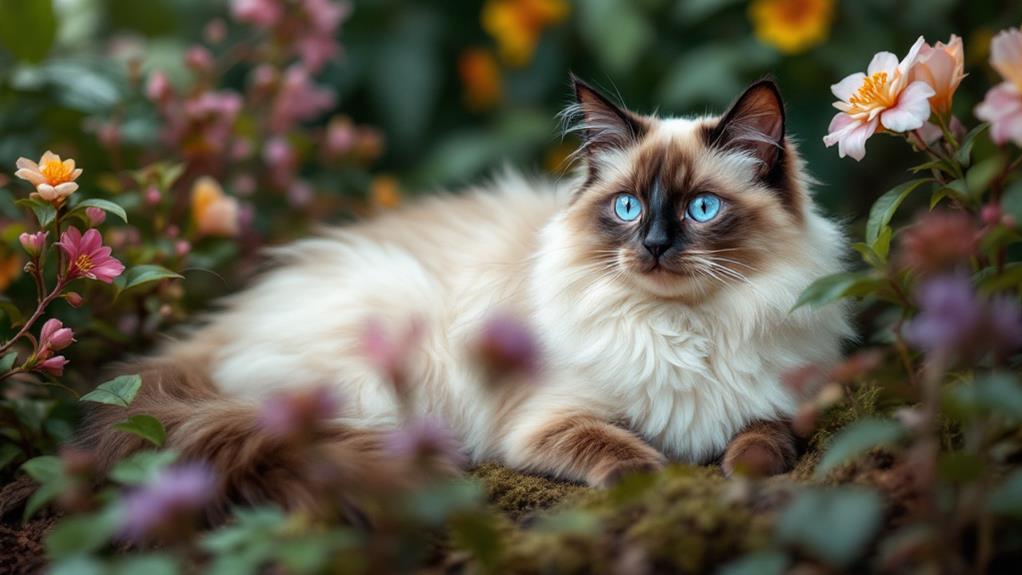
Balinese cats, often admired for their elegance, trace their roots back to the mid-1800s through a natural mutation of long-haired Siamese cats. This mutation, initially viewed as a flaw, eventually led to the creation of the Balinese breed, named for the grace reminiscent of Balinese dancers. The pointed coloration you see in these cats comes from a mutation in the tyrosinase enzyme, affecting melanin production in cooler body areas, which gives them their distinctive look.
When exploring the genetics and heritage of Balinese cats, remember:
- Mutation Origins: The breed's beginning is tied to a mutation in long-haired Siamese cats.
- Breeding Practices: Crossbreeding for color variations has led to the Javanese breed, a recognized division within some registries.
- Health Implications: A smaller gene pool means a higher likelihood of genetic diseases, so regular health check-ups are vital.
Understanding these points helps you appreciate the Balinese cat's unique beauty and genetic background. While their heritage is fascinating, it's important to prioritize their health through careful breeding and consistent health monitoring. This guarantees that these graceful felines maintain their luxurious coats and lively personalities.