Azawakh: The Loyal and Independent African Sighthound

The Azawakh is a unique African sighthound, renowned for its loyalty and independent spirit. Originating from the Azawakh Valley, these dogs have long been guardians and companions to the Tuareg nomads. With a sleek, athletic build and a fine coat in diverse colors, the Azawakh requires minimal grooming yet thrives on daily exercise. Despite their affectionate nature, they possess a strong prey drive and need patient training and early socialization. Generally healthy, they do require routine veterinary care. If you're intrigued by their rich history and specific care needs, there's more to investigate about this fascinating breed.
Breed Characteristics
The Azawakh is a striking example of a medium-sized sighthound that combines elegance with athleticism. Standing between 25-29 inches for males and 23-27 inches for females, this African sighthound boasts a lean, athletic build perfect for speed and agility. Weighing 44-55 pounds for males and 33-44 pounds for females, their streamlined profile and long legs contribute to their graceful movement, making them quite the sight when in action.
One of the most attractive breed characteristics of the Azawakh is its short, fine coat, available in a variety of colors like red, blue, black, brindle, and white. You'll find grooming them a breeze, requiring only weekly brushing to maintain their sleek appearance. With a life expectancy of 12-15 years, they're a long-term companion for anyone dedicated to their care and training.
Training an Azawakh requires patience and understanding of their independent nature. While they're loyal, their sighthound instincts mean they may need consistent training to guarantee they respond well to commands. Welcome their unique head shape and elegant demeanor, and you'll have a truly remarkable canine companion.
Historical Background
Originating in the historic Azawakh Valley along the Mali-Niger border, the Azawakh has a rich tapestry of history interwoven with the Tuareg nomads. As a breed originating from this rugged terrain, the Azawakh holds a special status among the Tuareg people. Known affectionately as "idii n illeli," or "sighthound of the free people," these dogs have been more than just pets; they've been staunch guardians of nomadic camps for centuries.
The Azawakh's role wasn't limited to protection. Its agility and keen sight made it an invaluable hunting partner, capable of tracking and chasing down game across vast, open landscapes. This dual role as both sighthound and guardian underscores the breed's versatility, adapting seamlessly to the lifestyle and needs of the Tuareg people.
In modern times, the Azawakh has shifted from a purely working role to also being a cherished companion. This change highlights their adaptability, a trait that continues to spark debates about their participation in amateur racing. As you examine the Azawakh's progression from its origins in the Azawakh Valley, you'll appreciate this breed's enduring legacy and evolving place in contemporary society.
Physical Features
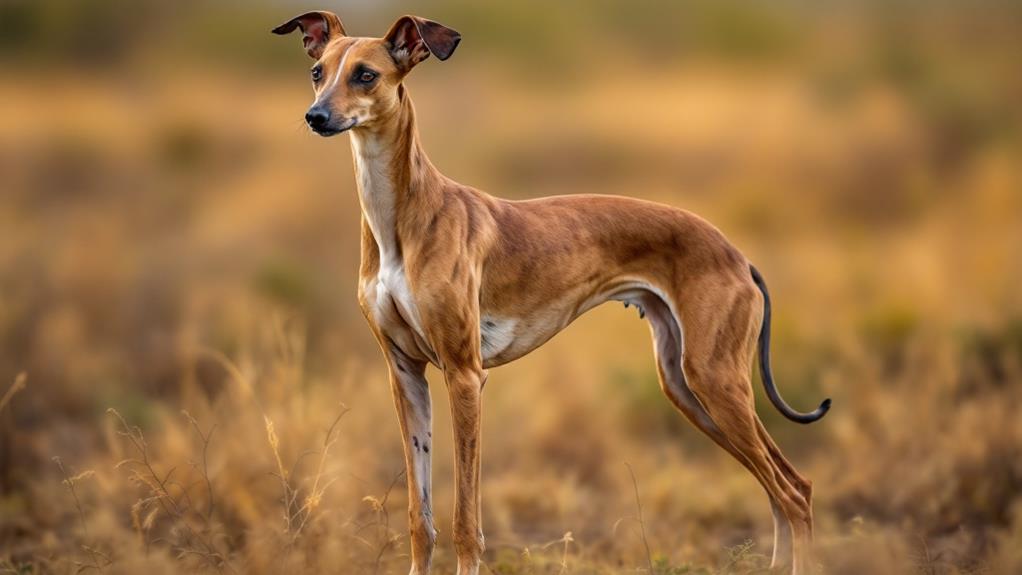
As you investigate the Azawakh's remarkable history and its place alongside the Tuareg nomads, you'll find its physical features likewise compelling. This medium-sized dog breed stands out with its slim, athletic build and pronounced tuck-up, which highlights its elegant and graceful appearance. Males reach heights of 25-29 inches and weigh between 44-55 pounds, while females are slightly smaller at 23-27 inches, with weights ranging from 33-44 pounds. The Azawakh's visible ribs and hip bones are not signs of malnutrition but rather an indication of its innate agility and speed.
One of the most striking physical features of the Azawakh is its short coat, which is fine and comes in a variety of colors like red, blue, black, brindle, and white. This low-shedding coat requires minimal grooming, making it easy to maintain. The breed's long legs and streamlined body are designed for hunting and coursing, allowing it to excel in these activities. You'll also notice the Azawakh's delicate head shape and slim profile, which contribute to its reputation as a beautiful and striking dog breed. These features make the Azawakh both functional and aesthetically pleasing.
Temperament and Behavior
Many dog enthusiasts are drawn to the Azawakh for its unique temperament and behavior traits. This breed is known for its affectionate nature and strong loyalty towards family members, making it a cherished companion. However, the Azawakh's independent and sometimes stubborn temperament can present challenges in training. You'll need to employ patient and consistent training techniques to effectively address any behavioral issues. Early socialization is essential to help your Azawakh develop confidence and appropriate behavior, especially in unfamiliar situations. This reduces aloofness with strangers and guarantees your dog becomes a well-rounded member of the family.
Azawakhs possess strong protective instincts, making them excellent watchdogs. They're quick to alert you of any unfamiliar visitors, often vocalizing to make sure you're aware of potential intruders. This innate trait is beneficial for security but requires careful management to prevent excessive barking. Furthermore, the Azawakh's high prey drive means you'll need to supervise closely around smaller animals to prevent chasing behavior. Understanding and working with these natural instincts, through proper training techniques, will help you nurture a well-behaved and confident Azawakh that thrives in its role as both a loyal family member and vigilant guardian.
Health and Wellness
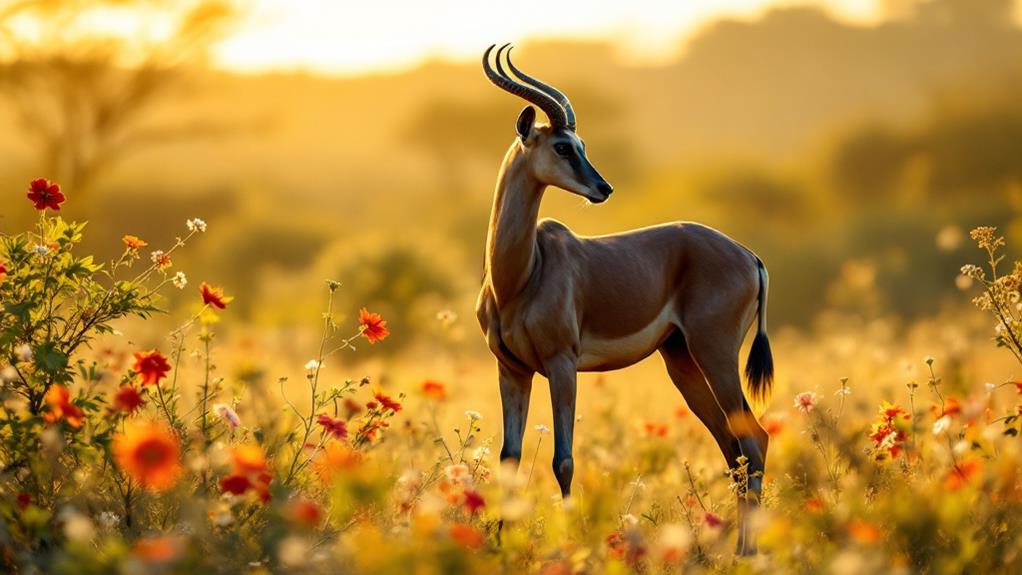
While the Azawakh's temperament and behavior make it a unique companion, safeguarding their health and wellness is just as significant. With a life expectancy of 12-15 years, Azawakhs are generally healthy, though they can face issues like hip dysplasia, elbow dysplasia, and autoimmune diseases due to their limited gene pool. Regular veterinary check-ups are essential to monitor their health and catch potential issues early. When selecting a breeder, look for one who provides health screenings to minimize inherited conditions.
To keep your Azawakh healthy and happy, focus on a high-quality, portion-controlled diet. Despite their lean appearance, visible ribs and hip bones don't indicate malnourishment. Make sure they get daily exercise, roughly 30-60 minutes, as they need intentional activities to maintain their physical health. Their short coat requires minimal grooming, making weekly brushing sufficient. Regular nail trimming and dental care should also be part of their routine.
Training and Exercise
In regards to training and exercise, Azawakhs need a thoughtful approach to channel their energy and intelligence effectively. As part of a unique dog breed known for their independence and agility, they require 30-60 minutes of daily exercise. Activities like running and playtime are fundamental to maintain their physical health and to prevent boredom-related behavioral issues. Given their strong hunting instincts, make sure you have a secure yard to provide them ample space for safe outdoor activities.
Early socialization is important for these intelligent sighthounds. Use positive reinforcement training to manage their sometimes stubborn nature. This approach not only encourages good behavior but also fosters a deeper bond between you and your Azawakh. They're quick learners and can excel in dog sports such as lure coursing and agility, which also offer the mental stimulation they crave.
Regular training sessions are critical for their well-being. Structured activities help them thrive, making them more adaptable and well-mannered companions. Remember, your consistency and patience will play a significant role in their development. By providing the right balance of exercise and training, you'll guarantee your Azawakh remains a happy and healthy member of your family.
Adoption Considerations
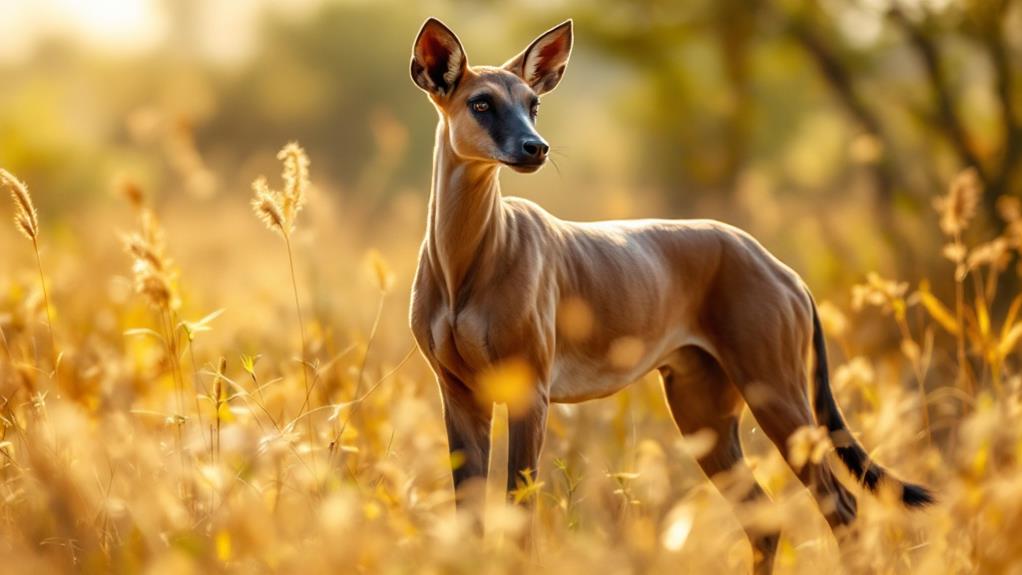
Adopting an Azawakh involves careful planning due to their rarity and specific needs. As a rare breed, Azawakhs are typically not found in rescue shelters, so you'll likely need to source one from reputable breeders. It's important to research thoroughly to find ethical breeders who prioritize the well-being of their dogs. Expect to pay around $3,000 for a puppy and potentially join a waiting list due to their limited availability.
A significant adoption consideration is verifying that the breeder conducts thorough health screenings. This breed's small gene pool heightens the risk of inherited health issues, so confirming that screenings have been done can help minimize future problems. When visiting breeders, ask for documentation confirming these health checks.
Socialization is another important aspect of adopting an Azawakh. Puppies should be at least eight weeks old before adoption to guarantee they've had adequate time for socialization and development. This early life stage is critical for their emotional and behavioral growth.