Anatolian Shepherd: The Fascinating and Fearless Livestock Guardian
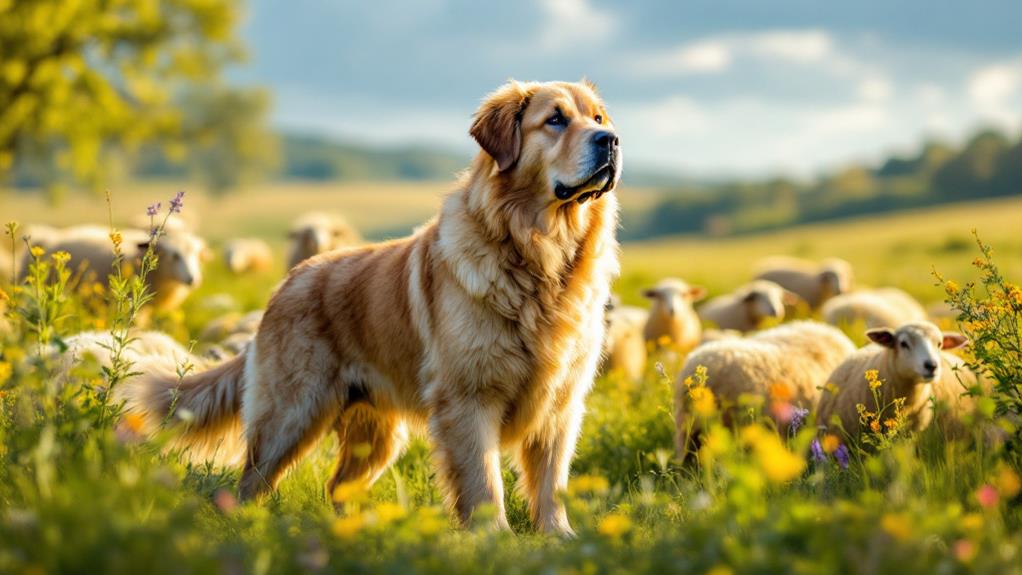
You're sure to be captivated by the Anatolian Shepherd, a fearless livestock guardian with a heritage dating back over 6,000 years. Bred in Turkey, these dogs are known for their loyalty, strength, and protective nature. With a muscular build and speeds reaching up to 35 mph, they effectively deter predators and protect livestock. Their thick coats withstand diverse climates, while their training requires minimal human intervention. These dogs are independent, yet develop a strong bond with their herds. Letting their heroically daring instincts shine, the Anatolian Shepherd is a unique breed with much more intriguing aspects awaiting exploration.
Origins and Heritage
The Anatolian Shepherd has a rich history that traces back over 6,000 years to the Anatolian Plateau in modern-day Turkey. This breed was specifically developed as one of the most effective livestock guardian dogs. Its origins are deeply rooted in ancient Mesopotamia and Babylon, where its ancestors played an essential role in protecting livestock for nomadic shepherding cultures.
In Turkey, they're known as "Chopin copay," a name synonymous with their formidable guarding abilities. Over centuries, these dogs have been selectively bred to improve their protective instincts and endurance. The harsh terrains and climates of the Anatolian region demanded a breed that could withstand diverse challenges, guaranteeing the Anatolian Shepherd's adaptability across different environments and livestock.
Historical documentation by organizations like Anatolian Shepherd Dogs International highlights how severe culling and selective breeding have shaped the breed. These practices guaranteed a consistent and uniform breed standard, emphasizing their role as reliable livestock guardians. You'll find that their heritage is not just a tale of survival but one of thriving under demanding conditions, making them an enduring symbol of loyalty and strength. Their legacy as livestock guardian dogs continues to be celebrated worldwide today.
Physical Traits
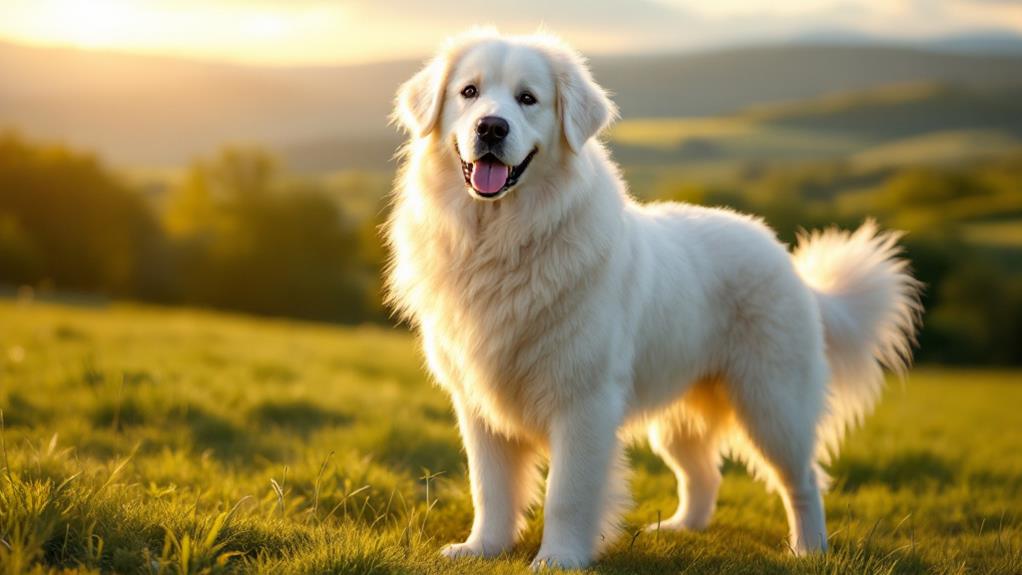
Anatolian Shepherds impress with their imposing stature and undeniable strength. As working dogs, they boast a large, muscular build typically weighing between 90 and 160 pounds, though most fall in the 100 to 150-pound range. This size plays a vital role in their ability to protect livestock effectively. Their physical presence alone can deter potential threats, but it's their agility and speed—reaching up to 35 mph—that truly sets them apart in their guardian role.
Their thick, weather-resistant coat is another indication of their adaptability and effectiveness as livestock guardians. It shields them from different climates, regardless of whether they're braving cold winds or basking in the sun. This coat comes in a spectrum of colors, such as Kangal, Akbosh, and Karabosh, reflecting the breed's rich and diverse lineage. Each color variation adds to the breed's unique beauty and adaptability in different environments.
Iron spike collars are often used to further protect these formidable working dogs during encounters with predators. This highlights their fierce commitment to guarding and protecting livestock. With their powerful physique and incredible speed, Anatolian Shepherds stand as a perfect embodiment of strength and agility in the world of working dogs.
Temperament and Instincts
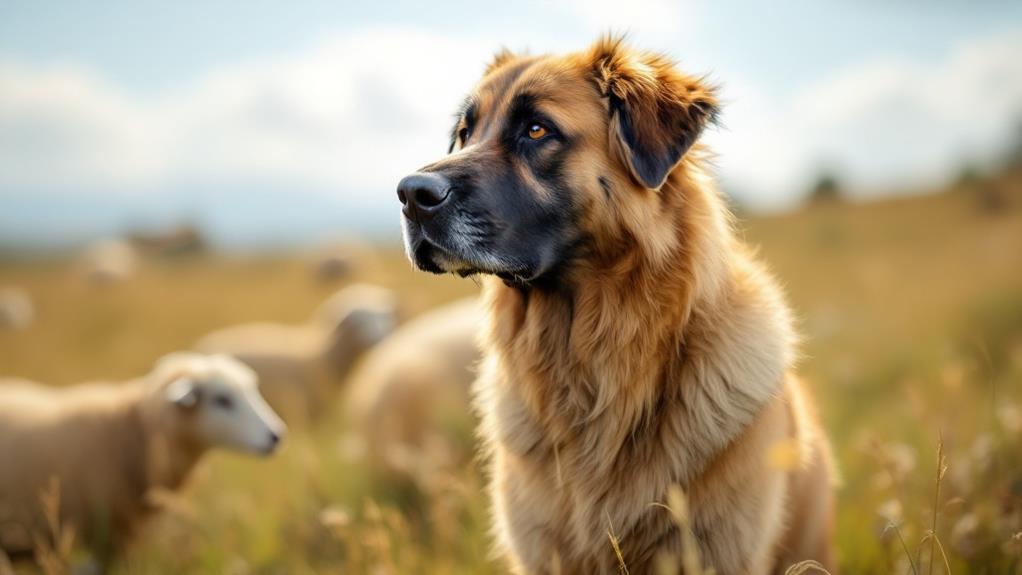
Beyond their impressive physical presence, Anatolian Shepherds are renowned for their loyal and protective natures. They make excellent guardians for livestock due to their fierce loyalty. If you're considering this breed, understand that they're typically aloof and reserved with strangers. However, their confidence and boldness shine through without unnecessary aggression. This isn't a breed that will attack on command; rather, they possess a low prey drive, making them unsuitable as attack dogs. Instead, their instincts are finely tuned for guarding and protecting.
You'll find that Anatolian Shepherds have strong territorial instincts. They naturally establish and defend their space, ensuring the safety of their flock or herd. Their presence alone can be enough to make intruders go away, as their reputation and imposing demeanor act as a powerful deterrent. To harness these instincts effectively, early socialization is fundamental. Introduce them to livestock early on to develop the appropriate temperament and behavior needed for their role as guardians.
As you work with an Anatolian Shepherd, keep in mind that these instincts require guidance. With proper training and exposure, they become steadfast protectors, always ready to defend their territory and those they consider family.
Role in Livestock Protection
Many Anatolian Shepherds excel in the role of livestock protection, thanks to their strong protective instincts and territorial behavior. When you introduce Anatolian Shepherds to your farm, you'll notice their natural ability to keep predators like coyotes and hawks at bay. Their mere presence acts as a powerful deterrent, and they'll actively patrol their territory, barking to warn off potential threats. This behavior not only reduces stress among your livestock but also improves the general safety of your farm.
Once trained, Anatolian Shepherds require minimal human intervention, allowing them to work independently. You'll appreciate their ability to bond with your livestock, as it fosters a cooperative environment that's essential for effective herd management and protection. Their loyalty and dedication mean they take their guardian role seriously, providing peace of mind for you and your animals.
Furthermore, Anatolian Shepherds' adaptability to different climates and terrains makes them versatile guardians for diverse farming conditions. If you're in a hot, arid region or a cold, mountainous area, these dogs can handle the environment. So, if you're looking to boost livestock protection, consider the dependable Anatolian Shepherds as your farm's primary line of defense.
Heroic Actions and Stories
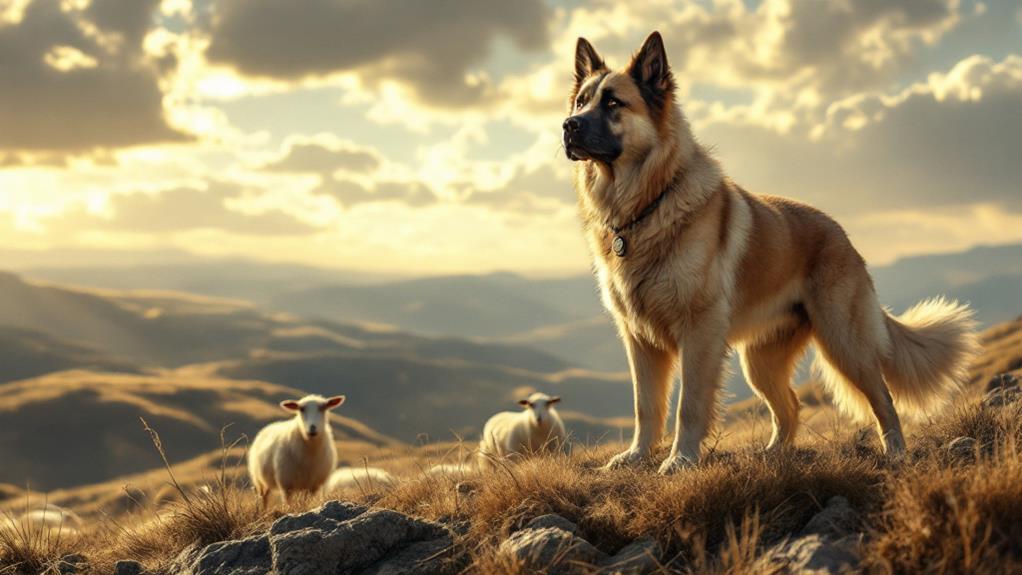
While Anatolian Shepherds excel in livestock protection, their heroism extends beyond safeguarding animals. Imagine the scene on a ranch in Payette, Idaho, where Gator, a 140-pound Anatolian Shepherd, showcased this heroism. When rancher Rollins Wykle found himself facing an aggressive cow, Gator sprang into action. Without hesitation, he diverted the cow's attention, allowing Wykle to escape to safety. Both sustained only minor injuries, but the incident highlighted Gator's fearless nature and protective instincts.
Gator's actions didn't go unnoticed; he received the Top Hero Award for his bravery. This award serves as a reminder of the breed's potential for heroism every day. Anatolian Shepherds like Gator possess a natural instinct to protect not only livestock but also their human companions from perceived threats. Their capability to act independently in critical situations sets them apart as effective guardians.
Gator's story is a demonstration of the breed's fearlessness, strength, and unwavering loyalty. Every day, around the world, Anatolian Shepherds demonstrate these traits, reinforcing their reputation as fascinating and fearless protectors. Their heroic actions, much like Gator's, continue to inspire awe and admiration.
Training and Socialization
Training and socialization are fundamental components of an Anatolian Shepherd's development, making certain they become effective guardians. Early socialization is critical, as it helps them develop the right behaviors around livestock and numerous environments. By exposing them to livestock from a young period, you promote familiarity and strengthen the bond between the dog and the animals they're meant to protect. Consistent training protocols, using positive reinforcement methods, improve their readiness and responsiveness to different situations.
To make the process enjoyable and effective, consider these tips:
- Begin socialization early to help them adapt to varied environments and situations.
- Use positive reinforcement to encourage desired behaviors and improve training outcomes.
- Pair younger dogs with experienced guardians so they can learn important skills.
- Guarantee regular veterinary care and secure fencing for their health and safety.
An Anatolian Shepherd's ability to travel long distances and work tirelessly is improved by their training and socialization. As they grow, mature dogs can mentor younger ones, leading to a more cohesive working unit on your ranch. With the right approach, your Anatolian Shepherd will become a fearless and dependable guardian.
Versatility and Recognition
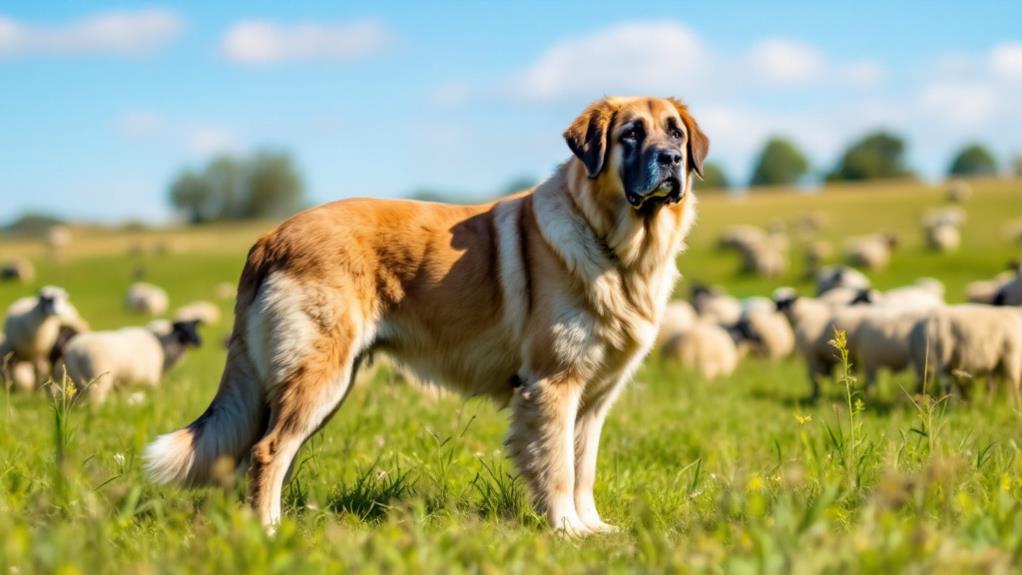
Anatolian Shepherds shine in their versatility, excelling as both steadfast livestock guardians and impressive show dogs. These dogs are celebrated for their dual capabilities, seamlessly evolving from protecting livestock to strutting their stuff in the show ring. Their independent thinking, honed over centuries as guardians, allows them to analyze and respond to threats autonomously, making them exceptional protectors.
Anatolian Shepherd Dogs have garnered significant recognition in the competitive world of dog shows. A standout example is Gator, an Anatolian Shepherd, who achieved fame by winning Best of Breed at prestigious events like Westminster. This success highlights the breed's excellence and adaptability, proving that these dogs are not only functional but also possess the grace and presence required for show competitions.
The Anatolian Shepherd Dog Club of America plays an essential role in preserving the breed's temperament, ensuring that these dogs maintain their natural instincts while adapting to diverse roles. Their popularity extends beyond the show ring, with social media showcasing their dual roles as both guardians and competitors. Videos capturing their impressive versatility have helped enhance their recognition and admiration worldwide.
Choosing the Right Puppy
Selecting the perfect Anatolian Shepherd puppy is a significant decision that requires careful consideration of your family's needs and lifestyle. With their strong protective instincts and independent nature, it's essential to assess how this breed aligns with your home environment. Puppy Selection involves more than just picking a cute face; it requires planning and thoughtful evaluation.
Start by finding a reputable breeder. This guarantees the puppies' health and temperament are excellent, and you can verify the health testing and lineage. Consider what role you envision for your puppy—whether as a working dog, show dog, or companion. This helps confirm the pup's characteristics match your expectations.
Here are some key steps to guide your Puppy Selection process:
- Ask breeders about health testing: Inquire about the health tests conducted on the parents to anticipate any genetic issues.
- Verify lineage: Understanding the puppy's background can give insights into their potential traits and behaviors.
- Learn about early socialization: Ask about practices in place to guarantee the puppy is well-adjusted.
- Utilize resources: Consider e-books and other materials to guide you in making an informed choice.