American Curl Cat: the Adorable Feline With Distinctively Curled Ears
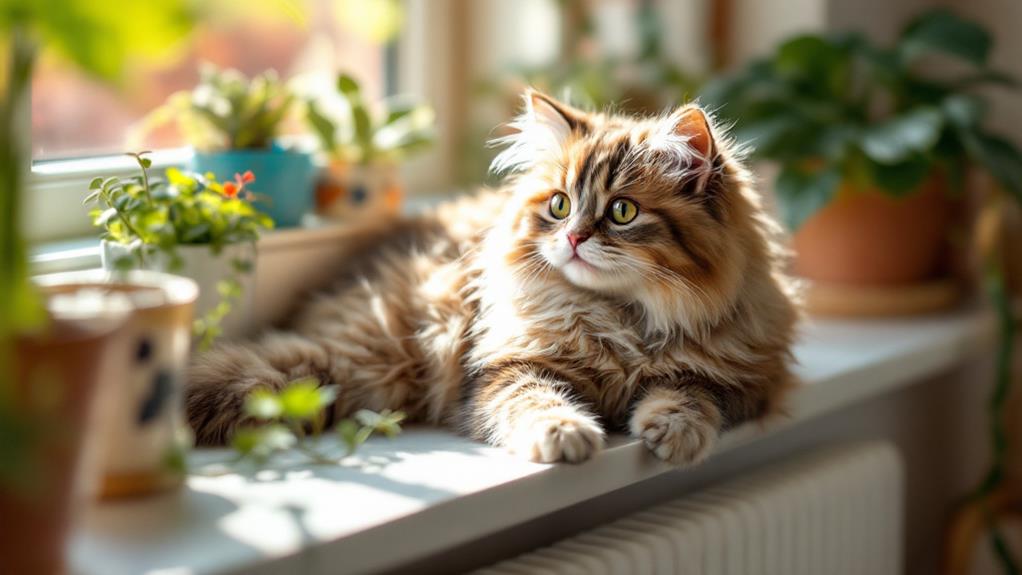
Meet the American Curl, a delightful feline known for its signature curled ears that began with a kitten named Shulamith in California. Their unique ears develop distinct arches within weeks of birth, giving these cats an adorable, playful appearance. American Curls are medium-sized with silky coats, available in both longhair and shorthair varieties that require minimal grooming. Known for their affectionate and playful personalities, they fit well in families and multi-pet households, remaining curious and engaging companions. With proper care and regular playtime, you'll forge strong bonds and truly appreciate their charm and lively spirit as your knowledge grows.
Origin and History
The enchanting story of the American Curl begins with a stray kitten named Shulamith, found by Joe and Grace Ruga in Lakewood, California, in June 1981. This seemingly ordinary kitten was hiding an extraordinary trait—a genetic marvel that would soon captivate cat enthusiasts worldwide. Shulamith's initial litter revealed kittens with the same intriguing curled ears, marking the start of a new breed.
You might wonder what makes the American Curl's ears so unique. Well, it's all thanks to the ear-curling gene. Geneticist Roy Robinson identified this trait as an autosomal dominant gene, symbolized as Cu, which means that just one copy of the gene can cause those charming curls.
The American Curl made its debut at a cat show in 1986, enchanting the public with its distinctive look. It didn't take long for the breed to gain recognition; by 1992, The International Cat Association (TICA) awarded it Championship status. Later, in 1999, the Cat Fanciers' Association (CFA) welcomed the American Curl into its Championship Class.
As you can see, the American Curl's progression from a stray kitten to a celebrated breed is a reflection of its enchanting appeal and unique genetic trait.
Unique Ear Features
Imagine a cat with ears that curl back in a graceful arc, bringing an element of playfulness to its already enchanting presence. The American Curl, named for these distinctively curled ears, stands out among cat breeds with its unique appearance. When kittens are born, their ears are straight, but around one to two weeks, they begin to curl. By four months, the ears stabilize, offering a range of curls from gentle arcs to more dramatic 90-180 degree backward curls.
The secret behind these charming curled ears lies in a dominant gene known as Cu. This gene's influence is inherited in an autosomal dominant manner, meaning that even one copy of the gene can produce the characteristic curl. This genetic trait not only contributes to the American Curl's signature look but also requires special attention. The ear cartilage is sensitive, so it's essential to handle these cats carefully to prevent damage or narrowed ear canals.
Ultimately, the American Curl's distinctively curled ears do more than make them stand out; they elevate the cat's playful aura and fascinating personality, making this breed a delightful enhancement to any home.
Playful and Affectionate Nature
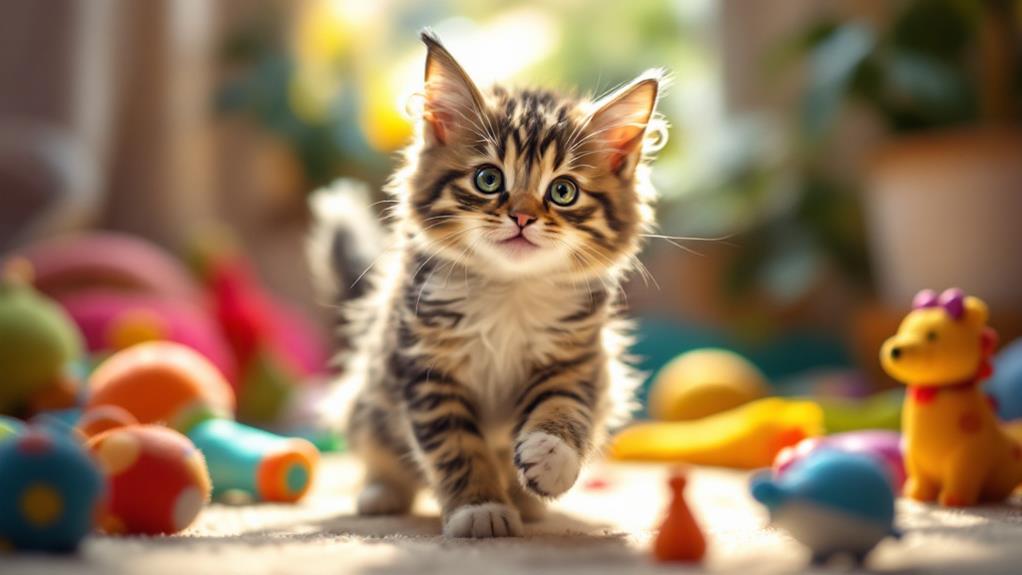
From the moment you welcome an American Curl into your home, you'll notice their affectionate nature and playful spirit. These social cats thrive on interaction, often seeking the company of family members for cuddling sessions. Their kitten-like playfulness never fades, making them a constant source of joy and laughter. Regardless of whether it's fetching or chasing toy mice, their energy and enthusiasm for play are infectious.
American Curls are known for their curiosity and love exploring their surroundings. You'll often find them involved in household activities, inspecting every nook and cranny with their keen eyes. This interactive behavior makes them engaging companions, always keen to be part of the action. Their friendly demeanor guarantees they adapt well to families and other pets, making them ideal for multi-pet households.
Here are some traits that highlight their character:
- Affectionate Nature: Loves cuddling and being close to family members.
- Playful Spirit: Engages in games and playful antics.
- Social Cats: Thrives in multi-pet environments.
- Exploring Surroundings: Actively investigates their environment.
- Friendly Demeanor: Easily forms bonds with people and animals alike.
Their early morning nudges to wake you up are a reflection of their enthusiasm for interaction each day.
Appearance and Coat Varieties
Distinguished by their unique backward-curling ears, American Curls captivate with their distinct appearance. As a medium-sized cat, they typically weigh between 3 to 5 kg and have a body structure featuring a longer head and shorter front legs. This distinctive look is further improved by their curled ears, which begin to develop between one to two weeks of maturity and stabilize by four months. The American Curl's genetic diversity allows for a wide array of colors and patterns, so you'll have plenty of eye-catching combinations to choose from.
You'll find American Curls in both longhaired and shorthair varieties, each boasting silky coats that feel delightful to the touch. Longhaired American Curls come with an elegant plumed tail, adding to their general allure. Despite their luxurious appearance, both coat types require minimal grooming. Shorthair Curls benefit from a weekly brushing, while the longhaired variety only needs occasional attention to maintain its sleek look. Their minimal undercoat means they don't shed excessively, making grooming a breeze. If you're looking for a visually stunning cat with manageable grooming needs, the American Curl is an excellent choice, offering both beauty and ease in one package.
Care and Maintenance
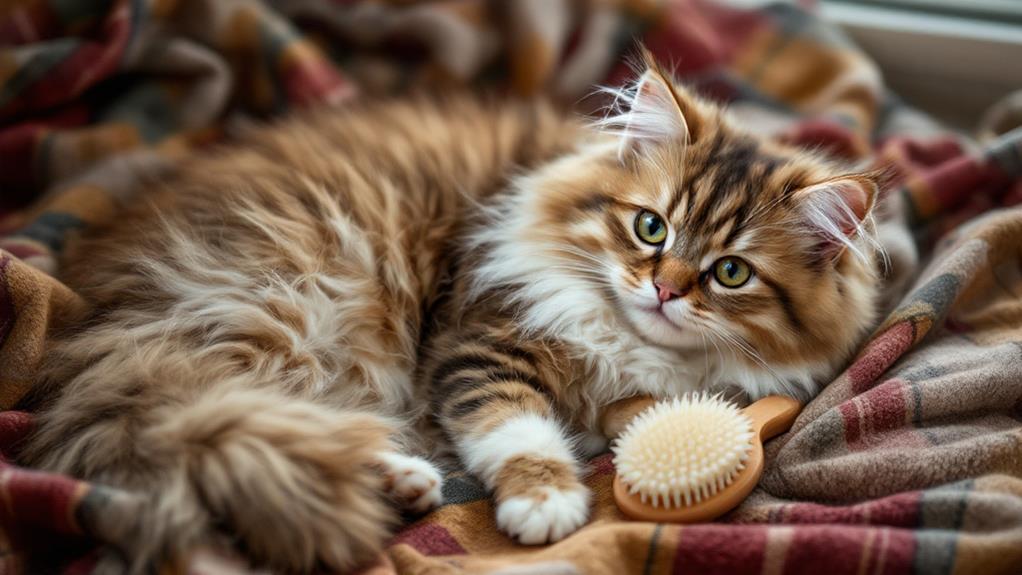
While the American Curl's unique appearance may catch your eye, ensuring their health and happiness requires understanding their care and maintenance needs. This breed has a low-maintenance coat, with shorthair varieties needing only weekly grooming and longhaired ones requiring occasional brushing to prevent matting. Regular ear cleaning is important due to their sensitive ear cartilage, helping to prevent wax build-up and potential infections.
A balanced diet is key to maintaining their health. Choose high-quality, life-stage appropriate food and practice portion control to prevent obesity-related issues. For general wellness, routine nail trimming and dental care, including at-home brushing and professional cleanings, are necessary. This will help keep your American Curl healthy and avoid systemic problems related to poor dental hygiene.
Hydration is another significant aspect of their maintenance. Always provide fresh, clean water, ideally placed away from food to encourage proper hydration. This simple step can make a considerable difference in their general well-being.
- Weekly or occasional grooming: Depending on coat length, to prevent matting.
- Regular ear cleaning: Prevents wax build-up and infections.
- Balanced diet with portion control: Maintains healthy weight.
- Routine nail and dental care: Necessary for general health.
- Fresh water: Encourages proper hydration.
Health Considerations
Keeping your American Curl healthy involves understanding their specific needs and potential health concerns. Thanks to their large genetic pool from non-pedigree cats, American Curls are generally robust and less prone to hereditary health issues. However, their distinctively curled ears demand special attention. The sensitive ear cartilage can be prone to problems, and routine ear cleaning is vital to prevent wax build-up and infections. Regular veterinary consultations will help monitor the health of their ears and prevent any potential ear canal narrowing.
The breed's dominant curl gene, represented as Cu, doesn't exhibit any abnormalities, even in homozygous curls (CuCu) after two years. This guarantees that the unique curling feature isn't a source of health problems. Nevertheless, you should remain vigilant about their complete well-being.
Maintaining a healthy weight is significant for your American Curl. Obesity can lead to severe health issues like arthritis and diabetes, which affect one in three cats in the U.S. A balanced diet and portion control can help keep your cat at a favorable weight. By being proactive with their health, you can assure your American Curl leads a happy and healthy life.
Activity and Exercise Needs
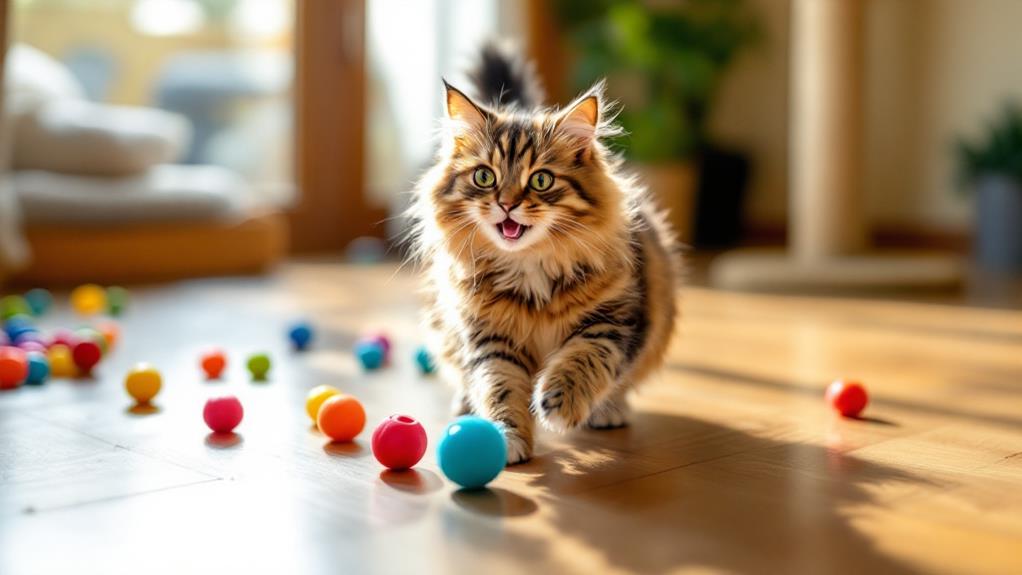
In regard to the American Curl's activity and exercise needs, they require daily engagement to support their physical and mental health. Known for their active and playful nature, American Curls thrive on a variety of activities that stimulate both their body and mind. Regular exercise isn't just a luxury for this breed; it's crucial for maintaining their well-being and preventing obesity. Incorporating interactive games into their routine, such as fetching and puzzle toys, keeps them entertained and sharp. Their kitten-like curiosity and energy persist into adulthood, making them a delightful companion but also one that needs consistent outlets for their energy.
To guarantee your American Curl stays happy and healthy, consider the following:
- Cat Trees: Provide vertical spaces for climbing and jumping, satisfying their love for heights.
- Interactive Games: Engage them with toys that challenge their minds and encourage movement.
- Daily Play Sessions: Dedicate time each day to play, reinforcing your bond and meeting their exercise needs.
- Puzzle Toys: Stimulate their problem-solving skills and keep them mentally engaged.
- Rotating Toys: Prevent boredom by regularly switching out their toys, keeping playtime exciting.
Finding a Breeder
When you're ready to welcome an American Curl into your home, finding a reputable breeder is vital. Start by checking trustworthy websites like TICA, where breeders adhere to a strict Code of Ethics. This guarantees they prioritize the health and well-being of the American Curls you'll love. A responsible breeder will provide health clearances, sharing information about the genetic background of the kittens. This is significant since, although generally healthy, American Curls can have specific ear-related sensitivities.
Curl kittens are born with straight ears, so it's necessary to understand the expected timeline for their unique ears to curl. Typically, this development happens between one to four months of maturation. Make certain to ask the breeder about this process to set your expectations accurately.
Meeting the kittens and their parents is another step a responsible breeder will encourage. This allows you to assess the cats' temperament and living conditions firsthand. While there, inquire about the breeder's experience with American Curls and their commitment to socializing the kittens. Proper socialization promotes friendly and adaptable personalities, setting your future pet up for a happy life with you.
Compatibility With Families and Other Pets
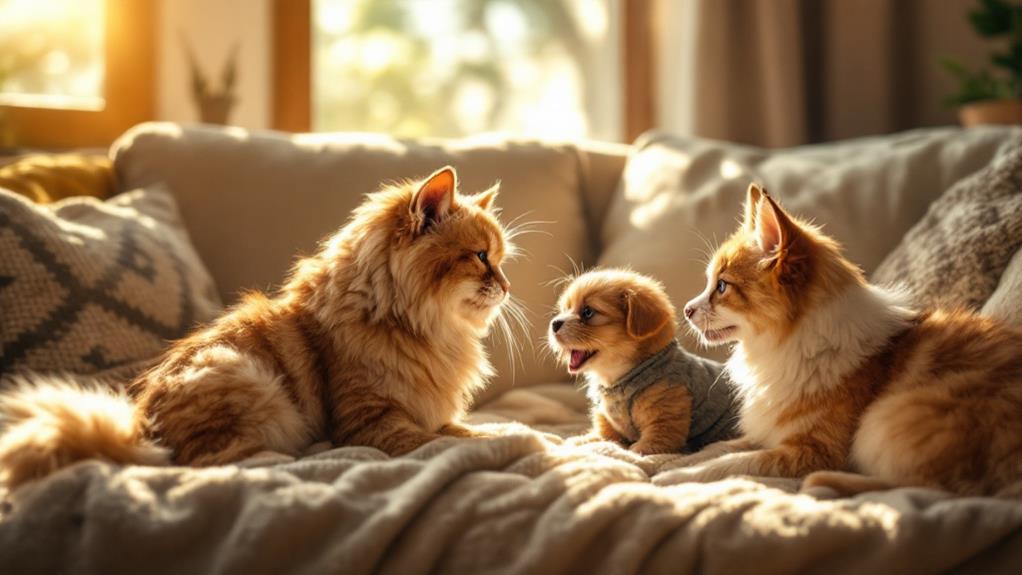
Recognized for their friendly and social nature, American Curls fit seamlessly into family life, thriving on interaction and involvement. Their playful and affectionate demeanor makes them perfect companions for families, especially those with children. You'll find that these cats are not only tolerant but also patient, making them ideal partners for kids. They engage in different games and activities, ensuring that every family member enjoys their presence.
American Curls are highly adaptable, making them an excellent choice for homes with other pets. In case you have a dog, another cat, or a mix of animals, these cats effortlessly blend into a multi-pet household. Their gentle and curious nature encourages them to investigate and form bonds with their surroundings, fostering harmony and amusement.
Here are some reasons why American Curls are a great enhancement to your family:
- Playful and energetic, they keep everyone entertained and active.
- Affectionate and gentle, they're patient with children's antics.
- Adaptable temperament, they get along with other pets like dogs and cats.
- Curious adventurers, they interact with their environment, providing endless amusement.
- Social and engaging, they thrive on family involvement and bonding.