All About Dog Bites: Prevention and Treatment
Dog bites are more common than you'd think, affecting nearly 4 million Americans annually. Preventing bites starts with understanding dog behavior, like recognizing signs of stress such as growling or tensing. As a dog owner, you should prioritize training and socialize your pet, keeping their vaccinations up to date. Supervise kids around dogs, and teach them to respect animals' space, especially while the dog eats or sleeps. If bitten, clean the wound immediately and seek medical attention. Don't forget to report the incident when necessary. There's much more to investigate regarding safety and effective treatment options.
Understanding Dog Bites
Understanding dog bites is fundamental for preventing unfortunate incidents. You might be surprised to learn that approximately 4 million Americans are bitten by dogs annually, with children being the common victims of dog bites. Children are more vulnerable, often due to their smaller size and lack of experience in reading dog body language. To prevent dog bites, it's imperative to understand dog behavior and recognize signs of discomfort or aggressive behavior, such as growling or tensing up. These signals are often overlooked, especially during play, leading to accidental bites.
Familiar dogs in home settings or neighborhoods are frequently involved in bite incidents, typically during normal, nonprovoking activities. Dogs can bite for numerous reasons, including stress, fear, or territorial instincts. As a caregiver, you should educate children on how to interact safely with dogs and be vigilant in observing their interactions. Knowing a dog's body language can help you spot potential issues before they escalate.
If a bite does occur, seeking immediate medical attention is critical to prevent infections and other complications. By understanding dog behavior and teaching others, you can greatly reduce the chances of becoming bite victims and promote safer interactions.
Common Causes of Bites
While recognizing dog behavior helps prevent bites, it's also vital to know the common causes behind these incidents. Dog bites often stem from situations where a dog feels threatened or scared. Fear can quickly turn into aggressive behavior, which might result in a bite. For prevention, understanding these triggers is fundamental for dog owners.
Children are particularly vulnerable to bites as they may not notice high-risk situations. They might unintentionally provoke a dog by invading its space or handling it roughly. Teaching children how to approach and interact with dogs safely can greatly reduce the risk of bites.
Accidental bites can occur during play, especially when a dog gets too excited or startled. Wrestling or roughhousing can lead to unintended bites if the dog becomes overwhelmed. It's significant for dog owners to monitor playtime closely to prevent these scenarios.
Resource guarding is another common cause of bites. Dogs may display aggressive behavior when protecting food, toys, or other valued items. This is particularly common in households with multiple pets. Being aware of these behaviors and taking preventive measures can help minimize the chances of dog bites. Understanding these factors can help create a safer environment for both dogs and people.
Dog Owner Responsibilities
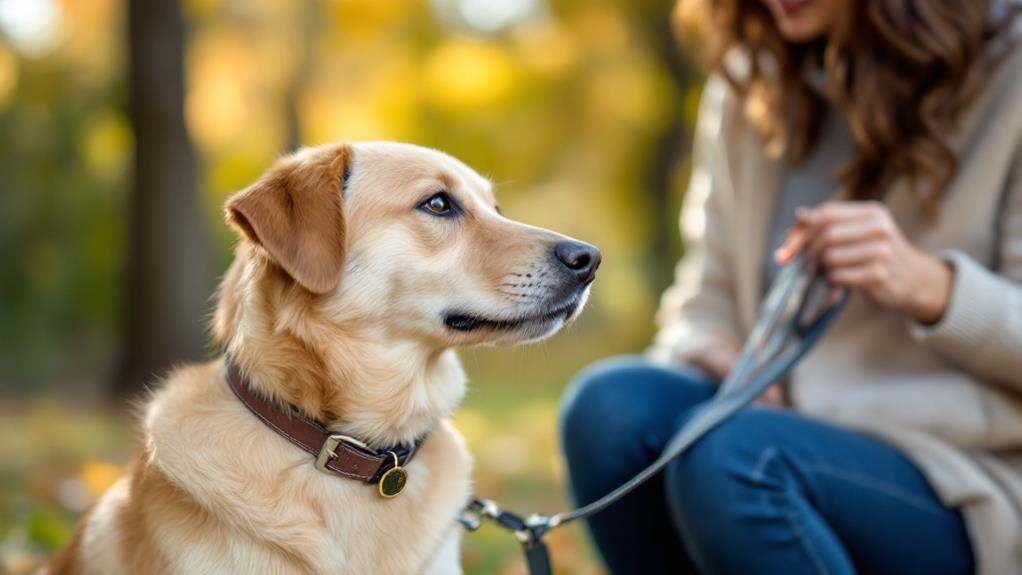
As a dog owner, you're responsible for confirming your pet is a suitable fit for your home and community. This involves understanding the history and dog behavior of your chosen pet. Selecting the right dog can greatly aid in bite prevention. Once you've chosen your pet, prioritize socializing dogs from a young stage. This reduces fear and aggression, promoting positive interactions with both people and animals.
Regular health check-ups and vaccinations with a health care provider are essential. They maintain your dog's physical well-being and help prevent illnesses that could trigger aggression. Furthermore, basic dog training is important. Teaching commands fosters obedience and trust, making it easier to manage your dog in different situations and reducing the risk of bites.
Supervising interactions between your dog and children is another significant responsibility. It's necessary to teach children not to approach dogs they are unfamiliar with, as familiar dogs are often involved in bite incidents. As almost half of all bites involve children, your vigilance is essential. Lastly, seeking medical advice when necessary confirms your dog remains healthy and well-behaved, further supporting your efforts in bite prevention.
Recognizing Canine Signals
Recognizing canine signals plays a significant role in preventing dog bites, building on your responsibilities as a dog owner. Understanding a dog's body language is fundamental for interpreting their emotions and intentions. For instance, raised ears, puffed fur, and a stiff stance often indicate aggression. Conversely, signs of fear in dogs might include crouching, avoiding eye contact, or yawning. These behaviors suggest discomfort or stress and should prompt you to remain calm.
When you approach a strange or unfamiliar dog, it's imperative to observe their entire body language. Tail wagging doesn't always mean friendliness; consider the context and accompanying posture. Mixed signals, like a relaxed yet tense posture, can reveal uncertainty in a dog's behavior. By paying attention to these cues, you can prevent potential dog bites and guarantee a safer environment for everyone.
Being aware of these signals is significant, especially since many bite victims misinterpret or overlook a dog's discomfort. Regardless of whether you're dealing with your own pet or an unfamiliar dog, recognizing the signals a dog shows can help you take the right actions, ultimately aiding in preventing dog bites effectively.
Prevention Strategies
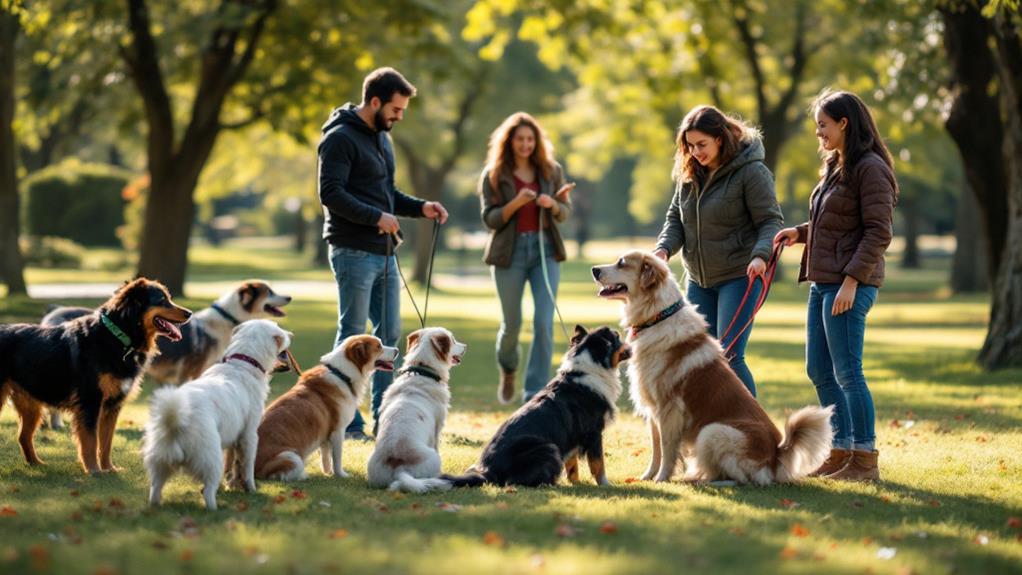
How can you effectively prevent dog bites and guarantee safety around dogs? Start by supervising all interactions between children and dogs. Since children account for more than half of dog bite victims and are vulnerable to serious injuries, close supervision is vital. Teach children to respect a dog's space by explaining that they shouldn't disturb dogs while they're eating, sleeping, or caring for puppies. This respect can notably reduce the risk of bites.
When you encounter an unfamiliar dog, always ask the owner for permission before petting. Approach the dog calmly to avoid startling it. Understanding and recognizing dog body language is important. Be aware of signals like raised ears or growling, which indicate discomfort or aggression. This awareness helps in preventing potential bites.
In public settings, keep your dog on a leash. It guarantees you maintain control and helps prevent unexpected aggressive interactions with other dogs or people. By following these prevention strategies, you create a safer environment for everyone involved. Remember, cooperation and respect between humans and dogs can greatly reduce the likelihood of injuries from bites. Stay vigilant and foster a harmonious relationship with man's best friend.
Initial Wound Care
When you or someone else is bitten by a dog, quick and proper initial wound care is vital to prevent infection and promote healing. Start by immediately cleaning the bite wound with mild soap and running water for at least 5-10 minutes. This step is significant to reducing the risk of infection. After washing, assess the wound. Check for lacerations or puncture wounds, as these might require more attention. Flush the wound with normal saline or Ringer's lactate to further minimize infection risk.
Next, raise and immobilize the affected area. Doing so helps decrease swelling and aids in faster healing. Keep an eye out for any signs of infection, such as redness, warmth, or pus. It's crucial to seek professional medical attention within 24 hours, especially if the skin has been broken. Deeper wounds might need stitches, and a tetanus shot could be necessary if you're not up-to-date.
Keep a detailed record of all wound care steps and follow-up appointments. A reexamination within 24 to 48 hours is advisable to guarantee proper healing and to check for any complications. Proper wound care is your primary line of defense against infections and complications.
Antibiotic and Rabies Management
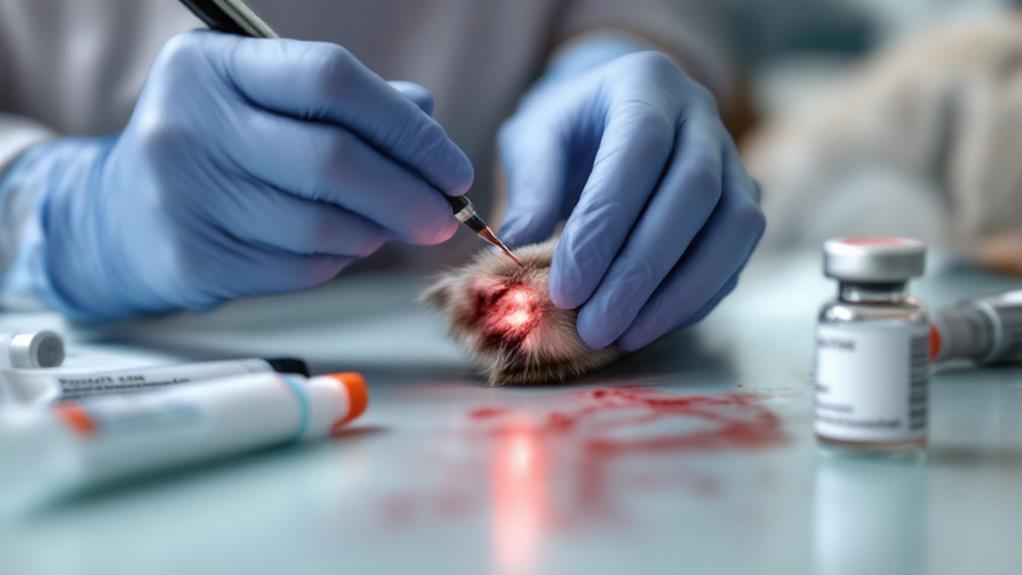
Managing dog bite wounds effectively involves addressing both infection risks and potential rabies exposure. When dog bites occur, around 15-20% of these wounds become infected, often with pathogens like Pasteurella multocida and Staphylococcus aureus. To minimize infection risk, you should apply an antibiotic ointment and consider prophylactic antibiotics such as amoxicillin-clavulanate potassium, particularly for puncture wounds. The recommended duration for these antibiotics is 3-7 days.
Moreover, evaluating the vaccination status of the dog is vital. If this information is unavailable or the bite was unprovoked, you face a higher risk of rabies. In such cases, immediate medical attention is important. Rabies management involves starting the rabies vaccine within 48 hours, along with a rabies immune globulin (RIG) for those unvaccinated. Those with prior vaccination may follow a different protocol.
Don't hesitate to visit the emergency room if systemic infection signs or severe cellulitis appear. Hospitalization might be necessary for thorough care and monitoring. Quick action and proper management of dog bite wounds can greatly reduce complications and guarantee a safer recovery.
Reporting Bite Incidents
Reporting dog bite incidents is fundamental for public safety and preventing future attacks. When a dog bites, it's imperative to inform local animal control authorities, especially if the dog shows unusual behavior or lacks rabies vaccinations. Providing detailed information about the dog's appearance and behavior, along with the circumstances surrounding the incident, helps officials track potentially dangerous dogs. This can lead to necessary interventions to prevent future incidents.
In many places, reporting a dog bite isn't just advisable; it's a legal obligation. This is particularly true if the victim seeks medical treatment. Accurate documentation of the incident is crucial. Photographs of the wound and statements from witnesses can be indispensable if legal proceedings arise or if follow-up actions are needed.
Safe Practices With Dogs
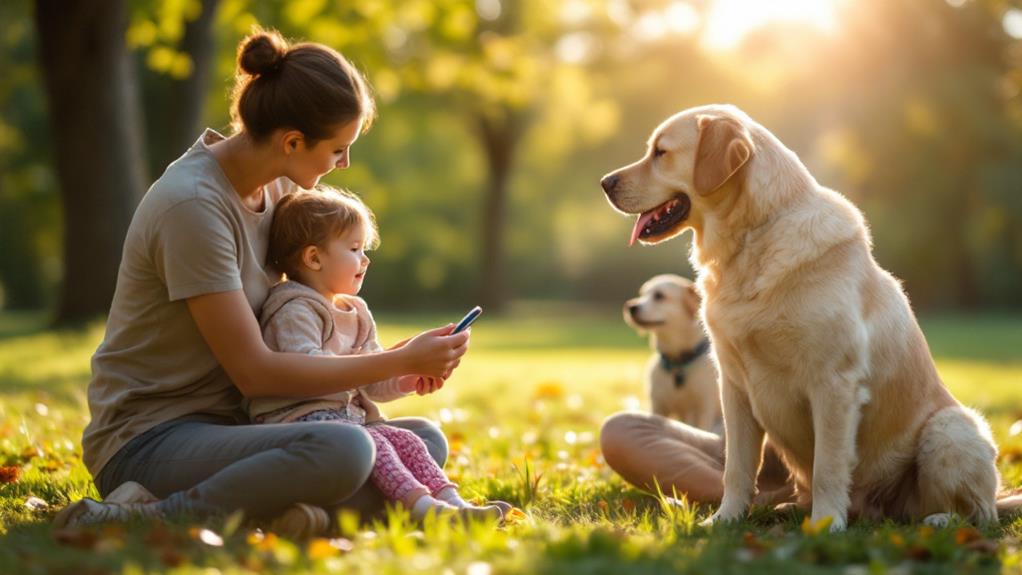
Before interacting with unfamiliar dogs, it's crucial to adopt safe practices that guarantee both your safety and the dog's comfort. Initially, always ask the dog's owner for permission before you attempt to pet a dog. This secures the dog's comfort and minimizes the risk of bite wounds. When you approach dogs, do so calmly, allowing them to sniff your closed hand. This helps establish trust and reduces anxiety.
When you pet a dog, aim for the shoulders or chest rather than the head, as many dogs feel more secure with this approach. It's important to avoid direct eye contact with strange dogs, as it can be perceived as a threat. Instead, turn your body sideways to appear less intimidating.
Teach children to respect a dog's space by avoiding interactions when the dog is eating, sleeping, or caring for puppies. This helps prevent stress-induced bites and fosters a safer environment. Ultimately, if you're approached by an unknown dog, stay calm and use these safe practices to reduce the likelihood of an adverse reaction. By adopting these measures, you'll promote a positive experience for both you and the dogs you encounter.