Alaskan Malamute: The Powerful and Loyal Sled Dog

You'll find the Alaskan Malamute is a remarkable breed, known for its strength and loyalty, originally bred by the Mahlemiut tribe for Arctic expeditions. Standing up to 25 inches tall, these dogs boast a thick double coat and unmistakable intelligence. They're affectionate but independent, needing firm, consistent training. Daily vigorous exercise is a must, including activities like hiking or sled pulling. Despite their robust nature, they require regular grooming and are prone to hip dysplasia. With careful breeding, their companionship spans 10-14 years. To uncover more about this incredible sled dog, let's continue your exploration further.
Origin and History
The Alaskan Malamute's origin story is deeply intertwined with the Mahlemiut tribe in northwestern Alaska, where these resilient dogs were bred for strength and endurance. These remarkable canines were essential to the tribe's survival, capable of hauling heavy freight and hunting in the unforgiving Arctic regions. Their history stretches back thousands of years, with ancestors that crossed the Bering Strait from Siberia, illustrating their deep-rooted connection to harsh environments.
During the 1800s gold rush, Alaskan Malamutes gained significant popularity as sled dogs. You would have seen them tirelessly working to transport goods and people through the treacherous, snow-laden landscapes. Their endurance and reliability made them priceless as working dogs during this period. The Malamutes' significance didn't stop there; they played pivotal roles in polar expeditions, accompanying explorers like Richard E. Byrd on Antarctic missions. Even in World War II, they served as rescue dogs, showcasing their loyalty and versatility.
Recognizing their worth, the American Kennel Club officially acknowledged the breed in 1935. Today, Alaskan Malamutes are celebrated not only for their working prowess but also as loyal companions, embodying their rich history and enduring spirit.
Physical Traits
You'll quickly notice the Alaskan Malamute's impressive stature, standing between 23 to 25 inches tall at the shoulder. This breed's physical traits are truly remarkable. Males typically weigh between 85 to 100 pounds, while females range from 75 to 85 pounds, showcasing their muscular build. These strong dogs are perfectly suited for pulling heavy sleds across harsh terrains.
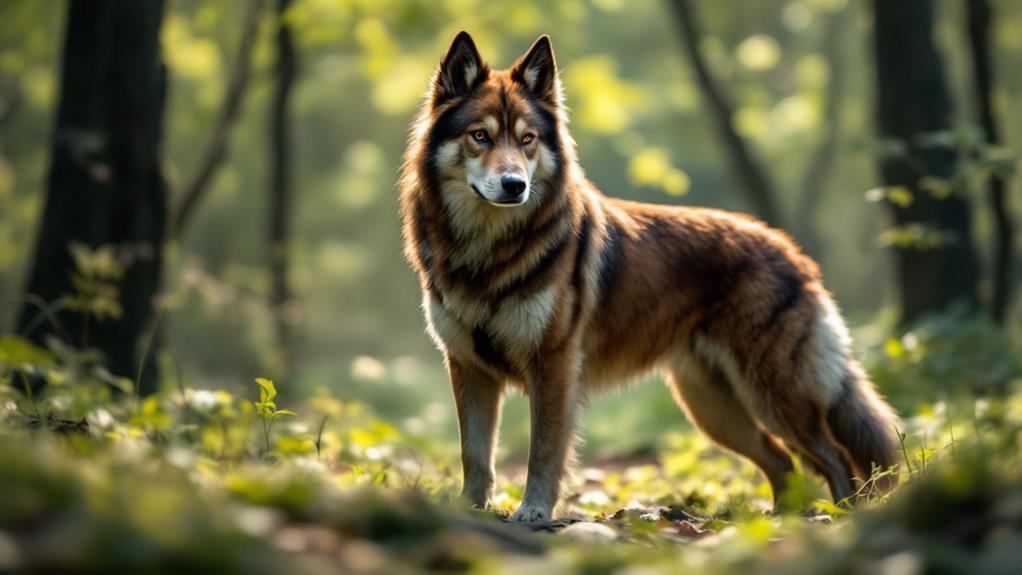
The Alaskan Malamute's thick double coat is one of its most defining characteristics. It features a dense undercoat for insulation and a coarse outer coat, which can come in different colors, including gray, black, sable, and red. This coat not only provides warmth but also contributes to their majestic appearance.
Their striking looks are further improved by distinctive facial markings and dark almond-shaped eyes, which exhibit both intelligence and alertness. Erect triangular ears give them an attentive expression, always ready for action. The bushy tail, often carried over the back, provides extra warmth during cold conditions.
With a lifespan of 10 to 14 years, Alaskan Malamutes make long-term companions for those who can match their energy and endurance. Their impressive physical traits make them a truly iconic sled dog breed.
Temperament Overview
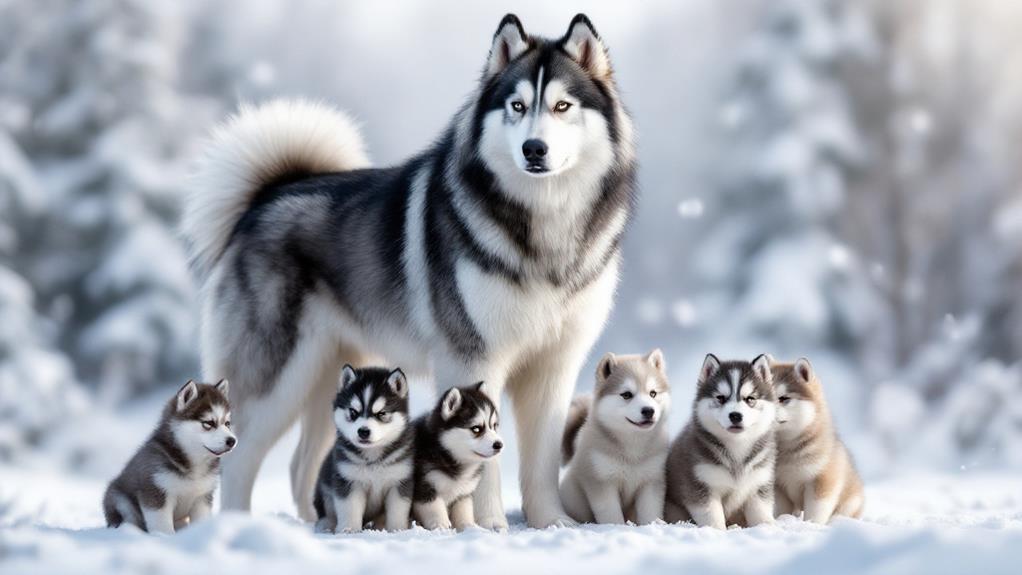
In relation to temperament, Alaskan Malamutes are known for their friendly, outgoing nature, making them affectionate companions and beloved family pets. However, their independent nature means they can be strong-willed and require experienced ownership to handle effectively. You'll find that consistent training methods are vital to guide this powerful breed, as they can easily develop undesirable habits without proper direction.
These social dogs thrive on human interaction and companionship, making them loyal members of the family. Yet, it's important to remember their strong prey drive. Alaskan Malamutes need careful supervision when outdoors, especially around smaller animals. Early socialization is key to guaranteeing they develop a well-rounded personality. Introducing them to a variety of environments and other pets early on helps them coexist peacefully and adapt to different situations.
While generally gentle giants, the Malamute's strength and energy levels can present challenges. They might not be the best fit for households with very young children or elderly individuals unless proper training and supervision are in place. Understanding and respecting their unique temperament will guarantee that your Alaskan Malamute remains a loyal and cherished companion.
Exercise Requirements
Meeting the exercise needs of an Alaskan Malamute is vital for maintaining their health and happiness. These magnificent dogs have high energy levels and require at least 1 to 2 hours of vigorous exercise daily. Without it, they may develop behavioral issues. To keep them physically and mentally stimulated, consider engaging them in activities such as hiking, running, or even pulling sleds. Alaskan Malamutes thrive in cold climates, making them perfect companions for winter sports and outdoor adventures.
As pack-oriented dogs, Malamutes benefit greatly from social interaction during exercise. They enjoy the companionship of other dogs or humans, which adds to their general well-being. When exercising your Malamute, make sure they have access to a spacious area where they can move freely. Their strength and endurance mean they're not suited for apartment living, so a secure outdoor space is vital.
Here are some activities to meet their exercise requirements:
- Hiking: Investigate trails while enjoying nature's beauty.
- Running: Great for burning off excess energy.
- Sled pulling: Perfect for showcasing their sled dog heritage.
- Snowshoeing: Engage in winter sports together.
- Dog parks: Encourage social interaction with other dogs.
Training Techniques
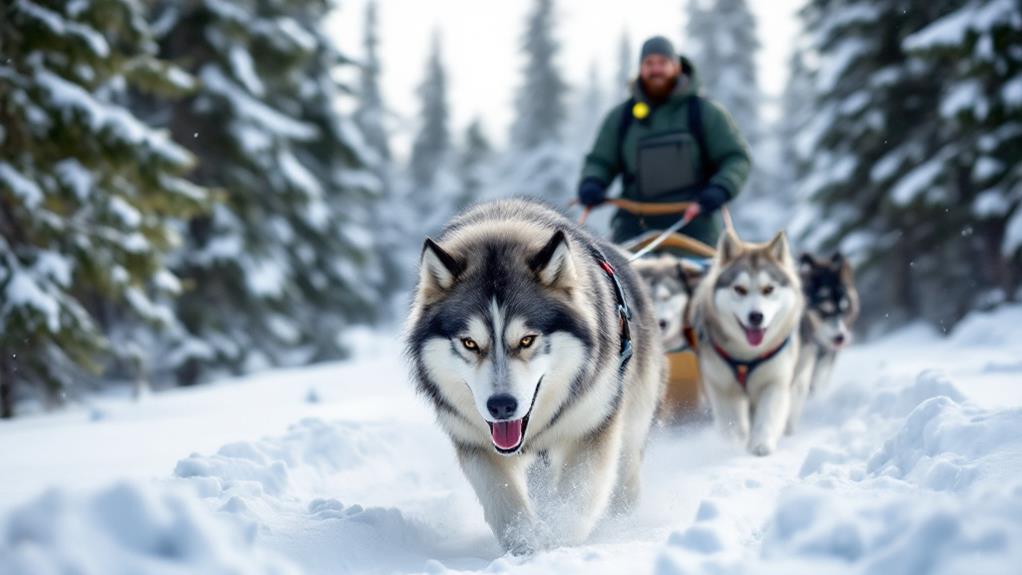
With their high energy levels and need for mental stimulation, Alaskan Malamutes not only benefit from vigorous exercise but also thrive with structured training. Using consistent training methods is vital for these independent and strong-willed dogs. Positive reinforcement, like treats and praise, is the most effective approach. Start with early socialization to help them develop a well-rounded temperament, ensuring they coexist peacefully with other pets and people.
Keep training sessions short and varied to maintain their interest and engagement. Their intelligence demands both physical and mental stimulation, so mix up activities to keep them on their toes. Teaching basic commands and proper leash manners early on is key. This not only establishes a strong foundation for obedience but also fosters a deeper bond between you and your Malamute.
Incorporating dog sports into your routine is a fantastic way to combine training with fun. Alaskan Malamutes excel in these activities, providing an opportunity for physical and mental challenges in a controlled environment. By focusing on these methods, you'll help your Malamute become a well-adjusted and loyal companion, strengthening the bond you share while ensuring they lead a balanced and fulfilling life.
Health Concerns
Though Alaskan Malamutes are generally robust dogs, they're susceptible to certain health issues that can impact their quality of life. One of the primary health concerns is hip dysplasia, a genetic condition affecting their joints. Regular veterinary check-ups are vital for early detection of such issues, along with monitoring for other common problems like elbow dysplasia and hypothyroidism. These check-ups also help catch day blindness, a condition caused by cone degeneration.
A balanced diet is fundamental for maintaining your Malamute's health. Obesity is a common issue in this breed, so it's significant to control portions and keep an eye on their weight. Since Alaskan Malamutes are sensitive to heat, verify they have access to shade and fresh water, especially during warmer months. Responsible breeding practices, including genetic testing, can reduce hereditary health risks and boost their longevity, typically between 10 to 14 years.
To sum up, consider these key points:
- Hip dysplasia: A genetic joint issue.
- Regular veterinary check-ups: Fundamental for early detection.
- Balanced diet: Prevents obesity, a common concern.
- Sensitivity to heat: Requires careful management.
- Longevity: Improved by responsible breeding and genetic testing.
Grooming Needs
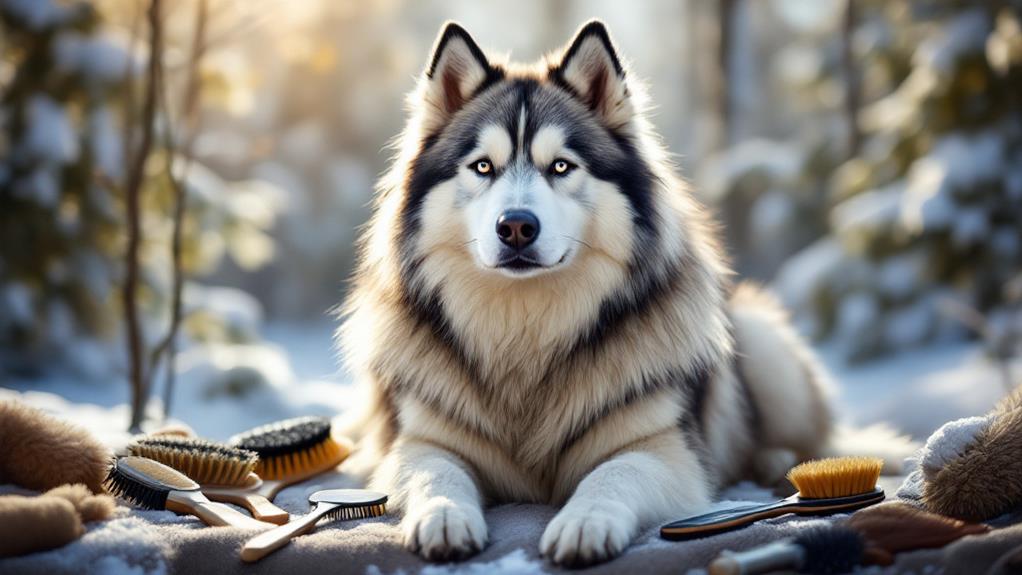
Alaskan Malamutes have a thick double coat that requires regular grooming to keep it in top condition. To manage their luxurious fur, you'll want to engage in regular brushing, especially during shedding seasons. Daily brushing during these times prevents mats and tangles and helps manage the considerable amount of loose fur they produce. Bathing should be infrequent, preserving the coat's natural oils and making sure it maintains its health and sheen. Aim to bathe them only when they're particularly dirty or have a strong odor.
Routine grooming doesn't stop at brushing. Nail trimming is crucial, and you should do it 1-2 times per month to prevent overgrowth that can affect their gait and overall well-being. Ear cleaning is similarly significant, as it helps ward off infections and keeps their ears healthy. These regular maintenance tasks not only contribute to their physical well-being but also serve as a bonding activity. Your Alaskan Malamute's affectionate nature means they'll appreciate the attention, enhancing their comfort and trust in you. By incorporating these grooming practices, you'll make sure your Malamute remains healthy and happy, while strengthening your bond with your loyal companion.
Lifestyle Compatibility
Taking care of an Alaskan Malamute's grooming needs is just one aspect of guaranteeing their well-being; understanding their lifestyle compatibility is likewise significant. Alaskan Malamutes thrive in active families that can provide the daily exercise they crave. As large dogs with an Arctic heritage, they're built for long walks and vigorous play sessions. Without sufficient activity, these social dogs may develop behavioral issues, making regular exercise critical.
Their need for companionship is just as significant. Malamutes are happiest in environments where they're part of the family, receiving plenty of attention. If left alone too often, they might become destructive, resorting to digging or howling. Secure outdoor spaces are essential since apartment living isn't suitable for their size and energy levels.
Additionally, mental stimulation is fundamental. Engaging them in interactive play or training challenges keeps their sharp minds busy. Remember, these dogs are sensitive to heat, so guarantee they have access to shaded areas and cool environments, especially in warmer climates.
Here's what to keep in mind for a harmonious lifestyle with an Alaskan Malamute:
- High energy levels require daily exercise
- Large, secure outdoor spaces are crucial
- Strong social needs demand ample human interaction
- Sensitivity to heat due to their Arctic heritage
- Significance of mental stimulation to prevent boredom
Choosing a Breeder
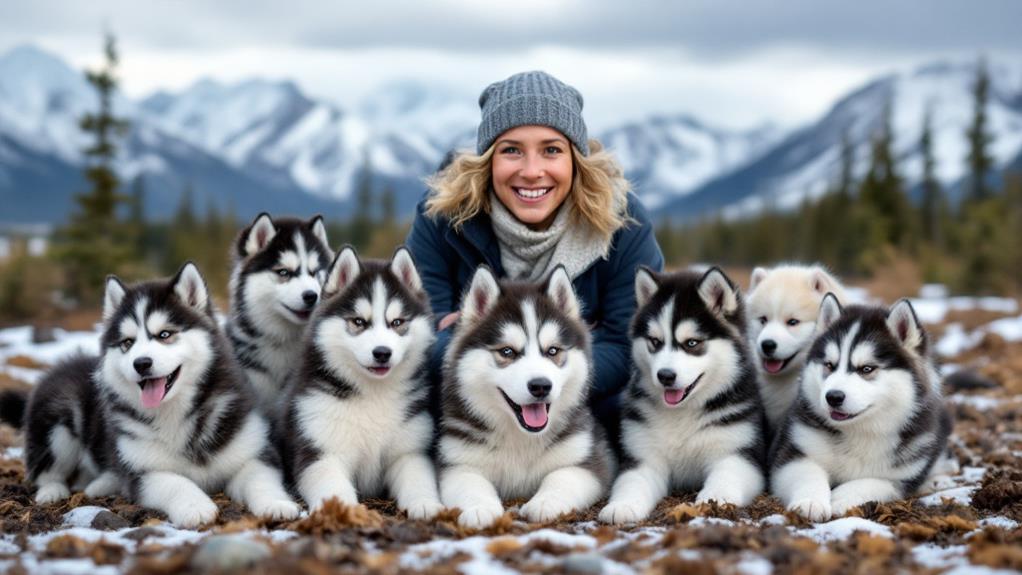
Selecting the right breeder is a vital decision that shapes your experience with an Alaskan Malamute. Start by seeking breeders recognized by the American Kennel Club (AKC), as they adhere to breed standards and show a strong commitment to maintaining the breed's integrity. Look for those who perform thorough health screenings to identify genetic issues like hip dysplasia, hypothyroidism, and eye conditions. This guarantees your puppy's long-term health and well-being.
When choosing, inquire about the breeder's experience with Alaskan Malamutes. Their involvement in dog shows, sledding competitions, or other canine activities can reflect their dedication and understanding of the breed. Visiting the breeding facility is vital; it should be clean, safe, and conducive to socializing puppies properly. Observe the living conditions to guarantee the puppies receive the necessary care and attention.
Don't hesitate to ask for references from previous puppy buyers. This will help you gauge the breeder's reputation and the quality of puppies they've produced, focusing on temperament and health outcomes. By following these guidelines, you'll find a breeder who shares your passion and commitment to raising a healthy, loyal Alaskan Malamute.