Akita: The Fearless and Noble Japanese Dog
You're likely captivated by the Akita, a fearless and noble breed with deep roots in Japan. Originally bred as hunting companions over a millennium ago, these dogs evolved into esteemed guardians during the Tokugawa Shogun period. Preservation efforts post-World War II, including Hachiko's famous story, saved the breed from extinction. Today, distinct differences exist between the traditional Japanese Akitainu and the larger American Akita. Though their formidable appearance might seem intimidating, Akitas are loyal and gentle by nature. Uncovering their history, characteristics, and unique requirements will greatly improve your appreciation for this remarkable breed.
Historical Background
The Akita breed has a rich history that dates back over 1,000 years in Japan. Initially, they were known as Matagiinu and served as skilled hunting companions, adept at tracking and holding large prey such as bears and wild boars. Throughout the Tokugawa Shogun period, these dogs were selectively bred for larger sizes, enhancing their role as noble guardians of both property and people. This historical breeding focus paved the way for the development of the American Akita, a distinct breed that evolved from imported lines after World War II.
During those tumultuous post-war years, the Akita faced near extinction, but dedicated efforts, including the founding of the Akitainu Hozonkai in 1927, helped preserve the breed. The Akita's designation as a natural monument in 1931 further reinforced its significance in Japanese culture. Hachiko's story, showcasing the breed's unwavering loyalty, captured hearts worldwide, guaranteeing the Akita's place in popular culture.
For modern families, the American Akita can make a wonderful family pet, provided there's early socialization. This guarantees the dog grows up well-adjusted and loyal, a true reflection of its noble and fearless heritage.
Breed Development
As history set the stage for the Akita's evolution, breed development took a dynamic turn, driven by both adversity and dedication. Initially known as Matagiinu, these dogs were adept hunting companions over 1,000 years ago in Japan. Their expedition began in the rugged terrains, but it was during the Tokugawa Shogun period that the Akita dog breed became famous for their larger size and imposing stature. Nobility sought them out, not just for companionship, but as guardians, signifying status and strength.
Through the medieval period, the Akita's core characteristics remained intact. They adapted seamlessly from hunting roles to guard duties, safeguarding properties and people. However, after WWII, the breed faced near-extinction due to adverse wartime practices.
Efforts to revive the Akita resulted in distinct paths — the Japanese Akitainu and the American Akita. Japanese breeders focused on maintaining the traditional Nihonken traits, while American breeders introduced Western influences, creating two unique lines.
Here's how the Akita's development shaped its legacy:
- Adaptation from hunting to guarding roles
- Evolution during the Tokugawa Shogun period
- WWII challenges and revival efforts
- Emergence of Japanese and American Akita distinctions
This expedition reflects the breed's fearless and noble spirit.
Preservation Milestones
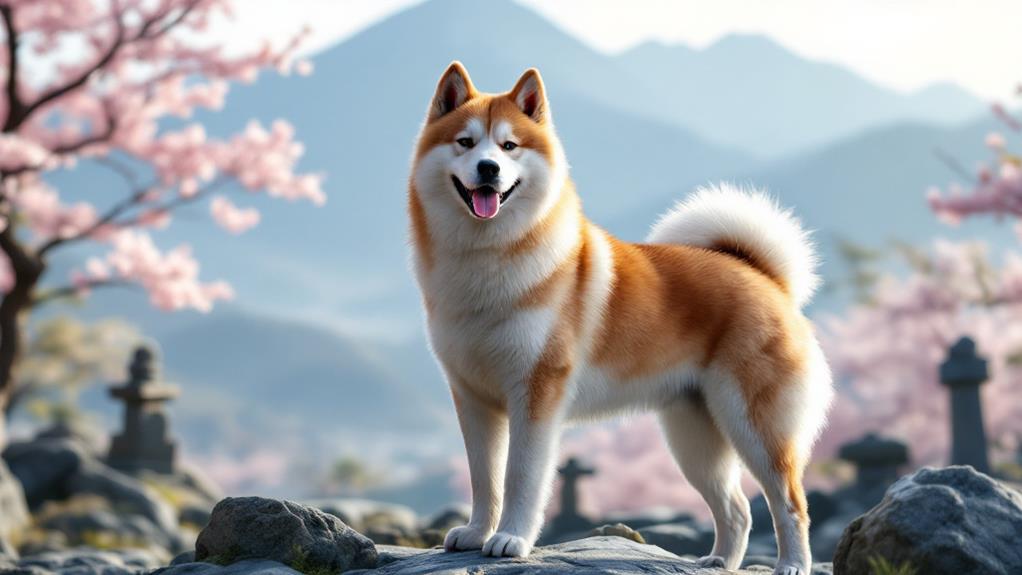
Preservation efforts for the Akita breed have crucial in ensuring its rich heritage and unique traits are not lost. The Akitainu Hozonkai, established in 1927, was the pioneer in breed advocacy, focusing on maintaining the Akita's distinct characteristics and cultural significance. This society played a critical role in addressing conservation challenges, especially as the breed faced threats of extinction during turbulent periods.
In 1931, Japan designated the Akita as a natural monument, underscoring its cultural significance and reinforcing the need for its conservation. This recognition highlighted the breed's importance and supported ongoing preservation initiatives. The story of Hachiko in 1932 further amplified the breed's recognition worldwide, symbolizing the Akita's loyalty and noble spirit.
Helen Keller's introduction to the Akita in 1937 marked a turning point for international awareness. Her advocacy contributed greatly to the breed's popularity in the United States, expanding its global presence. After World War II, the breed faced near extinction due to war-related hardships and changing breeding practices. However, post-war preservation efforts proved crucial, reviving the Akita and ensuring its survival for future generations. These milestones continue to inspire ongoing efforts in conserving this noble breed.
Japanese vs. American Akita
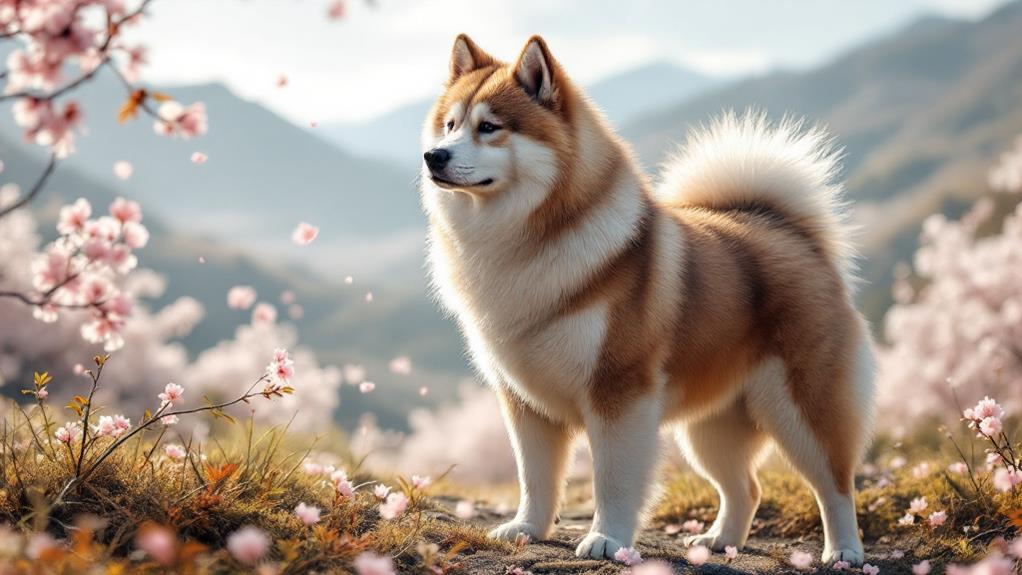
When comparing the Japanese Akita, known as Akitainu, and the American Akita, you'll notice intriguing differences rooted in their distinct breeding histories. The Japanese Akita is celebrated for its cultural significance, as it retains traditional Nihonken characteristics. In contrast, the American Akita, influenced by imported lines, has evolved with a focus on size and an imposing appearance. Breed recognition also varies; the Japanese Akita is often recognized for its fox-like face and slender build, while the American Akita is known for its broad head and stockier body.
In terms of temperament, the Japanese Akita tends to be more reserved and gentle, whereas the American Akita exhibits a dominant and protective nature. These traits impact training approaches, as each breed requires different techniques to manage their distinct characteristics. Health considerations are crucial for both, but due to their breeding histories, they may face different health challenges.
- Japanese Akita (Akitainu): Known for cultural significance and traditional traits.
- American Akita: Larger, imposing presence with a focus on size.
- Temperament: Japanese Akita is gentle; American Akita is protective.
- Health considerations: Vary due to breeding practices.
Both breeds share loyalty and guarding instincts, making them remarkable companions.
Common Misconceptions
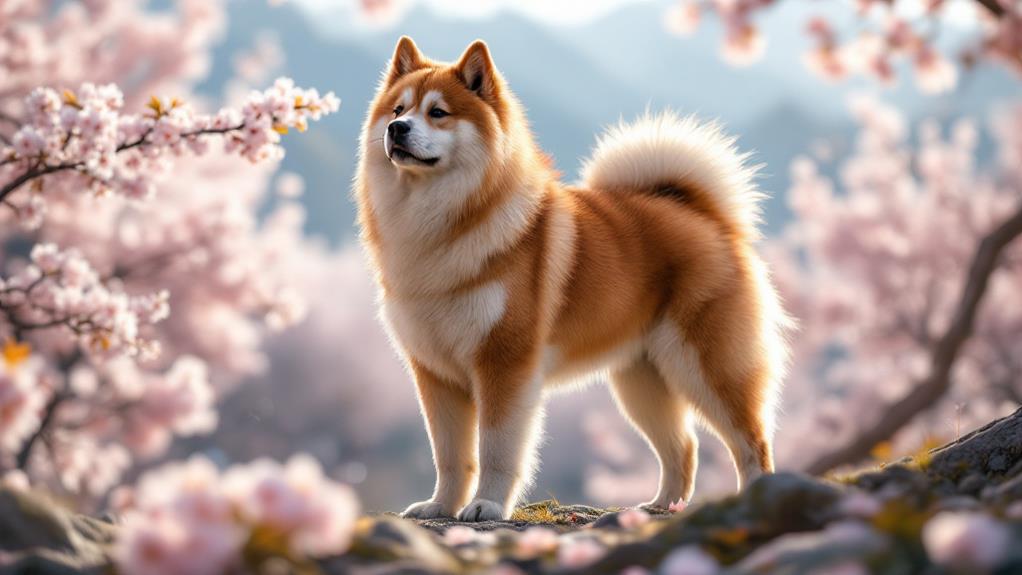
While exploring the differences between Japanese and American Akitas, it's vital to address the common misconceptions surrounding these remarkable dogs. One prevalent Akita myth is that they're inherently aggressive. In reality, their protective nature arises from loyalty and a natural suspicion of strangers, not aggression. Understanding this helps in appreciating their character rather than fearing it.
Another misconception is that Akitas are easy to train. They possess a strong will and stubbornness, presenting training challenges for inexperienced owners. It's significant to approach training with patience and consistency, recognizing that their independent spirit requires a more nuanced technique than some other breeds.
People often assume all Akitas are the same, overlooking the distinct differences in appearance and temperament between the Japanese Akitainu and the American Akita. This misunderstanding can lead to mismatched expectations for new owners.
Additionally, many believe Akitas fit any family, but they thrive best with experienced owners who understand their dominant traits. The significance of early socialization can't be overstated; it's vital for managing their high prey drive and ensuring they behave well around other pets and people. Proper socialization helps dispel the myth of inherent aggression and fosters a well-rounded companion.
Physical Traits
Towering between 24 to 28 inches and weighing 70 to 130 pounds, the Akita commands attention with its impressive size and strength. When you encounter this noble breed, you'll notice its powerful presence, largely due to its muscular build. An Akita's frame is strong and robust, designed for agility and endurance, which reflects its alert and courageous nature.
A standout feature of the Akita is its thick, double-layered coat. This coat consists of a protective outer layer and a soft, insulating undercoat, enabling the breed to withstand a range of weather conditions, from the harsh cold to the damp rain. The maintenance of the coat is crucial to keep it healthy and lively, so regular grooming is a must.
One of the most distinctive traits you'll observe is the Akita's tail curl. This tail is carried gracefully over the back, creating a striking silhouette that's common among spitz breeds. It adds to the breed's regal appearance and balance.
Here are some quick facts about the Akita's physical traits:
- Muscular build: Strong bones and powerful muscles.
- Coat characteristics: Thick double coat for weather protection.
- Tail curl: Distinctively curled above the back.
- Imposing stature: Tall and robust frame.
Behavior and Traits

From the moment you meet an Akita, you'll notice their unwavering loyalty and protective nature, traits that make them exceptional guardians of both family and property. Their strong will and independence shine through, often mistaken as stubbornness. It's essential to implement effective socialization strategies early on. Introducing them to diverse environments, people, and other animals helps manage their dominant personality traits and curbs their high prey drive. This socialization guarantees they grow into well-rounded companions.
Akitas are known for their gentle disposition and fearless attitude, creating a unique blend in their personality. While they're affectionate with family members, their vigilant nature means they're always alert to potential threats. However, this vigilance can sometimes lead to challenges when they interact with other pets. To mitigate this, consistent training techniques are necessary. These techniques should focus on reinforcing positive interactions and setting boundaries.
Training Essentials
Understanding the Akita's behavior and traits lays the groundwork for effective training. Early socialization is vital for your Akita, as it helps them develop proper behavior and reduces aggression or wariness towards strangers and other pets. You should expose your Akita to different environments, people, and animals to foster their adaptability and confidence. Consistent and firm training techniques are fundamental to manage their dominant traits and occasional stubbornness. Positive reinforcement methods like praise and treats can be very effective, as Akitas respond better to rewards than harsh discipline.
Your training sessions should be short and engaging to keep your Akita's interest. A well-structured approach helps harness their independent nature, which may lead them to lose focus during prolonged sessions. Experienced owners are often recommended for Akitas due to their loyalty and protective instincts. Knowledgeable handling guarantees a well-adjusted companion.
Here are some tips to take into account:
- Start socialization early: Introduce them to different settings and experiences.
- Use positive reinforcement: Reward desired behaviors with treats or praise.
- Keep sessions short: Maintain their focus and interest.
- Be consistent: Establish clear rules and expectations.
Responsibilities of Ownership
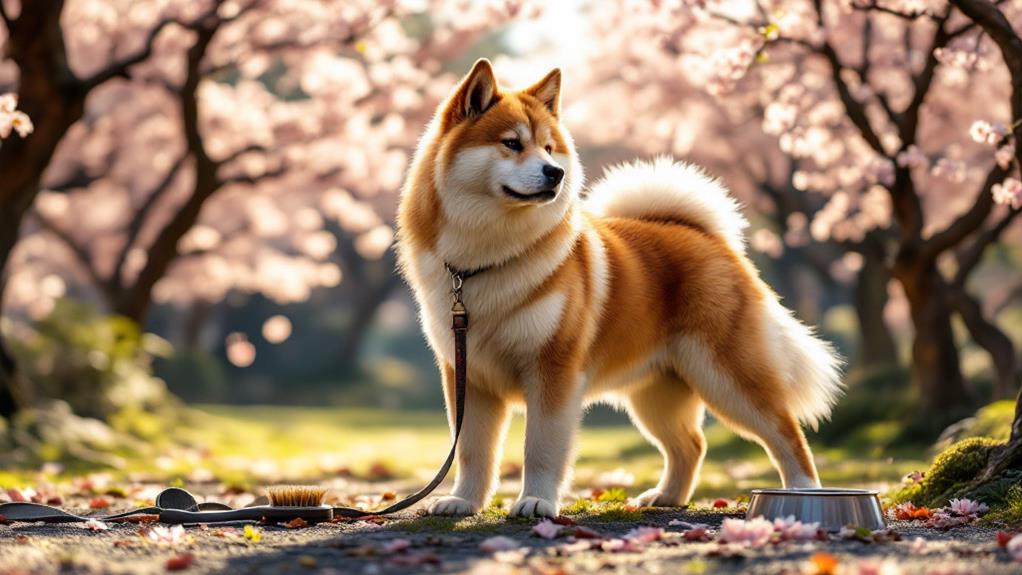
Owning an Akita comes with significant responsibilities, demanding a commitment to understanding and managing their unique traits. You'll find that their dominant nature and strong protective instincts require a knowledgeable and experienced owner. It's imperative to provide consistent, firm training to handle their stubbornness, ensuring they become well-behaved members of your family, especially if you have older children.
Regular exercise routines are essential, as Akitas have high energy levels. Without sufficient physical activity, they may develop behavioral issues. Long walks, play sessions, and mental stimulation help channel their energy positively. Similarly important is early socialization, which helps Akitas develop appropriate behaviors around strangers and other pets. Due to their high prey drive, they might pose challenges in multi-pet households, so early intervention is key.
In terms of health care, regular veterinary check-ups are crucial to maintaining their well-being. Addressing grooming needs is also significant—Akitas have a thick double coat that requires regular brushing to minimize shedding and maintain skin health. Understanding their historical ties to nobility can further improve your appreciation of their loyalty, urging you toward responsible ownership and care.
Resources and Support
Taking on the responsibilities of owning an Akita can feel intimidating, but you're not alone in this expedition. Numerous resources and support systems are available to guide you. Rescue organizations like MARS (Muts Against Rottweiler Stereotypes) are dedicated to Akita care and adoption, guaranteeing these noble dogs find loving homes. They provide valuable resources and information on the breed's specific needs. Furthermore, the Akitainu Hozonkai, founded in 1927, works diligently to preserve the Akita's historical characteristics, offering insights into the breed's unique traits.
To become a responsible Akita owner, it's essential to access training resources and community support. Many online communities and breed clubs offer guidance on training, socialization, and general care. Engaging with these groups will help you understand and meet your Akita's needs effectively.
- Rescue Organizations: Connect with groups like MARS for adoption and support.
- Training Resources: Find educational material online or through local breed clubs.
- Community Support: Join forums and social media groups dedicated to Akita enthusiasts.
- Reputable Breeders: Verify you seek breeders who prioritize health and temperament.