Afghan Hound: The Endearing and Elegant Sighthound
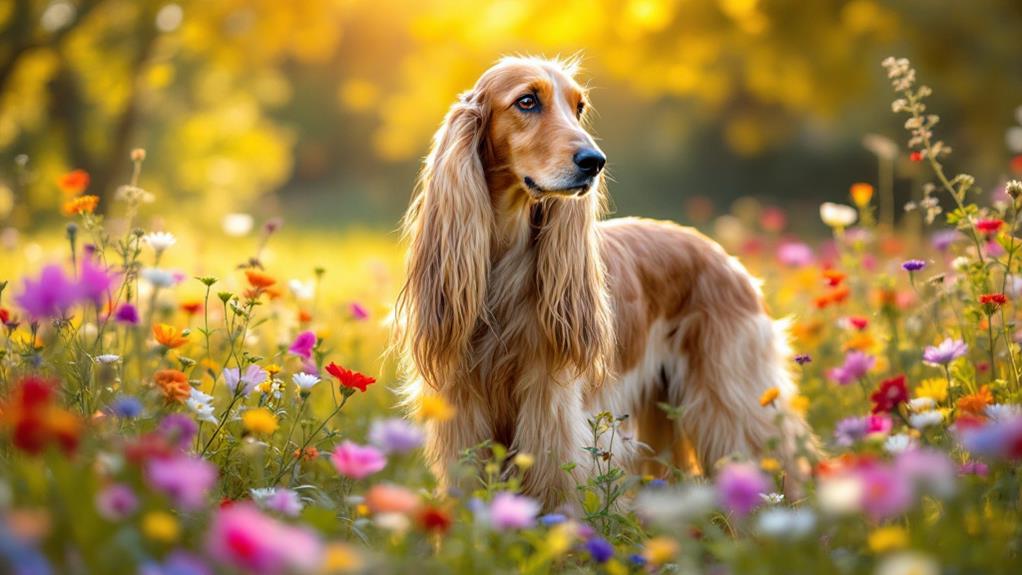
Uncover the Afghan Hound, an endearing and elegant breed with over 4,000 years of history. Originating from the rugged mountains of Afghanistan, these sighthounds were once royal hunting companions. Their long, silky coats and graceful movement make them stand out, but they do require regular grooming. Despite their dignified demeanor, Afghan Hounds can be playful and energetic, needing consistent exercise and patient training. They're known for being independent, so early socialization is essential for a well-rounded temperament. Understanding their unique needs and potential health concerns enriches the experience of owning this aristocratic breed, revealing fascinating details along the way.
Origin and History
Tracing back over 4,000 years, the Afghan Hound boasts one of the oldest genetic lineages among dog breeds. Originating from the rugged mountains of Afghanistan, this ancient breed was expertly developed as hunting dogs. They were renowned for their exceptional ability to chase swift prey such as leopards and gazelles across challenging terrains. The Afghan Hound's role in history is well-documented, with early references appearing in Egyptian papyri and cave paintings, underscoring their significance across diverse ancient civilizations.
The Afghan Hound's regal appearance and prowess in hunting made them highly valued in societies that prized both beauty and utility in their canine companions. Known also as Tazis or Balkh hounds, they weren't limited to hunting; they also excelled in roles like shepherding and guarding livestock, showcasing their versatility and intelligence.
When British soldiers introduced the Afghan Hound to Europe in the late 19th century, the breed's exotic allure quickly captured attention. Post-World War I, these dogs garnered further popularity due to royal interest and celebrity endorsements. Today, the Afghan Hound remains a symbol of elegance and grace, deeply rooted in its storied past.
Physical Attributes
The Afghan Hound's physical attributes are a striking blend of elegance and functionality. Standing at a medium-large size, these dogs typically reach between 24 to 29 inches in height and weigh between 50 to 60 pounds. Their distinctive appearance is improved by a long, silky coat that can come in a variety of colors, including black, cream, brindle, and combinations of these shades. This coat is particularly heavy on the forequarters and hindquarters, requiring consistent grooming to prevent matting and to maintain its luxurious beauty.
The Afghan Hound's head shape is unique, featuring a narrow skull, long neck, and wedge-shaped face, elements that contribute to their sophisticated look. These physical traits not only give the Afghan Hound an air of nobility but also support their graceful movement. Their movement is often described as aristocratic, with a regal and flowing gait that captures attention in any setting, especially in dog shows and competitions. Ensuring regular grooming is key to keeping their coat in top condition, highlighting the breed's elegance and reinforcing the Afghan Hound's status as a distinctive and dignified canine companion.
Behavior and Temperament
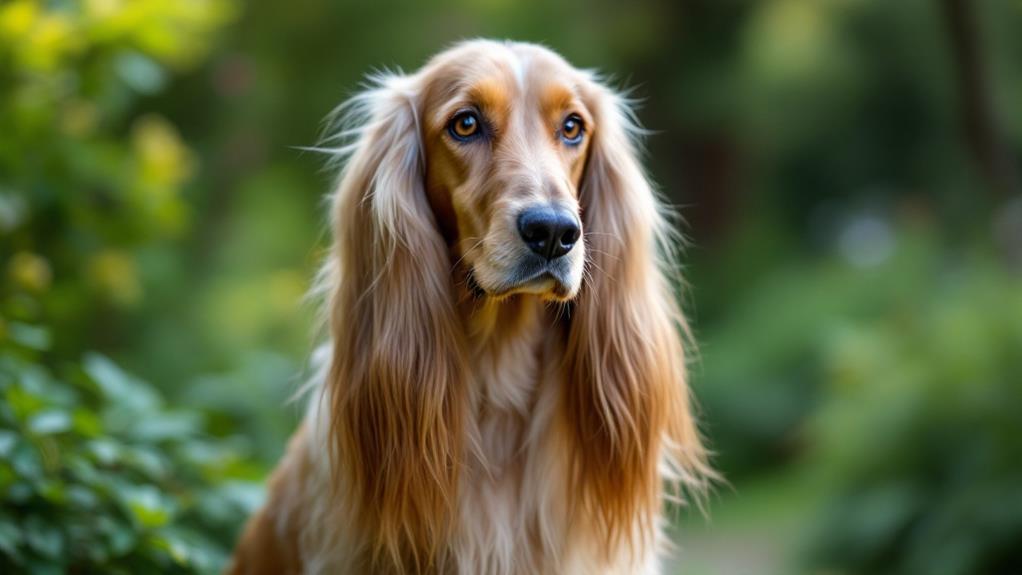
With their dignified demeanor, Afghan Hounds often exhibit an independent and somewhat aloof nature, favoring close bonds with a single family member. This breed's unique behavior makes them loyal companions, though they don't always outwardly show affection. Their temperament is playful and energetic, requiring regular exercise to burn off their abundant energy. Regardless of it being running in a fenced yard or accompanying you on long walks, Afghan Hounds thrive on physical activity.
Despite their intelligence, Afghan Hounds can be quite stubborn, which adds an interesting twist to their independent spirit. You'll find that consistent and firm guidance, combined with positive reinforcement, works best in managing this trait. While they're generally good with families, their high prey drive means you should be cautious if you have smaller pets around.
Early socialization is key for Afghan Hounds. Exposing them to different environments, people, and animals helps develop well-rounded behavior, ensuring they adapt well to various situations. This socialization shapes them into more adaptable dogs, making your Afghan Hound a beloved member of your household. Welcome their unique personality, and you'll enjoy a rewarding relationship with this elegant sighthound.
Training Techniques
When you commence training an Afghan Hound, keep in mind that patience and consistency are your best allies. These independent dogs can be stubborn, so a firm and consistent approach is essential. Begin with early socialization, introducing your Afghan Hound to different environments, people, and other pets. This exposure will enhance their adaptability and confidence, making them well-rounded companions.
Utilize positive reinforcement training techniques to encourage good behavior. Afghan Hounds respond exceptionally well to treats and praise, helping to create a positive learning environment. Avoid harsh methods, as they are less effective and can damage trust. Focus on basic obedience commands like sit, stay, and come, practicing them daily to build a strong bond between you and your dog.
Incorporate mental stimulation into your training routine. Engaging activities such as agility courses or interactive play will not only provide physical exercise but also activate your Afghan Hound's intelligent and playful nature. This prevents boredom and keeps them mentally sharp. By applying these training techniques, you'll foster a happy and well-behaved Afghan Hound, ensuring a rewarding companionship that thrives on understanding and mutual respect.
Health and Wellness
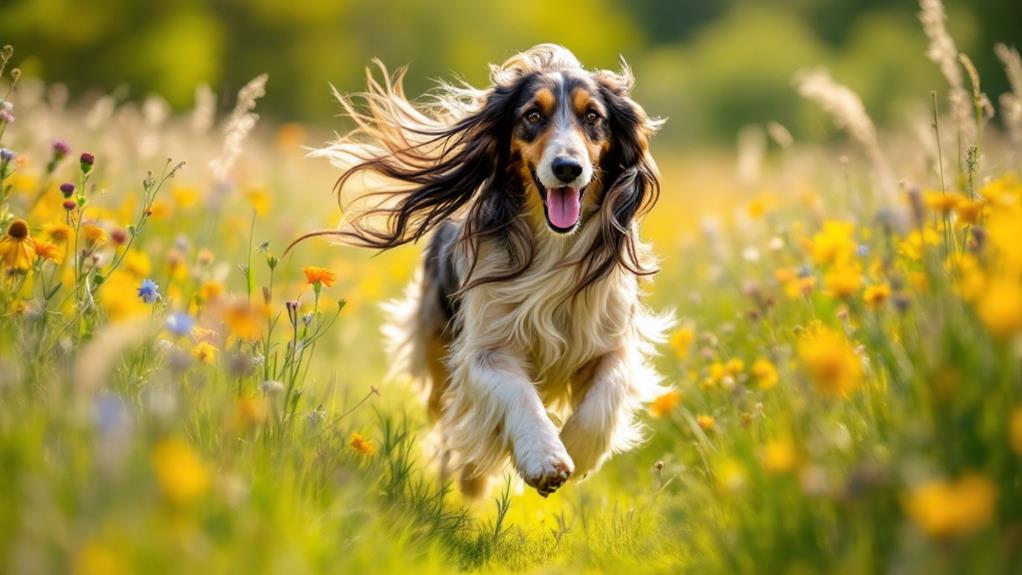
Vigilance is key regarding the health and wellness of your Afghan Hound. These elegant dogs have a lifespan of 12-14 years but are prone to specific health issues. Regular veterinary check-ups are necessary to catch conditions like hip dysplasia early. This painful joint problem can impact mobility, so staying alert to any changes in their movement is essential.
Another common concern is hypothyroidism, which can lead to symptoms like excessive shedding and unexplained weight gain. Luckily, this condition is manageable with lifelong medication. It's significant to monitor your Afghan Hound's health closely and consult your vet if you notice any changes.
Gastric dilatation-volvulus (GDV) is a serious condition that Afghan Hounds are susceptible to. If you observe signs like abdominal pain or excessive drooling, seek immediate medical attention.
In addition to medical care, grooming your Afghan Hound regularly is important. Their long, silky coats require attention to prevent matting, which can lead to skin issues.
Grooming Essentials
Maintaining your Afghan Hound's coat looking its best requires regular grooming sessions. Their long, silky coat is stunning but needs attention to prevent matting and tangles. You should groom your Afghan Hound at least twice a week. Daily brushing is ideal, focusing on areas prone to knots, like the underbelly and behind the ears. This helps maintain their coat's luster and manageability, especially after daily walks when debris might get caught in their long hair.
Bathing is another significant part of your grooming routine, but don't overdo it. Regular baths with a gentle dog shampoo will keep their coat clean without stripping away natural oils that are vital for maintaining that silky shine. Remember, balance is key to keeping their coat healthy and beautiful.
Ear checks are important, too. The Afghan Hound's floppy ears can trap moisture and debris, leading to infections. Regular ear cleaning is necessary to keep your furry friend comfortable and healthy. Finally, don't forget about nail trimming. Trim their nails at least once a month to avoid discomfort during walks and maintain overall paw health. With these steps, your Afghan Hound will look elegant and feel great.
Cost of Ownership
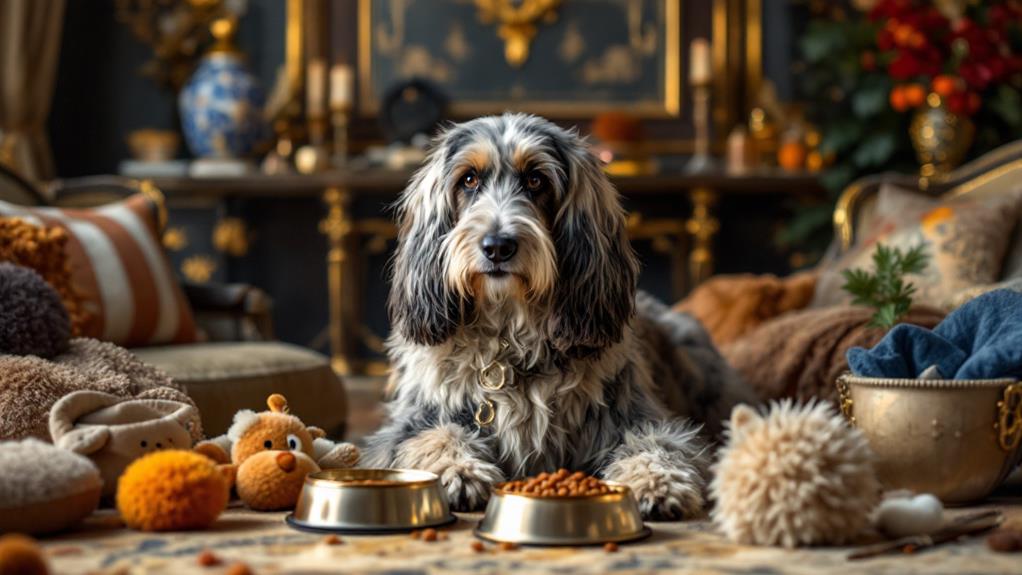
Although owning an Afghan Hound can be immensely rewarding, it's imperative to be aware of the costs involved. The initial purchase price of an Afghan Hound typically ranges from $1,000 to $2,500, depending on factors like breeder reputation and the dog's lineage. However, the ongoing costs of ownership are where you'll need to plan carefully. Grooming is fundamental for maintaining their elegant appearance. Expect to spend between $50 to $100 per grooming session, as their long coats require regular maintenance.
Feeding your Afghan Hound is another recurring expense. Quality dog food is significant to meet their dietary needs and guarantee overall health. Veterinary care should also be factored into your budget. Regular check-ups, vaccinations, and potential health issues unique to the breed can add up over time.
In addition to these costs, consider the expense of training and socialization classes, which vary depending on your location and chosen programs. Afghan Hounds also demand a significant time commitment for regular exercise and coat maintenance, requiring daily physical activity and brushing at least twice a week. Confirming you can meet these needs is fundamental for a successful ownership experience.