10 Fascinating Facts About Reptiles You Probably Didn’t Know
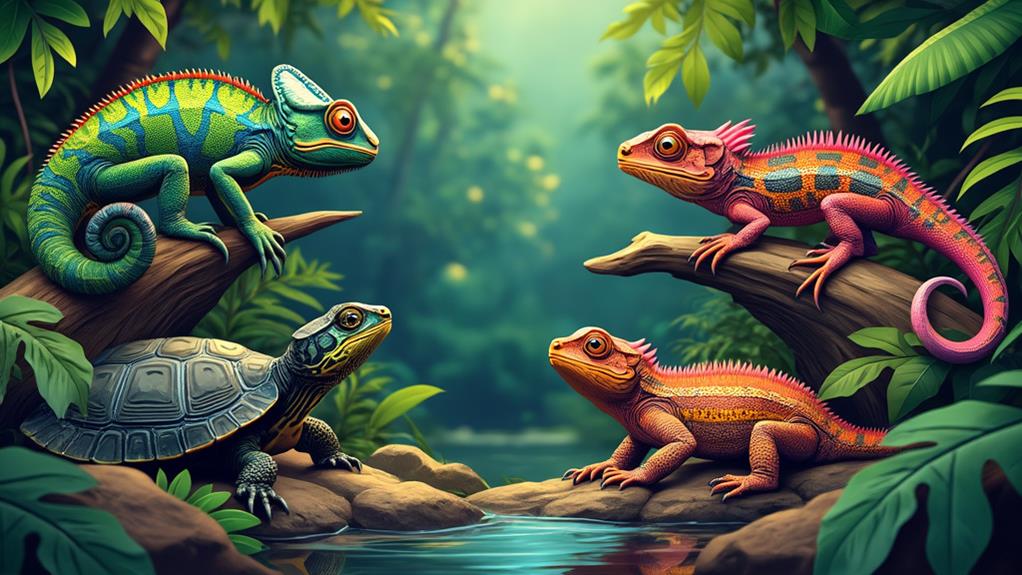
You're about to uncover some intriguing reptile secrets. Did you know Aldabra tortoises can live over 150 years? Chameleons aren't just masters of disguise; they can change color rapidly for communication and temperature regulation. Geckos have a unique adhesive ability, allowing them to effortlessly scale vertical surfaces. Sea turtles glide smoothly through water with their streamlined bodies. Some reptiles have temperature-dependent sex determination, affecting their offspring's gender based on incubation warmth. Tiny reptiles like the nano-chameleons showcase incredible biodiversity. If you think that's interesting, there's even more to amaze you about these enchanting creatures.
Key Takeaways
- Aldabra tortoises can live over 150 years, showcasing reptilian longevity.
- Temperature-dependent sex determination influences gender in turtles and crocodilians.
- Chameleons change color for camouflage, communication, and temperature regulation.
- Geckos use van der Waals forces for adhesion, enabling them to climb upside down.
- Nano-chameleons, the size of a sunflower seed, highlight Madagascar's reptile biodiversity.
Reptile Longevity
Did you know some reptiles can live longer than most mammals? It's true! When examining the animal kingdom, you'll find that reptiles can live astonishingly long lives. Among the longest-living species are the Aldabra tortoises. These majestic creatures can surpass 150 years, making them the ultimate champions of longevity. Imagine the stories they'd tell if they could talk!
Alligators also boast impressive lifespans, averaging around 70 years. Their robust nature and adaptability enable them to thrive in different environments for decades. Meanwhile, ball pythons have been known to live up to 40 years in captivity, proving that, with proper care, these snakes can accompany you for a significant portion of your life.
What's fascinating about many reptiles is their ability to survive extended periods without food. Species like certain turtles achieve this through a slow metabolism and energy-efficient lifestyle. This adaptability not only aids their survival but also contributes to their long lifespans.
It's remarkable to reflect on how reptiles, with their unique adaptations and efficient energy use, can outlive numerous mammals. Their longevity showcases nature's incredible diversity and the fascinating strategies life has developed to persist over time.
Chameleon Color Change
With their animated and dynamic displays, chameleons captivate us through their extraordinary ability to change color. You might wonder how they achieve such a fascinating feat. It's all thanks to special pigment-containing cells called chromatophores, which expand and contract under the control of their nervous system. This color change isn't just a party trick; it's a sophisticated response to their environment and emotions.
Chameleons are masters of adaptation, using color change for multiple purposes. They can blend into their surroundings to avoid predators, a skill that's crucial for survival. But it's not all about hiding. When temperatures rise or fall, they adjust their colors to help regulate body temperature. Moreover, these color shifts serve as a means of communication, signaling stress, excitement, or readiness to mate to other chameleons.
You'll be amazed at the range of colors chameleons can display, from greens and blues to lively yellows and reds. The speed of this transformation can differ. While some changes happen within a few seconds, others may take several minutes. Next time you spot a chameleon, remember, there's much more to their color change than meets the eye.
Gecko Adhesion
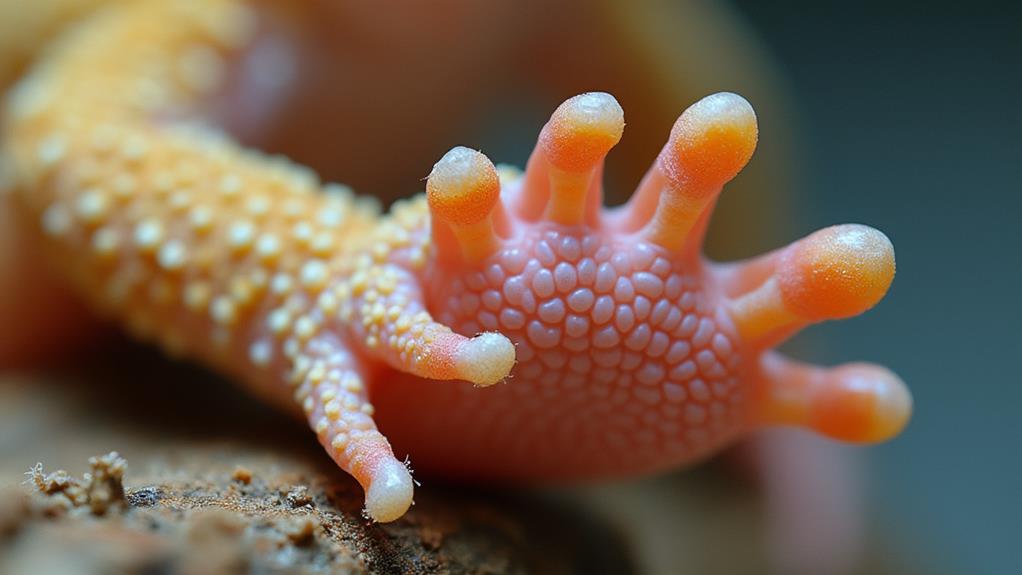
Although geckos may seem like ordinary creatures at initial glance, their remarkable ability to adhere to different surfaces sets them apart in the animal kingdom. These fascinating reptiles possess specialized foot pads covered in microscopic hairs known as setae. This unique feature allows geckos to stick to a range of surfaces, including walls and ceilings, without any adhesive or suction.
The secret behind this incredible adhesion lies in van der Waals forces, a type of weak intermolecular force. Despite their small foot surface area, these forces enable geckos to support their entire body weight. Some gecko species can even cling to surfaces while upside down, showcasing their extraordinary climbing abilities. This skill is not just for show; it plays a critical role in their survival. It aids geckos in hunting prey, evading predators, and exploring their habitats to find mates.
What's even more impressive is their speed. On smooth surfaces, some geckos can move at speeds of up to 20 body lengths per second. This combination of speed and adhesion makes geckos among the most agile reptiles, capable of thriving in different environments.
Reptiles and Water
Maneuvering aquatic environments, many reptiles exhibit remarkable adaptations that allow them to thrive in water. One fascinating reptile fact is that sea turtles, with their streamlined shells and flipper-like limbs, are perfectly designed for ocean life. These gentle creatures glide effortlessly through the sea, spending most of their lives immersed and only coming ashore to lay eggs. Their ability to hold their breath for long periods is due to their specialized respiratory systems, a common trait among aquatic reptiles.
Sea snakes represent another group of reptiles highly adapted to life in water. Unlike their land-dwelling counterparts, sea snakes cannot move on land at all. Their bodies are flattened, and their tails have evolved into paddle-like structures, making them superb swimmers and efficient underwater hunters. This adaptation allows them to navigate the marine world with ease, capturing prey with precision.
Let's not forget about the green basilisk lizard, which showcases an extraordinary ability to run on water. It uses its long toes and swift movements to dash across the surface, evading predators in a spectacular display of agility. Such adaptation highlights the diverse and impressive strategies reptiles employ to conquer aquatic habitats.
Tiny Reptiles
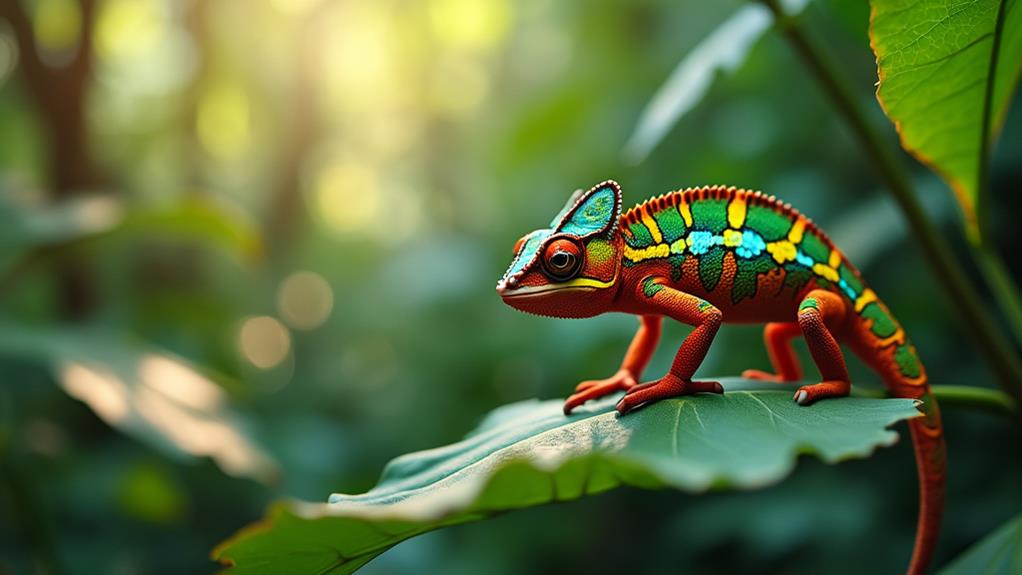
While many reptiles have adapted to dominate aquatic environments, some of the most intriguing members of this diverse class plunge on a much smaller scale. In northern Madagascar, the nano-chameleon, one of the tiniest reptiles known, measures around the size of a sunflower seed. It might even be the smallest reptile species in the world. This miniature marvel, along with the Jaragua lizard, which measures just 15 millimeters long, showcases the incredible size diversity among reptiles. These tiny species highlight the rich biodiversity of Madagascar's ecosystems, which play an essential role in species preservation.
The nano-chameleon and the Jaragua lizard are not just fascinating due to their size; their unique adaptations are similarly impressive. The nano-chameleon's projectile tongue, despite being so small, is perfectly adapted for catching prey. This ability highlights the remarkable evolution these tiny reptiles have undergone to survive in their environments. However, their small size also underscores the significance of habitat preservation. Even slight environmental changes can severely impact their survival, making conservation efforts critical. By understanding and protecting these tiny species, you help guarantee the continued richness and diversity of life on our planet.
Chameleon Vision
With their extraordinary eyes, chameleons capture the imagination of many. Among the fascinating facts about reptiles, chameleon vision stands out as a marvel of nature. Their eyes can move independently, allowing them to look in two different directions at once. This unique ability gives chameleons a panoramic view of their surroundings, essential for spotting both predators and prey. Imagine being able to monitor your entire environment without even having to move your head!
Chameleons also have exceptional color vision. Unlike many other reptiles, they can detect a wider range of colors, which plays a significant role in their survival. This acute vision helps them accurately judge distances while targeting insects with their long, projectile tongues. It's like having a built-in, high-tech targeting system!
This combination of independent eye movement and superior color perception supports their specialized hunting strategies. Chameleons can keep an eye on their environment, ensuring they're safe from threats, while simultaneously focusing on capturing their next meal. With such sophisticated vision, it's no wonder chameleons are among the most intriguing creatures in the animal kingdom. Their vision not only fascinates us but also highlights the remarkable adaptations found in reptiles.
Temperature and Gender
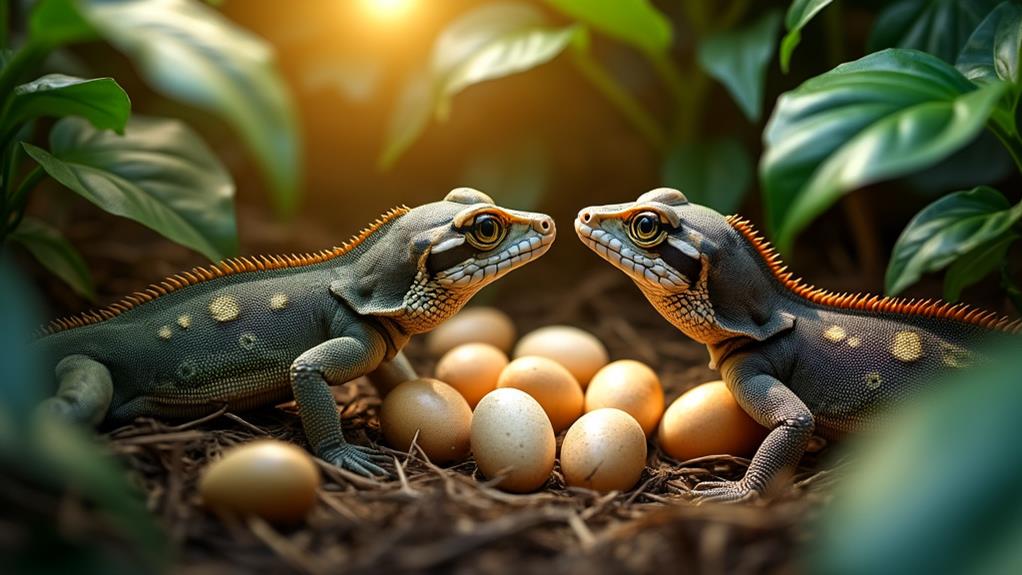
Temperature plays an essential role in determining the gender of some reptile species, like turtles and crocodilians. This fascinating process is known as temperature-dependent sex determination (TSD). For turtles, the temperature at which their eggs incubate can directly influence if they hatch as males or females. Cooler temperatures usually lead to male hatchlings, while warmer conditions produce females. In contrast, crocodilians exhibit a slightly different pattern. Low and high incubation temperatures result in female offspring, while intermediate temperatures yield males.
This phenomenon highlights how environmental factors, especially temperature, greatly impact the reproductive success and gender balance in these reptiles. The delicate balance of TSD showcases an intricate adaptation to their surroundings. However, this adaptation also makes them vulnerable to climate change. As global temperatures shift, traditional gender ratios might become disrupted, leading to potential population imbalances. You can see how vital it is for us to understand these mechanisms better and consider them in conservation efforts. By preserving natural habitats and monitoring climate changes, we can help safeguard these reptiles against the unforeseen consequences of a warming world.
Snake Scale Similarities
Understanding reptile adaptations reveals intriguing aspects of their biology, such as the unique features of snake scales. As an amazing reptile, the snake boasts scales primarily composed of keratin, the same tough protein found in your hair and nails. This composition grants them remarkable durability and protection, essential for their survival in diverse environments.
Snake scales aren't just about strength—they're brilliantly designed for flexibility and movement. Their overlapping arrangement reduces friction, allowing snakes to glide effortlessly across different terrains. This adaptation is fundamental for maneuvering through tight spaces and capturing prey with precision. You might not realize it, but these scales also play a role in a snake's regular shedding process, known as ecdysis. Shedding allows snakes to renew their old scales and effectively remove parasites, maintaining their health and liveliness.
Moreover, the unique patterns and colors of snake scales aren't merely for aesthetics. They serve significant purposes like camouflage, helping snakes blend into their surroundings to avoid predators or surprise prey. Some scales also assist in thermoregulation, while others facilitate communication with fellow snakes. These fascinating features highlight why snakes are such an amazing reptile, perfectly adapted to their ecological niches.
Cold-Blooded Traits
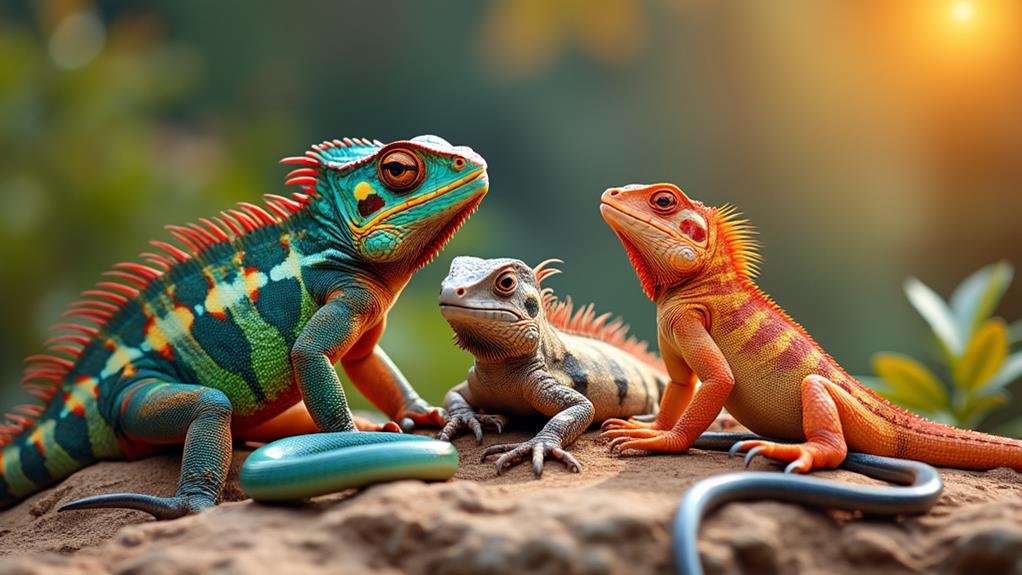
Adaptation defines the existence of reptiles, largely due to their cold-blooded nature. As ectotherms, reptiles depend on external heat sources to regulate their body temperature. You might see them basking in sunlight or warming themselves on a hot rock. This behavior is essential for their metabolic functions and digestion. With these cold-blooded traits, reptiles can live efficiently even in challenging environments.
Due to their slow metabolic rates, reptiles can survive on minimal food intake. Imagine living for months on a single meal! This ability lets them thrive in habitats where food isn't always plentiful. Reptiles prefer warmer climates, so you'll find them scattered across deserts, forests, and wetlands. Their distribution showcases their adaptability to distinct environments.
For reptiles, growth is a slow process. Their cold-blooded traits mean they grow more slowly than warm-blooded animals. This slower growth rate offers an advantage when food supplies fluctuate.
Here are some key points about cold-blooded traits:
- Rely on external heat to regulate body temperature
- Basking increases body temperature for metabolism
- Low metabolic rates allow survival on less food
- Prefer warmer climates for ideal living
- Slow growth rates help adapt to food scarcity
These traits exemplify how reptiles have adapted to live in multiple environments.
Unique Reptile Diets
Reptiles have a fascinating way of obtaining energy, and their diets play a key role in their survival. Unique reptile diets vary widely among species, reflecting their adaptability and ecological roles. For instance, snapping turtles enjoy a varied menu, munching on insects, worms, and small animals. Meanwhile, some turtle species have a specialized herbivorous diet, mainly consuming aquatic vegetation. Their dietary choices highlight the diversity present in the reptile kingdom.
Lizards offer another example of this dietary diversity. You'll find some lizards that are strictly insectivorous, while others won't hesitate to snack on fruits or even small animals. It's intriguing to see how each species has evolved to thrive on different food sources. And here's a surprising fact: many reptiles don't chew their food. Instead, they swallow rocks called gastroliths to help grind food in their stomachs.
Apex predators like alligators and the mighty saltwater crocodile dominate their habitats with diets that include fish, birds, and small mammals. These powerful creatures demonstrate their roles as top predators, ensuring the balance of their ecosystems. Each reptile's diet is a reflection of its unique place in nature's food web.